


 Spain : Safety by City
- Alicante
- Barcelona
- Bilbao
- Cadiz
- Canary Islands
- Granada
- Ibiza
- Lanzarote
- Las Palmas
- Madrid
- Malaga
- Murcia
- Palma de Mallorca
- Pamplona
- Salamanca
- San Sebastian
- Seville
- Tenerife
- Valencia
- Zaragoza
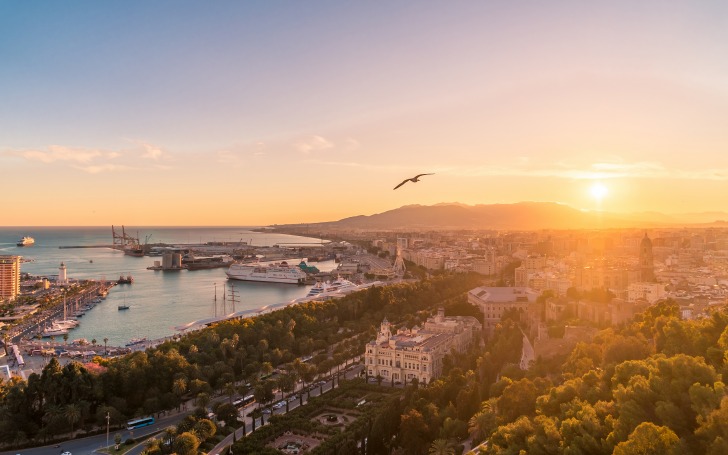
Set along Spain’s southern Mediterranean coast, Malaga is the beating heart of the Costa del Sol.
This sun soaked city in the Andalusia region blends Roman ruins, Moorish fortresses, golden beaches, and a thriving modern food scene into one surprisingly compact destination.
It is also the birthplace of Pablo Picasso and home to more than 300 days of sunshine per year.
But sunshine and sangria aside, safety matters.
Whether you are wandering through cobbled streets in the historic center, relaxing on Playa de la Malagueta, or using Malaga as a gateway to Granada and Seville, you want to know what to expect.
After researching crime statistics, traveler reports, and local guidance, here is my honest, detailed breakdown of how safe Malaga really is for travelers.
Warnings & Dangers in Malaga

OVERALL RISK: LOW
Malaga is generally considered a low risk destination for travelers. Violent crime rates are relatively low compared to many large European cities, and most incidents involve petty theft rather than physical harm. With standard travel awareness and basic precautions, most visitors experience a smooth and trouble free trip.

TRANSPORT & TAXIS RISK: LOW
Public transport in Malaga is reliable and safe. Buses and the metro are modern and well monitored. Licensed taxis are regulated, use meters, and are easy to identify by their white color and green light on top. Issues are rare, though like anywhere, use official taxis or reputable ride services.

PICKPOCKETS RISK: MEDIUM
Pickpocketing is the most common issue tourists face, especially in crowded areas such as Calle Larios, the historic center, beaches, and during festivals. Thieves typically work in teams and target distracted visitors. The risk is manageable with vigilance, but it is something you should actively guard against.

NATURAL DISASTERS RISK: LOW
Malaga has a stable Mediterranean climate. Earthquakes are rare and usually minor. Flooding can occur during heavy autumn rains, and summer heatwaves can be intense, with temperatures above 35 C. Wildfires occasionally affect nearby hills in peak summer. Overall, natural disaster risk remains low.

MUGGING RISK: LOW
Muggings and violent robberies are uncommon in Malaga, particularly in tourist zones. Most crime is non violent and opportunistic. That said, poorly lit areas late at night can increase vulnerability, especially if you appear intoxicated or distracted.

TERRORISM RISK: LOW
Spain has experienced isolated incidents in the past, but Malaga itself is not considered a high risk city for terrorism. Security presence at transport hubs and major events is visible but not intrusive. As in most European destinations, overall risk remains low.

SCAMS RISK: MEDIUM
Common scams include distraction techniques, fake petitions, and occasional overcharging in nightlife areas. Some tourists report inflated bills in certain bars if they do not check prices first. While not widespread, small scams do occur and require awareness.

WOMEN TRAVELERS RISK: LOW
Malaga is generally safe for solo female travelers. Street harassment exists but is usually verbal and limited. Well lit areas, busy nightlife zones, and central neighborhoods feel comfortable even after dark. Standard solo travel precautions apply, especially late at night.

TAP WATER RISK: LOW
Tap water in Malaga is safe to drink and meets European Union standards. Some visitors dislike the taste due to mineral content, but it is not a health concern. Bottled water is widely available if preferred.
Safest Places to Visit in Malaga
Malaga’s historic center is one of the safest and most enjoyable areas for visitors.
Around the Cathedral of Malaga and Calle Larios, streets are pedestrian friendly, lively, and well patrolled.
During the day and evening, this district feels secure thanks to heavy foot traffic and strong lighting.
The Alcazaba fortress and Gibralfaro Castle sit on elevated ground overlooking the city.
These areas are well maintained, monitored, and heavily visited.
You are far more likely to worry about climbing uphill in the heat than about crime.
Playa de la Malagueta, the city’s main beach, is generally safe during daylight hours.
Families, joggers, and tourists fill the promenade.
Just keep personal items close, especially during peak summer months.
The Soho district, known for street art and cultural spaces, has improved significantly in recent years.
It feels trendy and vibrant rather than dangerous, especially during daytime and early evening.
For a quieter atmosphere, neighborhoods like Pedregalejo and El Palo, east of the center, offer a relaxed seaside vibe.
These residential areas are considered safe and are popular with locals for seafood restaurants and beach strolls.
Places to Avoid in Malaga
While Malaga is broadly safe, some areas require more caution, especially at night.
Neighborhoods such as Palma Palmilla, La Trinidad, and certain parts of El Molinillo have historically reported higher crime rates compared to the tourist core.
These districts are residential and not typical tourist destinations.
Carretera de Cadiz has both safe and less appealing sections.
While much of it is fine during the day, poorly lit side streets late at night may feel uncomfortable if you are alone.
Around the bus and train stations, petty theft can occur, particularly targeting distracted travelers handling luggage.
This is not unique to Malaga, but transport hubs are common hotspots.
Nightlife areas in the historic center can become rowdy late at night, especially on weekends.
Alcohol related altercations are rare but possible.
Staying aware and avoiding confrontations is key.
In short, there are no large no go zones for tourists, but wandering far outside central or coastal areas late at night without purpose is unnecessary.
Safety Tips for Traveling to Malaga
- Stay Extra Alert on Calle Larios and During Major Festivals. Calle Marqués de Larios is the glamorous spine of the historic center, and it is also where distraction theft happens most often. During Feria de Malaga in August and Semana Santa in spring, the crowds multiply and so do opportunistic pickpockets. Keep your bag zipped and positioned in front of you in dense crowds. Avoid placing your phone on outdoor café tables, especially during busy evenings when performers and vendors create natural distractions.
- Time Your Beach Visits Smartly at La Malagueta. Playa de la Malagueta is safe and family friendly, but it is also prime territory for quick theft when tourists leave valuables unattended while swimming. Arrive earlier in the morning or later in the afternoon when it is less chaotic. Bring only essentials to the beach. If you are traveling with someone, take turns going into the water so someone always watches your belongings.
- Respect the Heat as a Real Safety Risk. Malaga’s biggest danger is often the sun. In July and August, temperatures regularly exceed 30 C and can push past 35 C. Plan sightseeing for early morning or after 6 pm. When visiting the Alcazaba or Gibralfaro Castle, carry water and wear proper footwear. Dehydration and heat exhaustion are far more common problems here than crime.
- Use the Cercanías Train from the Airport. From Malaga Costa del Sol Airport, the Cercanías C1 train is one of the safest and most efficient ways to reach the city center. It runs frequently and takes about 12 minutes. Avoid accepting unsolicited taxi offers inside or outside the terminal. Official taxis are white with a visible meter. If you prefer a ride share app, confirm the driver and plate number before entering the vehicle.
- Be Strategic About Nightlife in the Historic Center. Malaga’s nightlife clusters around Plaza de la Merced and the streets near the cathedral. The atmosphere is lively and generally safe, but alcohol related incidents do happen. Watch your drink being prepared and never leave it unattended. If a bar feels chaotic or the staff avoid showing you a menu with prices, leave. Inflated bills are rare but not unheard of in heavily touristed spots.
- Understand Neighborhood Context Before Wandering. Most tourists never need to visit districts like Palma Palmilla or certain interior sections of La Trinidad. These are residential areas with fewer services and less lighting at night. If you enjoy urban exploration, go during the day and with clear purpose. Stick to central, coastal, and well known neighborhoods unless you have local guidance.
- Keep Your Phone Secure While Navigating. It is tempting to walk with your phone out for directions, especially in the maze like streets of the old town. Instead, step into a shop doorway or against a wall to check maps discreetly. Phone snatching is not rampant, but quick grabs from distracted pedestrians do occur in busy tourist corridors.
- Monitor Weather Warnings During Autumn. While Malaga is not prone to major natural disasters, heavy autumn rains can cause localized flooding. Sudden downpours can overwhelm drainage in low lying streets. Check local forecasts if visiting in October or November. Avoid underground parking areas and riverbeds during severe weather alerts.
- Blend in with Local Habits. Malaga operates on a late schedule. Dinner often begins after 9 pm. Streets remain lively until midnight or later, which adds a layer of safety due to activity and lighting. Dress casually and avoid looking overly touristy. Confident body language and situational awareness reduce the chance of being targeted for petty crime.
- Register Emergency Numbers and Know Basic Protocol. Spain’s general emergency number is 112. Save it in your phone. Police presence is visible in the center, especially during high season. If you experience theft, report it promptly at a police station to obtain documentation for insurance claims. Having digital copies of your passport and travel documents will make this process much smoother.
So... How Safe Is Malaga Really?
Malaga consistently ranks as one of Spain’s safer mid sized cities.
Spain overall maintains lower violent crime rates compared to many Western countries.
Most reported incidents in Malaga involve non violent theft rather than assault.
Police presence in tourist areas is visible, particularly during festivals like Feria de Malaga and Semana Santa.
The city benefits from strong tourism infrastructure, surveillance cameras in central districts, and an economy heavily dependent on visitors.
Compared to larger cities such as Barcelona or Madrid, Malaga sees fewer large scale pickpocketing operations.
Still, petty theft remains the primary concern.
In practical terms, if you apply common sense, avoid isolated residential areas late at night, and stay alert in crowds, Malaga feels comfortable and welcoming.
For most travelers, safety concerns will not define their experience.
The biggest risks are sunburn and losing track of time at a seaside café.
How Does Malaga Compare?
| City | Safety Index |
|---|---|
| Malaga |
78 |
| Salamanca |
59 |
| San Sebastian |
56 |
| Seville |
75 |
| Madrid |
70 |
| Valencia |
72 |
| Zaragoza |
79 |
 North Kingstown North Kingstown | 83 |
 Leticia Leticia | 70 |
| Georgia | 65 |
| Dubois | 78 |
 Inverness Inverness | 73 |
| Allentown | 78 |
Useful Information

Visas
Spain is part of the Schengen Area. Travelers from the United States, Canada, Australia, and many other countries can stay visa free for up to 90 days within a 180 day period. No fee applies for short tourist stays. Always ensure your passport is valid for at least three months beyond departure.

Currency
Malaga uses the Euro. Credit and debit cards are widely accepted, including contactless payments. ATMs are easy to find throughout the city. Avoid exchanging money at airports if possible due to higher fees. Bank ATMs usually offer better rates.

Weather
Malaga enjoys a Mediterranean climate with hot summers and mild winters. Summer temperatures often reach 30 to 35 C. Pack light clothing, sunscreen, and comfortable walking shoes. In winter, a light jacket is sufficient.

Airports
Malaga Costa del Sol Airport is the main gateway and one of Spain’s busiest airports. It sits about 8 kilometers from the city center. The commuter train connects the airport to central Malaga in about 12 minutes, offering an affordable and safe option.

Travel Insurance
Although Malaga is low risk, travel insurance is highly recommended. It can cover medical emergencies, theft, cancellations, and delays. Healthcare in Spain is excellent, but treatment without insurance can be expensive for non residents. A small upfront cost can save significant stress later.
Malaga Weather Averages (Temperatures)
Average High/Low Temperature
| Temperature / Month | Jan | Feb | Mar | Apr | May | Jun | Jul | Aug | Sep | Oct | Nov | Dec |
|---|---|---|---|---|---|---|---|---|---|---|---|---|
| High °C |
17 | 18 | 19 | 21 | 25 | 29 | 32 | 32 | 28 | 25 | 21 | 18 |
| Low °C |
10 | 11 | 12 | 14 | 17 | 20 | 23 | 24 | 20 | 18 | 14 | 11 |
| High °F |
63 | 64 | 66 | 70 | 77 | 84 | 90 | 90 | 82 | 77 | 70 | 64 |
| Low °F |
50 | 52 | 54 | 57 | 63 | 68 | 73 | 75 | 68 | 64 | 57 | 52 |
Spain - Safety by City
| City | Safety Index |
|---|---|
| Alicante | 77 |
| Barcelona | 65 |
| Bilbao | 52 |
| Cadiz | 74 |
| Canary Islands | 81 |
| Granada | 72 |
| Ibiza | 82 |
| Lanzarote | 84 |
| Las Palmas | 74 |
| Madrid | 70 |
| Malaga | 78 |
| Murcia | 83 |
| Palma de Mallorca | 57 |
| Pamplona | 81 |
| Salamanca | 59 |
| San Sebastian | 56 |
| Seville | 75 |
| Tenerife | 82 |
| Valencia | 72 |
| Zaragoza | 79 |












The best of the best
The safest city I’ve ever been to
I was surprised by how peaceful Málaga felt even being such a big city; it’s nice to have all that modern convenience without the usual hustle and bustle.
Did you find the vibe in Málaga feels different from other big cities, like it’s somehow both lively and chill at the same time?
Spent an afternoon around Plaza de la Constitución and felt reassured by the practical tips here, though I still keep my bag zipped after someone brushed past me on Calle Larios.