


 Afghanistan : Safety by City
Afghanistan - safety as a country
Balkh is one of the most historically important places in Afghanistan, sitting in the country’s north near Mazar-i-Sharif and close to the old Silk Road routes that once tied Central Asia, Persia, India, and China together.
It is often called one of the ancient cradles of civilization in the region, with links to Zoroastrian tradition, Buddhist history, Islamic scholarship, poetry, and old trade networks.
In another version of the world, Balkh would be a dream destination for history travelers.
The problem is that modern safety conditions are not gentle to curious visitors.
This is a place where the cultural reward is enormous, but the travel risk is serious.
Balkh should be approached as a high-risk destination, not a casual sightseeing stop.
Current official advice from several governments warns against travel to Afghanistan because of terrorism, detention, kidnapping, crime, natural disasters, and limited medical support.
Warnings & Dangers in Balkh

OVERALL RISK: HIGH
Balkh is a high-risk destination for ordinary tourists. The province may feel calmer than some parts of Afghanistan at times, but the countrywide security environment remains volatile. Risks include terrorism, arbitrary detention, kidnapping, crime, poor emergency support, road dangers, unexploded ordnance, and limited medical facilities. Independent leisure travel is not advisable.

TRANSPORT & TAXIS RISK: HIGH
Transport in and around Balkh requires serious caution. Roads may be poorly maintained, checkpoints can be unpredictable, and long-distance travel can expose visitors to security incidents. Foreign travelers should not rely on casual taxis or self-driving. Movement should be arranged through trusted local contacts, vetted drivers, and a professional operator with current security knowledge.

PICKPOCKETS RISK: MEDIUM
Pickpocketing is not the biggest danger in Balkh, but theft can happen in markets, transport areas, busy streets, and around unfamiliar visitors. Foreigners may attract attention simply by being foreign. Keep phones, money, documents, and passports hidden and secure. Avoid displaying cameras, jewelry, expensive watches, or large amounts of cash.

NATURAL DISASTERS RISK: MEDIUM
Northern Afghanistan can face earthquakes, drought, harsh winter weather, flooding, dust, heat, and infrastructure disruption. Natural hazards become more dangerous because emergency response and medical services are limited. Travelers also need to consider damaged roads, poor communications, and delayed rescue options if a weather or road incident happens outside the main urban areas.

MUGGING RISK: HIGH
Street robbery is not the only concern, but the broader risk of targeted crime, armed intimidation, and kidnapping makes this category high. Foreign travelers should avoid walking alone, especially after dark, and should not move around without local guidance. Risk can change quickly depending on local tensions, checkpoints, and political developments.

TERRORISM RISK: HIGH
Terrorism remains a serious concern across Afghanistan. Attacks can target religious sites, government locations, checkpoints, public gatherings, ethnic or sectarian communities, and places where foreigners may be present. Even if Balkh seems quiet during a visit, the risk is not predictable enough for ordinary tourism. Several official advisories continue to warn against all travel.

SCAMS RISK: MEDIUM
Classic tourist scams are less of a concern than security risks, but visitors can still face overcharging, fake permits, unreliable guides, unofficial fees, and unclear transport arrangements. The bigger problem is that a “bad deal” in Balkh can become a safety issue. Use trusted fixers, confirm permissions, and avoid informal arrangements with strangers.

WOMEN TRAVELERS RISK: HIGH
Women travelers face serious restrictions and safety concerns in Afghanistan. Movement, clothing, public behavior, access to services, and interactions with men are all shaped by strict local rules and social expectations. Solo female travel is especially risky and not recommended. Women should only travel with expert local support and a clear understanding of current restrictions.

TAP WATER RISK: MEDIUM
Tap water should not be considered reliably safe for tourists in Balkh. Drink bottled, boiled, or properly filtered water. Avoid ice unless you are sure it was made from safe water. Food hygiene can also be inconsistent, so choose freshly cooked meals, wash hands often, and carry oral rehydration salts for stomach issues.
Safest Places to Visit in Balkh
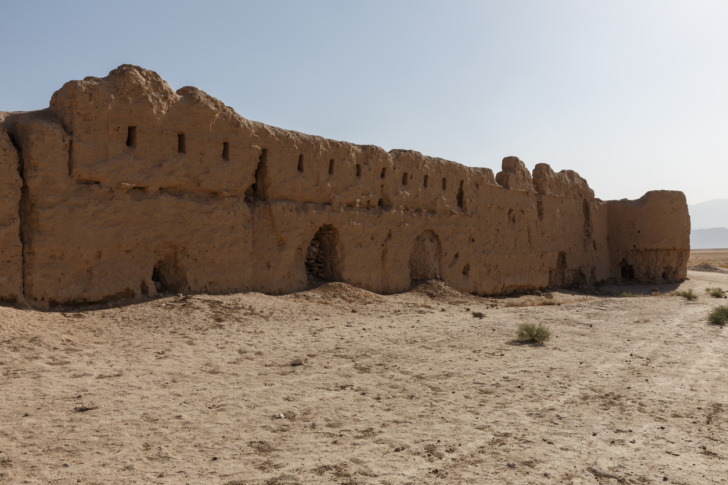
The Ancient City Area
Balkh’s historic core is the main reason travelers are interested in the city.
The ancient ruins, old settlement areas, and historic atmosphere make it one of Afghanistan’s most fascinating cultural destinations.
Safety here depends heavily on timing, local permission, and who is accompanying you.
Visit only during daylight, with a reliable guide, and avoid wandering into abandoned or unmarked areas.
The Shrine and Religious Sites
Balkh has important religious and cultural sites that can be meaningful stops for visitors.
These places may feel calm and respectful, but they are not automatically risk-free.
Religious sites in Afghanistan can sometimes be sensitive, crowded, or potential targets.
Dress conservatively, follow local etiquette, avoid photography unless clearly allowed, and never visit during tense local moments or large gatherings without guidance.
Daytime Markets
Markets can be interesting for observing local life, buying simple goods, and seeing the rhythm of the city.
They are safest during daylight and with a local guide who understands the area.
Keep valuables hidden, avoid political conversation, and do not photograph people, security forces, or official buildings.
A market visit should be short, low-profile, and practical.
Mazar-i-Sharif as a Base
For many travelers with unavoidable reasons to be in the region, Mazar-i-Sharif is the more practical base because it has more services, transport connections, and accommodation options than smaller towns.
Balkh can be visited from there only if current conditions allow it.
Even then, this should be handled as controlled travel, not casual independent sightseeing.
Places to Avoid in Balkh
Isolated Roads and Rural Areas
Avoid isolated roads, rural tracks, and villages unless travel is essential and arranged with trusted local support.
Rural areas may have poor communications, limited medical access, unexploded ordnance, and unpredictable security conditions.
A place that looks peaceful can still be risky if you do not know the local power structure, road status, or recent incidents.
Unmarked Ruins and Open Land
Afghanistan continues to face danger from mines and explosive remnants of war.
Do not walk across empty land, fields, abandoned structures, old military areas, or unmarked ruins.
Stay on clearly used paths and never touch unfamiliar metal, wires, shells, or debris.
Explosive ordnance remains a real danger in the country, and casualties continue to occur.
(ICRC)
Checkpoints and Security Sites
Do not photograph checkpoints, security personnel, military locations, government buildings, airports, or police posts.
Avoid lingering around these areas.
Checkpoints can be tense, and misunderstandings can become serious quickly.
Keep documents ready, stay calm, let your local guide handle communication, and do not argue or joke during inspections.
Crowded Gatherings
Avoid political gatherings, protests, large religious events, funerals, and public demonstrations.
Crowds can become dangerous because of security crackdowns, attacks, panic, or sudden movement.
Even a peaceful gathering can attract attention from authorities or hostile groups.
If you see a crowd forming, leave the area early rather than waiting to understand what is happening.
Night Travel
Avoid moving around Balkh after dark.
Streets can be poorly lit, transport is less reliable, and security risks increase at night.
If travel is unavoidable, it should be planned, direct, and handled by trusted drivers.
Casual evening wandering, late taxi rides, and walking alone are not smart choices here.
Safety Tips for Traveling to Balkh
- Do not treat Balkh like a normal tourist destination. Balkh is historically extraordinary, but the current safety environment is serious. This is not the kind of place where you book a hotel, show up, and freestyle your itinerary. Any visit should be based on current security information, reliable local contacts, and a clear reason to travel. If the purpose is simple sightseeing, the safest decision is not to go.
- Use a professional local operator. Independent travel is a bad idea in Balkh. A proper operator can arrange transport, permissions, guides, accommodation, timing, and local security checks. This does not remove the risk, but it reduces avoidable mistakes. Choose someone with recent experience in northern Afghanistan, not just a generic adventure travel company selling brave-sounding itineraries.
- Keep your profile low. Foreign visitors can attract attention. Dress conservatively, avoid flashy accessories, keep cameras discreet, and do not discuss politics, religion, the Taliban, women’s rights, foreign governments, or military history with strangers. This is not about pretending to be someone else. It is about not making yourself more noticeable than necessary.
- Carry documents carefully. Keep your passport, visa, local contact details, accommodation information, and emergency numbers secure. Carry copies separately from the originals. Be prepared for document checks, and let your guide handle conversations when possible. A paperwork problem in Afghanistan can become much more serious than it would in a regular tourist destination.
- Avoid photography unless clearly allowed. Photography is one of the easiest ways to get into trouble. Do not photograph security sites, government buildings, checkpoints, airports, police, military equipment, women, religious gatherings, or private homes. Even scenic shots can be misunderstood if the wrong thing is in the background. Ask first, and when in doubt, put the camera away.
- Stay away from unmarked land and abandoned objects. This is a major safety rule. Mines and unexploded ordnance remain a danger in Afghanistan. Do not wander through fields, ruins, empty lots, dry riverbeds, or abandoned buildings. Do not touch metal objects, shells, wires, boxes, or anything that looks military. Curiosity can be deadly here.
- Do not travel at night. Plan every movement during daylight. Night travel adds risk from crime, checkpoints, road hazards, poor visibility, and lack of help if something goes wrong. Even short distances can become complicated after dark. If your schedule requires night movement, rethink the schedule.
- Have a medical backup plan. Medical facilities in Afghanistan are limited, especially outside major cities. Bring a basic medical kit, prescription medicines, water purification tablets, stomach medication, oral rehydration salts, and any personal health supplies. Travel insurance may not cover Afghanistan under normal policies, so check coverage before travel and understand evacuation limits.
- Monitor the local situation daily. Security conditions can change quickly. Before moving around Balkh, check with local contacts, guides, accommodation staff, and any available security updates. Road closures, local disputes, attacks, official restrictions, or checkpoints can change plans immediately. Flexibility is not optional here. It is part of staying safe.
- Have an exit plan. Before arriving, know how you would leave the area if conditions deteriorate. Understand airport access, road routes, border limitations, and who can help you. Do not wait until a crisis begins to figure out transport. In high-risk destinations, the exit plan matters as much as the itinerary.
So... How Safe Is Balkh Really?
Balkh is not safe in the way most travelers mean when they ask, “Can I visit?”
It may not have daily headline-grabbing violence in every street, and some organized travelers do enter Afghanistan, but that does not make it a low-risk destination.
The difference between “possible” and “safe” is huge here.
The main issue is that risk in Balkh is layered.
There is the Afghanistan-wide security situation, including terrorism, kidnapping, crime, arbitrary detention, and weak emergency support.
There is the local travel risk, including checkpoints, limited transport reliability, and the need for trusted guides.
Then there is the physical environment: extreme weather, poor medical access, road danger, and unexploded ordnance.
Afghanistan remains one of the countries most affected by explosive remnants of war, with mine and ordnance casualties still reported in recent years.
For a heritage traveler, Balkh is heartbreaking because the historical value is enormous.
It is the kind of place that should be on cultural travel routes.
But for now, the responsible answer is blunt: Balkh is high risk.
If you have essential reasons to go, use expert support and strict security planning.
If you are choosing a destination for leisure travel, do not choose Balkh right now.
How Does Balkh Compare?
| City | Safety Index |
|---|---|
| Balkh |
26 |
| Bamiyan |
25 |
| Kandahar |
35 |
| Ghazni |
21 |
| Jalalabad |
20 |
| Kabul |
10 |
| Kunduz |
18 |
 Pittston Pittston | 74 |
| Thousand Oaks | 86 |
| New Rochelle | 77 |
| Allentown | 78 |
 Salford Salford | 43 |
| Stowe | 78 |
Useful Information

Visas
Most foreign visitors need a visa to enter Afghanistan, and requirements can vary by nationality, embassy access, and current Taliban administration rules. Do not assume visa processes are simple or consistent. Travelers should confirm requirements before planning anything and understand that having a visa does not guarantee safe or easy movement inside the country.

Currency
The local currency is the Afghan afghani. Cash is important because card payments and international banking access are limited. U.S. dollars may be useful for exchange, but bills should be clean and undamaged. Exchange money through trusted channels, avoid displaying cash, and carry small denominations for daily expenses.

Weather
Balkh has hot summers, cold winters, and dry conditions for much of the year. Summer heat can be intense, while winter can bring cold nights and difficult travel conditions. Pack modest clothing, sun protection, sturdy shoes, a warm layer in cooler months, and a scarf or head covering that fits local expectations.

Airports
The most practical airport for Balkh is in Mazar-i-Sharif, which serves northern Afghanistan. From there, Balkh is reached by road. Flight schedules, security conditions, and access can change, so airport travel should be arranged carefully. Do not assume late arrivals, casual taxis, or unplanned transfers will be safe or available.

Travel Insurance
Travel insurance for Afghanistan is complicated because many standard policies exclude high-risk or “do not travel” destinations. Anyone considering Balkh should check whether medical care, evacuation, kidnapping, detention, terrorism, and trip disruption are covered. In many cases, specialized high-risk travel insurance may be required, and even then support can be limited.
Balkh Weather Averages (Temperatures)
Average High/Low Temperature
| Temperature / Month | Jan | Feb | Mar | Apr | May | Jun | Jul | Aug | Sep | Oct | Nov | Dec |
|---|---|---|---|---|---|---|---|---|---|---|---|---|
| High °C |
10 | 12 | 18 | 24 | 32 | 37 | 39 | 37 | 31 | 25 | 18 | 12 |
| Low °C |
2 | 3 | 7 | 12 | 18 | 22 | 23 | 22 | 17 | 10 | 6 | 3 |
| High °F |
50 | 54 | 64 | 75 | 90 | 99 | 102 | 99 | 88 | 77 | 64 | 54 |
| Low °F |
36 | 37 | 45 | 54 | 64 | 72 | 73 | 72 | 63 | 50 | 43 | 37 |
Afghanistan - Safety by City
| City | Safety Index |
|---|---|
| Balkh | 26 |
| Bamiyan | 25 |
| Faizabad | 23 |
| Ghazni | 21 |
| Herat | 27 |
| Jalalabad | 20 |
| Kabul | 10 |
| Kandahar | 35 |
| Kunduz | 18 |












I’ve heard the history there is incredible, but honestly the risk factor makes me think twice about going anytime soon.
Have you heard if there’s any way to safely explore parts of Balkh for history buffs without taking big risks?