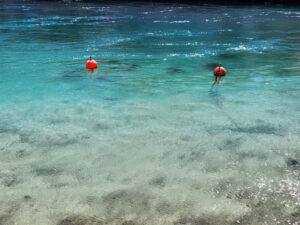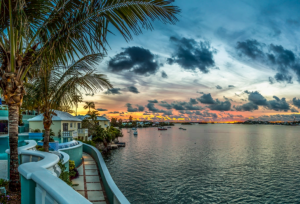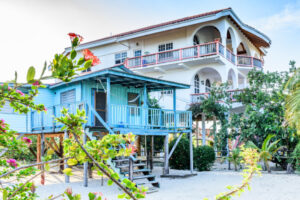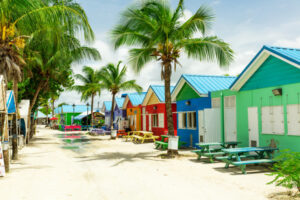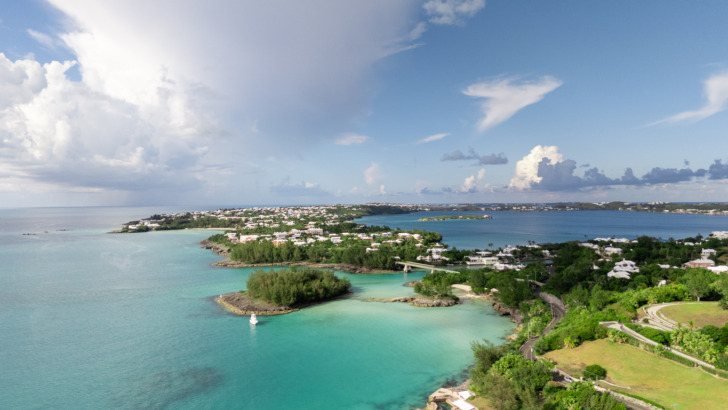
Somerset Village sits at the western end of Bermuda in Sandys Parish, surrounded by sheltered bays, pastel-colored homes, narrow roads, marinas, and some wonderfully quiet stretches of coastline.
It feels very different from Hamilton, with less urban activity and more of the relaxed residential atmosphere that makes Bermuda special.
Somerset is also close to historic Fort Scaur, Mangrove Bay, Somerset Bridge, beaches, ferry connections, and the large Royal Naval Dockyard complex farther north.
For travelers, this part of Bermuda is peaceful and generally very safe.
Serious crime against tourists is uncommon, and there are no obvious tourist no-go neighborhoods.
The real safety concerns are narrow roads, scooter accidents, hurricanes, strong ocean conditions, theft from unattended belongings, and the dangers of walking along poorly lit roads after dark.
Warnings & Dangers in Somerset Village

OVERALL RISK: LOW
Somerset Village is a low-risk destination for most travelers. Violent crime involving tourists is uncommon, residential areas are generally peaceful, and major attractions are well maintained. Visitors should still protect valuables, avoid isolated waterfront locations after dark, and take road safety seriously because Bermuda’s narrow streets can be challenging for pedestrians and inexperienced scooter riders.

TRANSPORT & TAXIS RISK: LOW
Public buses, ferries, and licensed taxis are generally safe. The medium rating comes from Bermuda’s roads, which can be narrow, winding, and bordered by walls with limited sidewalks. Scooters are especially risky for inexperienced visitors. Electric rental minicars are available, but drivers should take time to adjust to left-side traffic.

PICKPOCKETS RISK: LOW
Pickpocketing is uncommon in Somerset Village. Crowded ferries, festivals, cruise periods, beaches, and busy attractions around Dockyard create the greatest opportunities for petty theft. Keep phones and wallets secured, but there is little need for the intense anti-pickpocket precautions required in major European tourist cities.

NATURAL DISASTERS RISK: LOW
Hurricanes and tropical storms are the main natural hazard. Atlantic hurricane season officially runs from June through November, and Bermuda can experience powerful wind, flooding, dangerous surf, power outages, and transportation disruption. Severe storms do not hit constantly, but travelers visiting during hurricane season should monitor forecasts closely.

MUGGING RISK: LOW
Muggings are uncommon in Somerset Village, particularly during daylight and early evening. The risk increases slightly around isolated roads, waterfront areas, and quiet beaches after dark. Avoid displaying expensive jewelry or large amounts of cash and take a taxi rather than making a long nighttime walk along an empty road.

TERRORISM RISK: LOW
Somerset Village has a low terrorism risk. Bermuda is a small, stable British Overseas Territory and is not regarded as a significant international terrorism hotspot. Normal awareness at transportation facilities, public events, and busy visitor attractions is sufficient. Road accidents and severe weather are substantially more realistic concerns.

SCAMS RISK: LOW
Tourist scams are unusual. Travelers are more likely to encounter an unclear taxi fare, questionable vacation-rental advertisement, or overpriced excursion than organized street fraud. Book accommodation and marine activities through established providers, confirm prices beforehand, and remember that the official Bermuda Arrival Card is free.

WOMEN TRAVELERS RISK: LOW
Somerset Village is generally safe for women traveling alone. The community is quiet, English-speaking, and accustomed to visitors. Women should still avoid isolated beaches and unlit roads late at night, watch their drinks, use trusted taxis after evening outings, and secure doors and windows at vacation rentals.

TAP WATER RISK: LOW
Bermuda is famous for collecting rainwater from its white stepped roofs into underground tanks. Properly maintained and treated household water is generally safe to drink. However, quality can depend on the individual property’s tank and plumbing. Ask your hotel or rental host about drinking water if you are uncertain.
Safest Places to Visit in Somerset Village
Mangrove Bay
Mangrove Bay is one of the most peaceful waterfront areas around Somerset.
The protected water, moored boats, pastel buildings, and small village atmosphere make it a lovely place for a daytime walk.
The area is generally safe, and violent crime is not a realistic concern for the average visitor.
The bigger issue is traffic on nearby roads, so stay alert where sidewalks narrow or disappear.
Fort Scaur
Fort Scaur sits on higher ground overlooking the Great Sound and offers some of the best views in western Bermuda.
The historic fortifications and surrounding park are generally peaceful during daylight.
Wear shoes with reasonable grip, stay away from unsafe edges, and finish your visit before the surrounding park becomes deserted after dark.
Somerset Bridge
Somerset Bridge is a tiny historic drawbridge connecting Somerset Island with the rest of Bermuda.
It is often described as one of the world’s smallest working drawbridges and makes an interesting quick stop.
The bridge itself is safe, but traffic passes close by.
Do not stand in the roadway while trying to get the perfect photograph.
Cambridge Beaches Area
The coastline around Cambridge Beaches is one of the most attractive parts of Sandys Parish.
Beaches, sheltered coves, resort facilities, and waterfront views create a comfortable environment for visitors.
Public-access areas are generally safe during daylight.
Respect private resort property and always check water conditions before swimming or snorkeling.
Royal Naval Dockyard
The Royal Naval Dockyard is only a short journey from Somerset and is one of Bermuda’s busiest visitor areas.
Museums, restaurants, shops, ferry terminals, historic buildings, and cruise facilities provide plenty of activity and security.
Petty theft becomes slightly more likely when cruise passengers create large crowds, so keep your phone and wallet secured.
Places to Avoid in Somerset Village
Narrow Roads After Dark
Somerset’s residential roads are not crime hotspots, but many are poorly suited to nighttime walking.
Sidewalks can disappear, walls reduce visibility around bends, and vehicles may pass close to pedestrians.
Use a taxi or bus rather than walking long distances after dark, especially if you have been drinking.
Isolated Waterfront Areas Late at Night
Small docks, coves, boat ramps, and quiet sections of shoreline can become deserted quickly.
They are peaceful during the day but offer little reason for a tourist to remain alone after midnight.
Stay around active restaurants, accommodation, or populated public spaces.
Rocky Shorelines During Rough Seas
Bermuda’s water can change dramatically during storms or distant hurricanes.
Avoid exposed rocks, cliffs, and shoreline platforms when waves are breaking strongly.
A large wave can knock someone into the ocean even when the storm itself is far from Bermuda.
Empty Beaches After Sunset
Quiet western beaches can feel almost private, but isolation creates unnecessary risk after dark.
Lighting may be nonexistent and emergency help can be farther away.
Enjoy sunset, then return toward your hotel, rental property, restaurant, or an active public area.
Scooter Routes If You Are Inexperienced
There is no particular neighborhood tourists need to avoid, but inexperienced riders should think carefully before using a scooter on Bermuda’s narrow roads.
Blind corners, stone walls, wet pavement, traffic, and left-side driving create a much greater risk than most visitors expect.
Safety Tips for Traveling to Somerset Village
- Think carefully before renting a scooter. Scooters are part of the classic Bermuda experience, but they are also one of the island’s biggest visitor safety concerns. If you rarely ride motorcycles at home, Bermuda’s narrow roads are not the ideal classroom. Use buses, ferries, taxis, or an electric minicar instead if you are uncomfortable on two wheels.
- Remember that Bermuda drives on the left. Visitors from the United States and much of continental Europe need to consciously adjust. Look both ways before crossing, especially at intersections and driveways. If renting an electric minicar, drive slowly until left-side traffic becomes natural and be especially cautious around roundabouts.
- Avoid unnecessary road walking after dark. Somerset’s roads can be extremely narrow, with stone walls and vegetation reducing visibility around corners. Some sections have little or no sidewalk. Wear visible clothing if walking in the evening and use a taxi for longer journeys rather than hugging a dark roadside.
- Monitor hurricane forecasts. If visiting from June through November, check forecasts throughout your stay. Hotels and vacation rentals should have procedures for severe weather. Keep essential medication, identification, chargers, and some drinking water readily available. Follow local instructions immediately if authorities announce closures or shelter recommendations.
- Respect the ocean. Bermuda’s famous turquoise water can look deceptively gentle. Strong currents, waves, reefs, slippery rocks, and sudden changes in weather can all create hazards. Swim near other people, avoid entering rough water, and never jump from cliffs or rocks unless the location is specifically known to be safe.
- Secure valuables at beaches. Do not leave your passport, wallet, phone, or expensive camera unattended while swimming. Bring as little as possible to the beach and use a waterproof pouch for essentials. Vacation may temporarily erase your sense of time, but unfortunately it does not erase opportunistic theft.
- Use public ferries when practical. Bermuda’s ferry network is not merely scenic. It can be one of the safest and most enjoyable ways to travel between western Bermuda and Hamilton. Check the schedule before leaving because evening and seasonal services may differ, and do not assume ferries operate late into the night.
- Use sunscreen even on cloudy days. Bermuda’s ocean breezes can hide the strength of the sun. Use sunscreen, wear a hat, drink plenty of water, and take shade breaks during long beach days. Sunburn and dehydration are far more likely to affect the average Somerset visitor than serious crime.
- Protect your accommodation. Lock doors and windows when leaving your hotel room, cottage, or vacation rental. Use a safe for passports, extra money, and backup cards when available. Somerset is generally secure, but low crime is not the same as zero crime.
- Have travel insurance for weather disruptions. Bermuda is expensive, and unexpected medical care, additional hotel nights, or rearranged flights can become costly quickly. Choose insurance covering medical treatment, cancellation, baggage, severe weather, and transportation disruption. Hurricane-season visitors should purchase coverage before a storm becomes a known event.
So... How Safe Is Somerset Village Really?
Somerset Village is genuinely safe by international travel standards.
It is a small, largely residential community in one of Bermuda’s quieter western areas, and tourists are unlikely to encounter serious street violence while visiting its bays, forts, beaches, and historic sites.
Bermuda does experience crime, including theft, burglary, robbery, and occasional violent incidents.
However, tourists are not routinely targeted, and Somerset does not have a concentrated tourist crime district that visitors need to avoid.
Most travelers can comfortably explore during daylight without feeling threatened.
The more realistic dangers are environmental and transportation-related.
Bermuda’s roads are exceptionally narrow in places, and visitors unfamiliar with scooters or left-side driving can get into trouble quickly.
Pedestrians also need to be careful where sidewalks disappear.
Hurricanes are the other significant consideration.
Bermuda is built to handle severe weather better than many islands, but a powerful storm can still shut down buses and ferries, cancel flights, create dangerous surf, and interrupt electricity.
Water activities deserve normal caution as well.
Reefs, currents, rough seas, and slippery rocks can become hazardous even on an otherwise beautiful day.
My assessment is that Somerset Village deserves a low overall risk rating.
Families, couples, solo travelers, women traveling alone, and older visitors should feel comfortable here.
If you respect Bermuda’s roads, weather, and ocean, there is little reason to worry about visiting Somerset.
How Does Somerset Village Compare?
| City | Safety Index |
|---|---|
 Somerset Village Somerset Village |
88 |
| Flatts Village |
89 |
 Pamplona Pamplona | 81 |
 Delhi Delhi | 50 |
 Brampton Brampton | 82 |
 Chesterton Chesterton | 86 |
| Martinsville | 51 |
| Crown Point | 91 |
Useful Information

Visas
Bermuda does not issue its own standard entry visa for ordinary visitors. Travelers who normally require a visa must generally hold a valid multiple re-entry visa for the United Kingdom, United States, or Canada. Visitors must also complete Bermuda’s free Arrival Card and may need proof of accommodation and onward travel.

Currency
Somerset Village uses the Bermudian dollar, which is fixed at BMD 1 to USD 1. U.S. dollars are accepted throughout Bermuda at the same value, making currency exchange unnecessary for American visitors. Cards are widely accepted, but carrying some smaller cash is useful for buses, tips, and small purchases.

Weather
Somerset Village has a mild subtropical climate rather than year-round tropical heat. Summers are warm and humid, while winter is cooler and can be breezy. Pack lightweight clothing, sunscreen, and swimwear for summer. Winter visitors should add trousers, layers, and a light jacket. Hurricane season runs from June through November.

Airports
L.F. Wade International Airport is Bermuda’s only commercial airport and lies on the opposite, eastern end of the island from Somerset. The road journey commonly takes around 45 to 60 minutes depending on traffic. Taxis and prearranged transfers are easiest with luggage, while public buses are cheaper but less convenient.

Travel Insurance
Travel insurance is strongly recommended because Bermuda can be expensive and hurricanes can disrupt transportation. Choose coverage for medical treatment, evacuation, trip cancellation, baggage, flight delays, and severe weather. If traveling during hurricane season, purchase your policy before any threatening storm has already been officially identified.
Somerset Village Weather Averages (Temperatures)
Average High/Low Temperature
| Temperature / Month | Jan | Feb | Mar | Apr | May | Jun | Jul | Aug | Sep | Oct | Nov | Dec |
|---|---|---|---|---|---|---|---|---|---|---|---|---|
| High °C |
22 | 21 | 20 | 22 | 24 | 27 | 28 | 29 | 28 | 26 | 24 | 22 |
| Low °C |
18 | 17 | 17 | 18 | 20 | 22 | 24 | 25 | 24 | 22 | 20 | 18 |
| High °F |
72 | 70 | 68 | 72 | 75 | 81 | 82 | 84 | 82 | 79 | 75 | 72 |
| Low °F |
64 | 63 | 63 | 64 | 68 | 72 | 75 | 77 | 75 | 72 | 68 | 64 |
Bermuda - Safety by City
| City | Safety Index |
|---|---|
| Flatts Village | 89 |
| Somerset Village | 88 |