 Belize : Safety by City
Belize - safety as a country
Placencia sits at the southern tip of a long, narrow peninsula on Belize’s Caribbean coast, with the sea on one side and Placencia Lagoon on the other.
Once a quiet fishing village, it has grown into one of Belize’s best beach destinations without completely losing its laid-back personality.
Travelers come for warm water, sandy beaches, snorkeling, diving, fishing, Garifuna culture, and access to the Belize Barrier Reef.
The village itself is famously walkable, including a narrow pedestrian path often described as one of the world’s smallest main streets.
Placencia generally feels much calmer than Belize City, but that relaxed atmosphere should not make visitors careless.
Crime does occur, hurricanes are a serious seasonal concern, and water activities, mosquitoes, road conditions, and isolated beaches all require some common sense.
Warnings & Dangers in Placencia

OVERALL RISK: MEDIUM
Placencia is one of Belize’s more comfortable tourist destinations, but I would still give it a medium overall rating. Most travelers visit without serious problems, yet theft, robbery, assault, and other crimes can occur even in popular tourist areas. Stay in established accommodation, avoid isolated locations after dark, and use trusted transportation.

TRANSPORT & TAXIS RISK: MEDIUM
Taxis and hotel transfers are generally safe when arranged through reputable businesses. The larger concern is driving. Roads can be poorly lit, potholes appear quickly, and pedestrians, bicycles, motorcycles, animals, and vehicles may share narrow sections. Avoid long-distance driving after dark and confirm taxi fares before leaving.

PICKPOCKETS RISK: LOW
Placencia is not known for organized pickpocketing. Opportunistic theft is more realistic, particularly when travelers leave phones, wallets, cameras, or bags unattended at beaches and bars. Keep valuables secured during festivals, nightlife, and busy waterfront events, and never assume a towel is adequate protection for your belongings.

NATURAL DISASTERS RISK: MEDIUM
Placencia is highly exposed to tropical weather because it sits on a narrow Caribbean peninsula. Hurricane season runs from June through November, with the greatest concern generally from August through October. Tropical storms can bring flooding, storm surge, power outages, rough seas, and evacuation orders.

MUGGING RISK: MEDIUM
Armed robbery and mugging are possible in Belize, including tourist destinations. The risk in central Placencia is lower than in Belize City, but isolated roads, beaches, parking areas, and poorly lit streets become less comfortable after dark. Avoid flashing cash or jewelry and do not physically resist an armed robber.

TERRORISM RISK: LOW
Placencia has a low terrorism risk. Belize is not considered a significant international terrorism hotspot, and travelers are much more likely to encounter ordinary crime, tropical weather, road accidents, or water-related emergencies. Normal awareness at festivals, transportation hubs, and crowded public gatherings is sufficient.

SCAMS RISK: LOW
Scams are usually minor. Visitors may encounter inflated taxi prices, unofficial tour offers, unclear fishing or snorkeling costs, or poor currency conversion. Confirm prices before accepting transportation or excursions, and book marine activities through established operators with proper boats, safety equipment, and experienced guides.

WOMEN TRAVELERS RISK: MEDIUM
Women, including solo travelers, visit Placencia successfully, but extra caution is worthwhile. Sexual assault and harassment occur in Belize, and isolated beaches or streets become riskier after dark. Women traveling alone should use trusted transportation at night, watch their drinks, and avoid returning to remote accommodation on foot.

TAP WATER RISK: MEDIUM
Water quality can depend on the specific property and its plumbing or storage system. Some accommodation providers consider their water drinkable, but short-term visitors may prefer bottled or properly filtered water, particularly if they have sensitive stomachs. Ask your hotel directly and avoid untreated lagoon, river, or rainwater.
Safest Places to Visit in Placencia
Placencia Village
Placencia Village is the best place for first-time visitors to get comfortable.
Restaurants, small hotels, cafes, tour offices, beach bars, supermarkets, and regular pedestrian traffic make the central village feel lively without being overwhelming.
Daytime and early evening are generally comfortable for walking.
Keep valuables secured and avoid drifting onto deserted beach sections after nightlife winds down.
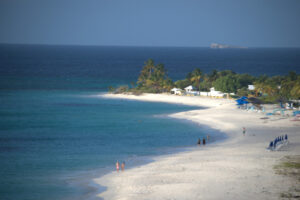
Placencia Beach
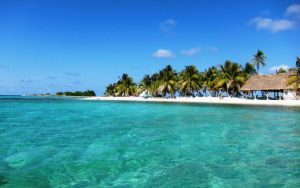
The main beach is one of the area’s biggest attractions and generally safe while other visitors are around.
The water is often inviting, and resorts, restaurants, and guesthouses provide activity along much of the shoreline.
Keep someone with your belongings while swimming and ask locally about currents, jellyfish, or rough conditions before entering the water.
Placencia Sidewalk
The famous pedestrian walkway through the village is one of Placencia’s most enjoyable areas.
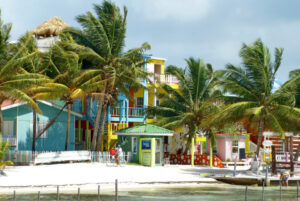
Shops, restaurants, colorful houses, and small businesses line sections of the route.
It is safe during normal activity hours, although lighting becomes less consistent in quieter sections at night.
Walk with others after late dinners or drinks.
Laughing Bird Caye
Laughing Bird Caye is a protected Caribbean island and popular snorkeling destination reached by boat from Placencia.
Trips are safest when booked through licensed, established operators.
Wear a life jacket during transfers, use reef-safe sun protection, follow snorkeling instructions, and never touch coral or marine wildlife.
Seine Bight During Organized Visits
Seine Bight, north of Placencia Village, is an important Garifuna community and offers a deeper look at local culture.
Visit during daylight or as part of an organized cultural or food experience.
Travelers unfamiliar with the area should avoid wandering around late at night and use locally recommended transportation.
Places to Avoid in Placencia
Empty Beaches After Dark
Placencia’s beaches can feel wonderfully peaceful, but that isolation becomes a disadvantage after dark.
Avoid long solo walks on deserted stretches of shoreline, particularly if you are carrying a phone, camera, or money.
Stay near active resorts, bars, restaurants, and illuminated public areas.
Isolated Roads on the Peninsula
Parts of the peninsula road pass through quieter residential, undeveloped, and resort areas.
Walking these stretches late at night is unnecessary, especially where lighting or sidewalks are limited.
Use a taxi instead, even when the distance does not look especially far on a map.
Seine Bight Late at Night
Seine Bight is a real community rather than a tourist no-go zone, and visitors should not treat it negatively.
However, foreign travelers unfamiliar with the area have little reason to wander there alone late at night.
Visit during daylight, attend organized cultural experiences, and return using reliable transportation.
Placencia Lagoon Shoreline
The lagoon side of the peninsula is quieter than the Caribbean beach and contains mangroves and wildlife habitat.
Saltwater crocodiles occur in Belize and may use lagoon environments.
Do not swim in unfamiliar lagoon water, approach crocodiles, feed wildlife, or walk through isolated mangrove areas after dark.
Remote Coastal and Jungle Areas Without a Guide
Placencia is a base for excursions into southern Belize, but remote waterfalls, rivers, jungle roads, and coastal areas should not be explored casually.
Mobile reception may disappear, roads can deteriorate, and medical help can be far away.
Use experienced local guides for unfamiliar locations.
Safety Tips for Traveling to Placencia
- Do not leave valuables unattended on the beach. A phone, wallet, room key, and camera sitting under a towel are easy targets. Bring as little as possible to the beach and use a waterproof pouch when swimming. Keep passports, backup cards, and larger amounts of cash locked securely at your accommodation.
- Use taxis after dark. Placencia feels relaxed enough to encourage walking everywhere, but nighttime changes the safety equation. Streets and beaches become quieter, and lighting can be inconsistent outside central areas. Ask your hotel or restaurant to call a known taxi instead of walking alone along deserted roads.
- Prepare for hurricane season. If visiting from June through November, follow tropical weather forecasts closely. Know your hotel’s hurricane and evacuation procedures and keep passports, medication, money, and electronics easy to grab. If authorities recommend evacuation from the peninsula, leave early rather than waiting to see how bad the storm becomes.
- Book reef trips through established operators. Snorkeling, diving, fishing, and island excursions are among the best things to do in Placencia. Choose operators that provide life jackets, functioning communication equipment, trained guides, and weather monitoring. Do not board an overloaded boat or participate when sea conditions look unsafe.
- Take mosquito protection seriously. Mosquito-borne illnesses occur in Belize. Use insect repellent, especially around sunrise, sunset, mangroves, and rainy periods. Air-conditioned or screened accommodation provides additional protection. Lightweight long sleeves and trousers can help when spending evenings near vegetation or lagoon areas.
- Do not wander around heavily intoxicated. Placencia has beach bars and nightlife, and alcohol can make a low-risk situation much worse. Stay with people you trust, keep your drink in sight, and avoid walking home alone while visibly intoxicated. Arrange transportation before your evening gets too ambitious.
- Drive carefully on the peninsula. Road conditions vary, and nighttime visibility may be poor. Watch for bicycles, pedestrians, dogs, motorcycles, speed bumps, and vehicles without the lighting you expect. Avoid speeding and never drink and drive. Allow more time for journeys than the distance suggests.
- Keep cash divided. Belize remains more cash-oriented than many visitors expect. Carry only what you need for the day and keep emergency funds elsewhere. Do not openly count large amounts of money. U.S. dollars are widely accepted, but always understand whether the quoted price is in Belize dollars or U.S. dollars.
- Respect wildlife. Crocodiles, snakes, marine animals, and insects are part of Belize’s tropical environment. Do not feed crocodiles or approach them for photographs. Avoid touching coral, rays, turtles, or unfamiliar sea creatures. When hiking inland, wear proper footwear and follow your guide’s instructions.
- Have travel insurance with evacuation coverage. Placencia has basic medical services, but serious injuries or illnesses may require transportation to a larger facility or even evacuation abroad. Choose coverage for medical treatment, evacuation, hurricanes, boat activities, diving if applicable, theft, cancellations, and delayed flights.
So... How Safe Is Placencia Really?
Placencia is one of the more comfortable places to visit in Belize, but it should not be described as crime-free.
Belize as a whole requires increased caution because violent crime, including armed robbery, assault, and sexual assault, can affect both residents and visitors.
Tourist destinations such as Placencia are not completely immune.
That said, Placencia feels very different from the parts of Belize City associated with the country’s highest levels of gang violence.
The peninsula has a strong tourism economy, established resorts, active restaurants, experienced tour operators, and a steady flow of international visitors.
For the average tourist, opportunistic theft is more likely than serious violence.
Leaving belongings unattended on a beach, walking alone on deserted roads after midnight, getting extremely drunk, or displaying large amounts of cash all raise your risk unnecessarily.
Natural hazards deserve equal attention.
Placencia’s narrow coastal geography makes hurricanes and storm surge particularly important.
Water activities add another layer of risk, while mosquitoes and tropical illness require prevention.
I assess that Placencia deserves a medium overall rating, but careful travelers can reduce their personal risk considerably.
Stay in established accommodation, use trusted taxis, avoid isolated areas at night, secure your valuables, and take hurricane warnings seriously.
With those precautions, Placencia remains one of Belize’s most appealing places for a relaxed Caribbean-style trip.
How Does Placencia Compare?
| City | Safety Index |
|---|---|
| Placencia |
84 |
| San Ignacio |
78 |
| Belize City |
30 |
| Corozal |
74 |
| Caye Caulker |
82 |
 New Bern New Bern | 77 |
 Queretaro City Queretaro City | 63 |
 Lucerne Lucerne | 91 |
| Fort Collins | 80 |
 Atakor Atakor | 52 |
| Fort Scott | 57 |
Useful Information

Visas
Citizens of the United States, Canada, the United Kingdom, European Union countries, and several other nations can generally visit Belize without obtaining a tourist visa in advance. Visitors are commonly admitted for up to 30 days, with extensions available. Travelers should carry a valid passport, accommodation details, and proof of onward travel.

Currency
Placencia uses the Belize dollar, which is fixed at BZ$2 to US$1. U.S. dollars are widely accepted, although change is frequently returned in Belize dollars. Cards work at many hotels and restaurants, but cash remains useful for taxis, small shops, tips, food stands, and local excursions.

Weather
Placencia has a warm tropical climate throughout the year. The drier period generally runs from February through May, while June through November is wetter and overlaps with hurricane season. Pack lightweight clothing, strong sunscreen, insect repellent, a hat, sandals, comfortable walking shoes, and a lightweight waterproof layer.

Airports
Placencia Airport is a small domestic airport with short flights connecting the peninsula to Belize City and other destinations within Belize. Most international travelers arrive through Philip S. W. Goldson International Airport near Belize City and continue by domestic flight, private transfer, shuttle, bus, or rental car.

Travel Insurance
Travel insurance is strongly recommended for Placencia. Choose a policy covering emergency medical treatment, evacuation, theft, lost luggage, cancellations, and hurricane-related disruption. If you plan to scuba dive, snorkel, fish, kayak, or take boat excursions, confirm those activities are covered rather than assuming they are automatically included.
Placencia Weather Averages (Temperatures)
Average High/Low Temperature
| Temperature / Month | Jan | Feb | Mar | Apr | May | Jun | Jul | Aug | Sep | Oct | Nov | Dec |
|---|---|---|---|---|---|---|---|---|---|---|---|---|
| High °C |
26 | 28 | 29 | 31 | 31 | 31 | 31 | 31 | 31 | 31 | 29 | 27 |
| Low °C |
20 | 21 | 22 | 23 | 24 | 25 | 25 | 25 | 25 | 24 | 22 | 21 |
| High °F |
79 | 82 | 84 | 88 | 88 | 88 | 88 | 88 | 88 | 88 | 84 | 81 |
| Low °F |
68 | 70 | 72 | 73 | 75 | 77 | 77 | 77 | 77 | 75 | 72 | 70 |
Belize - Safety by City
| City | Safety Index |
|---|---|
| Belize City | 30 |
| Caye Caulker | 82 |
| Corozal | 74 |
| Placencia | 84 |
| San Ignacio | 78 |