 Belize : Safety by City
Belize - safety as a country
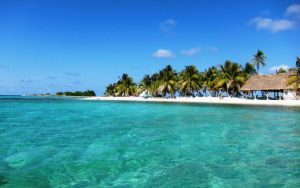
Caye Caulker is a tiny Caribbean island off the coast of Belize, about 20 miles northeast of Belize City and just south of Ambergris Caye.
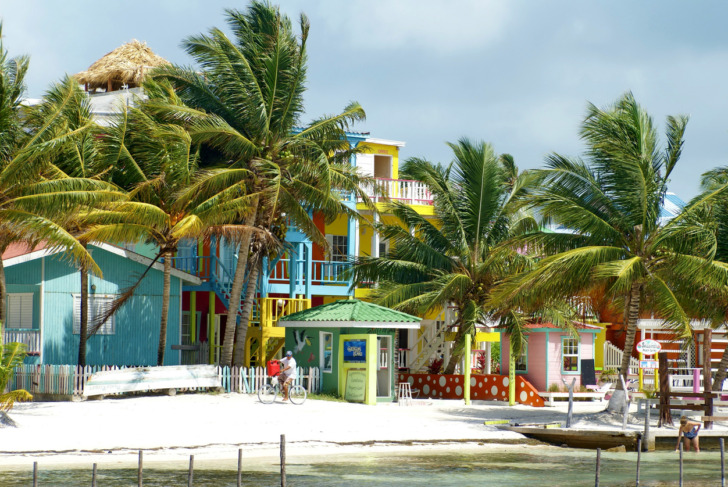
Barely a few miles long, the island has built its entire personality around the phrase “Go Slow,” and it takes that job seriously.
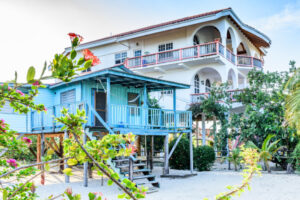
There are sandy streets, bicycles, golf carts, colorful guesthouses, seafood grills, reggae bars, snorkeling boats, and almost no reason to hurry anywhere.
The Belize Barrier Reef lies just offshore, making Caye Caulker an excellent base for snorkeling and diving.
Safety is generally good by Belizean standards, particularly compared with parts of Belize City.
However, visitors should not become careless.
Theft, occasional violent crime, alcohol-related incidents, hurricanes, rough seas, and poorly planned water activities are the main concerns.
Warnings & Dangers in Caye Caulker

OVERALL RISK: LOW
Caye Caulker is generally a low-risk destination for tourists, particularly during daylight and around the busy village center. Most travelers visit without experiencing serious crime. However, Belize has higher crime levels than many Caribbean destinations, and robberies or assaults occasionally occur even in tourist areas. Normal precautions remain necessary.

TRANSPORT & TAXIS RISK: LOW
Caye Caulker has almost no conventional car traffic. Visitors mainly walk, cycle, or use golf-cart taxis. Transportation is generally safe, although sandy roads, bicycles, pedestrians, nighttime darkness, and inexperienced golf-cart drivers can cause accidents. Water taxis are reliable, but rough weather may delay or cancel services.

PICKPOCKETS RISK: MEDIUM
Organized pickpocketing is not a major feature of Caye Caulker, but opportunistic theft does happen. Phones, wallets, cameras, bicycles, and bags left unattended are tempting targets. Be particularly careful around bars, docks, crowded events, beaches, and shared accommodation. Lock doors and windows whenever leaving your room.

NATURAL DISASTERS RISK: HIGH
Caye Caulker is extremely exposed to hurricanes, storm surge, flooding, and tropical storms because the island is flat and low-lying. Hurricane season officially runs from June through November. Severe storms can force evacuation from the cayes, stop ferries, interrupt electricity, and temporarily make the island unsafe.

MUGGING RISK: MEDIUM
Muggings and armed robberies are not everyday tourist experiences on Caye Caulker, but they have occurred in Belizean tourist destinations. Avoid empty streets and isolated sections of the island late at night, especially when carrying visible valuables. Use a golf-cart taxi if returning to accommodation far from the central village area.

TERRORISM RISK: LOW
The terrorism risk on Caye Caulker is low. Belize does not have a significant recent pattern of international terrorist attacks, and this small island is not a prominent target. Travelers should maintain basic awareness in transportation facilities and crowded events, but terrorism should not be a major factor when planning a visit.

SCAMS RISK: LOW
Scams are generally mild. Visitors may encounter overpriced unofficial tours, unclear golf-cart charges, questionable vacation rentals, or people offering informal excursions. Confirm prices before paying and book snorkeling, diving, fishing, and transportation through established businesses. Be skeptical of any deal that requires an unusually large cash deposit.

WOMEN TRAVELERS RISK: MEDIUM
Caye Caulker is popular with solo women and backpackers, and most feel comfortable during ordinary daytime travel. The risk increases after dark, particularly around drinking, isolated roads, and quiet accommodation areas. Women should avoid walking alone late at night, control their drinks, and use a trusted golf-cart taxi when necessary.

TAP WATER RISK: MEDIUM
Travelers should ask their accommodation whether the tap water is recommended for drinking. Water systems and storage arrangements vary between properties, and many visitors prefer purified or bottled water. Sealed drinking water is easy to find. Staying hydrated is especially important during snorkeling trips, hot afternoons, and nights involving alcohol.
Safest Places to Visit in Caye Caulker
The Split
The Split is Caye Caulker’s best-known gathering place, created when a channel divided the island.
Today, the surrounding waterfront is lined with swimming areas, bars, docks, music, and places to relax.
It is busiest during daylight and around sunset, which makes it one of the more comfortable areas for travelers.
Keep belongings within sight while swimming and stay away from boat traffic and strong currents passing through the channel.
Front Street and the Village Center
The central stretch of the island contains restaurants, tour companies, guesthouses, shops, bakeries, and cafés.
It receives regular pedestrian traffic and is generally one of the easiest places for first-time visitors.
Crime risk is relatively low during the day, but secure your phone and wallet when bars become crowded at night.
Caye Caulker Marine Reserve
The marine reserve is one of the island’s biggest reasons to visit.
Snorkeling tours may include coral gardens, rays, nurse sharks, turtles, and other marine life.
Use an established operator with proper safety equipment.
Listen to guides, remain with the group, and never touch coral or wildlife simply because another tourist does.
The Western Waterfront
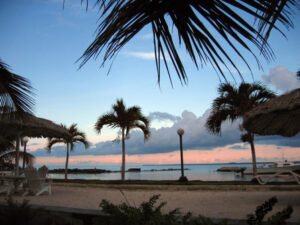
The western side of Caye Caulker offers calmer views, sunset spots, small restaurants, and quieter accommodations.
It is pleasant during daylight and early evening.
Some sections become very quiet at night, so arrange transportation if your accommodation is farther from the central village.
Places to Avoid in Caye Caulker
Caye Caulker does not have clearly defined dangerous neighborhoods.
The places worth avoiding are mostly determined by isolation, darkness, weather, and ocean conditions.
Isolated Northern Areas After Dark
The northern part of the island is less developed than the main village.
While it can be enjoyable to explore during the day, quiet roads and undeveloped sections become much more isolated after sunset.
Avoid wandering alone into unfamiliar northern areas late at night.
Take a golf cart taxi when possible, and know exactly how you are getting back before heading out.
Empty Beach and Dock Areas Late at Night
Small docks and waterfront areas may seem perfectly harmless during the day but become deserted later.
Avoid sitting alone on remote docks or walking along dark waterfront sections after drinking.
Falling into the water is another concern, particularly where docks lack railings or adequate lighting.
The Water During Storm Warnings
Do not swim, kayak, snorkel, or take unnecessary boat trips when strong winds, thunderstorms, or tropical weather is approaching.
Water-taxi operators and tour companies may suspend services for good reason.
If an evacuation is recommended during a hurricane threat, leave the island rather than hoping the storm changes direction.
Unofficial Boat Excursions
Avoid random boat operators who cannot clearly explain their company, equipment, itinerary, or safety procedures.
A cheap reef trip is not a bargain if the boat lacks life jackets, communication equipment, or a responsible captain.
Belize City Southside During Transfers
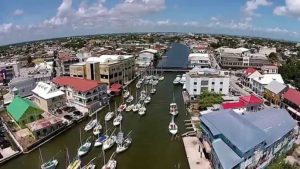
Many travelers pass through Belize City when traveling between the international airport and Caye Caulker.
Do not turn a transfer into an unplanned walk through unfamiliar parts of Southside Belize City, where serious gang-related violence is concentrated.
Use a taxi directly between the airport and the water-taxi terminal.
Safety Tips for Traveling to Caye Caulker
- Secure your room whenever you leave. Caye Caulker’s relaxed atmosphere makes visitors unusually trusting. Lock doors and windows even when leaving for breakfast or a quick swim. Use a room safe when available and keep passports, backup cards, and unnecessary cash secured. Ground-floor rooms should receive extra attention because windows and patios may be easily accessible.
- Do not leave valuables unattended while swimming. The island lifestyle revolves around water, which creates a simple problem: everyone wants to swim while nobody wants to watch the bags. Bring as little as possible to the beach, use a waterproof pouch, or rotate who stays with belongings. Never leave passports, expensive cameras, or a wallet sitting under a towel.
- Use reputable snorkeling and diving operators. The Belize Barrier Reef is spectacular, but the sea deserves respect. Choose companies with good equipment, life jackets, experienced guides, and clear safety briefings. Tell the crew if you are not a strong swimmer. Do not feel pressured to enter rough water simply because everyone else jumps in.
- Avoid walking alone late at night. Central Caye Caulker is generally comfortable, but the island becomes dramatically quieter away from restaurants and bars. If your accommodation is far away, use a golf cart taxi. This matters even more after drinking, when navigation, balance, and judgment are all worse.
- Watch golf carts and bicycles. The absence of normal car traffic makes Caye Caulker feel pedestrian-friendly, but golf carts and bicycles still move quickly through narrow sandy streets. Look both ways before stepping out and keep children close. If renting a bicycle, use lights after dark and lock it whenever you stop.
- Take hurricane warnings seriously. Caye Caulker is flat and highly vulnerable to storm surge. During hurricane season, monitor forecasts daily and understand your accommodation’s evacuation plan. Keep documents, medication, cash, and electronics together. If authorities advise visitors to leave the cayes, go early rather than waiting until ferries become crowded or suspended.
- Be sensible around nightlife. The island has beach bars and a social backpacker scene, but alcohol increases every other risk. Watch your drink, avoid unnecessary arguments, and stay with people you trust. Do not accept unknown drugs, and remember that swimming after heavy drinking is especially dangerous.
- Protect yourself from the sun. Belize’s tropical sun is intense even when Caribbean breezes keep the temperature comfortable. Use high-SPF sunscreen, wear a hat and sunglasses, and reapply protection after swimming. Drink plenty of water during reef tours, especially when spending several hours on an exposed boat.
- Plan your Belize City transfer beforehand. Philip S. W. Goldson International Airport is outside Belize City, while water taxis depart from the city waterfront. Arrange an official taxi directly between the two. Keep luggage with you and avoid accepting sightseeing detours or transportation offers from strangers around terminals.
- Keep enough flexibility for ferry delays. Do not schedule a water taxi from Caye Caulker immediately before an international flight. Weather, mechanical problems, and rough seas can delay boats. Return to the mainland with enough time to handle disruptions, particularly during the wet season. Missing an afternoon in paradise is annoying. Missing an international flight is considerably worse.
So... How Safe Is Caye Caulker Really?
Caye Caulker is safer than Belize’s national crime statistics might initially make travelers think.
Much of Belize’s most serious gang-related violence is concentrated in particular parts of Belize City rather than on small tourism islands.
Caye Caulker has a very different atmosphere, with guesthouses, restaurants, dive shops, families, backpackers, and tourism businesses packed into a compact village.
That does not mean serious crime is impossible.
Armed robbery, assault, sexual violence, and theft have occurred in Belizean tourist destinations, including Caye Caulker.
Travelers should avoid isolated areas at night and resist the temptation to treat the island like a private resort.
Environmental safety matters just as much.
Caye Caulker is a low-lying island exposed to hurricanes and storm surge.
During severe tropical weather, remaining on the island can become dangerous, and evacuation may be recommended.
Water activities also require responsible operators and respect for changing sea conditions.
Overall, I rate Caye Caulker as low risk with some important medium and high-risk categories.
Stay around active areas after dark, secure your belongings, choose reputable boat operators, and take tropical weather seriously.
With those precautions, Caye Caulker remains one of Belize’s easiest and most enjoyable island destinations.
How Does Caye Caulker Compare?
| City | Safety Index |
|---|---|
| Caye Caulker |
82 |
| Corozal |
74 |
| Belize City |
30 |
| San Ignacio |
78 |
| Placencia |
84 |
 Metairie Metairie | 61 |
| Santa Fe | 32 |
 Siargao Siargao | 73 |
| Siquijor | 78 |
| Saratoga Springs | 74 |
 Brighton Brighton | 67 |
Useful Information

Visas
Citizens of the United States, Canada, the United Kingdom, European Union countries, and many other nations do not need a visa for short tourist visits to Belize. Visitors are commonly granted an initial stay of up to 30 days, with extensions available. Travelers should carry a valid passport and proof of onward travel.

Currency
Belize uses the Belize dollar, which is fixed at BZ$2 to US$1. U.S. dollars are widely accepted on Caye Caulker, although change may be returned in Belize dollars. Cards are accepted at many hotels and restaurants, but cash remains useful for small businesses, golf-cart taxis, tips, and local food stands.

Weather
Caye Caulker is warm throughout the year. The drier season generally runs from around December through April or May, while wetter conditions become more common from June onward. Hurricane season lasts from June through November. Pack lightweight clothing, rain protection, sunscreen, insect repellent, and shoes that tolerate sand and water.

Airports
Caye Caulker has a small airport handling domestic flights, including connections with Belize City. Most international visitors arrive at Philip S. W. Goldson International Airport and transfer by taxi to the Belize City marine terminal. High-speed water taxis reach Caye Caulker in roughly 45 minutes and operate several times daily.

Travel Insurance
Travel insurance is strongly recommended, particularly during hurricane season or when snorkeling, diving, fishing, or boating. Coverage should include medical treatment, evacuation, storm disruption, canceled ferries, stolen belongings, and missed flights. Divers should confirm that their policy covers diving depth, equipment, and emergency recompression treatment.
Caye Caulker Weather Averages (Temperatures)
Average High/Low Temperature
| Temperature / Month | Jan | Feb | Mar | Apr | May | Jun | Jul | Aug | Sep | Oct | Nov | Dec |
|---|---|---|---|---|---|---|---|---|---|---|---|---|
| High °C |
28 | 29 | 30 | 31 | 32 | 32 | 32 | 32 | 32 | 31 | 29 | 29 |
| Low °C |
21 | 22 | 23 | 24 | 25 | 26 | 26 | 26 | 25 | 24 | 22 | 21 |
| High °F |
82 | 84 | 86 | 88 | 90 | 90 | 90 | 90 | 90 | 88 | 84 | 84 |
| Low °F |
70 | 72 | 73 | 75 | 77 | 79 | 79 | 79 | 77 | 75 | 72 | 70 |
Belize - Safety by City
| City | Safety Index |
|---|---|
| Belize City | 30 |
| Caye Caulker | 82 |
| Corozal | 74 |
| Placencia | 84 |
| San Ignacio | 78 |