


 United Kingdom : Safety by City
- Aberdeen
- Bath
- Belfast
- Birmingham
- Bradford
- Brighton
- Bristol
- Cambridge
- Canterbury
- Cardiff
- Coventry
- Dundee
- Edinburgh
- Exeter
- Glasgow
- Inverness
- Leeds
- Leicester
- Liverpool
- London
- Manchester
- Newcastle upon Tyne
- Northern Ireland
- Nottingham
- Oxford
- Peterborough
- Salford
- Scotland
- Sheffield
- Southampton
- Surrey
- York
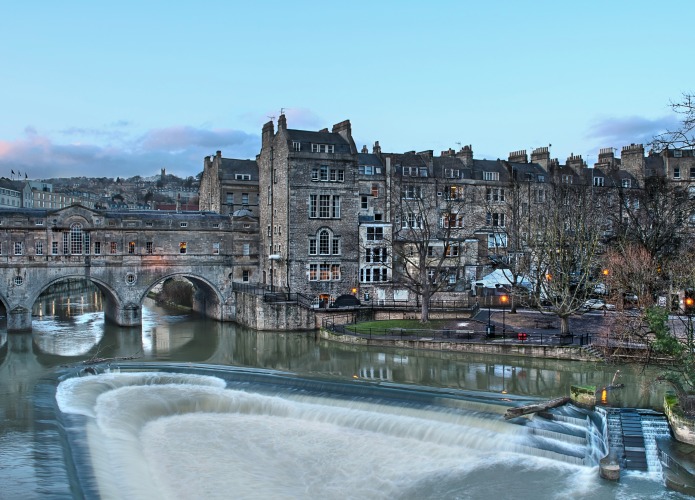
Bath is one of those rare cities that feels elegant without being stiff.
Tucked into southwest England in Somerset, it sits on the River Avon and is famous for its Roman baths, honey-colored Georgian architecture, and compact, walkable center.
It is a UNESCO World Heritage city, but it does not feel like a museum piece.
It feels lived-in, polished, and very easy for travelers to navigate.
What I like about Bath is that it delivers the postcard version of England without the chaos you sometimes get in larger cities.
You can walk from Bath Abbey to the Royal Crescent in minutes, stop for tea, duck into museums, and still be back at your hotel before dark.
Safety-wise, that small scale works in Bath’s favor, though visitors should still keep an eye on petty theft, nightlife-related disorder, and flood alerts during wetter periods.
Warnings & Dangers in Bath

OVERALL RISK: LOW
Bath is generally a low-risk destination for tourists. It has the advantages of a compact historic center, strong transport links, and a reputation as a welcoming city for visitors, including solo travelers. That said, low risk does not mean zero risk. The busiest central areas still see theft, anti-social behavior, and some violent incidents, especially around nightlife and retail zones.

TRANSPORT & TAXIS RISK: LOW
Getting around Bath is usually straightforward. The city center is walkable, Bath Spa station is central, and Bristol Airport has direct bus options to the city. The main transport risks are practical rather than serious: late-night intoxicated passengers, overpriced unofficial rides, and occasional confusion during diversions or peak visitor periods. Use licensed taxis or pre-booked services and you should be fine.

PICKPOCKETS RISK: LOW
Bath is not a classic high-pickpocket city in the European sense, but theft still happens where tourists bunch together. Busy shopping streets, the area around Bath Abbey and the Roman Baths, Christmas markets, and crowded rail platforms are where I would be most alert. The local city-centre data also shows theft categories and shoplifting are part of the normal crime mix.

NATURAL DISASTERS RISK: LOW
Bath does not face major earthquake, hurricane, or extreme-wildfire danger, but flooding is the natural hazard worth taking seriously. The city sits on the River Avon, and the local council specifically directs residents and visitors to check flood warnings, long-term flood risk, and weather warnings. In practical terms, travelers should watch conditions during periods of heavy rain rather than worry about dramatic natural disasters.

MUGGING RISK: LOW
Mugging is not one of the main risks that defines a trip to Bath. Violent crime does appear in city-centre reporting, but for most visitors the bigger real-world issues are late-night disorder, alcohol-related incidents, and being careless when walking alone after bars close. Sensible route choices, especially late at night, reduce risk a lot.

TERRORISM RISK: MEDIUM
For Bath itself, the day-to-day terrorism risk feels low, but the national UK threat level is currently classed as substantial, meaning an attack is likely at the national level. That does not mean Bath is a high-danger city, only that travelers should stay alert in crowded public places, transport hubs, and major events, just as they would elsewhere in the UK.

SCAMS RISK: LOW
Bath is not known for heavy tourist scam activity, but standard travel scams can still pop up. Think fake charity approaches, inflated taxi fares from unbooked drivers, dubious ticket resellers, or overpriced short-term accommodation listings. In a polished city like Bath, the scams are usually subtle and financial rather than aggressive. Book directly, pay by card when possible, and do not trust last-minute street offers.

WOMEN TRAVELERS RISK: LOW
Bath is one of the easier UK cities for women traveling alone. Its small footprint, busy central streets, and strong visitor infrastructure all help. Tourism authorities actively market it as a solo-friendly destination, and its Purple Flag reputation points to a managed and welcoming evening economy. Usual precautions still apply after dark, especially around nightlife spill-out areas and quiet residential streets.

TAP WATER RISK: LOW
Tap water in Bath is generally safe to drink. England’s drinking water is regulated, and water in the region is clean, reliable, and consistently high quality. Do not confuse that with the historic bath water at the Roman Baths, which is specifically not suitable for drinking or bathing. Hotel bathroom taps are usually fine unless clearly marked otherwise.
Safest Places to Visit in Bath
The safest parts of Bath for most travelers are also the places you will probably want to spend the most time.
The central heritage zone around Bath Abbey, the Roman Baths, and the main pedestrian streets is busy, well-known, and easy to navigate.
During the day, there are plenty of other visitors around, lots of staff presence, and clear sightlines, which makes the city feel comfortable even for first-time visitors.
The Royal Crescent and The Circus are also good bets.
These areas are residential, polished, and popular without feeling rowdy.
I would also put Prior Park, Parade Gardens, and the Bathwick side of the city in the safer-and-calmer category for tourists who want a gentler pace.
Bath is small enough that you can enjoy quieter neighborhoods without feeling remote.
Milsom Street and the upper shopping streets are usually comfortable in daylight and early evening, especially if you want cafés, boutiques, and a little more local polish than pure sightseeing.
Around Bath Spa station, things stay active enough that arriving by train does not usually feel stressful, though you should still stay aware of your bags.
For solo visitors, I especially like Bath because so much of the city is designed for walking rather than navigating confusing transport interchanges.
That reduces friction, and lower friction often means lower travel stress.
When a city is easy to read, you are less likely to wander into awkward situations, miss your stop, or get stranded somewhere empty late at night.
Bath’s compact layout is a real safety advantage.
Places to Avoid in Bath
Bath is not a city with huge no-go zones, but there are areas and situations where I would tell travelers to be more cautious.
The first is Bath City Centre late at night, particularly around heavy footfall retail and nightlife corridors.
Local police data for January 2026 shows violence and sexual offences, anti-social behaviour, shoplifting, and other theft among the top reported city-centre crimes.
That does not mean tourists should avoid the center entirely.
It means the center changes character after dark, especially on weekends.
The immediate area around bars, clubs, and fast-food spots after closing time deserves extra care.
In a city like Bath, the biggest trouble is often not predatory crime but drunk, noisy, unpredictable behavior.
If I were visiting, I would avoid hanging around outside nightlife venues longer than necessary and skip poorly lit side streets once the crowds thin out.
The station area is not especially dangerous, but as in most cities, it deserves more attention late in the evening than it does at noon.
Flood-prone riverside stretches are another category of place to treat carefully, especially during heavy rain or stormy weather.
This is less about crime and more about situational awareness.
A beautiful riverside walk can quickly become a bad idea if warnings are active.
Also be careful on old stone surfaces around historic sites.
The Roman Baths themselves warn that parts of the site can be uneven and slippery, and that is the kind of old-city hazard tourists often underestimate.
Safety Tips for Traveling to Bath
- Stay extra alert in the city centre after dark. Bath is very manageable in daylight, but nighttime brings the usual city-centre mix of drinking crowds, noise, and occasional disorder. If you are out late, stick to well-lit main streets, avoid drifting into quiet lanes, and do not linger around closing-time crowds.
- Treat Bath as walkable, but not careless. One of Bath’s biggest strengths is that you can see a lot on foot. That also makes it easy to slip into tourist autopilot. Keep your phone and wallet secure, especially when you stop to take photos around Bath Abbey, Pulteney Bridge, or the Roman Baths.
- Use licensed taxis or pre-booked rides. Bath is not the place to improvise transport at 1 a.m. if you are tired and unfamiliar with the area. Book properly, confirm the car details, and do not jump into random unofficial vehicles offering a quick ride.
- Check weather and flood information if rain is forecast. This is the local hazard many visitors do not think about. Bath’s riverside setting is beautiful, but heavy rain changes the picture. If the weather looks rough, check alerts before planning long walks near the Avon.
- Wear shoes with grip. This sounds boring until you meet Bath’s old pavements, stone steps, slopes, and occasionally slick surfaces. Historic beauty and ankle stability do not always go hand in hand. Good shoes matter more here than in many flat modern cities.
- Do not confuse historic water with drinking water. Tap water is fine, but the water at the Roman Baths is absolutely not for drinking or bathing. It sounds obvious, yet people love to test boundaries around famous attractions. Keep the admiration visual.
- Book major attractions in advance during busy periods. Crowding creates rushed decisions, and rushed decisions create mistakes. If you are visiting on weekends, school holidays, or at Christmas, pre-booking helps you avoid queues, ticket stress, and last-minute scrambling through crowded areas.
- Keep your bag zipped in cafés and pubs. Bath feels refined, which can make travelers relax too much. A handbag over the back of a chair or a phone left on the table is still an invitation. Petty theft is opportunistic, not cinematic.
- If you are traveling solo, choose central accommodation. Because Bath is compact, staying central pays off. You will spend less time on empty streets, more time within easy walking distance of sights, and far less energy figuring out transport after dinner or an evening show.
- Respect the difference between charming and quiet. Bath has lots of little lanes, crescents, and tucked-away corners that are wonderful by day. At night, that same charm can become isolation. If a street looks too empty, take the slightly busier route instead. In this city, convenience and safety usually line up nicely.
So... How Safe Is Bath Really?
Bath is one of the safer city-break destinations in the UK, especially for travelers who want culture, walkability, and a calmer atmosphere than London, Manchester, or Birmingham.
The data does not suggest a dangerous tourist city.
It suggests a normal, functioning regional city with a busy center where theft, anti-social behaviour, and some violence exist, but not at a level that should scare off sensible visitors.
In Bath and North East Somerset, police data says the crime rate for the year ending September 2025 was higher than the average for similar areas, yet lower than the average across the wider Avon and Somerset force area.
That is a pretty useful summary of Bath in one line: not crime-free, but not unusually alarming either.
What tips Bath toward “good choice” territory for me is the experience on the ground.
The city is compact, heavily visited, easy to understand, and full of legitimate reasons to stay in well-used public spaces.
You are not constantly forced into isolated transport decisions or long, confusing journeys between sights.
The main caution points are practical: watch your belongings in crowded central areas, be more careful late at night in the center, and check flood conditions during wet weather.
Do those things, and Bath is a very comfortable destination for couples, families, and solo travelers alike.
How Does Bath Compare?
| City | Safety Index |
|---|---|
| Bath |
81 |
| London |
70 |
| Canterbury |
79 |
| Aberdeen |
63 |
| Cardiff |
64 |
| Belfast |
65 |
| Brighton |
67 |
 Oakley Oakley | 82 |
| Lawton | 58 |
 Huambo Huambo | 49 |
 Cancun Cancun | 70 |
| Exeter | 83 |
 Port-au-Prince Port-au-Prince | 20 |
Useful Information

Visas
Whether you need permission to enter the UK depends on your nationality. Many visitors now need either an ETA or a visa. An ETA costs £16 and allows visits of up to 6 months. If you need a Standard Visitor visa instead, the short-stay fee is £127 under the current Home Office fee table.

Currency
Bath uses the British pound sterling. Card payments are accepted almost everywhere, so I would not carry much cash. Exchange a small amount only if you like having backup cash for markets or small purchases. If you end up with old Bank of England notes, they can still be exchanged through the Bank of England.

Weather
Bath has a mild but changeable southwest England climate. Recent long-term averages put average daytime highs around 21.8°C in July and around 8.0°C in January, with winter nights close to 2°C and rain possible in any season. Pack layers, a waterproof jacket, and shoes that can handle wet stone streets.

Airports
The nearest main airport is Bristol Airport. From there, the A4 Bath Airport Flyer runs to Bath with hourly service, and another option is going via Bristol Temple Meads and then taking the train to Bath. For most travelers, Bristol is the simplest arrival point by far.

Travel Insurance
Even for a relatively low-risk destination like Bath, travel insurance is worth it. It helps with cancellations, medical issues, lost luggage, theft, and travel disruption. In a city where most problems are likely to be inconvenient rather than dramatic, insurance is what stops an inconvenience from becoming an expensive story.
Bath Weather Averages (Temperatures)
Average High/Low Temperature
| Temperature / Month | Jan | Feb | Mar | Apr | May | Jun | Jul | Aug | Sep | Oct | Nov | Dec |
|---|---|---|---|---|---|---|---|---|---|---|---|---|
| High °C |
7 | 8 | 10 | 12 | 15 | 18 | 20 | 20 | 17 | 13 | 9 | 7 |
| Low °C |
1 | 1 | 3 | 4 | 7 | 9 | 11 | 11 | 9 | 7 | 4 | 2 |
| High °F |
45 | 46 | 50 | 54 | 59 | 64 | 68 | 68 | 63 | 55 | 48 | 45 |
| Low °F |
34 | 34 | 37 | 39 | 45 | 48 | 52 | 52 | 48 | 45 | 39 | 36 |
United Kingdom - Safety by City
| City | Safety Index |
|---|---|
| Aberdeen | 63 |
| Bath | 81 |
| Belfast | 65 |
| Birmingham | 44 |
| Bradford | 42 |
| Brighton | 67 |
| Bristol | 58 |
| Cambridge | 78 |
| Canterbury | 79 |
| Cardiff | 64 |
| Coventry | 41 |
| Dundee | 60 |
| Edinburgh | 75 |
| Exeter | 77 |
| Glasgow | 60 |
| Inverness | 73 |
| Leeds | 56 |
| Leicester | 43 |
| Liverpool | 65 |
| London | 70 |
| Manchester | 60 |
| Newcastle upon Tyne | 72 |
| Northern Ireland | 65 |
| Nottingham | 56 |
| Oxford | 66 |
| Peterborough | 70 |
| Salford | 43 |
| Scotland | 71 |
| Sheffield | 74 |
| Southampton | 65 |
| Surrey | 77 |
| York | 83 |
















Strolling through Bath’s streets felt like stepping back in time, especially when I soaked in the beauty of the Royal Crescent; it really gives you this sense of connection to history.
Renting a bike to pedal along the canal path sounds like a charming way to soak in the scenery and embrace a slower pace, especially with Bath’s stunning architecture unfolding around each bend.
Let’s be real, soaking in the same springs as the Romans sounds cool, but navigating those cobbled streets in the rain is a whole different adventure!