


 New Zealand : Safety by City
New Zealand - safety as a country
Rotorua is one of New Zealand’s most fascinating travel destinations, sitting in the central North Island within the Bay of Plenty region.
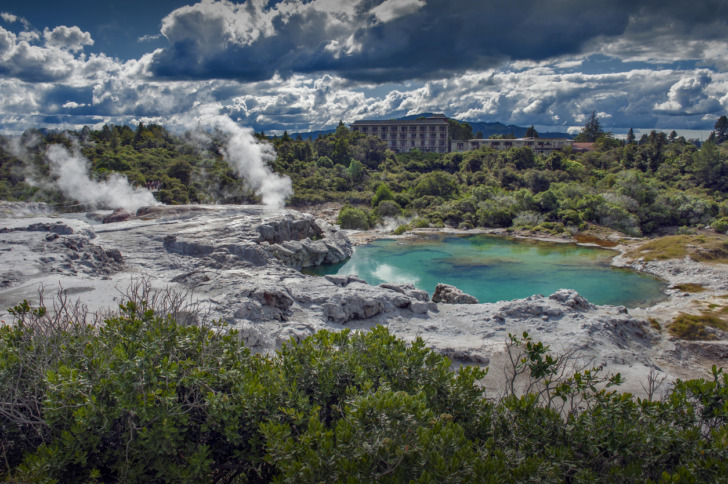
It is famous for bubbling mud pools, steaming geothermal vents, Māori culture, redwood forests, lakes, hot springs, mountain biking, and that unmistakable sulfur smell that politely punches you in the nose when you arrive.
The city is built around geothermal activity, which makes it unique, beautiful, and a little weird in the best way.
Rotorua is generally safe for tourists, especially around major attractions and organized tours, but it does have a few safety concerns worth knowing.
The main risks involve car break-ins, petty theft, geothermal hazards, road safety, water activities, mountain biking injuries, and walking alone in quiet areas after dark.
Warnings & Dangers in Rotorua

OVERALL RISK: LOW
Rotorua is a low-risk destination for most travelers. Major tourist attractions are well managed, violent crime against visitors is uncommon, and New Zealand has strong travel infrastructure. The main safety concerns are petty theft, vehicle break-ins, geothermal hazards, road conditions, and outdoor activity injuries.

TRANSPORT & TAXIS RISK: LOW
Transport in Rotorua is generally safe, but many travelers rely on rental cars to reach lakes, forests, geothermal parks, and nearby attractions. Drive carefully on rural roads, especially at night or in wet weather. Taxis, shuttles, and tour transport are safe, though public transport is limited.

PICKPOCKETS RISK: LOW
Pickpocketing is not a major issue in Rotorua, but opportunistic theft can happen. Be careful in busy tourist areas, car parks, markets, and public spaces. The bigger risk is theft from parked vehicles, especially near walking tracks, lakes, scenic stops, and attraction car parks.

NATURAL DISASTERS RISK: MEDIUM
Rotorua has a medium natural hazard risk because it sits in a geothermal and volcanic region. Visitors may encounter hot springs, steam vents, unstable ground, earthquakes, heavy rain, and lake-related hazards. Most attractions are safe when rules are followed, but ignoring signs near geothermal areas can be genuinely dangerous.

MUGGING RISK: LOW
Mugging is uncommon in Rotorua. Most tourists can walk around central areas and attractions without concern during the day. At night, avoid poorly lit streets, parks, quiet lakefront areas, and isolated paths. Use taxis or drive if returning late from restaurants or activities.

TERRORISM RISK: LOW
The terrorism risk in Rotorua is low. It is a tourism and outdoor activity destination rather than a major political or financial target. Travelers should still use normal awareness at crowded events, transport hubs, and public attractions, but terrorism is not a major concern for most visitors.

SCAMS RISK: LOW
Scams are not common in Rotorua. Tourist businesses are generally straightforward, and pricing is usually clear. Still, book activities through reputable operators, check what is included, and avoid suspiciously cheap tours or unofficial offers. Most issues are simple misunderstandings rather than deliberate scams.

WOMEN TRAVELERS RISK: LOW
Rotorua is generally safe for women travelers, including solo travelers. Tourist areas, hotels, restaurants, and attractions are comfortable. Women should still avoid isolated walks after dark, use trusted transport at night, and be cautious around alcohol or quiet lakefront areas late in the evening.

TAP WATER RISK: LOW
Tap water in Rotorua is safe to drink. Some travelers notice a different taste or smell because of the geothermal environment, but it is treated and drinkable. Carry a refillable bottle for hikes, forest walks, bike rides, geothermal parks, and lake activities.
Safest Places to Visit in Rotorua
Te Puia
Te Puia is one of Rotorua’s safest and most structured attractions.
It has guided experiences, geothermal features, Māori cultural performances, walking paths, and clear visitor controls.
It is a good place to learn about geothermal activity without wandering into risky areas.
Stay on marked paths and follow staff instructions.
Whakarewarewa Forest
The Redwoods, also known as Whakarewarewa Forest, are a favorite for walking, mountain biking, and canopy views.
The main walking routes are safe, well used, and scenic.
Mountain biking is more risk-dependent, so choose trails that match your skill level and wear proper protective gear.
Government Gardens
Government Gardens is one of the safest and easiest places to visit in Rotorua.
It is close to the city center and has lawns, historic buildings, walking paths, and nearby lake views.
It is best during the day and early evening.
As always, keep valuables secure if parking nearby.
Polynesian Spa
Polynesian Spa is a controlled, relaxing, and safe way to enjoy Rotorua’s geothermal waters.
Facilities are managed, water temperatures are monitored, and the location is central.
Follow health guidance if pregnant, sensitive to heat, dehydrated, or managing medical conditions.
Lake Tikitapu
Lake Tikitapu, also called Blue Lake, is popular for swimming, walking, picnics, and outdoor activities.
It is generally safe in good weather, especially during the day.
Watch children near water, check conditions before swimming, and avoid leaving valuables in parked cars near the lake.
Places to Avoid in Rotorua
Unmarked Geothermal Areas
Do not wander off paths near geothermal features.
The ground can be thin, unstable, or dangerously hot, and steam vents or boiling pools may not always look as dangerous as they are.
If an area is fenced, signed, or closed, treat that as serious safety information.
Car Parks Near Remote Trails With Visible Valuables
Vehicle break-ins are one of the more realistic tourist risks in Rotorua.
Avoid leaving bags, cameras, electronics, passports, or jackets visible in parked cars, especially near lakes, trailheads, forests, and scenic stops.
An empty-looking car is always the better choice.
Quiet Lakefront Areas After Dark
Rotorua’s lakes are beautiful, but quiet lakefront spaces after dark are not ideal for wandering alone.
The risk is not extreme, but isolation, poor lighting, and limited help nearby make these areas less comfortable at night.
Visit during daylight or go with others.
Advanced Mountain Bike Trails Without Experience
Rotorua is a world-class mountain biking destination, but that does not mean every trail is beginner-friendly.
Avoid advanced trails if you are new, tired, injured, or without proper gear.
Crashes can happen quickly on steep, rooty, or technical routes.
Remote Roads at Night
Driving outside Rotorua after dark can be more challenging than visitors expect.
Rural roads may be dark, winding, wet, or shared with wildlife.
If traveling to lakes, lodges, or nearby attractions, plan your return before it gets too late, especially in poor weather.
Safety Tips for Traveling to Rotorua
- Stay on marked geothermal paths. Rotorua’s geothermal areas are amazing, but they are not playgrounds. Boiling mud, steam vents, hot pools, and unstable ground can cause serious injuries. Always stay behind barriers, follow marked paths, and listen to guides. The signs are not there to ruin the fun. They are there because the ground can be dangerous.
- Do not leave valuables in your rental car. Car break-ins are one of the most common tourist problems in New Zealand’s scenic areas, including Rotorua. Never leave passports, cameras, backpacks, laptops, or bags visible inside your car. This is especially important at lakes, forest trails, geothermal parks, and roadside viewpoints.
- Choose mountain bike trails carefully. Rotorua is a mountain biking paradise, but the trail network includes everything from easy family routes to serious technical tracks. Choose trails based on your actual skill, not your vacation confidence. Wear a helmet, consider pads, check your brakes, and ask rental staff for honest route advice.
- Be careful around lakes. Rotorua’s lakes are beautiful and often peaceful, but water safety still matters. Swim only where conditions look safe, watch children closely, and avoid swimming alone. Weather can change, water can be cold, and not every lake area has lifeguards. If boating or kayaking, wear a life jacket.
- Use reputable tour operators. Rotorua is full of activities: ziplining, rafting, geothermal tours, cultural experiences, forest walks, mountain biking, and hot pools. Most operators are professional, but you should still choose reputable companies with clear safety procedures, good reviews, and proper equipment. For higher-risk activities, safety standards matter more than saving a few dollars.
- Watch your step in wet conditions. Rotorua gets rain, and many attractions include boardwalks, forest trails, stairs, and natural surfaces. Wet wood, mud, roots, and volcanic ground can be slippery. Wear shoes with decent grip, slow down on steps, and avoid rushing between viewpoints.
- Respect Māori cultural sites and rules. Rotorua is one of the best places in New Zealand to experience Māori culture. Treat cultural sites, performances, villages, and sacred areas with respect. Follow photography rules, listen to hosts, and avoid walking into restricted spaces. Respectful behavior keeps the visit smoother and more meaningful.
- Plan nighttime transport. Rotorua is not a huge city, but walking around quiet areas late at night is not always ideal. If you are staying outside the center, returning from dinner, or visiting hot pools in the evening, plan your ride. Use a taxi, rideshare where available, shuttle, or your own car if you are not drinking.
- Pack for changing weather. Rotorua can shift between sunshine, rain, cool evenings, and humid geothermal warmth. Bring layers, a rain jacket, walking shoes, sunscreen, and insect repellent if you are heading to lakes or forests. Outdoor plans are safer and more enjoyable when you are not cold, soaked, or sunburned.
- Keep travel insurance that covers activities. Rotorua is safe, but many of its best activities involve movement, water, trails, heights, or geothermal environments. Travel insurance is smart if you plan rafting, biking, ziplining, hiking, or road-tripping. Check that your policy covers medical care, cancellations, lost luggage, rental car issues, and adventure activities.
So... How Safe Is Rotorua Really?
Rotorua is safe for most travelers, especially those sticking to major attractions, organized tours, central accommodation, and popular outdoor areas.
Violent crime is not the main concern here.
The city is used to visitors, and its tourism infrastructure is strong, varied, and well developed.
The safety profile is more about common-sense travel and outdoor awareness.
Theft from cars is one of the biggest practical problems, so visitors should be careful at trailheads, lakes, scenic spots, and attraction car parks.
It is not about panic, but about not leaving an obvious target behind a window.
The other big category is the natural environment.
Rotorua’s geothermal features are beautiful because they are powerful.
Boiling water, steam, unstable ground, and mineral pools are not things to treat casually.
Add forests, lakes, mountain bike trails, rural roads, and changing weather, and Rotorua becomes a place where most risks come from activities rather than crime.
Overall, I would call Rotorua a low-risk destination with a medium-risk outdoor and geothermal layer.
If you secure your belongings, follow signs, choose activities wisely, and respect the landscape, Rotorua is one of New Zealand’s most rewarding and manageable destinations.
How Does Rotorua Compare?
| City | Safety Index |
|---|---|
| Rotorua |
82 |
| Taupo |
87 |
| Queenstown |
91 |
| Christchurch |
80 |
| Wanaka |
90 |
| Wellington |
72 |
| Auckland |
85 |
 Mumbai Mumbai | 55 |
 Kirksville Kirksville | 72 |
 Kep Kep | 78 |
| Kansas City | 39 |
| Tucson | 48 |
 Mexicali Mexicali | 40 |
Useful Information

Visas
New Zealand allows many travelers to visit short-term with an NZeTA, while others need a visitor visa before arrival. Rules depend on nationality, length of stay, and travel purpose. Check requirements before booking, and make sure your passport is valid for the required period.

Currency
Rotorua uses the New Zealand dollar. Cards are widely accepted in hotels, restaurants, shops, attractions, and tour offices. Cash is useful for small purchases, markets, tips, and backup. ATMs are easy to find in the city, but carry extra if heading to remote lakes or rural areas.

Weather
Rotorua has mild weather overall, with warm summers, cool winters, and rain possible year-round. Pack layers, a light rain jacket, comfortable walking shoes, sunscreen, and swimwear for hot pools. Forests and lakes can feel cooler than the city, especially in the evening.

Airports
Rotorua Airport serves domestic flights and is a short drive from the city. Many international travelers arrive through Auckland, then continue by rental car, bus, or domestic flight. The drive from Auckland usually takes around 3 hours, depending on traffic, weather, and stops.

Travel Insurance
Travel insurance is recommended for Rotorua, especially if your plans include rental cars, mountain biking, rafting, ziplining, hiking, or lake activities. Choose coverage for medical care, cancellations, delays, lost luggage, theft, rental vehicle issues, and adventure activities. Check exclusions carefully before booking high-energy tours.
Rotorua Weather Averages (Temperatures)
Average High/Low Temperature
| Temperature / Month | Jan | Feb | Mar | Apr | May | Jun | Jul | Aug | Sep | Oct | Nov | Dec |
|---|---|---|---|---|---|---|---|---|---|---|---|---|
| High °C |
23 | 23 | 21 | 18 | 15 | 13 | 12 | 13 | 15 | 16 | 19 | 21 |
| Low °C |
13 | 13 | 11 | 9 | 7 | 4 | 4 | 4 | 6 | 7 | 9 | 12 |
| High °F |
73 | 73 | 70 | 64 | 59 | 55 | 54 | 55 | 59 | 61 | 66 | 70 |
| Low °F |
55 | 55 | 52 | 48 | 45 | 39 | 39 | 39 | 43 | 45 | 48 | 54 |
New Zealand - Safety by City
| City | Safety Index |
|---|---|
| Auckland | 85 |
| Christchurch | 80 |
| Queenstown | 91 |
| Rotorua | 82 |
| Taupo | 87 |
| Wanaka | 90 |
| Wellington | 72 |










That sulfur smell really sneaks up on you, but somehow it just adds to the whole Rotorua vibe and makes the hot springs even cozier.
Did you notice if the sulfur smell ever gets less intense the longer you stay around Rotorua?