


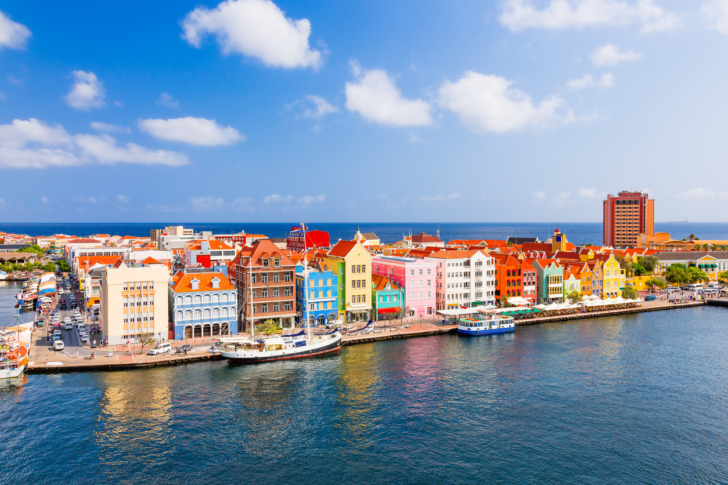
Willemstad is the colorful capital of Curaçao, sitting on the island’s southern coast in the southern Caribbean.
It is famous for its Dutch colonial buildings, bright waterfront facades, floating Queen Emma Bridge, street art, beaches, restaurants, and a more urban island feel than many Caribbean cruise stops.
The city’s historic center, especially Punda and Otrobanda, has plenty of charm, but Willemstad is not just a resort bubble.
It is a real working city, with busy neighborhoods, traffic, nightlife, local markets, and areas where tourists should stay aware.
Overall, Willemstad is fairly safe for travelers, especially during the day in main tourist areas, but petty theft, car break-ins, isolated beaches, and poorly lit areas at night are worth taking seriously.
Warnings & Dangers in Willemstad

OVERALL RISK: MEDIUM
Willemstad is generally safe for tourists who use normal city precautions, but it deserves a medium rating because petty theft and car break-ins can happen. Main tourist areas are comfortable, especially during the day, but visitors should avoid wandering into quiet, poorly lit areas at night.

TRANSPORT & TAXIS RISK: MEDIUM
Transport is manageable, but taxis can be expensive and public transport is limited compared with larger cities. Rental cars are useful for beaches, but drivers should be careful with unfamiliar roads, roundabouts, and parking. Never leave valuables inside a parked car, even for a short beach stop.

PICKPOCKETS RISK: MEDIUM
Pickpocketing is not constant, but it can happen in busy tourist areas, markets, festivals, cruise-port zones, and nightlife districts. Keep bags zipped, avoid back-pocket wallets, and watch your phone when taking photos around the Queen Emma Bridge, Punda, Otrobanda, and crowded waterfront areas.

NATURAL DISASTERS RISK: LOW
Curaçao sits outside the main hurricane belt, so the natural disaster risk is lower than on many Caribbean islands. Still, storms, heavy rain, flash flooding, rough seas, and intense heat can affect travel. Pay attention to weather updates, especially during hurricane season and beach days.

MUGGING RISK: MEDIUM
Mugging is not a daily concern for most tourists, but it is possible, especially in isolated areas, quiet streets after dark, or if someone looks visibly lost or intoxicated. Avoid empty beaches at night, do not flash valuables, and use taxis when returning late from nightlife.

TERRORISM RISK: LOW
Terrorism is a low concern in Willemstad. Curaçao is not generally considered a high-risk target for terrorist attacks. Travelers should still stay aware in crowded public areas, cruise terminals, festivals, and nightlife zones, but terrorism is not one of the main risks visitors need to plan around.

SCAMS RISK: LOW
Scams are not a major issue in Willemstad, though tourists can run into inflated taxi prices, unclear tour costs, or overpriced souvenirs. Confirm prices before agreeing to rides, excursions, or services. Most problems are simple tourist overcharging rather than organized scams.

WOMEN TRAVELERS RISK: MEDIUM
Willemstad is usually safe for women travelers, including solo travelers, but a medium rating is fair for nighttime caution. Women should avoid isolated streets, empty beaches, and walking alone after dark outside busy areas. Use taxis, stay near well-lit zones, and be cautious with alcohol in nightlife settings.

TAP WATER RISK: LOW
Tap water in Curaçao is safe to drink and is generally good quality. Travelers can refill bottles from hotels and restaurants. Staying hydrated is important because Willemstad can be hot, dry, sunny, and windy, making it easy to underestimate how much water you need.
Safest Places to Visit in Willemstad
Punda
Punda is one of the safest and most tourist-friendly areas in Willemstad.
It is colorful, walkable, busy during the day, and full of shops, cafes, restaurants, museums, and waterfront views.
The Handelskade buildings and Queen Emma Bridge make it one of the most photographed places in Curaçao.
It is safest during daylight and early evening when foot traffic is steady.
Otrobanda
Otrobanda has become one of Willemstad’s most interesting areas, with restored buildings, murals, boutique hotels, cafes, and the famous Kura Hulanda area.
It is generally safe in the main tourist parts, especially during the day.
Some side streets can become quiet, so stay aware after dark and stick to active, well-lit routes.
Pietermaai District
Pietermaai is stylish, colorful, and popular for restaurants, boutique hotels, bars, and nightlife.
It is one of the best areas for visitors who want a lively but polished base.
It is generally safe, but late-night caution still applies.
Use a taxi if returning to accommodation outside the district.
Mambo Beach Boulevard
Mambo Beach is one of the most organized beach areas near Willemstad.
It has restaurants, beach clubs, shops, security, parking, and paid beach access.
It is a good option for travelers who want a more controlled beach environment.
Watch your belongings, especially when swimming.
Jan Thiel
Jan Thiel is a popular resort-style area with beaches, restaurants, hotels, villas, and beach clubs.
It feels safer and more structured than many remote beach areas.
It is a good choice for families, couples, and first-time visitors, though it is better reached by car or taxi.
Places to Avoid in Willemstad
Empty Beaches After Dark
Curaçao’s beaches are beautiful, but many are quiet or isolated outside daytime hours.
Avoid empty beaches after dark, especially if you are alone or carrying valuables.
Beaches that feel peaceful during the day can become risky at night because there are fewer people around and limited help nearby.
Poorly Lit Side Streets Away From Tourist Areas
Willemstad’s main tourist zones are comfortable, but some streets outside them can feel quiet or poorly lit at night.
Avoid wandering without a plan after dark, especially in unfamiliar residential or industrial areas.
If you are unsure about a route, take a taxi instead of walking.
Parking Areas Near Remote Beaches
Rental car break-ins are one of the more realistic risks in Curaçao.
Parking lots near remote beaches can be targeted because thieves know visitors leave bags while swimming.
Do not leave anything visible in the car, not even a towel-covered bag.
Take essentials with you or leave valuables at the hotel.
Cruise-Port Crowds With Loose Belongings
The cruise-port area and nearby shopping streets are generally safe, but crowds create easy opportunities for petty theft.
Be extra careful with phones, wallets, purses, and backpacks when ships are in port.
Crowds also make it easier to get separated from your group.
Nightlife Areas When Intoxicated
Willemstad has fun nightlife, especially around Pietermaai, Mambo Beach, and parts of Punda and Otrobanda.
The risk is not extreme, but alcohol changes everything.
Avoid walking alone late, do not accept drinks from strangers, and use taxis or prearranged transport after a night out.
Safety Tips for Traveling to Willemstad
- Do not leave valuables in a rental car. This is probably the most important safety tip for Curaçao. Rental car break-ins can happen, especially near beaches and tourist stops. Never leave bags, phones, wallets, cameras, passports, or electronics visible inside the car. Even a “quick stop” is enough time for a problem. Keep the car empty-looking and take essentials with you.
- Stay in or near a tourist-friendly area. For the easiest and safest trip, stay in Punda, Pietermaai, Otrobanda’s restored tourist zone, Mambo Beach, Jan Thiel, or another well-reviewed area. This reduces late-night transport issues and makes it easier to walk to restaurants, shops, and attractions. Location matters more in Willemstad than many people expect.
- Use taxis at night. Walking around central Willemstad during the day is usually fine, but at night it is smarter to use taxis if you are going beyond the busiest streets. This is especially true if you are alone, tired, dressed for nightlife, or carrying valuables. Taxi fares can be high, but safety and convenience are worth it.
- Keep your phone secure in crowded areas. Willemstad is full of photo spots, especially the Queen Emma Bridge, Handelskade, and colorful streets of Punda and Otrobanda. It is easy to get distracted while taking pictures. Hold your phone firmly, do not leave it on outdoor tables, and avoid walking with it loosely in your hand near crowds.
- Choose beaches based on comfort level. Some beaches in Curaçao are organized, with facilities, food, parking, and security. Others are remote and quieter. If you are a first-time visitor, traveling with kids, or going alone, organized beach areas like Mambo or Jan Thiel may feel easier. Remote beaches are beautiful, but they require more awareness.
- Drink plenty of water. Willemstad can be hot, sunny, dry, and breezy. That combination tricks travelers into thinking they are not sweating much, even while they are losing fluids. Carry water, especially when walking through town, visiting beaches, or exploring outdoor attractions. Tap water is safe, so refilling a bottle is easy.
- Confirm taxi and tour prices in advance. Before starting a taxi ride or tour, confirm the total price. Ask whether the fare is per person or per group, whether waiting time is included, and whether beach stops or extra locations cost more. Most drivers and tour operators are honest, but clear pricing prevents awkward surprises.
- Avoid isolated areas when wearing expensive jewelry. Willemstad is not a place where you need to hide from the world, but flashy watches, jewelry, designer bags, and expensive cameras can attract attention. Keep it simple when walking around town, going to beaches, or exploring outside resort areas. Looking relaxed but not flashy is the better move.
- Be careful in the water. Curaçao’s water can be gorgeous and clear, but conditions vary by beach. Watch for rocks, coral, currents, boat traffic, sea urchins, and sudden drop-offs. Wear water shoes if visiting rocky beaches. Do not swim alone at empty beaches, and avoid entering rough water after drinking.
- Keep documents secure. Leave your passport in a safe place when you do not need it, and carry a copy or photo on your phone. Bring only the cash and cards you need for the day. Losing a wallet, passport, or phone in a foreign country is far more common than serious crime, and it can derail an otherwise great trip.
So... How Safe Is Willemstad Really?
Willemstad is safe enough for most travelers, but it is not a destination where I would recommend being careless.
The city has a friendly, colorful, relaxed Caribbean feel, and the main tourist areas are generally comfortable.
During the day, walking around Punda, Otrobanda, the waterfront, Pietermaai, and organized beach zones feels easy and enjoyable.
The main safety issue is petty crime.
Rental car break-ins, theft from beaches, pickpocketing in crowded tourist areas, and occasional nighttime incidents are the problems travelers are most likely to encounter.
This does not mean Willemstad is dangerous.
It means visitors should avoid the classic vacation mistake of acting like nothing bad can happen because the sea is blue and the buildings are pretty.
Compared with many Caribbean destinations, Curaçao has some advantages.
It sits outside the main hurricane belt, tap water is safe, tourist infrastructure is solid, and many areas are well developed.
Still, the island is not a private resort.
Willemstad is a real city, and normal city judgment matters.
Overall, I would rate Willemstad as a medium-low risk destination.
Safe in the main areas, very enjoyable with basic precautions, but worth treating with more awareness than a small European village or a fully enclosed resort.
How Does Willemstad Compare?
| City | Safety Index |
|---|---|
 Willemstad Willemstad |
75 |
 Bayfield Bayfield | 78 |
| Muncie | 52 |
| Statesboro | 88 |
 La Plata La Plata | 68 |
 Stockholm Stockholm | 82 |
 Davao City Davao City | 75 |
Useful Information

Visas
Curaçao allows visa-free visits for many nationalities, usually for short tourism stays, but rules depend on your passport. Some travelers may need a Caribbean visa before arrival. Make sure your passport is valid, check your allowed stay length, and confirm entry rules before booking.

Currency
Curaçao uses the Netherlands Antillean guilder, though US dollars are widely accepted in tourist areas. Credit cards are commonly accepted at hotels, restaurants, and larger businesses. Carry some cash for taxis, beach fees, small shops, and tips. ATMs are available in Willemstad.

Weather
Willemstad is warm, sunny, dry, and breezy for much of the year. Light clothing, sunglasses, sunscreen, swimwear, and a hat are essential. Curaçao is outside the main hurricane belt, but storms and heavy rain can still happen. Bring reef-safe sunscreen and drink more water than you think you need.

Airports
Curaçao International Airport is the main airport for the island and is located northwest of Willemstad. Travelers can reach the city by taxi, rental car, hotel transfer, or prearranged shuttle. Rental cars are useful for exploring beaches, but confirm parking and insurance details before driving.

Travel Insurance
Travel insurance is recommended for Willemstad, especially if you plan to rent a car, visit remote beaches, snorkel, dive, or take boat trips. Choose coverage for medical care, cancellations, delays, lost luggage, theft, and emergency transport. For water activities, make sure your policy includes them.
Curacao - Safety by City
| City | Safety Index |
|---|---|
| Willemstad | 75 |
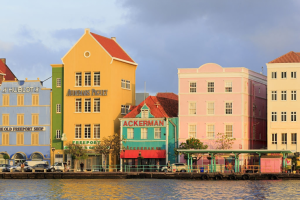
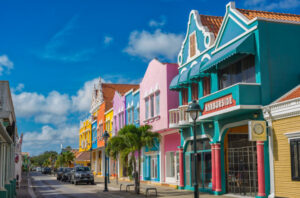
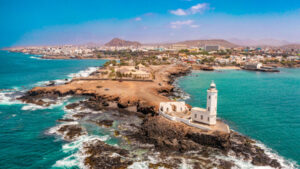
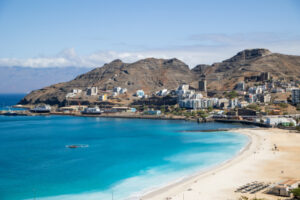
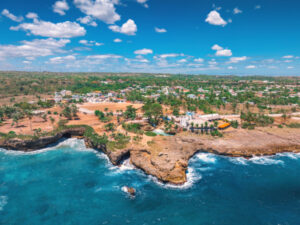












Strolling around the colorful facades and catching the Queen Emma Bridge in motion felt like stepping into a postcard, but the hustle and bustle reminded me this is a living city with all its quirks, including moments where I had to watch my stuff a bit more closely than usual.
I spent some time wandering around Punda and really felt how alive the city is beyond just the pretty buildings, though I definitely kept my bag close when the streets got darker.
I remember wandering through Punda at sunset, the colors on the buildings were even more stunning in person but I kept an eye on my bag the whole time.