


 Dominican Republic : Safety by City
- Bayahibe
- Cabarete
- Jarabacoa
- La Romana
- Las Terrenas
- Playa Rincon
- Punta Cana
- Samana
- Santo Domingo
- Sosua
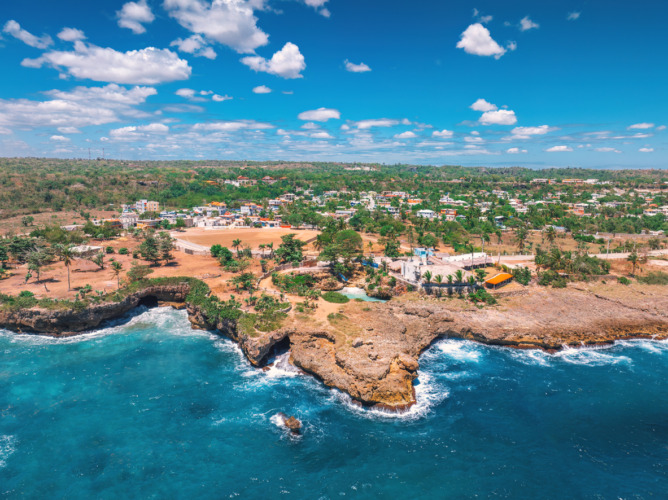
La Romana is one of the Dominican Republic’s major resort and cruise destinations, sitting on the country’s southeastern coast along the Caribbean Sea.
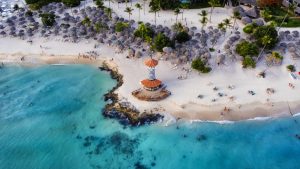
It is best known for Casa de Campo, Altos de Chavón, nearby Bayahibe, Saona Island excursions, golf courses, beaches, and its cruise port.
Compared with Punta Cana, La Romana feels a little more mixed: part luxury resort area, part working Dominican city, part coastal gateway to some of the country’s prettiest water.
That mix is exactly why travelers should understand the safety picture before going.
La Romana can be a safe and enjoyable trip, especially if you stay in resort areas, use trusted transport, and book reputable tours.
But outside the polished tourist zones, you need more awareness around petty theft, scams, road safety, nightlife, and isolated areas.
Warnings & Dangers in La Romana

OVERALL RISK: MEDIUM
La Romana is moderately safe for tourists, especially in resorts, cruise areas, Casa de Campo, and organized excursion settings. The risk rises in less-touristy parts of the city, at night, and when using informal transport. Petty theft, scams, traffic issues, and occasional robberies make basic caution important.

TRANSPORT & TAXIS RISK: MEDIUM
Transport requires planning. Resort transfers, official taxis, cruise-approved transport, and hotel-arranged drivers are the safest options. Avoid random taxis or motorbike taxis if you are unfamiliar with the area. Driving can be stressful due to aggressive traffic, poor lighting, and inconsistent road conditions, especially after dark.

PICKPOCKETS RISK: MEDIUM
Pickpocketing and bag theft can happen in crowded areas, beaches, markets, bus stations, nightlife spots, and busy tourist meeting points. The risk is much lower inside secure resorts, but tourists should still avoid carrying too much cash or wearing flashy jewelry. Keep phones and bags secure in public areas.

NATURAL DISASTERS RISK: MEDIUM
La Romana has a medium natural disaster risk because it sits in the Caribbean hurricane zone. Hurricane season runs from June through November, with the highest risk usually from August to October. Heavy rain, flooding, strong winds, rough seas, and tropical storms can disrupt flights, cruises, beach days, and island excursions.

MUGGING RISK: MEDIUM
Mugging is not an everyday concern for careful tourists in resort zones, but it is a real enough risk in quieter city streets, isolated beaches, poorly lit areas, and late-night situations. Avoid walking alone after dark outside tourist zones, do not flash valuables, and use trusted transport between hotels, restaurants, and attractions.

TERRORISM RISK: LOW
The terrorism risk in La Romana is low. Travelers are much more likely to deal with theft, road safety, weather, or health issues than terrorism. Standard awareness in airports, cruise terminals, and crowded public places is enough. This is not one of the main safety concerns for a typical visitor.

SCAMS RISK: MEDIUM
Scams and overcharging can happen around taxis, beach vendors, souvenir sellers, unofficial guides, nightlife, and excursion offers. Be careful with anyone promising a very cheap Saona Island tour or private transfer without clear details. Confirm prices, pickup points, return times, and what is included before paying.

WOMEN TRAVELERS RISK: MEDIUM
Women can travel safely in La Romana, especially in resorts and organized tour settings, but extra caution is wise outside those areas. Unwanted attention can happen, and solo late-night walking is not recommended. Use trusted taxis, watch drinks, avoid isolated beaches after dark, and choose well-reviewed accommodation.

TAP WATER RISK: MEDIUM
Do not drink tap water in La Romana unless it has been properly filtered or boiled. Bottled water is widely available and often provided by hotels and resorts. Use bottled water for drinking and, if sensitive, for brushing teeth. Be cautious with ice in small local places outside tourist-oriented restaurants.
Safest Places to Visit in La Romana
Casa de Campo
Casa de Campo is one of the safest and most controlled areas in La Romana.
This large luxury resort community has gated access, hotels, villas, golf courses, restaurants, beaches, marina areas, and private transport options.
It is ideal for travelers who want a polished, secure environment with minimal hassle.
The biggest concerns here are cost, golf-cart safety, sun exposure, and keeping track of valuables at pools, restaurants, or beaches.
Altos de Chavón
Altos de Chavón is one of the most interesting places to visit near La Romana.
This recreated Mediterranean-style village overlooks the Chavón River and has cobblestone lanes, shops, restaurants, galleries, an amphitheater, and great views.
It is generally safe, especially when visited through Casa de Campo, a tour, or trusted transport.
Wear comfortable shoes because the stone streets can be uneven.
Bayahibe
Bayahibe is technically outside La Romana but is one of the safest and most useful nearby beach towns for travelers.
It is a major departure point for Saona Island tours and has a calmer feel than many larger Dominican tourist areas.
It is good for diving, snorkeling, boat trips, and beach restaurants.
Use reputable operators and watch belongings on the beach.
Saona Island Tours
Saona Island is one of the most popular excursions from the La Romana and Bayahibe area.
It is generally safe when booked through reputable companies with proper boats, clear schedules, and life jackets.
The main risks are sunburn, dehydration, rough seas, alcohol on boat trips, and leaving belongings unattended during beach stops.
La Romana Cruise Port
The cruise port area is organized and safer than wandering randomly into unfamiliar parts of the city.
It is built for visitors, with controlled access, tour meeting points, shops, and transport.
Cruise passengers should use official excursions or pre-arranged drivers if leaving the port.
Keep an eye on time so you do not risk missing your ship.
Places to Avoid in La Romana
Poorly Lit City Streets After Dark
La Romana is not a city where tourists should wander aimlessly late at night.
Some streets outside resort and tourist areas can be poorly lit and less predictable.
Use taxis or hotel-arranged transport after dark, especially if you are unfamiliar with the area.
This is one of the easiest risks to avoid.
Isolated Beaches
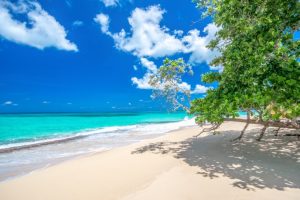
Quiet beaches can look beautiful, but isolated stretches are not ideal if you are alone or carrying valuables.
Stick to resort beaches, organized beach clubs, or busier areas near hotels and restaurants.
If a beach has no staff, no other visitors, and no easy transport, it is better as a quick daytime stop than a long stay.
Informal Taxi or Motoconcho Rides
Motorbike taxis and informal drivers may be cheap, but they are not the best option for most tourists.
Safety standards vary, helmets may not be available, and pricing can become unclear.
For airport transfers, restaurant trips, and excursions, use official taxis, resort shuttles, or pre-booked drivers.
Unverified Saona Island Sellers
Saona Island is popular, which means many people sell tours.
Avoid paying random street sellers or beach vendors without knowing the operator, boat quality, pickup location, and return time.
A bad tour can mean overcrowding, poor safety equipment, surprise charges, or a rushed experience.
Local Nightlife Without a Plan
La Romana has local bars and nightlife, but tourists should be selective.
Avoid venues that feel aggressive, poorly managed, or far from your accommodation.
Watch your drink, go with trusted company, and arrange transport back before going out.
Resort nightlife is usually the safer and easier option.
Safety Tips for Traveling to La Romana
- Stay in a secure, well-reviewed area. Your accommodation choice matters a lot in La Romana. Resorts, Casa de Campo, Bayahibe hotels, and well-reviewed beach properties are the easiest and safest options for most visitors. Staying in a random cheap place far from tourist areas may save money, but it can create transport and safety headaches. For a relaxed trip, location is not the place to gamble.
- Use trusted transport. Use airport transfers, official taxis, hotel drivers, cruise-approved transport, or reputable private transfers. Avoid jumping into random cars or negotiating late-night rides on the street. If you are going to Bayahibe, Altos de Chavón, Casa de Campo, or the airport, arrange transport ahead. Clear transport plans prevent most awkward or risky situations.
- Do not flash valuables. Leave expensive watches, flashy jewelry, and unnecessary electronics at your accommodation. Carry only the cash and cards you need. La Romana is not a place where you need to look rich to enjoy yourself. Looking low-key is smarter, especially outside resort grounds or when moving through public areas.
- Book excursions through reputable operators. For Saona Island, snorkeling, diving, fishing, buggy tours, and river trips, operator quality matters. Look for clear pricing, life jackets, good reviews, hotel pickup details, and realistic timing. Avoid tours that sound too cheap or vague. A good excursion should explain what is included before you pay.
- Be careful with the sun and heat. La Romana is hot, sunny, and humid for much of the year. Use sunscreen, drink bottled water, wear a hat, and take breaks in the shade. Boat tours and beach days can dehydrate you quickly, especially if alcohol is involved. Heat exhaustion is one of the more realistic travel problems here.
- Avoid walking alone late at night. Inside resorts, evening walks are usually fine. Outside tourist zones, use transport after dark. Do not walk alone through quiet streets, empty beaches, or unfamiliar neighborhoods late at night. This is not about fear. It is just practical travel behavior in a city where conditions vary by area.
- Watch your drink. This applies in bars, clubs, beach parties, and even casual resort settings. Do not leave drinks unattended or accept open drinks from strangers. Alcohol also makes theft, bad transport choices, swimming accidents, and poor judgment more likely. If you are going out, know how you are getting back before you start drinking.
- Keep beach belongings minimal. Bring only what you need to the beach: small cash, one card, sunscreen, towel, and maybe a phone. Do not bring passports, multiple cards, or expensive gear unless necessary. If swimming, use a waterproof pouch or leave valuables with someone you trust. A beach bag alone on the sand is never secure.
- Prepare for hurricane season. If visiting from June through November, especially August through October, keep an eye on weather forecasts. Tropical storms can affect flights, cruises, ferries, tours, and beach safety. Book flexible travel when possible and understand your hotel’s cancellation or storm policy. Do not ignore warnings about rough seas or dangerous weather.
- Be culturally respectful. The Dominican Republic is warm and friendly, but respectful behavior helps everywhere. Learn a few Spanish basics, greet people politely, dress appropriately away from the beach, and avoid acting careless in local neighborhoods. Friendly confidence works better than suspicion, but boundaries are still important. Smile, say no clearly, and keep moving if someone is too pushy.
So... How Safe Is La Romana Really?
La Romana is safe enough for most tourists, but it is not a destination where I would recommend completely switching off.
The safest experiences are usually centered around resorts, Casa de Campo, cruise excursions, Bayahibe, Altos de Chavón, and reputable boat tours.
In those settings, the risk is low and the trip can feel easy, sunny, and relaxed.
The city outside the main tourist zones requires more awareness.
Petty theft, overcharging, poor transport choices, and occasional robberies are the issues travelers need to consider.
Road safety is also a real concern, especially at night.
Natural risks matter too, particularly hurricanes, rough seas, sun exposure, and dehydration.
I would rate La Romana as medium risk overall, mostly because safety varies depending on where you stay and how you move around.
Resort travelers who use trusted transport and organized tours will usually experience La Romana as safe.
Independent travelers wandering outside tourist zones late at night may feel the risk more.
The smart approach is simple: stay in good areas, avoid flashing valuables, plan transport, book reputable excursions, and respect local conditions.
Do that, and La Romana can be a beautiful and enjoyable Caribbean trip.
How Does La Romana Compare?
| City | Safety Index |
|---|---|
| La Romana |
62 |
| Samana |
78 |
| Punta Cana |
70 |
| Santo Domingo |
50 |
| Jarabacoa |
54 |
| Playa Rincon |
64 |
| Sosua |
65 |
 Zacatecas Zacatecas | 60 |
 Owensboro Owensboro | 78 |
| Salisbury | 52 |
| Ste. Genevieve | 83 |
| Tulsa | 77 |
 Brampton Brampton | 82 |
Useful Information

Visas
The Dominican Republic allows many tourists to enter without a traditional visa for short stays, often with a tourist card included in the airfare. Entry rules depend on nationality, passport validity, and trip length. Some travelers may need a visa before arrival. Keep proof of onward travel and accommodation details available.

Currency
La Romana uses the Dominican peso. U.S. dollars are widely accepted in many tourist settings, especially resorts and tours, but pesos are useful for local shops, tips, taxis, and smaller purchases. Cards are accepted in many hotels and larger businesses. Use bank ATMs and avoid exchanging money with random street operators.

Weather
La Romana has warm tropical weather year-round. The dry season is generally the most comfortable, while hurricane season runs from June through November. Pack light clothing, swimwear, sunscreen, sunglasses, sandals, insect repellent, and a rain jacket if visiting during wetter months. Humidity can be high, so breathable clothes help.

Airports
La Romana International Airport serves the area, though many travelers also arrive through Punta Cana or Santo Domingo depending on flight availability. Transfers from Punta Cana or Santo Domingo take longer, so arrange transport in advance. Cruise passengers arrive through the La Romana cruise port, close to the city.

Travel Insurance
Travel insurance is strongly recommended for La Romana. It should cover medical care, theft, cancellations, lost luggage, flight delays, hurricane disruption, boat tours, snorkeling, diving, and other activities you plan to do. If traveling during hurricane season, check that weather-related cancellations and interruptions are included.
La Romana Weather Averages (Temperatures)
Average High/Low Temperature
| Temperature / Month | Jan | Feb | Mar | Apr | May | Jun | Jul | Aug | Sep | Oct | Nov | Dec |
|---|---|---|---|---|---|---|---|---|---|---|---|---|
| High °C |
29 | 29 | 29 | 30 | 31 | 31 | 33 | 33 | 32 | 31 | 30 | 29 |
| Low °C |
22 | 22 | 22 | 23 | 24 | 25 | 25 | 25 | 25 | 24 | 23 | 22 |
| High °F |
84 | 84 | 84 | 86 | 88 | 88 | 91 | 91 | 90 | 88 | 86 | 84 |
| Low °F |
72 | 72 | 72 | 73 | 75 | 77 | 77 | 77 | 77 | 75 | 73 | 72 |
Dominican Republic - Safety by City
| City | Safety Index |
|---|---|
| Bayahibe | 52 |
| Cabarete | 53 |
| Jarabacoa | 54 |
| La Romana | 62 |
| Las Terrenas | 52 |
| Playa Rincon | 64 |
| Punta Cana | 70 |
| Samana | 78 |
| Santo Domingo | 50 |
| Sosua | 65 |













Fui a La Romana el año pasado y aunque la playa cerca de Casa de Campo es increíble, recuerdo que al salir por la noche tuve que estar bien atento porque la calle cambiaba mucho entre zonas turísticas y barrios donde se siente otro ambiente.