


 Dominican Republic : Safety by City
- Bayahibe
- Cabarete
- Jarabacoa
- La Romana
- Las Terrenas
- Playa Rincon
- Punta Cana
- Samana
- Santo Domingo
- Sosua
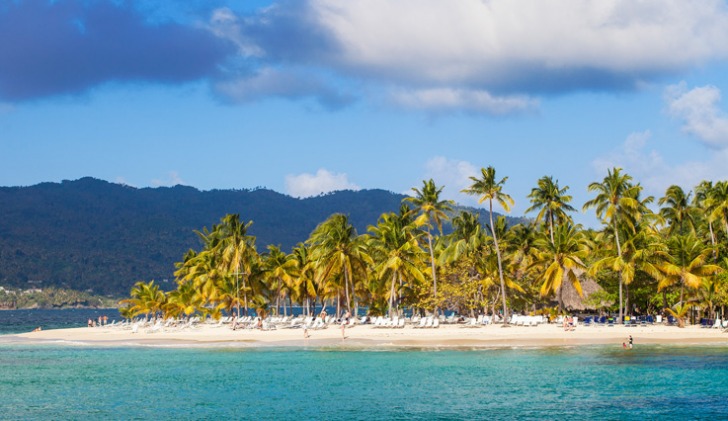
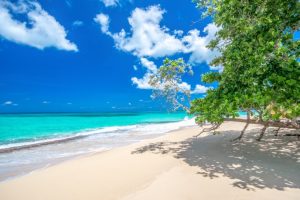
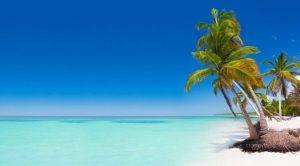
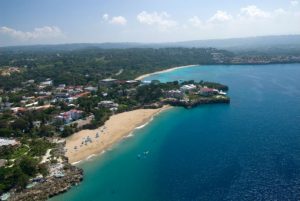
Samaná sits on a lush peninsula in the northeastern Dominican Republic, where jungle-covered hills slide down toward bright blue water and long, photogenic beaches.
It feels different from the big resort hubs.
The pace is slower, the scenery is wilder, and the draw is often nature rather than nightlife.
People come here for whale-watching season, boat trips to Cayo Levantado, waterfalls like El Limón, and beach towns such as Las Terrenas and Las Galeras.
In my view, Samaná is one of the Dominican Republic’s most beautiful regions, but beauty does not erase the need for caution.
Travelers still need to think about road safety, petty theft, weather disruptions, and basic health habits like avoiding tap water.
The good news is that most visits are smooth when people use common sense, stay alert after dark, and plan transportation carefully.
Warnings & Dangers in Samana

OVERALL RISK: MEDIUM
Samaná is a safer-feeling than many larger urban areas in the Dominican Republic, especially in beach and eco-tourism zones, but the broader country still carries crime concerns. Most tourists have trouble-free trips, yet robberies, opportunistic theft, and transportation issues are real enough that I would not call it low-risk across the board.

TRANSPORT & TAXIS RISK: MEDIUM
Transportation is one of the bigger practical safety concerns. Road conditions can vary, driving habits can be aggressive, and informal public transit is not the best choice for visitors unfamiliar with the area. Prearranged airport transfers, reputable taxi services, and rental cars driven cautiously in daylight are the smarter options.

PICKPOCKETS RISK: MEDIUM
Pickpocketing is not the first thing most people associate with Samaná, but tourist zones, beaches, bus areas, and crowded markets always create opportunities. The risk rises when travelers carry phones loosely, flash cash, or leave bags unattended during beach stops or boat excursions. I would rate it as moderate rather than extreme.

NATURAL DISASTERS RISK: MEDIUM
This is a tropical Caribbean destination, so the weather deserves respect. Hurricane season runs from June through November, with the greatest concern typically later in summer and early fall. Heavy rain can also affect roads, excursions, and sea conditions. Natural disaster risk is not constant, but it is significant enough to plan around.

MUGGING RISK: MEDIUM
Violent street crime is not something most Samaná visitors encounter, but mugging and armed robbery are concerns in the Dominican Republic overall. The risk is higher at night, on quiet roads, and when travelers appear distracted or visibly affluent. It is manageable with caution, but not something to dismiss.

TERRORISM RISK: LOW
There is no major pattern suggesting Samaná is a terrorism hotspot. For ordinary travelers, terrorism is not among the main practical safety worries here. Day-to-day concerns are much more likely to involve theft, road safety, weather, and health basics rather than politically motivated violence.

SCAMS RISK: MEDIUM
Scams do happen, especially around transportation, excursions, inflated tourist pricing, and casual offers that sound too easy or too cheap. Visitors can avoid most trouble by confirming prices in advance, booking tours through established operators, and being skeptical of anyone pressuring them into quick decisions.

WOMEN TRAVELERS RISK: MEDIUM
Women can absolutely enjoy Samaná, and many do, but solo travelers should use the same caution they would in any beach destination where nightlife, taxis, and isolated roads are part of the experience. Catcalling and unwanted attention can happen. I would be more careful after dark and avoid walking alone in poorly lit areas.

TAP WATER RISK: HIGH
Tap water is one of the easiest places to make a mistake. It is best not to drink it, and that includes being careful with ice and even accidental ingestion. Bottled or purified water is the safe choice for drinking and brushing teeth if you want to avoid stomach trouble.
Safest Places to Visit in Samana
Santa Bárbara de Samaná
The provincial capital is usually the first stop for many travelers, and it is one of the easier places to navigate because tourism infrastructure is established and excursions are easy to arrange.
The waterfront area, whale-watching departure points, and central parts of town are generally the most comfortable for visitors who stay aware of their surroundings and avoid wandering late at night.
Las Terrenas
Las Terrenas is probably the easiest fit for travelers who want a balance of comfort and local character.
It has a strong tourist presence, plenty of restaurants, beach access, and accommodations ranging from boutique stays to villas.
It feels more internationally oriented than some other parts of the peninsula, which can make first-time visitors feel more at ease.
The main safety concerns here are the usual ones: petty theft, road traffic, and nighttime judgment.
Las Galeras
Las Galeras is quieter and more relaxed, which many travelers love.
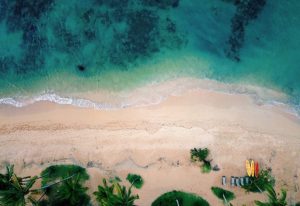
It is a good base for beaches and boat trips, especially if your idea of a good vacation is turquoise water and fewer crowds.
The safety advantage is that it is less hectic, but the flip side is that it can feel more isolated, so transport planning matters.
El Limón and Organized Nature Excursions
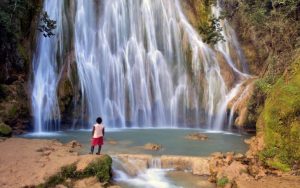
El Limón waterfall and nearby nature outings are excellent choices when booked through established operators.
Guided excursions reduce the odds of transport confusion, getting overcharged, or ending up in unsafe conditions.
In general, the safest experiences in Samaná are the ones tied to reputable hotels, known guides, and well-reviewed transport arrangements.
Places to Avoid in Samana
Isolated Roads at Night
This is less about one notorious neighborhood and more about a pattern.
Quiet roads between towns, dimly lit side streets, and stretches with little traffic are where visitors are most vulnerable.
If you are driving or taking a taxi after dark, stick to direct routes and avoid spontaneous detours.
Poorly Regulated Transport Hubs
Visitors should be cautious around informal transport pickup points, unmarked taxis, and crowded transit areas where confusion makes it easier to get overcharged or targeted for theft.
Route taxis and local minibuses may work for residents, but they are not the best option for tourists carrying luggage, phones, and passports.
Empty Beach Areas After Dark
Samaná’s beaches are gorgeous, but a beautiful beach at noon and a nearly empty shoreline after sunset are two very different situations.
Avoid hanging around isolated beach stretches late at night, especially alone or after drinking.
Theft becomes much easier when there are few witnesses and limited lighting.
Any Area Where You Look Lost and Flashy
In truth, the most dangerous area for many tourists is the one where they behave like easy targets.
Wearing expensive jewelry, waving around large amounts of cash, leaving phones on restaurant tables, or arguing with taxi drivers over prices in public all increase your odds of attracting the wrong attention.
In Samaná, smart behavior matters as much as geography.
Safety Tips for Traveling to Samana
- Use bottled water only. This is the simplest tip and one of the most important. Drink sealed bottled water, use it for brushing your teeth if you want to be extra cautious, and do not assume ice is always safe unless you are in a reputable hotel or restaurant.
- Arrange airport transfers ahead of time. Landing and then negotiating transport while tired is when mistakes happen. Prebooking a transfer from Samaná El Catey Airport or confirming a trusted driver through your hotel removes a lot of uncertainty.
- Avoid informal public transport. Local shared vehicles and minibuses may be cheap, but they are not ideal for visitors unfamiliar with routes, local driving culture, or personal security risks. Taxis from known providers and organized transfers are safer.
- Do most of your driving in daylight. Roads can be uneven, signage is not always ideal, and nighttime driving reduces your margin for error. If you rent a car, plan longer trips earlier in the day, and do not treat island driving like a casual side activity.
- Keep valuables out of sight. Carry only what you need. Leave your passport secured at your accommodation when possible, bring limited cash, and avoid displaying watches, jewelry, and expensive phones in a way that screams tourist with money.
- Confirm prices before the ride or tour starts. This applies to taxis, moto-taxis, boat trips, guides, and beach services. A quick price agreement in advance helps you avoid disputes later, which is good for both your wallet and your peace of mind.
- Be selective about excursions. Waterfalls, beaches, boat tours, and whale-watching are major highlights, but do not book purely on charm and a smile. Choose operators with a real presence, clear safety habits, and equipment that looks well-maintained.
- Do not walk alone in empty areas after dark. Even if a place feels relaxed during the day, the atmosphere changes at night. Stick to well-lit areas, travel with company when possible, and use transport instead of long nighttime walks.
- Monitor the weather closely in hurricane season. From June through November, conditions can shift quickly. Check forecasts, keep your plans flexible, and do not brush off heavy rain or marine warnings if you have beach or boat activities scheduled.
- Buy travel insurance that covers medical issues and disruptions. Samaná is an adventure destination, and adventure comes with risk. Insurance helps if you face illness, storm-related delays, evacuation needs, or a last-minute interruption that would otherwise become very expensive.
So... How Safe Is Samana Really?
Samaná is one of those places that can feel safer than the headline reputation of the Dominican Republic suggests, and that is partly because many visitors spend their time on beaches, guided outings, and in tourism-centered towns rather than dense urban trouble spots.
That said, it would be misleading to call it carefree.
Crime is still a real concern in the country, and opportunistic theft and robbery do happen.
On the practical side, many travelers in Samaná are more likely to deal with transport problems, overcharging, or health mistakes like drinking unsafe water than with serious violent incidents.
Weather is also part of the equation, especially during hurricane season, when storms can disrupt flights, roads, and excursions.
My honest take is that Samaná is reasonably safe for prepared travelers and a poor choice for careless ones.
If you book reputable transport, stay in well-reviewed areas, keep your valuables low-key, avoid isolated places at night, and respect the climate, the odds are strongly in your favor.
It is not a destination that calls for fear, but it definitely rewards good judgment.
How Does Samana Compare?
| City | Safety Index |
|---|---|
| Samana |
78 |
| Santo Domingo |
50 |
| Bayahibe |
52 |
| Jarabacoa |
54 |
| Punta Cana |
70 |
| Sosua |
65 |
| Cabarete |
53 |
 Xinjiang Xinjiang | 80 |
 Dead Sea Dead Sea | 65 |
 Oshawa Oshawa | 42 |
 Medan Medan | 62 |
 Concord Concord | 74 |
| Little Rock | 32 |
Useful Information

Visas
For many tourists, the Dominican Republic allows short stays without a traditional visa, while longer visits beyond 30 days may require additional paperwork. Travelers should also check current passport validity rules before departure. Entry requirements can vary by nationality, so it is smart to verify them before booking.

Currency
The local currency is the Dominican peso. In tourist areas, cards are often accepted, but it is still wise to carry some cash for taxis, tips, and small purchases. Exchange money at airports, banks, or reputable exchange counters rather than through informal offers from strangers.

Weather
Expect warm, tropical weather for most of the year, with lightweight clothing, sun protection, and rain planning all worth packing for. If you are visiting between June and November, add a light rain layer and keep an eye on forecasts because this overlaps with hurricane season.

Airports
The main airport for the region is Samaná El Catey International Airport, code AZS. It serves the peninsula and offers access to Las Terrenas, Santa Bárbara de Samaná, and Las Galeras by road transfer. Many travelers also connect through larger Dominican airports and continue by car or shuttle.

Travel Insurance
Travel insurance is not usually mandatory, but I strongly recommend it for Samaná. It is especially useful because of medical costs, trip interruptions, weather disruptions, and the region’s mix of road travel, beaches, boat trips, and outdoor excursions. For a destination like this, insurance is not overkill.
Samana Weather Averages (Temperatures)
Average High/Low Temperature
| Temperature / Month | Jan | Feb | Mar | Apr | May | Jun | Jul | Aug | Sep | Oct | Nov | Dec |
|---|---|---|---|---|---|---|---|---|---|---|---|---|
| High °C |
28 | 28 | 29 | 29 | 30 | 31 | 31 | 31 | 31 | 31 | 30 | 29 |
| Low °C |
21 | 21 | 21 | 22 | 23 | 24 | 24 | 24 | 24 | 23 | 23 | 22 |
| High °F |
82 | 82 | 84 | 84 | 86 | 88 | 88 | 88 | 88 | 88 | 86 | 84 |
| Low °F |
70 | 70 | 70 | 72 | 73 | 75 | 75 | 75 | 75 | 73 | 73 | 72 |
Dominican Republic - Safety by City
| City | Safety Index |
|---|---|
| Bayahibe | 52 |
| Cabarete | 53 |
| Jarabacoa | 54 |
| La Romana | 62 |
| Las Terrenas | 52 |
| Playa Rincon | 64 |
| Punta Cana | 70 |
| Samana | 78 |
| Santo Domingo | 50 |
| Sosua | 65 |












I have friends who travel here often
Fantastic whale watching and all around views
Never have I experienced humpback whale watching like I have here! There were at least 40 whales when I was there and it was terrific. The Los Haitises National Park is also a great destination for some hours of just relaxing and seeing some of the beauties of this world.
Did you feel that awe when you first saw the whales up close, or was it more about the tranquility of those hidden beaches?
Did you feel that rush of excitement when you saw the whales up close? It’s hard to describe the magic of those moments!
In January, being in a tiny boat with nearly a hundred humpbacks breaching around us left me in tears.