 South Korea : Safety by City
South Korea - safety as a country
Jeju City sits on the northern coast of Jeju Island, South Korea’s largest island and one of East Asia’s most beloved vacation spots.
It is the island’s main urban hub, home to Jeju International Airport, busy seafood markets, black lava coastline, volcanic landscapes, museums, cafes, and a surprisingly relaxed rhythm for a city that welcomes millions of visitors.
While many travelers picture Jeju as beaches, waterfalls, and hiking trails, Jeju City is where most trips begin, and often where they end with one last bowl of seafood noodles or a stroll along the harbor.
Safety-wise, this is one of the easier cities in Asia to visit.
Crime is low, infrastructure is modern, and most traveler problems come from weather, driving, hiking mistakes, or ordinary tourist carelessness rather than serious danger.
Warnings & Dangers in Jeju City

OVERALL RISK: LOW
Jeju City is generally very safe for travelers. Violent crime is rare, streets are well maintained, and tourists can usually explore markets, shopping areas, coastal paths, and hotel districts without much concern. The main risks are not dramatic: slippery coastal rocks, typhoon-season weather, confusing bus routes, careless driving, and occasional petty theft in busy areas.

TRANSPORT & TAXIS RISK: LOW
Transportation in Jeju City is safe and reliable, though not always as convenient as in Seoul or Busan. Buses cover many areas but can be slow for island-wide travel. Taxis are widely available and metered, and ride-hailing apps can help. The bigger issue is renting a car, since unfamiliar roads, roundabouts, scooters, and rural driving require extra attention.

PICKPOCKETS RISK: LOW
Pickpocketing is not a major problem in Jeju City, especially compared with large global tourist centers. Still, travelers should watch bags in crowded markets, ferry terminals, airport areas, and nightlife streets. Dongmun Market, shopping alleys, and busy bus stops are places where distraction is more likely, even if theft itself remains uncommon.

NATURAL DISASTERS RISK: MEDIUM
Jeju City has a higher natural-disaster risk than many inland Korean cities because it is an island exposed to typhoons, heavy rain, strong coastal winds, rough seas, and occasional flooding. Hallasan is volcanic but not an everyday concern for travelers. Weather changes quickly, so hiking, driving coastal roads, and visiting beaches require checking forecasts carefully.

MUGGING RISK: LOW
Mugging is rare in Jeju City. Tourists are unlikely to face violent street crime, even after dark in central areas. That said, quiet coastal roads, poorly lit alleys, and isolated viewpoints should be treated with normal caution at night. Avoid walking alone while intoxicated, and use a taxi if your hotel is far from busy streets.

TERRORISM RISK: LOW
The terrorism risk in Jeju City is low. South Korea has strong public security systems, and Jeju does not have the same symbolic or political profile as major capital cities. Travelers should still remain aware in airports, ports, festivals, and crowded public events, but terrorism is not a major practical concern for the average visitor.

SCAMS RISK: LOW
Scams in Jeju City are not widespread, but minor tourist annoyances can happen. These may include unclear taxi routes, overpriced souvenirs, surprise rental-car fees, or restaurants with confusing pricing for seafood. Most businesses are honest. Read rental contracts, confirm prices before ordering expensive seafood, and use official taxi or ride apps when possible.

WOMEN TRAVELERS RISK: LOW
Jeju City is a good destination for women travelers, including solo travelers. Public spaces are generally safe, and locals are used to visitors. The usual precautions still matter: avoid excessive drinking, be cautious in nightlife areas, do not leave drinks unattended, and use taxis late at night instead of walking long distances through quiet neighborhoods.

TAP WATER RISK: LOW
Tap water in Jeju City is generally safe to drink, and South Korea has modern water treatment standards. Many locals and travelers still prefer bottled or filtered water because of taste, especially in hotels and guesthouses. Bring a reusable bottle for hiking and beach days, but do not panic if you brush your teeth with tap water.
Safest Places to Visit in Jeju City
Dongmun Traditional Market
Dongmun Traditional Market is one of the best places to experience Jeju City without feeling unsafe.
It is busy, colorful, well known, and packed with food stalls selling seafood, tangerine treats, grilled snacks, and local specialties.
Because it attracts plenty of locals and tourists, it has a comfortable public atmosphere.
Keep your wallet and phone secure simply because crowded markets are always a place where people get distracted.
Yongduam Rock and the Coastal Walks
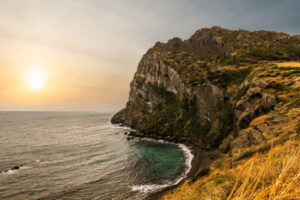
Yongduam Rock, also called Dragon Head Rock, is close to the city center and airport, making it one of the easiest coastal stops in Jeju City.
The area is popular, open, and generally safe during the day and early evening.
The main safety issue is the coastline itself.
Do not climb onto wet rocks or get too close to waves for photos, especially when the wind is strong.
Jeju Folklore and Natural History Museum
This is a calm, low-risk attraction for families, solo travelers, and anyone who wants context before exploring the island.
Museums in Jeju City are well organized, and this one gives visitors a helpful look at the island’s volcanic geography, marine life, and traditional culture.
It is also a good rainy-day option when outdoor conditions are poor.
Sarabong Park
Sarabong Park is a peaceful city park with walking paths, viewpoints, and local atmosphere.
It is generally safe during daylight and a good place for travelers who want a break from traffic and shopping streets.
As with any park, visit during normal hours, wear decent walking shoes, and avoid isolated paths late at night.
Jeju City Hotel Districts
Areas around major hotels, the airport, shopping streets, and main roads are among the safest bases for travelers.
They offer easy taxi access, restaurants, convenience stores, and better lighting.
Staying central reduces the need for late-night walking in quieter parts of the city and makes airport transfers much easier.
Places to Avoid in Jeju City
Isolated Coastal Areas at Night
Jeju City’s coastline is beautiful, but some stretches become very quiet after dark.
The danger is usually environmental rather than criminal: uneven rocks, poor lighting, slippery paths, rough waves, and limited help nearby.
If you want sunset photos, go early, stay near other people, and leave before the area empties out completely.
Overly Quiet Streets Behind Nightlife Areas
Jeju City has nightlife, especially around bars, restaurants, and entertainment streets.
These areas are usually safe, but the risk increases when alcohol, unfamiliar streets, and late-night wandering mix together.
Avoid cutting through dark side streets alone after drinking.
Use a taxi for even short rides if you are tired or unsure of the route.
Remote Trailheads Without Preparation
The city itself is urban, but travelers often use Jeju City as a base for nature trips.
Some trailheads and rural roads outside the city can feel remote, especially in bad weather.
Avoid spontaneous hikes without checking trail conditions, transportation back, and daylight hours.
Jeju’s scenery can make people underestimate how quickly weather and visibility change.
Busy Tourist Markets When Distracted
Dongmun Market and other crowded shopping areas are not dangerous, but they are places where careless travelers lose things.
Keep phones, passports, wallets, and shopping bags under control.
Do not place your phone on a food stall counter, do not hang a bag loosely on a chair, and do not carry your passport unless you truly need it.
Beaches During Rough Weather
Beaches near Jeju City can look calm one hour and wild the next.
Strong winds, waves, slippery volcanic rock, and sudden rain can make coastal visits risky.
Avoid swimming when warning signs are posted, when locals are staying out of the water, or when lifeguards are not present.
The sea is not the place to test your optimism.
Safety Tips for Traveling to Jeju City
- Check the weather every morning. Jeju’s weather can be dramatic, even when the day starts beautifully. Because the island sits exposed in the Korea Strait, wind, rain, fog, and rough seas can change your plans quickly. This matters for coastal walks, ferries, hiking, and driving. During typhoon season, take weather alerts seriously and do not plan long outdoor days when heavy rain is expected.
- Be careful if you rent a car. Renting a car is popular on Jeju because many attractions are spread out, but driving is one of the bigger safety challenges for tourists. Roads are generally good, but drivers unfamiliar with Korean signs, parking rules, roundabouts, scooters, and rural roads can get stressed. Get full insurance coverage, inspect the car before leaving, and avoid speeding on coastal roads.
- Use taxis or ride apps at night. Jeju City is safe at night, but late-night transportation is still smarter than wandering through unfamiliar streets. Taxis are generally reliable, and using a ride app or asking your hotel to call one can reduce language confusion. This is especially useful after drinks, during rain, or when your accommodation is outside the central hotel areas.
- Secure your valuables in markets and airport areas. Petty theft is not common, but travel mistakes are. The airport, Dongmun Market, bus terminals, and shopping streets are places where you are more likely to misplace something than have it stolen. Keep your phone in a zipped pocket or secure bag, do not leave bags unattended, and avoid flashing large amounts of cash while paying.
- Do not climb wet volcanic rocks. Jeju’s black lava coastline is stunning, and it is also slippery. Many travelers get too close to waves or climb rocks for photos. That is one of the easiest ways to turn a perfect travel day into a painful one. Wear shoes with grip, stay on marked paths, and remember that one dramatic photo is not worth a fall.
- Plan hikes with daylight and transport in mind. Even if you are staying in Jeju City, you may visit Hallasan or other trails. Hiking safety depends on timing, weather, and transportation. Start early, bring water, wear layers, and check whether trail entry times apply. Fog, rain, and wind can make trails harder than expected. Do not assume you can easily find a taxi from remote trail areas.
- Confirm seafood prices before ordering. Jeju is famous for seafood, and most restaurants are honest, but fresh seafood can be priced by weight or market rate. If you are ordering crab, sashimi, shellfish, or a large seafood platter, confirm the price before you commit. This avoids awkward surprises and helps you enjoy the meal instead of wondering whether you misunderstood the menu.
- Carry a translation app. English is spoken in many tourist-facing businesses, but not everywhere. A translation app helps with taxis, menus, medical needs, pharmacies, buses, and rental-car offices. It is also useful for reading warning signs at beaches, trails, and viewpoints. Download Korean language support before your trip so it works even when your signal gets weak.
- Respect ocean warnings and ferry conditions. Jeju’s island setting is part of its charm, but the sea deserves respect. Ferries, boat tours, and coastal activities can be delayed or canceled due to wind and waves. Do not pressure operators to go out in poor conditions, and do not ignore beach warnings. If the weather looks rough, switch to museums, cafes, markets, or indoor attractions.
- Keep emergency basics handy. South Korea has excellent emergency services, but tourists should still be prepared. Save your hotel address in Korean, carry your passport copy, keep travel insurance details accessible, and know how to contact local emergency help. Convenience stores and pharmacies are easy to find in Jeju City, but preparation matters more once you leave the urban core.
So... How Safe Is Jeju City Really?
Jeju City is genuinely safe for most travelers, and its risk profile is much more about nature, transportation, and common-sense travel habits than crime.
South Korea has a strong reputation for public safety, and Jeju Island feels even more relaxed than the country’s larger mainland cities.
Violent crime against tourists is rare, public infrastructure is solid, and the city is accustomed to domestic and international visitors.
The numbers that matter most for travelers are not just crime statistics.
Jeju Island receives millions of visitors in a typical year, and the overwhelming majority experience no serious safety issues.
The problems that do occur are usually predictable: rental-car accidents, weather disruptions, slips on coastal rocks, lost belongings, alcohol-related mistakes, and hiking misjudgments.
Compared with Seoul or Busan, Jeju City has less urban intensity, but it also has more exposure to weather.
Typhoons, heavy rain, and strong winds can affect flights, ferries, beach plans, and road conditions.
That is why I would call Jeju City low-risk overall, with a medium natural-disaster risk.
In practical terms, Jeju City is a place where you can relax.
Just do not switch your brain off completely.
Watch the weather, drive carefully, secure your belongings, and treat the coastline with respect.
How Does Jeju City Compare?
| City | Safety Index |
|---|---|
| Jeju City |
86 |
| Incheon |
69 |
| Seogwipo |
87 |
| Seoul |
85 |
| Busan |
87 |
| Gangneung |
84 |
 South Fulton South Fulton | 48 |
 Bouar Bouar | 17 |
 Bodden Town Bodden Town | 82 |
| San Angelo | 83 |
| Beloit | 60 |
| Marion | 68 |
Useful Information

Visas
Many tourists can visit South Korea visa-free for short stays, often up to 90 days, depending on nationality. Some travelers may need a K-ETA or visa, although temporary exemptions can apply for certain countries. Always check the latest entry rules before booking. When required, the K-ETA fee is usually modest and completed online before travel.

Currency
Jeju City uses the South Korean won. Credit cards are widely accepted in hotels, restaurants, convenience stores, and larger shops, but cash is useful for markets, buses, small food stalls, and rural stops. ATMs are available around the city and airport. Exchanging money at the airport is convenient, though city rates may be better.

Weather
Jeju City has a mild island climate with humid summers, cooler winters, wind, and frequent weather changes. Spring and autumn are especially pleasant, while summer can bring heat, rain, and typhoon concerns. Pack layers, a light rain jacket, comfortable shoes, and sun protection. For winter trips, bring a warm jacket because coastal wind can feel sharp.

Airports
Jeju International Airport is the main airport for Jeju City and the entire island. It is very close to the city center, making transfers quick by taxi, bus, or rental car. Taxis are the easiest option for first-time visitors with luggage. Buses are cheaper, but routes and stops may take more planning.

Travel Insurance
Travel insurance is strongly recommended for Jeju City, especially if you plan to rent a car, hike, take ferries, or visit during storm season. A good policy should cover medical care, trip delays, cancellations, lost luggage, and rental-car incidents. Jeju is safe, but weather and outdoor activities make insurance a smart backup.
Jeju City Weather Averages (Temperatures)
Average High/Low Temperature
| Temperature / Month | Jan | Feb | Mar | Apr | May | Jun | Jul | Aug | Sep | Oct | Nov | Dec |
|---|---|---|---|---|---|---|---|---|---|---|---|---|
| High °C |
10 | 11 | 14 | 18 | 22 | 26 | 30 | 31 | 27 | 22 | 17 | 12 |
| Low °C |
3 | 3 | 6 | 10 | 15 | 20 | 24 | 25 | 21 | 15 | 9 | 5 |
| High °F |
50 | 52 | 57 | 64 | 72 | 79 | 86 | 88 | 81 | 72 | 63 | 54 |
| Low °F |
37 | 37 | 43 | 50 | 59 | 68 | 75 | 77 | 70 | 59 | 48 | 41 |
South Korea - Safety by City
| City | Safety Index |
|---|---|
| Busan | 87 |
| Gangneung | 84 |
| Incheon | 69 |
| Jeju City | 86 |
| Seogwipo | 87 |
| Seoul | 85 |