


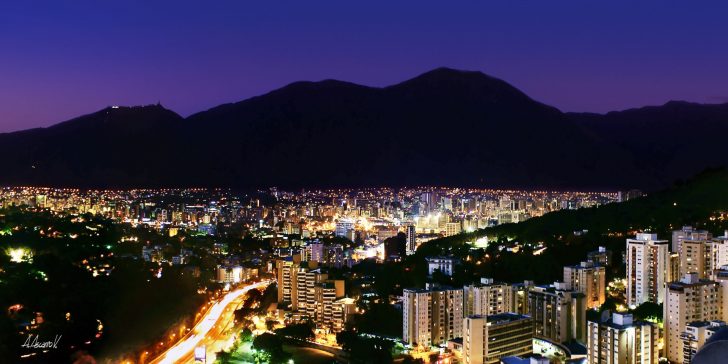
Caracas, the vibrant capital of Venezuela, is perched high in a valley of the Cordillera de la Costa mountain range, overlooking the Caribbean Sea.
Once a bustling cultural and economic heart of South America, the city has a tropical climate with lively neighborhoods, dynamic street art, and a rich blend of music, cuisine, and history.
With iconic spots like the towering Ávila National Park backdrop and plazas that echo spirited conversations, Caracas can be fascinating for adventurous travelers.
However, unlike many famous capitals, Caracas comes with serious safety concerns that cannot be ignored.
From high crime rates to political instability and infrastructure challenges, understanding the realities on the ground is the key to making an informed decision about visiting.
In this article, I share my findings, risks, and practical tips to help you decide if Caracas is worth your travel bucket list.
Warnings & Dangers in Caracas

OVERALL RISK: HIGH
Caracas carries a high-risk rating for travelers due to pervasive violent crime, political instability, and civil unrest. Governments assign Venezuela a Level 4 “Do Not Travel” advisory due to dangers including kidnapping, wrongful detention, and armed crime.

TRANSPORT & TAXIS RISK: HIGH
Public transport and taxis in Caracas pose significant safety concerns. Crime on buses and metro is common, and unregulated taxis can be targets for robbery or worse. Using pre-booked, reputable taxi services is essential.

PICKPOCKETS RISK: HIGH
In crowded places like markets and transit hubs, pickpocketing and petty theft are common. Travelers need to stay vigilant and keep a low profile with valuables secured.

NATURAL DISASTERS RISK: MEDIUM
Caracas lies in a region susceptible to earthquakes, and Venezuela’s Caribbean influence brings hurricane season from June to November. Flash flooding and heavy rain can disrupt travel, but these are less immediate threats than crime.

MUGGING RISK: HIGH
Armed robbery and express kidnappings occur throughout Caracas. These incidents often involve violence, and compliance is recommended if targeted. Do not travel at night or alone.

TERRORISM RISK: MEDIUM
Border areas near Colombia and other neighbors see activity from armed groups. While not typical terrorism in urban Caracas, these zones can be unsafe for travelers.

SCAMS RISK: MEDIUM
Scams include fake guides, dubious transport offers, and theft under the guise of friendliness. Staying alert and dealing only with known services helps reduce risk.

WOMEN TRAVELERS RISK: HIGH
Women face high safety risks due to street crime, sexual harassment, and limited reliable support services. Group travel and local guidance are crucial.

TAP WATER RISK: MEDIUM
Tap water in Caracas is often unreliable and may be unsafe to drink. Bottled water and careful food choices are advisable.
Safest Places to Visit in Caracas
If you still plan a visit, focus on safer, well-known areas and cultural highlights that many locals and some travelers still enjoy responsibly.
Altamira and El Rosal are upscale neighborhoods with better security presence, popular cafes, art galleries, and shopping.
These are considered among the most secure zones in the city and cater to visitors seeking local cuisine, nightlife, and cultural experiences.
Many hotels and guided tours concentrate around these districts due to their relatively stable environments.
Parque del Este is a green urban escape, ideal for daytime visits with groups.
It combines open spaces, local flora, and scenic views.
Adjacent areas often have higher visibility and activity, which can deter opportunistic crime when visited in numbers during daylight.
Ávila National Park offers hiking and vistas above the city.
If you plan outdoor adventures, go with a licensed guide who knows the routes and local conditions.
Museums like the Centro de Arte Los Galpones and Museo de Arte Contemporáneo de Caracas provide cultural insights and are located in parts of town with more consistent security protocols.
These institutions often host local and international exhibitions and are frequented by residents and foreign visitors alike, especially during special events.
As with any high-risk destination, daylight exploration, group travel, and local trusted contacts make these spots more navigable.
Nighttime and solo wandering outside main thoroughfares should be avoided.
Places to Avoid in Caracas
Many parts of Caracas are best left off an itinerary altogether due to crime and instability.
The term “barrios” refers to densely populated, informal neighborhoods where law enforcement presence is weak and criminal activity is high.
Areas in east and west Caracas, including some zones around Sabana Grande, are frequently highlighted as dangerous even during daytime.
These neighborhoods suffer from violent crime, armed robbery, and a lack of reliable infrastructure, making them unsafe for tourists.
The routes between Simón Bolívar (Maiquetía) International Airport and Caracas also have a troubling reputation.
Armed robberies and assaults have occurred along these roads, particularly after nightfall.
Even well-meaning travelers have been targeted shortly after arrival or departure.
Opting for pre-arranged transport from reputable providers is essential if you must use this route.
Beyond urban zones, attempts to explore rural or border regions, especially toward Colombia, Brazil, and Guyana, are strongly discouraged.
These areas see drug trafficking, violence, kidnappings, and armed groups, which dramatically increases the risk of harm to outsiders.
The instability at land borders can also lead to sudden closures and dangerous shifts in local conditions.
Overall, planning precise itineraries with vetted local guides and sidestepping high-crime neighborhoods is crucial.
Always check current advisories before travel and consider alternative destinations in Venezuela with stronger safety profiles.
Safety Tips for Traveling to Caracas
- Stay Informed With Official Advisories – Regularly check your government’s travel advisories for Venezuela before planning or continuing travel. These advisories are updated based on crime data, unrest, and diplomatic capacity.
- Use Reputable Transport Only – Avoid public transit. Book taxis through your hotel or trusted apps; unofficial vehicles greatly increase your risk of robbery or worse.
- Travel in Groups – Solo travel dramatically raises danger. Groups deter thieves and reduce vulnerability, especially for women travelers.
- Avoid Nighttime Movement – Crime spikes after dark. Plan all excursions and transfers between daylight hours, particularly outside main squares and busy districts.
- Keep a Low Profile – Don’t wear flashy clothing or display high-end electronics. This attracts unwanted attention and marks you as a target.
- Secure Documents and Money – Keep passports and funds in money belts or secure bags. Avoid ATMs in public locations; use hotel safes where possible.
- Be Smart With Accommodation – Choose hotels with strong security protocols, such as gated entrances, 24/7 concierge, and trusted reputations from reviews.
- Stay Aware of Political Events – Avoid rallies and demonstrations. These can turn violent quickly and disrupt travel.
- Register with Your Embassy – Before departure, register with your embassy’s traveler program to receive updates and notifications. This can be vital in emergencies.
- Have an Exit Plan – Understand exit routes and have contacts ready to help you leave if conditions worsen. This includes understanding airline policies when advisories are active.
So... How Safe Is Caracas Really?
The short answer is that Caracas is not a safe destination for most travelers.
Data from multiple government travel advisories paint a clear, troubling picture: high levels of violent crime, kidnapping, political volatility, and weak law enforcement response make the city riskier than many destinations.
Violent crime, including armed robbery, carjacking, and express kidnappings, is part of daily life in many neighborhoods.
Even well-funded travelers utilizing caution can run into danger zones if they stray from secure routes or trusted guides.
Scams and pickpockets compound risks, especially around crowded spaces like transit hubs or markets.
Political tension adds another safety layer.
Demonstrations or civil unrest can erupt without warning, leading to blockades, clashes, and rapid changes in local conditions that disrupt travel plans.
Essential services such as water, electricity, and medical supplies are inconsistent, further complicating emergency responses.
That said, travelers who insist on visiting often do so with local contacts, professional security, and meticulous planning.
Focus on safer areas, daylight exploration, and strict vigilance at all times.
But for the average traveler seeking a stress-free vacation, the current environment makes Caracas a destination to seriously reconsider.
How Does Caracas Compare?
| City | Safety Index |
|---|---|
 Caracas Caracas |
25 |
| Porlamar |
62 |
 Saint Pölten Saint Pölten | 90 |
 Pogradec Pogradec | 81 |
 Grenoble Grenoble | 68 |
 St. Cloud St. Cloud | 52 |
| Mount Charleston | 77 |
| Lakewood | 38 |
Useful Information

Visas
Most visitors must secure a Venezuelan tourist visa before arrival and cannot obtain one on entry. Processing often requires visits to an embassy or consulate abroad and can take several weeks. Be prepared with documentation and check the latest requirements with the Venezuelan diplomatic mission in your region.

Currency
Venezuela uses the Venezuelan bolívar (VES). Due to inflation and currency controls, tourists typically exchange major currencies like U.S. dollars or euros at authorized exchange houses or use prepaid travel methods. Cash dollars are sometimes preferred for services. Always verify rates and avoid street exchangers.

Weather
Caracas boasts a tropical climate, warm year-round, with a wet season from May through November. Pack light clothing, rain gear for the wetter months, and layers for evening breezes in elevated areas. Comfortable walking shoes are recommended if exploring parks or outdoor areas.

Airports
The main gateway to Caracas is Simón Bolívar International Airport. Travel to the city from the airport should be pre-arranged with a trusted service or hotel transport due to security concerns along routes. Avoid hailing taxis outside terminals.

Travel Insurance
Travel insurance is essential, covering medical evacuation, theft, and trip cancellations. Note that some insurers exclude Level 4 advisory countries, so confirm coverage includes Venezuela. If standard policies won’t cover Caracas, consider specialized plans focusing on high-risk destinations.
Caracas Weather Averages (Temperatures)
Average High/Low Temperature
| Temperature / Month | Jan | Feb | Mar | Apr | May | Jun | Jul | Aug | Sep | Oct | Nov | Dec |
|---|---|---|---|---|---|---|---|---|---|---|---|---|
| High °C |
27 | 28 | 29 | 29 | 29 | 28 | 27 | 28 | 28 | 28 | 28 | 27 |
| Low °C |
16 | 16 | 17 | 19 | 20 | 19 | 19 | 19 | 19 | 19 | 18 | 17 |
| High °F |
81 | 82 | 84 | 84 | 84 | 82 | 81 | 82 | 82 | 82 | 82 | 81 |
| Low °F |
61 | 61 | 63 | 66 | 68 | 66 | 66 | 66 | 66 | 66 | 64 | 63 |
Venezuela - Safety by City
| City | Safety Index |
|---|---|
| Caracas | 25 |
| Porlamar | 62 |










Is it really worth the risk to visit a place that sounds so amazing but also comes with a heavy warning about safety?
It’s hard to believe a place with such vibrant energy and delicious food can feel so threatened; you can sense the beauty in the streets but also the tension that hangs in the air.
It’s such a shame because the vibe in Caracas is something really special, with those stunning views and the delicious food; it just feels like a missed opportunity with all the challenges going on.
I had a blast wandering around Caracas, but the vibe feels a bit off with all the warnings buzzing around. The contrast of stunning views and the food scene is just wild, though!
Did you really find those lively neighborhoods as vibrant as they sound, or were they a bit overshadowed by the safety worries everyone talks about?
The image of the Ávila looming over colorful street art made me want to stroll the plazas, but around town I felt a knot in my stomach thinking about the high crime and the frequent blackouts, so I would only go with plans to hide my phone and stay close to people I trust.
Been here long enough to know the Ávila view really is unbeatable, but I still get a knot in my stomach walking certain barrios at dusk.
Having wandered those plazas at dusk and felt tense near the Ávila overlook, would you still tell someone to put Caracas on their must-see list despite the safety and infrastructure warnings?
Did you notice if people outside the tourist spots were welcoming despite the safety issues?
I once wandered through those colorful streets myself and yeah, the energy is unreal but you definitely have to keep your guard up, especially after dark.