


 South Korea : Safety by City
South Korea - safety as a country
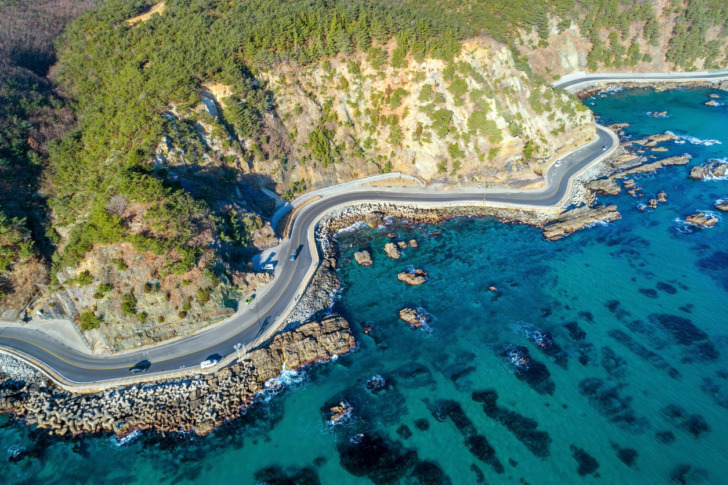
Gangneung is one of South Korea’s most lovable coastal cities, sitting on the country’s eastern shoreline in Gangwon Province, between the pine-lined beaches of the East Sea and the rugged Taebaek Mountains.
It is the kind of place where you can start your day with sunrise at Gyeongpo Beach, spend the afternoon exploring old Confucian houses, and finish with coffee on Anmok Coffee Street while the waves do their dramatic little ocean performance.
Gangneung also gained international attention during the 2018 Winter Olympics, when it hosted several ice events.
For travelers, the city feels calmer than Seoul or Busan, but not sleepy.
It has beaches, markets, museums, mountain access, seafood, and enough local character to make it more than just a beach stop.
Warnings & Dangers in Gangneung

OVERALL RISK: LOW
Gangneung is generally a very safe destination for travelers. South Korea has low violent crime levels, reliable infrastructure, and a strong public-safety culture. Most visitors are more likely to deal with weather changes, beach safety, language barriers, or transportation confusion than serious crime. Normal travel awareness is usually enough here.

TRANSPORT & TAXIS RISK: LOW
Public transportation, intercity buses, trains, and taxis in Gangneung are safe and dependable. The KTX connection from Seoul makes the city easy to reach, and taxis are widely used. The biggest issue is convenience, not danger, since some scenic areas are spread out and bus schedules may be less frequent than in major cities.

PICKPOCKETS RISK: LOW
Pickpocketing is not a major concern in Gangneung, especially compared with large global tourist cities. Still, beaches, markets, festivals, cafés, and train stations can get busy. Keep your phone, wallet, passport, and bag secure in crowded areas, particularly around Jungang Market, Gyeongpo Beach, and major holiday weekends.

NATURAL DISASTERS RISK: MEDIUM
Gangneung’s natural-disaster risk is higher than its crime risk. The city is exposed to typhoons, heavy rain, strong coastal winds, winter cold, occasional wildfire risk in the surrounding mountains, and rough seas. Beachgoers should pay attention to swimming flags and weather alerts, especially during summer storms and typhoon season.

MUGGING RISK: LOW
Muggings are rare in Gangneung. The city has a calm atmosphere, and tourists are unlikely to encounter violent street crime. That said, quiet beach roads, dimly lit side streets, and nightlife areas still deserve common-sense caution after dark. Walk with others when possible and avoid drinking to the point of vulnerability.

TERRORISM RISK: LOW
Gangneung has a low terrorism risk. South Korea is a stable country with strong security systems, and Gangneung is not a likely target for international terrorism. Regional tensions involving North Korea sometimes make headlines, but they rarely affect daily life for tourists. Follow official guidance if an alert is ever issued.

SCAMS RISK: LOW
Tourist scams are not common in Gangneung. You may run into occasional overcharging at touristy restaurants, unclear taxi communication, or confusion with menus and prices, but organized scams are rare. Check prices before ordering seafood, use official taxis or ride apps, and confirm accommodation details before arrival.

WOMEN TRAVELERS RISK: LOW
Women travelers generally find Gangneung safe, including solo travelers. Streets, cafés, beaches, and public transportation are usually comfortable during the day and early evening. As anywhere, be more cautious late at night around bars, isolated beach areas, or after drinking. Stick to busy routes and use taxis when returning late.

TAP WATER RISK: LOW
Tap water in Gangneung is generally safe to drink, as in the rest of South Korea. Many locals still prefer bottled or filtered water for taste, and hotels often provide bottled water or water dispensers. Travelers with sensitive stomachs may prefer bottled water, but tap water is not considered a major health concern.
Safest Places to Visit in Gangneung
Gyeongpo Beach and Gyeongpo Lake
Gyeongpo is one of Gangneung’s best-known areas and a very comfortable place for tourists.
The beach is wide, scenic, and popular with families, couples, and domestic travelers.
Behind it, Gyeongpo Lake offers walking paths, bike routes, and calmer sightseeing away from the waves.
During peak summer, the area can be crowded, but it is still more about sunburn and misplaced flip-flops than serious danger.
Anmok Coffee Street
Anmok Coffee Street is one of the easiest places to recommend for a safe, relaxed visit.
It is lined with cafés overlooking the sea, making it ideal for solo travelers who want a low-pressure place to sit, people-watch, and enjoy the coast.
The main caution here is road traffic near the waterfront and slippery surfaces during rain or snow.
Ojukheon House and Museum
Ojukheon is one of Gangneung’s most important cultural sites and a safe, well-managed attraction.
It is connected with Korean history, scholarship, and traditional architecture, and the grounds are peaceful.
This is a great choice for travelers who want something slower and more educational than the beach scene.
Gangneung Jungang Market
Jungang Market is lively, delicious, and generally safe.
It is one of the best places to try local snacks, seafood, and Korean market foods.
The main safety tip is to watch your belongings in tight crowds and be careful around hot food stalls, scooters, and delivery traffic near the market streets.
Places to Avoid in Gangneung
Empty Beach Areas Late at Night
Gangneung’s beaches are beautiful, but quiet stretches of sand can feel isolated after dark, especially outside peak season.
The risk is still low, but travelers should avoid wandering alone in poorly lit beach areas late at night.
Stick to busier sections near cafés, hotels, restaurants, and main roads.
Rough Water and Unsupervised Swimming Spots
This is one of the biggest practical safety concerns in Gangneung.
The East Sea can look inviting, but currents, waves, sudden depth changes, and weather shifts can make swimming risky.
Avoid swimming outside designated areas, especially when lifeguards are not present.
Never ignore warning flags or local instructions.
Remote Mountain Roads in Bad Weather
Gangneung is close to mountain scenery, which is part of its charm.
However, roads outside the city can become more hazardous during heavy rain, snow, fog, or icy winter conditions.
Travelers driving rental cars should be careful on mountain routes and avoid unnecessary trips during severe weather.
Nightlife Streets After Heavy Drinking
Gangneung is not known for dangerous nightlife, but alcohol can create the same problems here as anywhere else: arguments, poor decisions, lost phones, and unsafe walks back to hotels.
Areas around bars, busy restaurants, and late-night drinking spots are best enjoyed with a clear plan for getting home.
Overcrowded Festival and Holiday Areas
Gangneung gets especially busy during summer beach season, long weekends, cherry blossom periods, and major events.
Crowds are not usually dangerous, but they increase the chance of lost belongings, traffic congestion, long waits, and minor accidents.
Book accommodation early and keep valuables secure.
Safety Tips for Traveling to Gangneung
- Take beach warnings seriously. Gangneung is a coastal city, and the sea is one of its biggest attractions. It is also one of the few places where travelers can get into real trouble. Swim only in marked areas, pay attention to lifeguards, and avoid the water during strong waves, storms, or red-flag conditions. The beach may look calm from a café window, but the East Sea can change moods quickly.
- Use the KTX or official buses when coming from Seoul. The KTX train makes Gangneung easy to reach and is one of the safest and most convenient options. Intercity buses are also reliable. If you are arriving late, check your hotel’s location ahead of time and plan your final taxi or bus connection before you get there. Gangneung is not difficult, but it is more spread out than many first-time visitors expect.
- Keep valuables close at markets and festivals. Pickpocketing is uncommon, but crowded tourist areas still require attention. At Jungang Market, beach events, train stations, and food streets, keep your bag zipped and your phone out of your back pocket. The goal is not paranoia. It is just avoiding the classic traveler mistake of leaving expensive things hanging around in busy public places.
- Check the weather before outdoor plans. Gangneung weather can shape your trip more than crime ever will. Summer can bring heat, humidity, and heavy rain. Winter can bring icy roads and cold coastal winds. Typhoon season can interrupt beach plans. Check the forecast before hiking, swimming, cycling, or taking day trips into the mountains.
- Be careful with seafood pricing. Gangneung is a great place for seafood, but prices can vary depending on the restaurant, season, and catch. Before ordering at seafood restaurants or markets, confirm the price, portion size, and preparation fee if applicable. This is less about scams and more about avoiding an awkward bill surprise.
- Use taxis wisely at night. Taxis in Gangneung are generally safe, but communication can be tricky if you do not speak Korean. Have your destination written in Korean, use a map app, or show the hotel address on your phone. After a late dinner or drinks, a taxi is usually smarter than a long walk through quiet streets.
- Do not rely only on English signage. Gangneung is tourist-friendly, but not every bus stop, menu, or local sign will be easy for English speakers. Download offline maps, translation apps, and your hotel address before exploring. Learning a few basic Korean phrases or recognizing Hangul can make your trip smoother and reduce small travel mistakes.
- Watch for bikes, scooters, and cars near tourist areas. Gangneung has beach roads, market streets, and café areas where pedestrians, cars, cyclists, and scooters sometimes share tight spaces. Look both ways, even on smaller roads, and be cautious when stepping out from parked cars or walking near beach parking lots.
- Dress for wind, not just temperature. The coast can feel colder than the forecast suggests, especially in winter, spring, and after sunset. Bring layers, a windbreaker, and comfortable shoes if you plan to walk along beaches, lakes, or waterfront paths. In summer, sunscreen and a hat are must-haves because beach exposure adds up fast.
- Save emergency numbers and your hotel details. South Korea’s emergency systems are reliable, but it helps to be prepared. Save your hotel name, address, and phone number in Korean and English. Keep your passport copy separate from the original. For emergencies, know that Korea uses 112 for police and 119 for fire or medical help.
So... How Safe Is Gangneung Really?
Gangneung is very safe for most travelers, especially when judged by the issues tourists usually care about: violent crime, street harassment, theft, transportation reliability, and general public order.
It is not the kind of city where travelers need to constantly look over their shoulders.
In fact, the biggest risks are usually environmental and practical rather than criminal.
South Korea has a strong reputation for safety, and Gangneung benefits from that national infrastructure.
Public transportation is orderly, taxis are regulated, streets are generally calm, and tourist areas are well used by locals and visitors.
The city’s beach culture is relaxed, but not chaotic in the way some party-heavy beach destinations can be.
The main safety concerns are seasonal.
Summer brings beach crowds, heat, storms, and water-safety issues.
Winter can mean cold winds, icy surfaces, and snow in nearby mountain areas.
Typhoon-season travel requires flexibility.
Nightlife is not especially dangerous, but alcohol-related mistakes are always possible.
My honest take is this: Gangneung is a low-risk destination, but it rewards travelers who respect nature.
If you stay alert around the sea, check the weather, use normal city smarts, and avoid isolated areas late at night, Gangneung is one of the easier and more relaxing Korean cities to visit.
How Does Gangneung Compare?
| City | Safety Index |
|---|---|
| Gangneung |
84 |
| Incheon |
69 |
| Jeju City |
86 |
| Seoul |
85 |
| Busan |
87 |
| Seogwipo |
87 |
 Belgrade Belgrade | 70 |
 Nacogdoches Nacogdoches | 78 |
| Wyoming | 70 |
 Warsaw Warsaw | 83 |
| San Leandro | 78 |
 Salalah Salalah | 86 |
Useful Information

Visas
Many tourists can visit South Korea visa-free for short stays, depending on nationality. Some travelers may need a Korea Electronic Travel Authorization before arrival, though rules can change by passport type and year. Check requirements before booking. Visa-free stays are often up to 90 days, but this depends on your country.

Currency
Gangneung uses the South Korean won. Credit cards are widely accepted in hotels, cafés, restaurants, and convenience stores, but cash is useful for markets, smaller food stalls, buses, and older local shops. ATMs are common, though not all accept foreign cards, so use bank ATMs when possible.

Weather
Gangneung has four distinct seasons. Summers are warm and humid, with beach weather and occasional heavy rain. Winters are cold, windy, and sometimes snowy, especially near mountain areas. Spring and autumn are the most comfortable seasons. Pack layers, comfortable walking shoes, sunscreen in summer, and a warm coat in winter.

Airports
Gangneung does not have a major international airport. Most international travelers arrive through Incheon International Airport near Seoul, then take the KTX train or bus to Gangneung. Yangyang International Airport is closer but has limited flight options. The KTX from Seoul is usually the easiest route for most visitors.

Travel Insurance
Travel insurance is strongly recommended for Gangneung, especially if your trip includes beaches, hiking, winter activities, or long-distance transportation. A good policy should cover medical care, trip delays, lost luggage, cancellations, and emergency support. South Korea has excellent healthcare, but visitors may still face high out-of-pocket costs without coverage.
Gangneung Weather Averages (Temperatures)
Average High/Low Temperature
| Temperature / Month | Jan | Feb | Mar | Apr | May | Jun | Jul | Aug | Sep | Oct | Nov | Dec |
|---|---|---|---|---|---|---|---|---|---|---|---|---|
| High °C |
4 | 6 | 10 | 16 | 21 | 24 | 26 | 27 | 24 | 19 | 13 | 7 |
| Low °C |
-4 | -2 | 2 | 7 | 12 | 17 | 21 | 22 | 17 | 11 | 5 | -1 |
| High °F |
39 | 43 | 50 | 61 | 70 | 75 | 79 | 81 | 75 | 66 | 55 | 45 |
| Low °F |
25 | 28 | 36 | 45 | 54 | 63 | 70 | 72 | 63 | 52 | 41 | 30 |
South Korea - Safety by City
| City | Safety Index |
|---|---|
| Busan | 87 |
| Gangneung | 84 |
| Incheon | 69 |
| Jeju City | 86 |
| Seogwipo | 87 |
| Seoul | 85 |












Did you find the coffee on Anmok Coffee Street to be as good as people say or is it more about the vibe by the waves?
Did you happen to catch how the coffee shops on Anmok Coffee Street get really lively in the evening or is that just me imagining things?