


 Malaysia : Safety by City
Malaysia - safety as a country
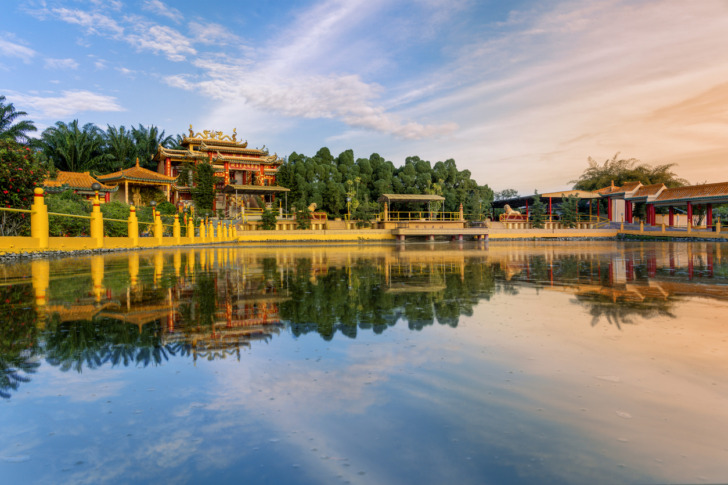
Ipoh is one of those Malaysian cities that quietly sneaks up on travelers.
Sitting in the state of Perak, about halfway between Kuala Lumpur and Penang, it is surrounded by limestone hills, cave temples, old tin-mining heritage, and some of the best street food in the country.
This is the kind of place where you can spend the morning exploring colorful old-town murals, the afternoon wandering through a cave temple, and the evening arguing with yourself about whether chicken rice, curry mee, or white coffee deserves the day’s top prize.
From a safety point of view, Ipoh is generally one of Malaysia’s calmer city breaks.
It is not crime-free, of course, but most visitors who use normal urban awareness should find it comfortable, friendly, and easy to explore.
Warnings & Dangers in Ipoh

OVERALL RISK: LOW
Ipoh is generally safe for tourists, especially compared with larger, busier cities in Southeast Asia. Most issues visitors face are minor: traffic, occasional petty theft, heat, rain, and uneven sidewalks. Violent crime against tourists is uncommon, and the city has a relaxed pace. Still, it is a real city, so do not treat it like a theme park.

TRANSPORT & TAXIS RISK: LOW
Transport risk in Ipoh is low, but not perfect. Grab is usually the easiest and safest way to get around, especially at night or when visiting cave temples outside the center. Local buses exist but may not be convenient for short trips. Road crossings require attention, and traffic can feel unpredictable around busy junctions.

PICKPOCKETS RISK: LOW
Pickpocketing is not a major problem in Ipoh, but it can happen in crowded food courts, markets, bus terminals, and tourist-heavy streets. The risk is lower than in many major tourist cities, yet it is still smart to keep your phone, wallet, and passport secure. Old Town gets busy enough for casual bag snatching opportunities.

NATURAL DISASTERS RISK: MEDIUM
The main natural risk in Ipoh is heavy rain, especially during monsoon and inter-monsoon periods. Flash flooding, slippery roads, falling branches, and landslides can affect parts of Perak. Ipoh is not usually a high-drama disaster destination, but tropical rain here can be intense. Avoid river areas, caves, and hiking trails during severe weather.

MUGGING RISK: LOW
Mugging risk is low in the main tourist areas, but I would still avoid wandering alone late at night through poorly lit backstreets, isolated parking areas, or quiet lanes behind shop rows. Most tourist visits are trouble-free, but opportunistic crime can happen anywhere. Use rideshares after dark if you are far from your hotel.

TERRORISM RISK: LOW
Ipoh is not considered a major terrorism target, and Malaysia’s general tourist areas are usually stable and well-policed. The broader region has had terrorism-related concerns in the past, but Ipoh itself is a low-risk destination. As always, stay aware in crowded public places, transportation hubs, large events, and religious sites.

SCAMS RISK: LOW
Scams in Ipoh are usually low-level rather than elaborate. Tourists may run into inflated taxi prices if they do not agree on a fare or use an app, occasional overcharging at touristy stalls, or confusing tour pricing. Use Grab, check menus before ordering, and book cave, food, or day tours through reputable providers.

WOMEN TRAVELERS RISK: LOW
Women travelers usually find Ipoh comfortable, especially in the central tourist areas, cafes, malls, hotels, and food streets. The city is fairly conservative in tone, so modest, practical clothing helps avoid unwanted attention. Solo women should use the same precautions they would in any city: avoid isolated late-night walks and use trusted transport.

TAP WATER RISK: MEDIUM
Tap water in Ipoh is generally treated, but many travelers prefer bottled or filtered water to avoid stomach issues. Hotels often provide drinking water, and convenience stores are everywhere. I would use bottled water for drinking and brushing teeth if you have a sensitive stomach. Ice in established restaurants and cafes is usually fine.
Safest Places to Visit in Ipoh
Ipoh Old Town
Ipoh Old Town is one of the best and safest areas for first-time visitors.
It is walkable, lively during the day, and packed with cafes, heritage buildings, street art, and famous food stops.
The Concubine Lane area can get crowded, but that crowd is mostly families, domestic tourists, and food hunters.
Keep your bag close, but otherwise it is a very comfortable place to explore.
Ipoh New Town
New Town is busier and more commercial, but it is still a practical base for travelers.
You will find restaurants, bakeries, coffee shops, hotels, and local businesses.
It feels less polished than Old Town in some places, but it is not especially dangerous.
Stick to main streets at night and use Grab if your hotel is tucked away.
Kek Lok Tong and Sam Poh Tong
Ipoh’s cave temples are among its safest and most memorable attractions.
Kek Lok Tong, Sam Poh Tong, and nearby limestone temple sites are peaceful, photogenic, and popular with visitors.
The biggest safety issues are slippery surfaces, heat, stairs, and monkeys in some areas.
Do not feed animals, watch your footing, and avoid visiting during heavy rain.
Lost World of Tambun
For families, Lost World of Tambun is one of the easiest tourist zones around Ipoh.
It is organized, self-contained, and located in a resort-style area northeast of the city center.
The surrounding Tambun area is also popular for hot springs, limestone scenery, and family stays.
Use normal water-park safety, keep children supervised, and secure valuables in lockers.
Malls and Hotel Districts
Ipoh Parade, Aeon shopping areas, and established hotel zones are safe, convenient places to escape the heat or rain.
Malls are also useful if you want ATMs, pharmacies, clean restrooms, or a predictable meal.
These areas are not the most atmospheric parts of Ipoh, but they are practical and low-stress.
Places to Avoid in Ipoh
Quiet Backstreets Late at Night
Ipoh is safer than many big cities, but quiet streets behind rows of shops can feel deserted after businesses close.
These areas are not necessarily dangerous, but they create the exact conditions where petty crime is easier: low visibility, few witnesses, and limited transportation.
If you are walking back after dinner, stay on lit main roads or call a Grab.
Isolated Parks and River Areas After Dark
During the day, green spaces and riverside areas can be pleasant, but I would not make isolated outdoor areas part of a late-night itinerary.
Poor lighting, sudden rain, mosquitoes, and a lack of people make them less comfortable.
This is especially true during rainy periods when drains, rivers, and low-lying paths can become risky.
Flood-Prone Roads During Heavy Rain
Ipoh and the wider Perak region can experience flash flooding during intense rain.
Avoid driving through water-covered roads, even if locals seem to be trying it.
Floodwater can hide potholes, open drains, or stalled vehicles.
If a road looks questionable, turn around.
It is not worth gambling a rental car, scooter, or taxi ride on muddy water.
Empty Industrial or Outskirt Areas
Ipoh has industrial zones and suburban edges that tourists rarely need to visit.
These areas are not attractions, and they can be difficult to navigate without a car.
Stray dogs, heavy vehicles, poor lighting, and limited pedestrian infrastructure make them bad choices for casual wandering.
If you are heading to a specific restaurant or attraction outside the center, use a rideshare.
Cave and Hill Areas During Storms
Ipoh’s limestone scenery is beautiful, but caves, hills, stairs, and temple paths are not ideal during downpours.
Wet stone can be slippery, branches may fall, and visibility can drop quickly.
If the sky turns dramatic, postpone cave temples, hikes, and outdoor photo stops.
Ipoh’s food scene will still be there, heroically waiting.
Safety Tips for Traveling to Ipoh
- Use Grab for easy, trackable transport. Ipoh is not huge, but attractions are spread out enough that walking everywhere is not realistic. Grab is usually the simplest option for tourists because fares are shown in advance, routes are tracked, and you avoid awkward taxi negotiations. This is especially useful for cave temples, Tambun, the airport, and late-night returns to your hotel.
- Keep your valuables close in Old Town. Old Town is safe and fun, but busy streets create petty theft opportunities. Use a crossbody bag, keep your phone away from the edge of outdoor tables, and do not leave cameras or wallets sitting beside you at cafes. The mood is relaxed, but that is exactly when travelers stop paying attention.
- Plan around the heat. Ipoh can be hot, humid, and surprisingly draining if you are walking between murals, temples, and food stops. Carry water, wear breathable clothes, and take breaks in cafes or malls. Heat exhaustion is not a glamorous travel story. It is mostly just sweating, regretting your choices, and paying too much for emergency cold drinks.
- Be careful during heavy rain. Tropical rain in Ipoh can arrive hard and fast. Roads may flood, traffic slows down, and outdoor attractions become slippery. Pack a small umbrella or light rain jacket, but more importantly, be willing to change plans. If you see water pooling across a road, do not walk or drive through it casually.
- Choose a central hotel if you like walking. For the easiest visit, stay near Old Town, New Town, or a well-reviewed hotel with good transport access. Being central reduces your need for late-night rides and makes it easier to find food, shops, and ATMs. A cheap hotel far from everything can cost more in time, transport, and annoyance.
- Watch your step at cave temples. Ipoh’s cave temples are gorgeous, but they involve stairs, uneven stone, dark corners, and sometimes wet surfaces. Wear shoes with grip and avoid rushing for photos. Also, keep snacks hidden if monkeys are nearby. Monkeys look cute until one decides your plastic bag is a personal invitation.
- Use ATMs in banks or malls. Ipoh has plenty of ATMs, but the safest ones are inside banks, malls, or busy commercial areas. Avoid withdrawing large amounts of cash at night or in isolated locations. Malaysia is still very cash-friendly for small food stalls, so carry some ringgit, but do not walk around with your whole trip budget.
- Check prices before eating or booking tours. Ipoh is good value, but tourists should still confirm prices before ordering seafood, taking informal tours, or arranging private transport. Most vendors are honest, but misunderstandings happen. If a menu has no prices and the place feels touristy, ask first. Your stomach deserves adventure. Your wallet deserves boundaries.
- Dress comfortably but respectfully. Ipoh is multicultural and fairly relaxed, but Malaysia is more modest than some beach destinations. Light clothing is fine, but bring something that covers shoulders or knees when visiting temples or religious sites. You will also want comfortable walking shoes, because Ipoh’s sidewalks can be uneven and the city rewards wandering.
- Do not overpack your itinerary. Ipoh is best enjoyed slowly: coffee, cave temples, murals, noodles, repeat. Rushing around in the heat increases your chance of dehydration, transport mistakes, and careless moments with valuables. Build your day around two or three main stops, then leave room for food discoveries. Ipoh is not a city to conquer. It is a city to nibble through.
So... How Safe Is Ipoh Really?
Ipoh is realistically a low-risk destination for most travelers.
It does not have the intensity of Kuala Lumpur, the late-night party energy of some beach destinations, or the heavy tourist crush of major regional capitals.
Its safety profile is shaped more by ordinary urban risks than by serious danger: petty theft, traffic, weather, heat, and occasional overcharging.
Malaysia as a whole is generally considered a safe country for tourists, with the biggest caution areas usually far from Ipoh, especially certain parts of eastern Sabah.
Ipoh, located in inland Perak, does not sit in those higher-risk zones.
For most visitors, the greatest daily risk is probably road safety.
Drivers may not always yield to pedestrians, rain can make roads slick, and sidewalks are inconsistent.
Crime does exist, but tourists are not usually targeted for violent incidents.
Pickpocketing and bag snatching are possible but not common enough to define the city.
Natural hazards deserve more respect: heavy rain, flash floods, and slippery limestone temple areas can turn a casual day into a messy one.
My honest take: Ipoh is safe, welcoming, and very manageable.
It is a good choice for families, couples, solo travelers, food lovers, and anyone who wants a Malaysian city that feels interesting without being overwhelming.
How Does Ipoh Compare?
| City | Safety Index |
|---|---|
| Ipoh |
82 |
| Johor Bahru |
68 |
| Penang |
58 |
| Petaling Jaya |
76 |
| Melaka |
82 |
| Kuching |
81 |
| Kota Kinabalu |
81 |
 Llano Llano | 83 |
 Bremen Bremen | 65 |
| Alpharetta | 86 |
| Bardstown | 89 |
| Tinley Park | 86 |
| Mehlville | 73 |
Useful Information

Visas
Many tourists can enter Malaysia visa-free for short stays, often up to 30 or 90 days depending on nationality. Entry rules can change, so check requirements before booking. Malaysia does not usually charge a visa fee for visa-free visitors, but travelers should have a valid passport, onward ticket, and proof of accommodation.

Currency
Ipoh uses the Malaysian ringgit. Credit cards work in hotels, malls, and many restaurants, but cash is useful for hawker stalls, markets, taxis, and smaller shops. ATMs are widely available. Exchange money at licensed money changers or withdraw from bank ATMs rather than changing large amounts at hotels.

Weather
Ipoh is hot and humid year-round, with frequent rain and heavier downpours during wetter months. Pack lightweight clothing, comfortable walking shoes, sunscreen, insect repellent, and a small umbrella. Air conditioning can be strong indoors, so a light layer may help in malls, buses, or hotel lobbies.

Airports
Ipoh is served by Sultan Azlan Shah Airport, a small airport located close to the city center. Flights are limited, so many travelers arrive through Kuala Lumpur or Penang, then continue by train, bus, or car. From Ipoh airport, Grab and taxis are the easiest ways into town.

Travel Insurance
Travel insurance is a smart idea for Ipoh, even though the city is relatively safe. It can cover medical care, lost luggage, delayed flights, theft, and trip interruptions. Choose a policy that includes Malaysia, emergency medical treatment, and any adventure activities you plan, such as caving, rafting, or hiking nearby.
Ipoh Weather Averages (Temperatures)
Average High/Low Temperature
| Temperature / Month | Jan | Feb | Mar | Apr | May | Jun | Jul | Aug | Sep | Oct | Nov | Dec |
|---|---|---|---|---|---|---|---|---|---|---|---|---|
| High °C |
31 | 32 | 33 | 33 | 33 | 33 | 32 | 32 | 32 | 31 | 31 | 31 |
| Low °C |
23 | 23 | 24 | 24 | 24 | 24 | 23 | 23 | 23 | 23 | 23 | 23 |
| High °F |
88 | 90 | 91 | 91 | 91 | 91 | 90 | 90 | 90 | 88 | 88 | 88 |
| Low °F |
73 | 73 | 75 | 75 | 75 | 75 | 73 | 73 | 73 | 73 | 73 | 73 |
Malaysia - Safety by City
| City | Safety Index |
|---|---|
| Ipoh | 82 |
| Johor Bahru | 68 |
| Kota Kinabalu | 81 |
| Kuala Lumpur | 70 |
| Kuching | 81 |
| Melaka | 82 |
| Miri | 76 |
| Penang | 58 |
| Petaling Jaya | 76 |














Which stall do you think serves the most addictive white coffee around here?
Did you end up picking a favorite between chicken rice, curry mee, or white coffee after all that debating? I swear the white coffee there hits different when you’ve been wandering around all day.