


 Malaysia : Safety by City
Malaysia - safety as a country
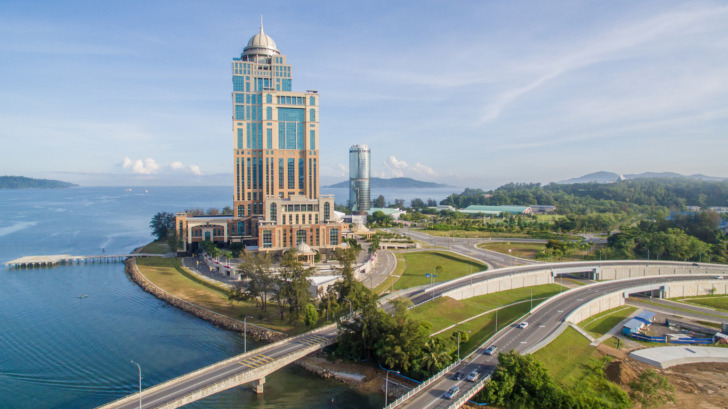
Kota Kinabalu, often shortened to KK, is the breezy capital of Sabah on the northwest coast of Borneo, facing the South China Sea with Mount Kinabalu rising inland like a giant green wall.
It is one of Malaysia’s most relaxed city breaks, mixing waterfront sunsets, island-hopping, night markets, seafood, mosques, rainforest day trips, and easy access to national parks.
I like Kota Kinabalu because it feels more manageable than Kuala Lumpur and less chaotic than many Southeast Asian capitals, but it is still a real city with traffic, petty crime, and tourist traps.
Most travelers visit safely, especially if they stick to central areas, use reputable transport, and treat the sea, weather, and nightlife with sensible caution.
Warnings & Dangers in Kota Kinabalu

OVERALL RISK: MEDIUM
Kota Kinabalu is generally safe for tourists, especially compared with larger regional cities. Violent crime against visitors is uncommon in the central tourist areas, and most problems involve petty theft, traffic hazards, poor planning around boat trips, or alcohol-related trouble at night. The wider Sabah region requires more caution, especially remote eastern coastal and maritime areas.

TRANSPORT & TAXIS RISK: MEDIUM
Transport is usually manageable, but not perfect. Ride-hailing apps are the easiest option for tourists, while ordinary taxis may require fare negotiation. Roads can be busy, motorbikes weave through traffic, and rain can make driving conditions worse. For island trips, use licensed operators and avoid informal boats that lack safety gear.

PICKPOCKETS RISK: MEDIUM
Pickpocketing is not rampant, but it does happen in crowded places such as markets, waterfront areas, bus stations, shopping streets, and nightlife zones. The risk rises when travelers are distracted by phones, bags, cameras, or street food stalls. Keep valuables zipped, avoid back pockets, and do not leave bags hanging on chairs.

NATURAL DISASTERS RISK: MEDIUM
Kota Kinabalu can experience heavy rain, flash flooding, rough seas, landslides in rural or hilly areas, and haze during certain periods. Sabah is also near seismically active areas, and Mount Kinabalu has experienced earthquakes in the past. Most city trips are unaffected, but outdoor plans need weather awareness.

MUGGING RISK: MEDIUM
Muggings are not a major daily concern for careful travelers, but they are possible, especially late at night, in quiet streets, poorly lit areas, or when someone is visibly carrying valuables. Bag snatching from motorbikes can happen in Malaysian cities, so walk away from the curb and keep bags on the inside shoulder.

TERRORISM RISK: MEDIUM
Kota Kinabalu itself is not usually considered a high-risk terrorism destination, but Sabah’s eastern coastal and island areas have a history of kidnapping threats from criminal and militant groups operating across maritime borders. KK is on the west coast and far from the highest-risk zones, but travelers should avoid risky eastern maritime routes.

SCAMS RISK: MEDIUM
Scams are usually small-scale: inflated taxi fares, overpriced tours, vague boat pricing, souvenir overcharging, or “special deal” sales pitches. Most locals are honest and friendly, but tourists should still confirm prices before accepting services. Be especially careful when booking tours from informal street sellers without clear reviews, receipts, or insurance details.

WOMEN TRAVELERS RISK: MEDIUM
Women travelers usually find Kota Kinabalu comfortable, particularly in central areas, malls, hotels, and organized tours. Solo female travelers should still avoid isolated beaches at night, use ride-hailing instead of walking alone late, and dress with moderate awareness because Sabah is culturally mixed and generally conservative outside beach settings.

TAP WATER RISK: MEDIUM
Tap water in Kota Kinabalu is not the best choice for short-term visitors. Locals may boil or filter it, but tourists should stick with bottled, filtered, or properly boiled water to avoid stomach problems. Use bottled water for drinking and brushing teeth if you have a sensitive stomach.
Safest Places to Visit in Kota Kinabalu
Kota Kinabalu Waterfront
The Kota Kinabalu Waterfront is one of the easiest places for visitors to enjoy the city safely.
It is central, busy, and full of restaurants, bars, sunset views, and people strolling in the evening.
I would still watch my phone and bag here, especially at night, but it is generally a comfortable tourist zone with plenty of visibility and transport access.
Gaya Street and the Sunday Market
Gaya Street is a popular area for cafés, small hotels, shops, and the famous Sunday market.
It is lively rather than dangerous, and during the day it is one of the better places to explore on foot.
The main safety issue is crowd-related petty theft, so keep valuables close while browsing.
Imago Shopping Mall and Suria Sabah
For a safe, air-conditioned break, Imago and Suria Sabah are useful landmarks.
They are good for shopping, food, ATMs, pharmacy runs, and escaping tropical rain.
Malls are not the reason you come to Borneo, obviously, but they are practical, easy, and safer than wandering randomly when you first arrive.
Tunku Abdul Rahman Marine Park
The islands near Kota Kinabalu, such as Manukan, Sapi, and Mamutik, are among the city’s best attractions.
They are generally safe when visited through licensed boat operators from Jesselton Point.
The biggest risks are sunburn, jellyfish, weak swimming skills, and booking cheap boat rides without proper safety standards.
Signal Hill and City Mosque Area
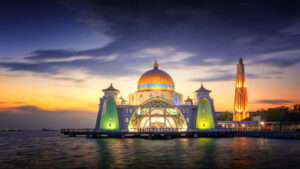
Signal Hill gives one of the best city views, and the Kota Kinabalu City Mosque is a photogenic stop north of the center.
Visit during daylight, use a ride-hailing app, and avoid wandering into quiet side roads.
These areas are generally safe but less convenient for casual late-night walking.
Places to Avoid in Kota Kinabalu
Quiet Streets Around the City Center Late at Night
The city center is not wildly dangerous, but some streets can feel empty after businesses close.
Avoid walking alone late at night through dark roads, alleys, back lanes, or areas with little foot traffic.
This is especially true if you have been drinking or carrying a camera, handbag, or phone openly.
Isolated Waterfront Spots After Dark
The main waterfront is lively, but quiet stretches near the sea, empty parking areas, and less monitored coastal corners are not ideal after dark.
Petty crime, harassment, or drunken behavior is more likely when there are fewer people around.
Stick to busy restaurant areas and use transport back to your hotel.
Informal Boat Operators and Unclear Island Tours
The islands are wonderful, but do not choose the cheapest boat simply because someone waves a brochure at you.
Avoid informal boatmen who cannot explain safety equipment, insurance, route, schedule, or weather cancellation rules.
Sea conditions can change quickly, and a badly organized island trip can ruin the day fast.
Remote Eastern Sabah Maritime Areas
This is the biggest regional warning.
Kota Kinabalu is on Sabah’s west coast, but travelers sometimes use KK as a gateway to other parts of Sabah.
Be cautious with remote islands, dive sites, and coastal areas in eastern Sabah, especially around routes closer to the Sulu Sea.
Kidnapping risks have historically affected maritime areas there.
Poorly Lit Bus Stops and Outlying Areas at Night
Some outlying parts of Kota Kinabalu are fine during the day but not interesting or useful for tourists at night.
Avoid waiting alone in dark areas for buses or unofficial transport.
Ride-hailing is usually worth the small extra cost, especially after dinner, during heavy rain, or when carrying luggage.
Safety Tips for Traveling to Kota Kinabalu
- Use ride-hailing apps when possible. Ride-hailing is one of the simplest ways to avoid fare confusion, language barriers, and awkward negotiation. It also gives you a route record and driver details. Regular taxis are available, but tourists can be quoted higher prices. For airport transfers, late-night rides, and trips outside the center, apps are usually the smoother choice.
- Book island trips through reputable counters or tour companies. Tunku Abdul Rahman Marine Park is a highlight of Kota Kinabalu, but the boat matters. Book through established operators, ask about life jackets, confirm the return time, and check whether marine park fees are included. Do not board a boat that looks overloaded, poorly maintained, or casual about weather conditions.
- Keep your phone secure in crowded areas. Phones are the easiest thing to lose in Kota Kinabalu because travelers constantly use them for maps, photos, menus, and ride apps. Hold your phone away from the road, do not leave it on restaurant tables, and avoid walking while staring at the screen. Crowded markets require extra awareness.
- Treat the sun like a real hazard. The tropical sun in Sabah is no joke. On island days, you can burn fast, even when it feels breezy. Use sunscreen, wear a hat, bring a rash guard if snorkeling, and drink more water than you think you need. Heat exhaustion can sneak up on travelers who pack their schedule too tightly.
- Be careful with street food timing and hygiene. Kota Kinabalu has excellent markets and seafood, and I would not tell anyone to skip them. Still, choose busy stalls with high turnover, avoid food that has been sitting out too long, and be cautious with raw or undercooked seafood. A bad stomach is not dangerous in most cases, but it can wreck a short trip.
- Avoid flashing valuables at night. Kota Kinabalu is fairly relaxed, but it is still a city. Leave expensive jewelry at the hotel, keep cameras discreet after dark, and do not pull out large amounts of cash in public. In bars or waterfront restaurants, keep your bag on your lap or between your feet, not over the back of a chair.
- Check weather before hiking or taking boats. Rain can change outdoor plans quickly in Sabah. If you are heading toward Kinabalu Park, waterfalls, rural roads, or the islands, check the forecast and listen to local operators. Rough seas, slippery trails, and sudden downpours are more realistic threats than dramatic crime scenarios.
- Do not assume all of Sabah has the same risk level. Kota Kinabalu is much safer and easier than some remote maritime areas of eastern Sabah. If your itinerary includes Sandakan, Semporna, dive islands, or boat routes near the eastern coast, research the current security situation carefully. The city of KK is one thing; isolated sea routes are another.
- Use ATMs inside banks or malls. Card use is common in hotels, malls, and better restaurants, but cash is still useful for markets, small food stalls, taxis, and island fees. Use ATMs in secure indoor locations, shield your PIN, and avoid withdrawing large amounts at night. Carry smaller notes for markets and transport.
- Choose your hotel location carefully. Staying central makes a big difference. Areas near the waterfront, Gaya Street, Jesselton Point, and major malls are convenient and easier for first-time visitors. A cheaper hotel far from the center may cost more in transport and reduce your ability to walk safely and comfortably.
So... How Safe Is Kota Kinabalu Really?
Kota Kinabalu is a generally safe travel destination when judged by the way most tourists actually experience it: city hotels, seafood restaurants, malls, markets, island day trips, and nature excursions.
The everyday risks are familiar ones: petty theft, traffic, sun exposure, food hygiene, occasional overcharging, and weather disruptions.
This is not a place where most travelers need to feel tense, but it is not a place where you should switch your brain off either.
The important detail is Sabah’s geography.
Kota Kinabalu sits on the west coast, while the more serious security concerns are usually connected to eastern Sabah’s coastal and island areas.
That distinction matters.
A traveler spending three days in KK, visiting Manukan Island, eating at night markets, and using ride-hailing apps faces a much lower risk profile than someone taking remote maritime routes near higher-risk eastern zones.
In practical terms, I would rate Kota Kinabalu as low to medium risk.
It is friendly, scenic, affordable, and easygoing, but the sea, weather, transport, and regional security context require respect.
For careful travelers, KK is absolutely worth visiting.
How Does Kota Kinabalu Compare?
| City | Safety Index |
|---|---|
| Kota Kinabalu |
81 |
| Miri |
76 |
| Kuching |
81 |
| Johor Bahru |
68 |
| Petaling Jaya |
76 |
| Melaka |
82 |
| Penang |
58 |
 Winston-Salem Winston-Salem | 47 |
 Johannesburg Johannesburg | 35 |
 Bab Bhar Bab Bhar | 56 |
 Cabo San Lucas Cabo San Lucas | 72 |
| Norwich | 91 |
| Bettendorf | 87 |
Useful Information

Visas
Malaysia allows many nationalities to enter visa-free for tourism, often for 30 or 90 days depending on passport country. Travelers should check entry rules before departure and make sure their passport has at least six months of validity. Sabah has immigration controls separate from Peninsular Malaysia, so keep travel documents handy when flying in.

Currency
Kota Kinabalu uses the Malaysian ringgit. Credit cards work well in hotels, malls, and larger restaurants, but cash is useful for markets, food stalls, small shops, taxis, and island fees. Exchange money at licensed money changers or withdraw from indoor ATMs. Avoid exchanging cash with random street offers.

Weather
Kota Kinabalu is hot, humid, and tropical year-round, with temperatures often around the high 20s to low 30s Celsius. Rain can happen at any time, though wetter periods bring heavier downpours. Pack light breathable clothes, sandals, a rain jacket, sunscreen, swimwear, and something modest for religious or cultural sites.

Airports
Kota Kinabalu International Airport is the main gateway and sits close to the city, usually about 15 to 25 minutes away by car depending on traffic. Ride-hailing and airport taxis are the easiest transfer options. The airport has domestic links across Malaysia and international flights from several Asian cities.

Travel Insurance
Travel insurance is strongly recommended for Kota Kinabalu, especially if you plan to visit islands, snorkel, dive, hike, or continue deeper into Sabah. Look for coverage that includes medical care, trip delays, lost bags, emergency evacuation, and adventure activities. Tropical weather and boat cancellations make insurance more useful than many travelers expect.
Kota Kinabalu Weather Averages (Temperatures)
Average High/Low Temperature
| Temperature / Month | Jan | Feb | Mar | Apr | May | Jun | Jul | Aug | Sep | Oct | Nov | Dec |
|---|---|---|---|---|---|---|---|---|---|---|---|---|
| High °C |
29 | 29 | 30 | 31 | 31 | 31 | 30 | 30 | 30 | 30 | 30 | 29 |
| Low °C |
23 | 23 | 23 | 24 | 24 | 24 | 24 | 24 | 24 | 24 | 23 | 23 |
| High °F |
84 | 84 | 86 | 88 | 88 | 88 | 86 | 86 | 86 | 86 | 86 | 84 |
| Low °F |
73 | 73 | 73 | 75 | 75 | 75 | 75 | 75 | 75 | 75 | 73 | 73 |
Malaysia - Safety by City
| City | Safety Index |
|---|---|
| Ipoh | 82 |
| Johor Bahru | 68 |
| Kota Kinabalu | 81 |
| Kuala Lumpur | 70 |
| Kuching | 81 |
| Melaka | 82 |
| Miri | 76 |
| Penang | 58 |
| Petaling Jaya | 76 |












So, did you really have to remind everyone to watch out for the usual tourist traps and petty crime like KK is some wild jungle? I’ve been there, and trust me, nothing feels more like a giant green wall than trying to find a decent parking spot during sunset.
Did you find any hidden spots for fresh seafood that aren’t swamped by tourists near the night markets?
The sunset by the waterfront really stuck with me, there’s something calming about watching the sky change colors while the city hums softly in the background.
Did you find any spots around the waterfront where locals hang out less crowded than the usual night markets?