 Bonaire : Safety by City
Bonaire - safety as a country
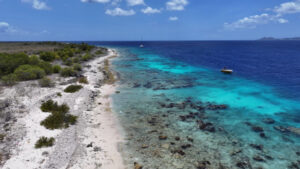
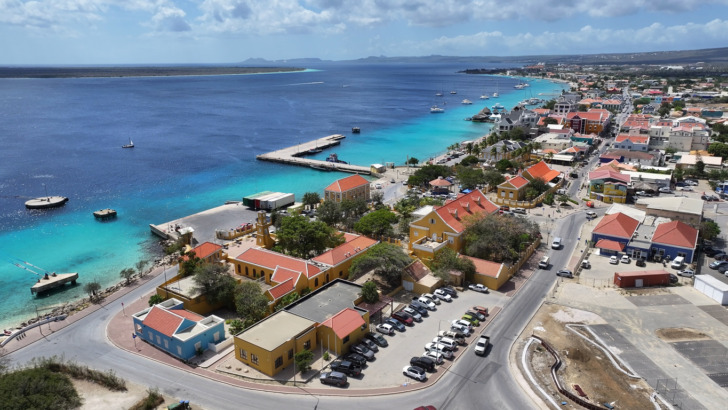
Belnem is a quiet coastal neighborhood on the southwestern side of Bonaire, just south of Kralendijk and Flamingo International Airport.
It is best known among divers and snorkelers because some of Bonaire’s famous shore-diving sites are practically on the doorstep.
The neighborhood consists mainly of villas, apartments, small resorts, and low-rise homes stretching along a dry, cactus-covered coastline with remarkably clear Caribbean water.
Bachelor’s Beach is the best-known local swimming spot, while the salt pans, Salt Pier, and southern dive sites are only a short drive away.
Belnem feels peaceful and residential rather than resort-heavy, and crime against tourists is relatively uncommon.
The biggest concerns are theft from unattended vehicles, diving accidents, strong sun, road safety, and entering unfamiliar water without understanding local conditions.
Warnings & Dangers in Belnem

OVERALL RISK: LOW
Belnem is a low-risk destination for most travelers. Bonaire has low overall crime levels, and this residential area is considerably quieter than many Caribbean resort districts. Opportunistic theft and vehicle break-ins are the most realistic criminal concerns. Diving, swimming, heat, sun exposure, and road accidents create more everyday risk than violent crime.

TRANSPORT & TAXIS RISK: LOW
Taxis and rental vehicles are generally safe, but having a rental car is especially useful in Belnem. Roads are relatively quiet, although lighting can be limited and goats or donkeys sometimes enter the roadway. Drive carefully after dark, watch for cyclists and scooters, and never combine diving, alcohol, fatigue, and driving.

PICKPOCKETS RISK: LOW
Pickpocketing is uncommon because Belnem has few crowded streets or major gathering places. Theft is more likely to involve belongings left in rental vehicles, on beaches, or beside dive sites. Carry only what you need, keep phones and wallets with you, and avoid leaving cameras, bags, or diving electronics visible inside a parked vehicle.

NATURAL DISASTERS RISK: MEDIUM
Bonaire lies south of the Caribbean’s main hurricane belt, so direct hurricane strikes are less frequent than on many islands farther north. Tropical storms can still bring heavy rain, flooding, wind, and rough seas. Intense heat, strong sunlight, coastal waves, and occasional flash flooding are more common environmental concerns.

MUGGING RISK: LOW
Mugging is uncommon in Belnem. The neighborhood is peaceful and primarily residential, with little late-night street activity. Visitors should still avoid wandering alone along dark coastal roads or isolated shoreline areas late at night. Keep valuables discreet and use a vehicle when returning to accommodation after evening activities.

TERRORISM RISK: LOW
The terrorism risk in Belnem is low. Bonaire has no significant recent history of terrorism and is not a major international political target. Normal awareness at airports and large public events is sensible, but terrorism should not influence an ordinary vacation itinerary here.

SCAMS RISK: LOW
Scams are not a major problem in Belnem. The more realistic issues involve misleading vacation rentals, unclear diving packages, vehicle rental charges, or questionable excursion offers. Confirm prices and insurance terms before paying, use established businesses, and carefully document any existing damage when collecting a rental car.

WOMEN TRAVELERS RISK: LOW
Belnem is generally safe for women, including solo travelers. The residential environment is quiet and comfortable, but isolated coastal roads become very dark after sunset. Women traveling alone should avoid remote nighttime walks, use trusted transportation, and take ordinary precautions when meeting unfamiliar people or visiting nightlife areas in Kralendijk.

TAP WATER RISK: LOW
Bonaire produces its drinking water from desalinated seawater, and tap water is safe to drink. Travelers can refill reusable bottles at their accommodation instead of constantly buying bottled water. This is particularly useful in Belnem because heat, wind, snorkeling, diving, and outdoor activities make proper hydration essential.
Safest Places to Visit in Belnem
Bachelor’s Beach
Bachelor’s Beach is Belnem’s most convenient coastal attraction and one of the easiest places to enter Bonaire’s famously clear water.
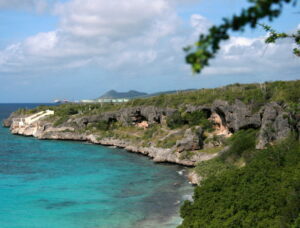
A small sandy area sits beneath a low cliff, with steps leading down from the road.
Visit during daylight, watch your footing on the stairs, and bring water shoes if you are uncomfortable walking across coral fragments.
Keep valuables with you rather than leaving them unattended above the beach.
Punt Vierkant
The Punt Vierkant area immediately south of Belnem is quiet, scenic, and lined with villas and shoreline access points.
It is especially popular with divers and visitors looking for peaceful sunsets.
The coast is rocky in places, so use established entry points rather than climbing across sharp coral formations.
Southern Dive Sites
The road south from Belnem provides access to numerous recognized shore-diving and snorkeling sites.
These are generally safe for experienced divers who understand local conditions and use proper equipment.
Never dive alone, check your air and equipment carefully, and make sure someone knows where you are going.
Salt Pier
Salt Pier is one of Bonaire’s most memorable dive and snorkeling locations.
The pier supports large schools of fish, coral growth, turtles, and other marine life.
Access may occasionally be restricted because the pier is also working industrial infrastructure.
Follow posted signs and never enter closed areas simply because other visitors are doing it.
Places to Avoid in Belnem
Belnem does not have dangerous neighborhoods or conventional tourist no-go zones.
The places worth avoiding are determined mostly by isolation, water conditions, theft risk, and industrial restrictions.
Remote Shore-Diving Sites After Dark
Night diving can be excellent on Bonaire, but inexperienced visitors should not casually attempt isolated entries after sunset.
Some sites have rocky entrances, limited lighting, and very little passing traffic.
Night dives should involve experienced partners, suitable lights, backup equipment, and a clear understanding of the entry and exit point.
Salt-Industry Restricted Areas
The southern part of Bonaire contains enormous salt ponds, industrial facilities, loading infrastructure, and restricted operating areas.
Enjoy the views from public roads and recognized viewpoints.
Do not enter fenced property, climb equipment, or wander onto salt-company land for photographs.
Unmarked Coastal Entries
Bonaire has dozens of shore-diviving locations, which can make almost every patch of coastline look inviting.
Some entries contain sharp coral, slippery rocks, waves, difficult exits, or boat traffic.
Use established dive sites rather than inventing your own entry point.
Empty Coastal Roads Late at Night
Belnem is safe, but sections of the coastal road can become almost completely empty after dark.
Walking along an unlit roadway is unnecessary and introduces risks from vehicles, uneven surfaces, animals, and isolation.
Use a rental vehicle or taxi for evening transportation.
Vehicles With Valuables Inside
A parked rental vehicle with cameras, phones, luggage, or dive computers visible inside is one situation I would actively avoid creating.
Opportunistic vehicle break-ins are among the most relevant crime risks for tourists on Bonaire.
Leave unnecessary valuables at your accommodation before visiting beaches or dive sites.
Safety Tips for Traveling to Belnem
- Never leave valuables in your rental car. This is probably my most important crime-related tip for Belnem. Bonaire is safe overall, but vehicle break-ins do occur at beaches and dive sites. Leave passports, laptops, jewelry, and unnecessary electronics at your accommodation. Carry essential items with you and keep the vehicle interior visibly free of tempting bags.
- Never dive alone. Bonaire’s easy shore access can make diving feel deceptively casual. Treat every dive seriously. Use a buddy, complete proper equipment checks, monitor depth and air supply, and establish an emergency plan before entering. If you have limited shore-diving experience, start with a local dive operator.
- Learn the entry before entering the water. Some Bonaire dive sites involve rocks, coral rubble, steps, or slippery surfaces. Stop for a minute and study where you will enter and, more importantly, where you will exit. Conditions may look different after a long dive, especially near sunset or when waves increase.
- Protect the coral and yourself. Do not stand on coral, grab it for balance, or kick it with fins. Coral can be sharp enough to cause painful cuts, and damaging it harms the reef that makes Bonaire special. Maintain proper buoyancy and use sandy or clearly established areas when adjusting equipment.
- Use serious sun protection. Bonaire is hot, dry, sunny, and windy. The breeze makes it surprisingly easy to underestimate ultraviolet exposure. Wear a hat, protective clothing, sunglasses, and reef-conscious sunscreen where appropriate. Drink water throughout the day, particularly between dives.
- Be careful driving at night. Street lighting around Belnem and southern Bonaire can be limited. Goats, donkeys, cyclists, scooters, and pedestrians may appear unexpectedly. Slow down and avoid staring at navigation apps while moving. If you need directions, stop somewhere safe before checking your phone.
- Do not drink heavily between dives. Alcohol contributes to dehydration and poor judgment, neither of which works well with diving. Save heavier drinking for after your final dive of the day. Give yourself enough time before driving, and remember that diving itself can leave you more tired than expected.
- Follow marine park rules. Bonaire’s reef is protected, and visitors should treat it accordingly. Do not remove coral, shells, marine animals, or other natural material. Follow instructions about protected zones, dive-site access, and required nature fees. Responsible behavior keeps both visitors and the reef safer.
- Monitor tropical weather. Bonaire is outside the busiest hurricane corridor, but tropical systems can still produce strong winds, heavy rain, rough seas, and flooding. Check conditions before boat trips and diving. If the water looks significantly rougher than usual, postponing a dive is smarter than proving how committed you are.
- Know where to get medical help. Belnem is close to Kralendijk, so basic medical care is not far away. Still, divers should know emergency procedures before entering the water. Save emergency contacts, carry insurance information, and tell your dive partner about relevant medical conditions. Serious emergencies may require treatment or evacuation beyond Bonaire.
So... How Safe Is Belnem Really?
Belnem is one of Bonaire’s safer and quieter places to stay.
It lacks crowded nightlife streets, major entertainment districts, and the concentrated tourist traffic that tends to create more opportunities for crime.
Most visitors will spend their time driving between beaches, diving, relaxing at a villa, and heading into Kralendijk for restaurants.
Crime is therefore not the issue I would worry about most.
Opportunistic theft deserves attention, particularly around vehicles parked at beaches and dive sites.
Removing visible valuables and securing important documents at your accommodation eliminates much of that risk.
The bigger safety story is the ocean.
Bonaire is famous because shore diving is unusually accessible, but accessibility should not be confused with zero danger.
Divers still face decompression illness, equipment problems, difficult entries, exhaustion, currents, and medical emergencies.
Snorkelers also need to remain aware of waves, boats, sharp coral, and changing conditions.
The island’s intense sun, dry climate, and persistent wind make dehydration and sunburn surprisingly easy as well.
Overall, I rate Belnem as low risk.
It is suitable for solo travelers, couples, families, and especially divers.
Secure your belongings, respect the reef, dive within your abilities, and drive carefully after dark.
For a Caribbean destination, the safety situation is refreshingly manageable.
How Does Belnem Compare?
| City | Safety Index |
|---|---|
| Belnem |
92 |
| Kralendijk |
83 |
| Hato |
90 |
| Lac Bay |
93 |
| Sorobon |
94 |
| Sabadeco |
94 |
 Evansville Evansville | 54 |
| Laconia | 74 |
 Kampong Cham Kampong Cham | 70 |
| Santa Cruz | 94 |
| Fair Haven | 75 |
| Janesville | 81 |
Useful Information

Visas
Visa requirements depend on nationality. Many travelers, including U.S. citizens and nationals of numerous European countries, can visit Bonaire without a visa for up to 90 days within a 180-day period. Travelers who need a short-stay Caribbean visa generally pay €80. International visitors also normally pay Bonaire’s US$75 visitor entry tax.

Currency
Bonaire uses the U.S. dollar, making everyday spending particularly simple for American visitors. Credit and debit cards are widely accepted at supermarkets, restaurants, hotels, dive shops, and car rental companies. Carry some cash for small purchases, tips, food trucks, and businesses where card terminals may occasionally be unavailable.

Weather
Belnem is warm, dry, and windy throughout the year, with temperatures commonly around 28°C to 32°C during the day. Rain is usually brief, although wetter conditions are more common later in the year. Pack lightweight clothes, swimwear, sun protection, sandals, water shoes, and a reusable water bottle.

Airports
Flamingo International Airport is immediately north of Belnem, making airport transfers extremely easy. Many accommodations are only five to ten minutes away by car. The airport handles regional and international flights, including connections through Curaçao, Aruba, Amsterdam, and several North American gateways depending on the season and airline schedules.

Travel Insurance
Travel insurance is recommended, and divers should pay especially close attention to medical and evacuation coverage. Make sure scuba diving, emergency treatment, lost equipment, rental vehicle damage, trip disruption, and medical evacuation are included. Check any maximum depth limits or certification requirements before assuming your diving activities are covered.
Belnem Weather Averages (Temperatures)
Average High/Low Temperature
| Temperature / Month | Jan | Feb | Mar | Apr | May | Jun | Jul | Aug | Sep | Oct | Nov | Dec |
|---|---|---|---|---|---|---|---|---|---|---|---|---|
| High °C |
31 | 31 | 31 | 32 | 32 | 33 | 33 | 33 | 33 | 32 | 31 | 31 |
| Low °C |
23 | 23 | 23 | 24 | 25 | 25 | 26 | 26 | 27 | 26 | 25 | 24 |
| High °F |
88 | 88 | 88 | 90 | 90 | 91 | 91 | 91 | 91 | 90 | 88 | 88 |
| Low °F |
73 | 73 | 73 | 75 | 77 | 77 | 79 | 79 | 81 | 79 | 77 | 75 |
Bonaire - Safety by City
| City | Safety Index |
|---|---|
| Belnem | 92 |
| Hato | 90 |
| Kralendijk | 83 |
| Lac Bay | 93 |
| Sabadeco | 94 |
| Sorobon | 94 |