 Bonaire : Safety by City
Bonaire - safety as a country
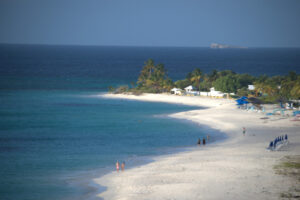
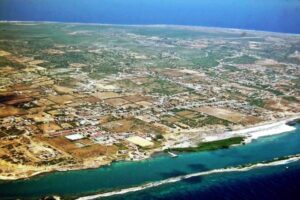
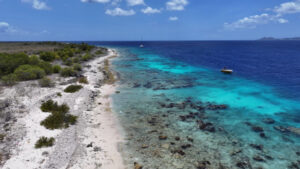
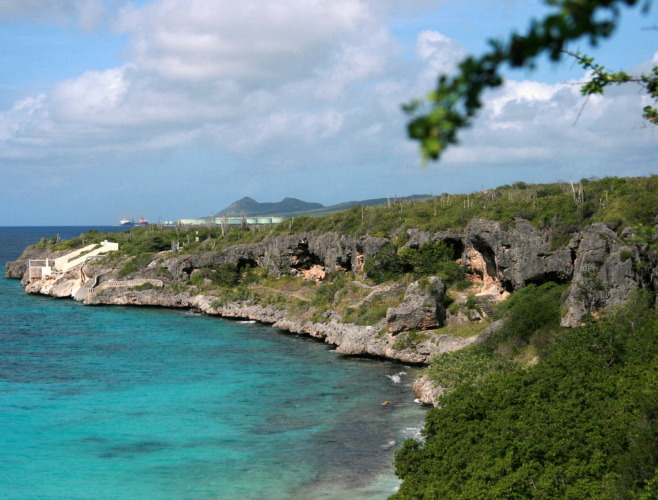
Lac Bay is one of Bonaire’s most distinctive natural areas, spreading across the island’s southeastern coast in a broad, shallow lagoon protected by coral reefs and bordered by mangroves.
The water is often only waist-deep for a surprising distance, while steady trade winds have turned the bay into one of the Caribbean’s best-known windsurfing destinations.
Sorobon Beach occupies the bay’s western side, Lac Cai sits farther east, and extensive mangrove forests provide nursery habitat for fish, turtles, birds, and other marine life.
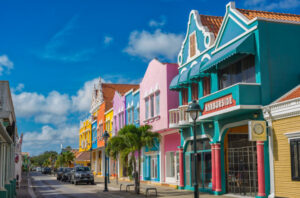
Unlike the busier waterfront around Kralendijk, Lac Bay feels open, quiet, and wonderfully undeveloped.
It is also very safe overall.
Crime is low, the water is generally calm inside the bay, and Bonaire has dependable infrastructure.
The main risks are sun exposure, windsurfing accidents, currents beyond the reef, theft from parked vehicles, and severe tropical weather.
Warnings & Dangers in Lac Bay

OVERALL RISK: LOW
Lac Bay is a low-risk destination. Bonaire has low crime overall, and serious violence involving tourists is uncommon. Visitors should be more concerned about sun exposure, water activities, unattended belongings, and driving than street crime. Avoid isolated areas after dark and never leave valuables visible inside a rental vehicle.

TRANSPORT & TAXIS RISK: LOW
Rental cars, taxis, and hotel transfers are generally safe. Roads approaching Lac Bay are relatively straightforward, although lighting can be limited after dark and road surfaces vary. Drive cautiously, watch for cyclists and animals, and remember that Bonaire does not have the extensive public transportation network visitors may expect elsewhere.

PICKPOCKETS RISK: LOW
Pickpocketing is uncommon around Lac Bay. Opportunistic theft is more relevant, especially when visitors leave wallets, phones, cameras, or bags unattended while swimming or windsurfing. Take as little as possible to the beach and keep valuables secured at your accommodation or with someone you trust.

NATURAL DISASTERS RISK: MEDIUM
Bonaire lies south of the Caribbean’s main hurricane track, making direct hurricane strikes less common than on many Caribbean islands. However, tropical storms and nearby hurricanes can still bring heavy rain, strong winds, flooding, rough seas, and flight disruption during the June through November Atlantic hurricane season.

MUGGING RISK: LOW
Muggings are rare around Lac Bay and Bonaire generally. The risk rises slightly in deserted parking areas, remote roads, and empty beach sections after dark. There is little reason to remain around isolated parts of the bay late at night, so return to your accommodation or a busier area after sunset.

TERRORISM RISK: LOW
The terrorism risk is low. Bonaire is a peaceful Caribbean municipality of the Netherlands and is not regarded as a significant international terrorism target. Ordinary awareness is sufficient. Visitors are considerably more likely to experience sunburn, a water-sports accident, or petty theft than any terrorism-related incident.

SCAMS RISK: LOW
Serious scams are uncommon. Travelers may encounter inflated excursion prices, questionable unofficial tour offers, or misleading websites charging excessive fees for Bonaire’s visitor tax. Book activities through established businesses, confirm prices before paying, and use official channels for mandatory entry payments.

WOMEN TRAVELERS RISK: LOW
Lac Bay is generally safe for women, including solo travelers. Resorts, windsurfing centers, and popular beaches have a relaxed international atmosphere. Women should still avoid isolated roads and beaches alone after dark, keep drinks under their control, and use trusted transportation for late evening journeys.

TAP WATER RISK: LOW
Bonaire’s tap water is safe to drink. It is produced from seawater using modern reverse-osmosis desalination and is carefully monitored. Visitors can comfortably use tap water for drinking, cooking, ice, and brushing their teeth. Bringing a reusable bottle is particularly useful at hot, windy Lac Bay.
Safest Places to Visit in Lac Bay
Sorobon Beach
Sorobon Beach is the easiest and safest place for most visitors to experience Lac Bay.
The water is exceptionally shallow close to shore, and windsurfing schools, restaurants, accommodations, and other beachgoers provide plenty of activity during the day.
It is especially popular with beginner windsurfers because people can stand in much of the training area.
That does not make supervision unnecessary.
Children and weak swimmers should still be watched closely, and visitors should remain aware of boards and sails moving through the water.
Windsurfing Areas Near Sorobon
Lac Bay is famous internationally for windsurfing, and the established centers around Sorobon provide equipment rental, lessons, and instruction.
Beginners should take a lesson rather than trying to teach themselves.
The bay’s shallow water makes learning easier, but wind can still push riders quickly away from their intended route.
Lac Cai
Lac Cai sits on the eastern side of the bay and feels considerably quieter than Sorobon.
It has shallow water, fishing traditions, piles of empty conch shells, and beautiful views across the lagoon.
Visit during daylight and bring water, sunscreen, and whatever supplies you need.
Facilities are more limited than around Sorobon, and the area becomes very quiet once daytime visitors leave.
Mangrove Areas With a Guide
The mangrove forest surrounding Lac Bay is one of Bonaire’s most important natural habitats.
Guided kayaking and snorkeling excursions allow visitors to enter parts of this ecosystem without damaging it.
This is one situation where I strongly recommend going with an established guide.
Mangrove channels can be confusing, sensitive areas may have access restrictions, and guides help protect both visitors and the environment.
Shallow Lagoon Areas
The protected inner lagoon can be wonderful for swimming, paddling, and simply standing in unbelievably clear Caribbean water.
Stay within recognized recreation zones, pay attention to windsurfing traffic, and avoid trying to reach distant reef areas simply because the water remains shallow for a long way.
Places to Avoid in Lac Bay
Reef Openings and Outer Water Without Experience
The protected lagoon is very different from the open Caribbean beyond the reef.
Currents, waves, deeper water, and changing wind conditions can create much greater danger outside the sheltered bay.
Do not attempt to windsurf, swim, or paddle through reef openings unless you have the necessary experience and local knowledge.
Mangrove Channels Without Authorization
Do not enter protected mangrove areas randomly by kayak, paddleboard, or on foot.
These ecosystems are environmentally sensitive, and navigation can become confusing.
Use designated access points and established guided tours rather than treating the mangroves as an unrestricted playground.
Lac Cai After Dark
Lac Cai is peaceful during the day but becomes isolated once visitors leave.
Lighting and services are limited, and there is little reason for an unfamiliar traveler to remain there late at night.
Finish your visit with enough daylight to drive back comfortably.
Empty Beach Parking Areas
Vehicle break-ins are one of Bonaire’s more realistic tourist crime concerns.
Do not leave phones, wallets, cameras, passports, backpacks, or shopping visible inside a rental car.
Take important items with you and leave the interior looking completely empty whenever possible.
Shoreline During Severe Weather
Do not visit Lac Bay simply to watch a tropical storm, unusually high surf, or powerful wind conditions.
Even though the bay is sheltered, severe weather can cause flooding, falling debris, dangerous roads, and abnormal water levels.
Follow local closure instructions and stay indoors when authorities recommend doing so.
Safety Tips for Traveling to Lac Bay
- Take the sun much more seriously than the temperature suggests. Bonaire’s constant trade winds make hot weather feel surprisingly comfortable, which is exactly why visitors get badly sunburned. Use high-protection sunscreen, wear a hat and sunglasses, and reapply sunscreen after swimming. Windsurfers should consider a rash guard or other UV-protective clothing.
- Drink plenty of water. Wind, heat, sun, and physical activity can dehydrate you quickly. Fortunately, Bonaire’s tap water is excellent, so refill a reusable bottle before leaving your accommodation. Bring more water than you think you need if visiting Lac Cai or spending several hours windsurfing.
- Take a windsurfing lesson if you are inexperienced. Lac Bay may be one of the world’s best places to learn, but windsurfing still requires technique. A proper instructor can explain steering, wind direction, right-of-way rules, equipment, and what to do if you drift away from your intended area.
- Do not leave valuables in your rental car. This may be the single most useful crime-prevention tip on Bonaire. Beach visitors often leave vehicles unattended for hours, which makes visible luggage tempting. Remove everything valuable and avoid hiding items in the trunk after arriving, where someone may see you doing it.
- Stay within your ability in the water. The shallow lagoon can create a false sense of security. Conditions become very different closer to the reef and open sea. Do not swim or paddle farther merely because the water looks beautiful. Know where the protected recreational area ends.
- Use established mangrove tours. Lac Bay’s mangroves are ecologically valuable and easy to damage. Guided tours reduce the chance of becoming lost, entering restricted areas, or harming seagrass and mangrove roots. They also make the experience much more interesting because guides can explain the wildlife and ecosystem.
- Wear protective footwear where appropriate. Some shoreline areas can contain coral fragments, rocks, shells, or sharp natural debris. Ask local operators whether water shoes are appropriate for the area you are visiting. Never stand on living coral, even if it appears strong enough to support your weight.
- Monitor tropical weather during hurricane season. Bonaire is less hurricane-prone than many Caribbean islands, but “less likely” does not mean impossible. From June through November, keep an eye on tropical systems. Nearby storms can affect wind, waves, rainfall, electricity, roads, and flights without directly crossing Bonaire.
- Protect the reef and seagrass. Lac Bay’s environmental health is closely connected to its safety and appeal. Do not touch coral, chase turtles, remove shells, anchor on seagrass, or disturb mangroves. Follow local conservation rules and instructions from windsurfing and tour operators.
- Finish remote visits before dark. Sorobon remains more active, but Lac Cai, mangrove access points, and quiet roads can become extremely empty after sunset. Plan your return while visibility is still good. This also reduces the risk of driving unfamiliar roads in darkness.
So... How Safe Is Lac Bay Really?
Lac Bay is genuinely very safe by Caribbean travel standards.
Bonaire currently falls into the category where travelers are advised to use normal security precautions, and crime rates are relatively low.
Most crimes affecting foreigners involve opportunity rather than direct confrontation, particularly theft of unsecured belongings or items left inside vehicles.
That pattern matters at Lac Bay because visitors naturally spend long periods away from their possessions.
Someone may park, walk onto the beach, and spend three hours windsurfing without returning to the vehicle.
Leaving a laptop or backpack visible inside the car is unnecessary risk.
The environmental side deserves more attention than crime.
Lac Bay is protected and shallow, but the wind that makes it such an extraordinary windsurfing destination can also move inexperienced riders quickly.
Conditions around the reef and open sea are much more demanding than those close to Sorobon.
Heat and ultraviolet exposure are another major issue.
Bonaire is sunny, dry, and windy, so travelers can become dehydrated or badly burned before they realize how much exposure they have received.
Direct hurricanes are relatively uncommon because Bonaire lies south of the primary Caribbean hurricane belt.
Nevertheless, tropical systems can still create dangerous weather and transportation disruption.
My assessment is that Lac Bay has a low overall risk.
Families, solo travelers, women traveling alone, windsurfers, couples, and older visitors can all enjoy it comfortably.
Protect your valuables, respect the wind and reef, drink plenty of water, and Lac Bay is one of the easier Caribbean nature destinations to visit.
How Does Lac Bay Compare?
| City | Safety Index |
|---|---|
| Lac Bay |
93 |
| Kralendijk |
83 |
| Hato |
90 |
| Belnem |
92 |
| Sorobon |
94 |
| Sabadeco |
94 |
 Cairns Cairns | 61 |
 Silver Spring Silver Spring | 82 |
| Salisbury | 52 |
 Panama City Panama City | 62 |
| Natchez | 68 |
| St. George | 94 |
Useful Information

Visas
Visa requirements for Bonaire depend on nationality. Many travelers can visit the Caribbean parts of the Netherlands without a visa for up to 90 days within a 180-day period. Bonaire also charges a Visitor Entry Tax of US$75 for most visitors aged 13 and older and US$10 for children aged 12 and younger.

Currency
Bonaire uses the U.S. dollar, which makes spending particularly simple for American visitors. Credit and debit cards are widely accepted at hotels, restaurants, supermarkets, and established tourism businesses. Carry some smaller cash for tips, food stands, and minor purchases, especially when visiting quieter areas outside Kralendijk.

Weather
Lac Bay is warm, dry, sunny, and windy throughout most of the year. Temperatures commonly remain around the high 20s to low 30s Celsius, with relatively little seasonal variation. Pack lightweight clothing, strong sunscreen, sunglasses, a hat, swimwear, and UV-protective clothing if spending long periods windsurfing or snorkeling.

Airports
Flamingo International Airport near Kralendijk is Bonaire’s main airport and lies roughly 15 to 20 minutes by road from Lac Bay, depending on your exact destination. Rental cars, taxis, and hotel transfers are the practical options. Renting a vehicle is particularly useful if you plan to explore beaches and dive sites around the island.

Travel Insurance
Travel insurance is recommended, particularly if you plan windsurfing, snorkeling, scuba diving, kayaking, or other water activities. Choose coverage for medical treatment, emergency evacuation, theft, cancellations, rental vehicles, and tropical weather disruption. Confirm that your specific water sports are included rather than assuming standard coverage applies.
Lac Bay Weather Averages (Temperatures)
Average High/Low Temperature
| Temperature / Month | Jan | Feb | Mar | Apr | May | Jun | Jul | Aug | Sep | Oct | Nov | Dec |
|---|---|---|---|---|---|---|---|---|---|---|---|---|
| High °C |
30 | 31 | 31 | 32 | 32 | 33 | 32 | 33 | 33 | 32 | 32 | 31 |
| Low °C |
25 | 25 | 25 | 26 | 27 | 27 | 27 | 27 | 27 | 27 | 26 | 25 |
| High °F |
86 | 88 | 88 | 90 | 90 | 91 | 90 | 91 | 91 | 90 | 90 | 88 |
| Low °F |
77 | 77 | 77 | 79 | 81 | 81 | 81 | 81 | 81 | 81 | 79 | 77 |
Bonaire - Safety by City
| City | Safety Index |
|---|---|
| Belnem | 92 |
| Hato | 90 |
| Kralendijk | 83 |
| Lac Bay | 93 |
| Sabadeco | 94 |
| Sorobon | 94 |