 British Virgin Islands : Safety by City
British Virgin Islands - safety as a country
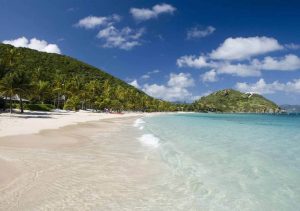
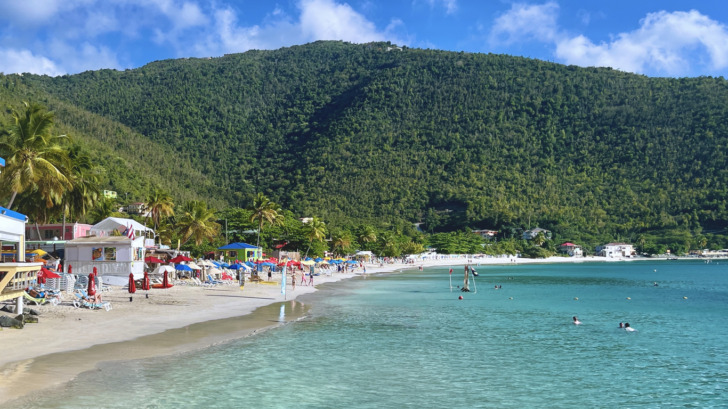
Cane Garden Bay is one of Tortola’s most popular beach communities, tucked into a curved bay on the island’s northwestern coast.
The combination of calm turquoise water, a long sandy beach, green hills, restaurants, beach bars, and spectacular Caribbean sunsets makes it a favorite stop for both overnight visitors and cruise passengers.
It feels much more like a relaxed beach village than a busy resort district, and the British Virgin Islands remain one of the safer Caribbean destinations overall.
Crime levels are relatively low, although theft, robbery, and occasional serious incidents do occur.
In Cane Garden Bay, travelers are more likely to run into problems involving unattended beach belongings, alcohol, steep roads, rough seas during northern swells, or tropical storms than serious violent crime.
Warnings & Dangers in Cane Garden Bay

OVERALL RISK: LOW
Cane Garden Bay is generally very safe for tourists. The British Virgin Islands currently carry the lowest general travel-advisory level, and most visits are trouble-free. Normal precautions are still appropriate, particularly after dark. Keep valuables secured, avoid isolated beaches at night, and use trusted transportation rather than becoming complacent because of the relaxed atmosphere.

TRANSPORT & TAXIS RISK: MEDIUM
Road travel deserves considerably more attention than crime. Tortola drives on the left, while roads are steep, narrow, winding, and sometimes bordered by sharp drops. Taxis are commonly used and generally safe. Visitors renting vehicles should drive slowly, especially when descending toward Cane Garden Bay or traveling after rain.

PICKPOCKETS RISK: LOW
Traditional pickpocketing is uncommon, but unattended-property theft is a more realistic concern. Beachgoers often leave phones, wallets, bags, and hotel keys behind while swimming. Take as few valuables as possible to the beach and never assume belongings are safe simply because they are within sight of your towel.

NATURAL DISASTERS RISK: MEDIUM
Hurricanes and tropical storms are Cane Garden Bay’s main natural hazard. The Atlantic hurricane season runs from June through November, with the highest risk typically later in summer and during early autumn. Heavy rain can also cause flash flooding, road problems, power outages, landslides, and dangerous sea conditions.

MUGGING RISK: LOW
Muggings are uncommon, but serious robberies occasionally occur in the British Virgin Islands. Risk increases in isolated locations after dark. Avoid walking alone along empty sections of beach or quiet roads late at night, keep expensive jewelry discreet, and never resist if confronted by an armed robber.

TERRORISM RISK: LOW
There is no recent history of terrorism affecting Cane Garden Bay or the British Virgin Islands. An attack can never be completely ruled out, but terrorism is not a meaningful concern for most visitors. Ordinary crime, road accidents, hurricanes, and water safety deserve far more attention during a typical vacation.

SCAMS RISK: LOW
Tourist scams are relatively uncommon. Problems are more likely to involve unclear taxi fares, unexpected rental-car charges, or misunderstandings over excursion prices. Confirm costs before accepting a service, inspect rental vehicles before driving away, and book expensive activities through established operators.

WOMEN TRAVELERS RISK: LOW
Cane Garden Bay is generally comfortable for women traveling alone. The beach, restaurants, accommodations, and central village areas are lively during normal hours. Solo women should still watch drinks, avoid isolated beach walks after dark, and use a taxi when returning to accommodation along steep or poorly illuminated roads.

TAP WATER RISK: MEDIUM
Water availability and treatment can differ between properties in the British Virgin Islands. Many buildings rely partly on collected rainwater stored in cisterns, while desalinated water is also widely used. Ask your accommodation whether its tap water is recommended for drinking. Bottled or properly filtered water is the safer choice when uncertain.
Safest Places to Visit in Cane Garden Bay
Cane Garden Bay Beach
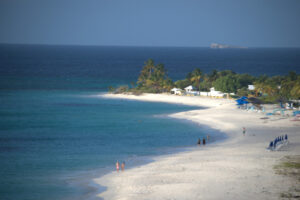
The main beach is the safest and busiest place in the area.
Hotels, restaurants, bars, rental businesses, and plenty of other visitors provide regular activity during the day.
Swimming is often relatively calm, particularly compared with more exposed parts of Tortola, although conditions can change dramatically when northern swells arrive.
Central Beachfront
The restaurant and beach-bar area immediately behind the sand remains active well into the evening and is generally comfortable for visitors.
The biggest safety concern tends to be alcohol rather than crime.
If you have been drinking, take a taxi back to your accommodation instead of attempting to walk along steep roads.
Callwood Rum Distillery Area
The historic rum distillery near Cane Garden Bay offers a glimpse into Tortola’s agricultural and rum-making history.
The surrounding area is easy to visit during daylight and lies close to the main beach.
If tasting rum, remember that Tortola’s roads are not forgiving.
Use a taxi or designate a driver.
Established Hillside Accommodations
Many villas and guesthouses sit on the hills surrounding Cane Garden Bay.
These areas are generally peaceful and safe, with excellent views over the water.
The challenge is access.
Roads and driveways may be extremely steep, so visitors should take extra care when driving or walking, particularly after rain.
Nearby Brewers Bay During Good Conditions
Brewers Bay is another beautiful north-coast beach within a short drive.
It can be quieter than Cane Garden Bay and is popular for snorkeling when conditions cooperate.
Because there are fewer people and facilities, visit during daylight and avoid leaving valuables in vehicles.
Places to Avoid in Cane Garden Bay
There Are No Major Tourist No-Go Areas
Cane Garden Bay does not have a neighborhood that tourists routinely need to avoid.
The community is small and heavily oriented toward visitors.
Instead of worrying about specific districts, pay attention to isolation, lighting, road conditions, weather, and how much alcohol you have consumed.
Empty Beaches After Dark
A quiet Caribbean beach can look inviting at night, but isolated stretches provide fewer options if something goes wrong.
Stay near occupied restaurants and accommodations after dark rather than walking alone along completely deserted sections of shoreline.
Steep Roads on Foot at Night
The roads climbing away from Cane Garden Bay can be narrow, steep, poorly lit, and lacking sidewalks.
Walking these roads after dinner or drinks creates more danger from vehicles and falls than from criminals.
Take a taxi for hillside accommodation.
North-Coast Water During Large Swells
Cane Garden Bay can change considerably when strong northern swells reach Tortola.
Water that is usually calm may suddenly develop substantial surf and currents.
Do not swim simply because people were swimming safely the previous day.
Judge conditions every time you enter the water.
Flooded or Damaged Roads
Heavy tropical rainfall can send water, mud, rocks, and debris onto Tortola’s roads.
Avoid attempting to drive through floodwater or around official barriers.
Steep terrain means even short storms can produce localized problems surprisingly quickly.
Isolated Parking Areas
Do not leave passports, cameras, wallets, luggage, or shopping bags inside parked vehicles at secluded beaches or viewpoints.
Even on an island with relatively low crime, an obviously unattended rental car containing valuables presents an unnecessary opportunity.
Safety Tips for Traveling to Cane Garden Bay
- Leave unnecessary valuables at your accommodation. The beach is where travelers are most likely to become careless. Take only the cash and cards you expect to use and leave passports, expensive jewelry, and unnecessary electronics in a secure place. If everyone wants to swim simultaneously, use a waterproof pouch for essentials.
- Drive very slowly on Tortola. Tortola’s hills are beautiful, but its roads can surprise first-time visitors. Sharp bends, steep gradients, narrow lanes, parked vehicles, and left-side traffic demand concentration. Do not allow an impatient local driver behind you to pressure you into driving faster than feels safe.
- Use taxis after drinking. Cane Garden Bay has a lively collection of beach bars and restaurants. Rum cocktails combined with steep Caribbean roads are a bad combination. If you are drinking, leave the rental car parked and arrange a taxi for the trip back.
- Check swimming conditions every day. The bay often provides calm swimming, but north-coast swells can create very different conditions. Watch the water before entering, ask locally if you are uncertain, and keep children close. Never assume that yesterday’s calm water guarantees today’s conditions.
- Take hurricane warnings seriously. If visiting between June and November, monitor tropical weather throughout the trip. Know your hotel or villa’s storm procedures and keep essential medication, identification, chargers, and some cash accessible. Do not remain on the beach to watch a tropical storm approach.
- Avoid isolated nighttime walking. Cane Garden Bay itself is relaxed, but the surrounding roads become very quiet after businesses close. If your accommodation requires walking along a steep or dark road, take a taxi. This protects you from both opportunistic crime and traffic.
- Use reef-safe sun protection and stay hydrated. The Caribbean sun can cause burns rapidly, particularly when reflected from sand and water. Reapply sunscreen after swimming, wear a hat when walking, and drink water regularly. Constant sea breezes can make it easy to underestimate how hot you are becoming.
- Secure rental cars properly. Lock the doors every time you leave the vehicle and avoid placing valuables where they can be seen through windows. Ideally, leave unnecessary items at your accommodation rather than transferring them to the trunk after arriving at the beach.
- Know how you are getting home before going out. Do not wait until late at night to discover that your villa is halfway up a steep hillside and you have no transportation. Ask your accommodation for reliable taxi numbers and save them before your first evening out.
- Choose travel insurance with hurricane coverage. Medical emergencies are only one reason to have insurance in the Caribbean. A strong policy should also cover flight disruptions, lost baggage, evacuation, trip cancellation, rental-car accidents, and severe weather. Read hurricane-related exclusions carefully if traveling during storm season.
So... How Safe Is Cane Garden Bay Really?
Cane Garden Bay is genuinely one of the easier Caribbean destinations from a safety perspective.
The British Virgin Islands currently sit at the lowest standard travel-advisory level, and crime rates are comparatively low.
That does not mean crime never happens.
Armed robberies and drug-related violence occasionally occur in the territory, and unattended belongings can disappear from beaches or vehicles.
Travelers should use the same basic precautions they would in any unfamiliar destination.
For most visitors, however, the larger risks come from the environment.
Tortola’s steep roads demand concentration, particularly from people unfamiliar with driving on the left.
Alcohol makes that problem considerably worse.
The north coast can also experience powerful swells even when Cane Garden Bay normally looks calm.
Then there is hurricane season.
The British Virgin Islands have experienced devastating hurricanes in the past, and storms can quickly transform an otherwise easy vacation into a logistical emergency.
None of these concerns should discourage a visit.
I rate Cane Garden Bay as low risk overall.
It is an excellent choice for families, couples, solo travelers, and beach-focused visitors.
Keep your belongings secure, use taxis when drinking, respect the sea, drive cautiously, and pay close attention to tropical-weather forecasts during hurricane season.
How Does Cane Garden Bay Compare?
| City | Safety Index |
|---|---|
| Cane Garden Bay |
90 |
| Road Town |
84 |
| North Sound |
93 |
| White Bay |
92 |
 Pretoria Pretoria | 25 |
 Portsmouth Portsmouth | 51 |
 Mangalore Mangalore | 75 |
| Spartanburg | 48 |
 Bologna Bologna | 56 |
| Santa Ana | 71 |
Useful Information

Visas
Visa requirements depend on nationality. Many visitors can enter the British Virgin Islands without a visa for short tourism stays, commonly receiving permission for up to one month initially. Since January 1, 2025, travelers must also complete an online embarkation card, which can generally be submitted within 72 hours before arrival.

Currency
The British Virgin Islands use the US dollar, making Cane Garden Bay particularly convenient for American travelers. Major credit cards are accepted at many hotels, restaurants, and tourism businesses, but carry some cash for taxis, tips, smaller establishments, and temporary card-network problems. ATMs are available elsewhere on Tortola.

Weather
Cane Garden Bay is warm throughout the year, with daytime temperatures generally in the upper 20s to low 30s Celsius. The wetter and more humid period overlaps with Atlantic hurricane season from June through November. December through April is typically drier and particularly popular with visitors.

Airports
Terrance B. Lettsome International Airport on Beef Island is Tortola’s main airport. Reaching Cane Garden Bay generally requires a drive across the island and usually takes around 30 to 45 minutes depending on traffic and road conditions. Travelers arriving by ferry through Road Town can reach the bay considerably faster by taxi.

Travel Insurance
Travel insurance is strongly recommended. Coverage should include medical treatment, emergency evacuation, rental-car accidents, theft, delayed or canceled flights, missed ferry connections, and water activities. During hurricane season, check the policy carefully for storm-related cancellation and interruption coverage before booking.
Cane Garden Bay Weather Averages (Temperatures)
Average High/Low Temperature
| Temperature / Month | Jan | Feb | Mar | Apr | May | Jun | Jul | Aug | Sep | Oct | Nov | Dec |
|---|---|---|---|---|---|---|---|---|---|---|---|---|
| High °C |
28 | 28 | 28 | 29 | 29 | 30 | 31 | 31 | 31 | 30 | 29 | 28 |
| Low °C |
23 | 23 | 23 | 24 | 25 | 25 | 26 | 26 | 26 | 25 | 24 | 23 |
| High °F |
82 | 82 | 82 | 84 | 84 | 86 | 88 | 88 | 88 | 86 | 84 | 82 |
| Low °F |
73 | 73 | 73 | 75 | 77 | 77 | 79 | 79 | 79 | 77 | 75 | 73 |
British Virgin Islands - Safety by City
| City | Safety Index |
|---|---|
| Cane Garden Bay | 90 |
| North Sound | 93 |
| Road Town | 84 |
| White Bay | 92 |