 British Virgin Islands : Safety by City
British Virgin Islands - safety as a country
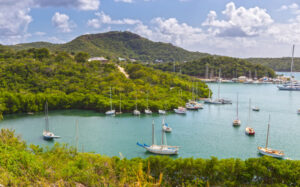
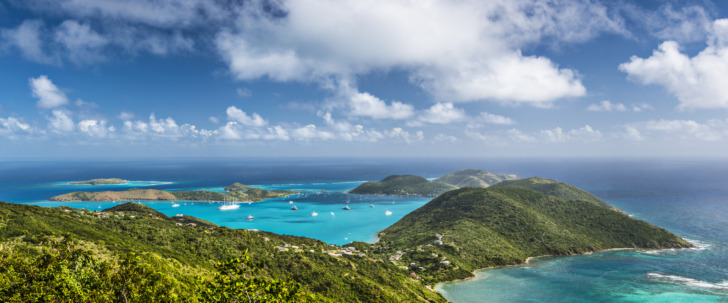
North Sound sits at the northeastern end of Virgin Gorda in the British Virgin Islands, surrounded by turquoise channels, reefs, small islands, marinas, and some of the Caribbean’s most famous sailing territory.
Rather than feeling like a conventional town, North Sound is a collection of waterfront resorts, yacht harbors, beaches, anchorages, and islands including Prickly Pear and Saba Rock.
Leverick Bay provides one of the main land-based hubs, while Bitter End Yacht Club has long been associated with the area’s sailing culture.
Crime is low and the atmosphere is generally relaxed, making North Sound one of the safer Caribbean destinations.
The real risks are environmental: hurricanes, boating accidents, strong wind, reefs, sun exposure, dehydration, and the possibility of becoming isolated if weather suddenly interrupts marine transportation.
Warnings & Dangers in North Sound

OVERALL RISK: LOW
North Sound is generally very safe for visitors. Serious crime against tourists is uncommon, resorts and marinas maintain good security, and the area has a peaceful atmosphere. The biggest concerns involve boats, swimming, tropical weather, and unattended valuables rather than street violence. Basic Caribbean travel precautions are normally sufficient.

TRANSPORT & TAXIS RISK: LOW
Taxis on Virgin Gorda are generally safe, while much of North Sound transportation happens by boat, water taxi, or resort launch. Marine travel deserves more attention than road crime. Use established operators, confirm return times, wear life jackets when appropriate, and avoid small-boat trips during deteriorating weather.

PICKPOCKETS RISK: LOW
Pickpocketing is rare. Busy marina events, ferry docks, bars, and restaurants create the most realistic opportunities for petty theft. The larger concern is leaving phones, wallets, cameras, or bags unattended on beaches or aboard boats. Keep valuables secured even when the surrounding environment feels exceptionally relaxed.

NATURAL DISASTERS RISK: MEDIUM
Hurricanes and tropical storms are North Sound’s most significant natural hazard. The Atlantic hurricane season runs from June through November, and severe storms can close marinas, interrupt ferries, damage roads, and create dangerous seas. Travelers visiting during this period should monitor forecasts closely and understand their accommodation’s hurricane procedures.

MUGGING RISK: LOW
Muggings are very uncommon around North Sound. Resorts, marinas, restaurants, and established waterfront facilities are generally comfortable throughout the day and evening. Avoid isolated beaches, docks, and roads late at night, particularly when carrying expensive electronics or large amounts of cash.

TERRORISM RISK: LOW
North Sound has a very low terrorism risk. The British Virgin Islands are not considered a major terrorism hotspot, and ordinary visitors have little reason to worry about politically motivated violence. Normal awareness at ferry terminals, large events, and transportation facilities is enough.

SCAMS RISK: LOW
Tourist scams are uncommon. Problems are more likely to involve unclear boat-charter charges, unofficial excursions, deposits for questionable vacation rentals, or unexpected marine fees. Confirm prices and cancellation terms before booking, and use established marinas, accommodations, charter companies, and water-taxi operators.

WOMEN TRAVELERS RISK: LOW
North Sound is generally comfortable for women traveling alone. Resorts, marinas, and sailing facilities are accustomed to international visitors, and serious harassment is uncommon. Women should still watch their drinks, avoid isolated beaches after dark, and arrange transportation rather than walking alone along quiet roads late at night.

TAP WATER RISK: MEDIUM
Water on Virgin Gorda may come from desalination systems, rainwater cisterns, or a combination depending on the property. Quality can therefore vary between resorts, villas, and boats. Ask your accommodation whether its tap water is recommended for drinking. Bottled or properly filtered water is a simple alternative.
Safest Places to Visit in North Sound
Leverick Bay
Leverick Bay is one of the easiest places for visitors to experience North Sound from land.
The marina, restaurants, accommodations, shops, and regular boat traffic keep the area active throughout much of the day.
It is generally very safe, including during the evening.
Normal care with wallets, phones, and unattended beach belongings is sufficient.
Bitter End Yacht Club
Bitter End is one of North Sound’s best-known sailing destinations and provides a controlled environment for boating, dining, swimming, and water sports.
Established staff and marine facilities make it a good choice for travelers unfamiliar with the area.
Follow local instructions regarding winds, currents, and boating routes.
Saba Rock
Saba Rock is a tiny island destination in the middle of North Sound, reached by boat.
Its restaurant, accommodation, docks, and surrounding water make it one of the area’s most unusual stops.
Use established boat transfers and confirm the final return service if you are not staying overnight.
Prickly Pear Island
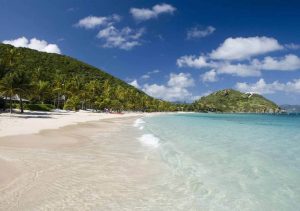
Prickly Pear offers beaches, shallow turquoise water, and a more natural atmosphere than the main marina areas.
It is particularly enjoyable during daylight when boats and other visitors are around.
Bring sunscreen and water, and arrange your return transportation before exploring.
Established Marina Areas
North Sound’s established marinas are among the safest places to spend time because staff, boat crews, restaurants, and other travelers are nearby.
They are also the best places to get current advice about weather, anchorages, marine conditions, and transportation before heading farther into the sound.
Places to Avoid in North Sound
Reef Areas Without Local Knowledge
North Sound contains extensive reefs and shallow areas that can be difficult to judge from the surface.
Boaters unfamiliar with local channels should not improvise routes.
Use charts, navigation equipment, marked channels, and local advice.
Snorkelers should also avoid being carried toward boating lanes or reef openings by wind and current.
Exposed Water During Rough Weather
The protected appearance of North Sound can make deteriorating weather seem less serious than it is.
Strong winds can quickly create difficult conditions for small boats, paddleboards, kayaks, and inexperienced sailors.
Return to shore when operators recommend it rather than waiting for conditions to become obviously dangerous.
Isolated Beaches After Dark
Remote beaches are peaceful during the day but can become completely empty after sunset.
Lighting, transportation, and emergency assistance may be limited.
There is little reason to remain alone on an isolated shoreline late at night when restaurants, resorts, and marinas offer safer alternatives.
Unfamiliar Anchorages During Storms
Do not choose an anchorage simply because other boats are present.
Wind direction, holding conditions, reefs, and available shelter all matter.
During severe tropical weather, recreational anchoring is not a substitute for a proper hurricane plan.
Follow marina and charter-company instructions.
Docks and Mooring Areas After Drinking
Marinas present a surprisingly simple hazard after a night out: falling into the water.
Wet docks, poorly judged steps, dinghy transfers, and darkness can become dangerous when alcohol is involved.
Use handrails, adequate lighting, and assistance when boarding smaller boats late at night.
Safety Tips for Traveling to North Sound
- Treat boating as transportation, not just recreation. In North Sound, boats are part of everyday travel. Use established water taxis and resort launches, listen to safety instructions, and know where life jackets are stored. If operating your own vessel, understand local channels, reefs, navigation markers, and weather before leaving the dock.
- Monitor hurricane forecasts during summer and autumn. June through November is Atlantic hurricane season. North Sound is highly exposed to marine disruption when tropical systems approach. Know how your hotel, villa, or charter company handles evacuations and boat security. Never remain aboard a recreational yacht during dangerous hurricane conditions simply to protect the vessel.
- Do not leave valuables unattended on beaches. North Sound has low crime, but unattended belongings can still disappear. Leave passports and excess cash in a secure room or safe. Bring only what you need to the beach and use waterproof storage for a phone or card when swimming.
- Use serious sun protection. The combination of tropical sun, clear water, and cooling trade winds can cause visitors to underestimate exposure. Apply high-protection sunscreen regularly, wear sunglasses and a hat, and consider UV-protective clothing when sailing or snorkeling for several hours.
- Stay hydrated. Boating, swimming, alcohol, wind, and tropical heat can quietly dehydrate you. Carry drinking water on every excursion, even short ones. Do not rely on being able to purchase water after reaching a small island or remote beach.
- Understand where boats are moving. Swimmers, paddleboarders, kayakers, dinghies, sailboats, and larger yachts frequently share the same waters. Stay out of active channels whenever possible and make yourself visible. Never assume a captain can see you simply because you can see the boat.
- Wear suitable footwear around docks. Wet decks, ladders, rocks, and docks can become extremely slippery. Use shoes with grip around marinas and boat transfers. Bare feet may feel appropriate in the Caribbean, but they provide little protection from sharp surfaces, hot docks, or slipping.
- Respect coral and marine life. Do not stand on coral, chase turtles, handle marine animals, or place anchors on reef systems. Besides damaging the environment, coral can cause deep cuts that become infected. Give unfamiliar sea life plenty of space and follow snorkeling guides’ instructions.
- Arrange nighttime transportation before going out. Some parts of North Sound depend heavily on water taxis or resort launches. Check the final service before dinner or drinks rather than discovering late at night that your accommodation is on the other side of the water.
- Buy insurance that includes marine activities. Standard travel insurance may exclude sailing, scuba diving, personal watercraft, or certain charter activities. Choose a policy covering medical treatment, evacuation, hurricanes, trip interruption, theft, and the specific water sports you plan to enjoy.
So... How Safe Is North Sound Really?
North Sound is one of the safer destinations in the Caribbean from a crime perspective.
There is no dense urban center, little street disorder, and no major concentration of tourist-targeted crime.
Much of the area consists of resorts, marinas, boats, and small islands where staff and visitors know what is happening around them.
That does not mean travelers should leave expensive possessions lying around.
Opportunistic theft remains possible, particularly from beaches, boats, vehicles, and unlocked accommodation.
The bigger safety story is the sea.
North Sound is protected by islands and reefs, which is one reason it has become such a famous sailing destination.
But shallow reefs, wind, changing weather, boat traffic, and open-water conditions still require respect.
Inexperienced sailors and paddlers should stay within their ability and use local instruction.
Hurricanes create the most serious occasional threat.
A strong tropical system can transform a peaceful sailing destination into a place requiring rapid preparation or evacuation.
Anyone traveling during hurricane season should keep an eye on forecasts rather than assuming the southern Caribbean atmosphere will remain calm.
My assessment is that North Sound deserves a low overall risk rating.
Families, couples, solo travelers, sailors, and women traveling alone can feel comfortable here.
The smartest visitor worries less about street crime and more about weather, sun, hydration, safe boating, and knowing exactly how to get back after the last rum cocktail.
How Does North Sound Compare?
| City | Safety Index |
|---|---|
| North Sound |
93 |
| White Bay |
92 |
| Cane Garden Bay |
90 |
| Road Town |
84 |
 Tahoe City Tahoe City | 82 |
| Ironwood | 83 |
| Green River | 83 |
 Asuncion Asuncion | 69 |
 Seven Mile Beach Seven Mile Beach | 88 |
 Thunder Bay Thunder Bay | 65 |
Useful Information

Visas
The British Virgin Islands have their own entry rules, although requirements are closely connected to British immigration arrangements. Citizens of the United States, Canada, United Kingdom, European Union countries, and many other nations can generally visit for short tourist stays without obtaining a visa in advance. Travelers should carry proof of onward travel and accommodation.

Currency
North Sound uses the U.S. dollar. Credit cards are widely accepted at resorts, marinas, restaurants, and charter businesses, but carrying some cash is useful for tips, taxis, small purchases, and boat services. ATMs are more readily available in larger settlements, so obtain cash before heading to remote islands.

Weather
North Sound is warm throughout the year, with daytime temperatures commonly around the high 20s to low 30s Celsius. Trade winds keep conditions comfortable, particularly on the water. Rain is possible year-round, while hurricane season runs from June through November. Pack lightweight clothing, strong sunscreen, rain protection, and secure sun hats.

Airports
Virgin Gorda Airport provides limited regional service, while Terrance B. Lettsome International Airport on Beef Island near Tortola is the main airport serving the British Virgin Islands. Travelers can continue to Virgin Gorda by ferry, charter flight, or private boat transfer, then reach North Sound by road or water depending on their accommodation.

Travel Insurance
Travel insurance is strongly recommended for North Sound, especially for visitors chartering boats or participating in water sports. Choose coverage for medical treatment, emergency evacuation, hurricanes, trip cancellation, baggage, sailing, snorkeling, and diving if applicable. Confirm marine activities are specifically covered before departure.
North Sound Weather Averages (Temperatures)
Average High/Low Temperature
| Temperature / Month | Jan | Feb | Mar | Apr | May | Jun | Jul | Aug | Sep | Oct | Nov | Dec |
|---|---|---|---|---|---|---|---|---|---|---|---|---|
| High °C |
28 | 28 | 29 | 29 | 30 | 31 | 31 | 31 | 31 | 31 | 30 | 29 |
| Low °C |
23 | 23 | 23 | 24 | 24 | 26 | 26 | 26 | 25 | 25 | 24 | 23 |
| High °F |
82 | 82 | 84 | 84 | 86 | 88 | 88 | 88 | 88 | 88 | 86 | 84 |
| Low °F |
73 | 73 | 73 | 75 | 75 | 79 | 79 | 79 | 77 | 77 | 75 | 73 |
British Virgin Islands - Safety by City
| City | Safety Index |
|---|---|
| Cane Garden Bay | 90 |
| North Sound | 93 |
| Road Town | 84 |
| White Bay | 92 |