 Antigua and Barbuda : Safety by City
Antigua and Barbuda - safety as a country
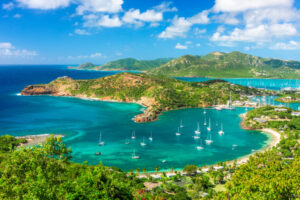
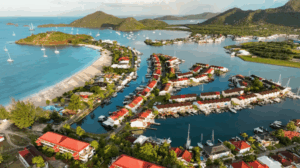
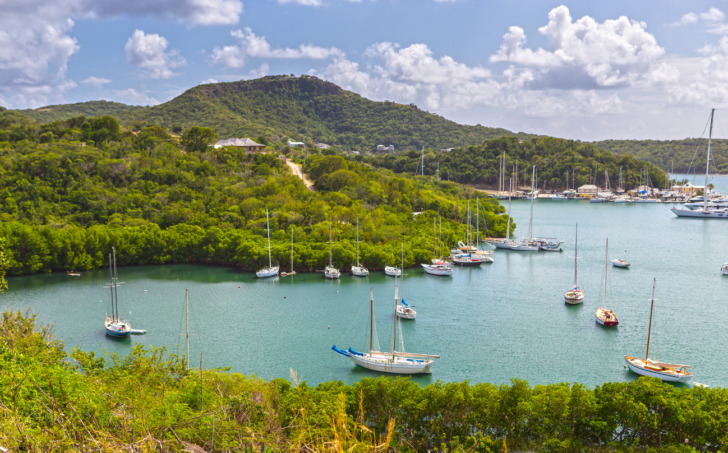
Falmouth Harbour sits on Antigua’s southern coast, wrapped around a deep natural harbor filled with sailing boats, superyachts, marinas, restaurants, and green hills.
It neighbors English Harbour and Nelson’s Dockyard, placing visitors in the middle of Antigua’s historic and modern sailing culture.
During yacht season, the area feels international and energetic, with crews, travelers, locals, and serious sailing money all mixing along the waterfront.
Nearby Pigeon Point Beach provides the classic Caribbean sand-and-sea experience, while Shirley Heights offers some of the island’s best views.
Falmouth Harbour is generally safe, particularly around established marinas, restaurants, and accommodation areas.
However, it is still a working harbor with active nightlife, dark roads, tropical weather, and opportunities for theft when travelers become too relaxed.
Warnings & Dangers in Falmouth Harbour

OVERALL RISK: LOW
Falmouth Harbour is a low-risk destination for most tourists. Antigua and Barbuda generally requires normal travel precautions, and the harbor area is accustomed to international visitors. The main concerns are opportunistic theft, nighttime road safety, alcohol-related incidents, hurricane disruption, boating accidents, and swimming in unsuitable coastal conditions.

TRANSPORT & TAXIS RISK: MEDIUM
Taxis are generally safe, but fares should be confirmed before traveling because meters are not always used. Rental cars are convenient, although Antigua drives on the left. Roads around Falmouth can be narrow, steep, poorly lit, or busy during major sailing events. Avoid driving after drinking or when unfamiliar with the route.

PICKPOCKETS RISK: LOW
Organized pickpocketing is uncommon, but opportunistic theft can happen around bars, restaurants, marinas, beaches, festivals, and crowded events. Keep phones, wallets, yacht passes, and bags secure. Never leave valuables unattended on a restaurant chair, marina bench, beach towel, or visible inside a rental vehicle.

NATURAL DISASTERS RISK: MEDIUM
Falmouth Harbour faces hurricane and tropical storm risks between June and November. Strong winds, storm surge, flooding, rough seas, landslides, power outages, and transportation cancellations are possible. Earthquakes can also occur in the eastern Caribbean. Monitor weather closely and follow official instructions during severe conditions.

MUGGING RISK: LOW
Mugging is not common in Falmouth Harbour, especially around active restaurants, marinas, and accommodation areas. However, robbery and violent crime do occur in Antigua. Avoid walking alone on dark roads, isolated beaches, or quiet harbor edges after midnight. Use a trusted taxi when returning from nightlife venues.

TERRORISM RISK: LOW
The terrorism risk in Falmouth Harbour is low. Antigua and Barbuda has no established pattern of terrorist activity and is not considered a major international target. Visitors should still maintain basic awareness at crowded regattas, festivals, and public events, but terrorism should not significantly influence normal travel plans.

SCAMS RISK: LOW
Scams are uncommon and usually involve unclear taxi fares, unofficial boat charters, misleading rental listings, or unexpected tour charges. Confirm prices, deposits, routes, and cancellation terms before paying. Avoid handing cash or identification to anyone who cannot clearly demonstrate that they represent a legitimate business.

WOMEN TRAVELERS RISK: LOW
Falmouth Harbour is generally safe for women, including those traveling alone. The marina and restaurant areas remain lively during the evening, but nearby roads and beaches can become quiet after businesses close. Women should use trusted nighttime transportation, avoid isolated walks, and keep drinks within sight at bars and events.

TAP WATER RISK: LOW
Public water is treated, but taste and storage conditions can vary between hotels, villas, and boats. Some properties depend partly on cisterns or storage tanks. Ask your accommodation whether its tap water is recommended for drinking. Bottled and filtered water are widely available for visitors with sensitive stomachs.
Safest Places to Visit in Falmouth Harbour
Falmouth Harbour Marina
Falmouth Harbour Marina is one of the safest and most active parts of the area.
It welcomes everything from smaller cruising vessels to large superyachts and has established docks, restaurants, marine services, and regular foot traffic.
Visitors should remain in public sections and avoid entering private docks or restricted working areas.
The biggest hazards here are practical rather than criminal.
Wet surfaces, electrical cables, ropes, fuel equipment, service vehicles, and moving boats require attention.
Children should be supervised near the water, particularly where docks do not have protective railings.
Pigeon Point Beach
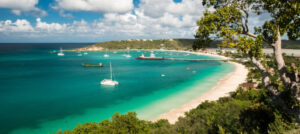
Pigeon Point Beach is one of the most convenient swimming beaches near Falmouth Harbour.
Its sheltered setting usually provides calmer conditions than beaches on Antigua’s exposed Atlantic side.
The beach is popular with residents, yacht crews, families, and travelers, especially during the day.
Keep belongings close while swimming and avoid leaving phones or wallets under towels.
Water conditions can change, so watch for waves, currents, boats, and warning signs.
The beach becomes much quieter after dark, making daytime visits the safer choice.
Nelson’s Dockyard and English Harbour
Nelson’s Dockyard is one of Antigua’s most important historical attractions and a comfortable place for daytime sightseeing.
The restored Georgian buildings, museum, marina, cafes, and harbor views attract a steady flow of visitors.
English Harbour also provides additional restaurants, shops, and nightlife within a short distance of Falmouth.
Use caution when walking between Falmouth and English Harbour at night.
Some stretches may have limited lighting or sidewalks, despite looking short on a map.
Shirley Heights
Shirley Heights offers outstanding views across English and Falmouth harbors.
It is especially popular for sunset events with food, music, and large crowds.
The organized event area is generally safe, but visitors should secure valuables and arrange return transportation before arriving.
The road is steep and winding, so driving after drinking is a terrible idea.
Use a taxi or designated driver and avoid wandering onto unlit trails or cliff edges after sunset.
Places to Avoid in Falmouth Harbour
Falmouth Harbour does not have established tourist no-go neighborhoods.
The areas worth avoiding are based on isolation, poor lighting, working infrastructure, weather, and timing.
Restricted Marina and Boatyard Areas
Falmouth is an active marine center, not simply a decorative harbor.
Avoid private docks, repair yards, fuel facilities, cargo spaces, and maintenance areas unless authorized.
Machinery, suspended equipment, electrical systems, ropes, chemicals, and moving vehicles can create serious hazards.
Do not photograph private yachts, crew members, port security, or sensitive infrastructure without permission.
Yacht owners and crews may value privacy, and security personnel can take unfamiliar photography seriously.
Quiet Roads After Midnight
The roads connecting Falmouth Harbour, English Harbour, Pigeon Point, and nearby accommodations can become dark and quiet late at night.
Some have limited sidewalks, uneven edges, sharp bends, and drivers who may not expect pedestrians.
Avoid long nighttime walks, particularly after drinking.
Book a taxi even when the distance appears manageable.
The biggest risk may be a vehicle rather than a criminal.
Isolated Beaches After Dark
Pigeon Point and surrounding coastal areas are pleasant during daylight, but quieter sections should be avoided alone after dark.
There may be little lighting, limited immediate assistance, and fewer people nearby.
Alcohol, darkness, rocks, currents, and uneven paths make nighttime beach visits unnecessarily risky.
Remote Trails Near Rendezvous Bay
Rendezvous Bay can be reached by boat or hiking routes, but some land approaches are remote and demanding.
Do not attempt unfamiliar trails late in the day or without water, suitable shoes, navigation, and a clear return plan.
Mobile reception may be unreliable in less developed areas.
Waterfront Areas During Severe Weather
Avoid docks, beaches, cliffs, and waterfront roads when tropical storm or hurricane alerts are active.
Falmouth Harbour’s sheltered appearance does not eliminate storm surge, wind, loose equipment, flooding, or dangerous waves.
Follow marina and local authority instructions rather than visiting the harbor to watch the storm.
Safety Tips for Traveling to Falmouth Harbour
- Arrange nighttime transportation in advance. Falmouth and English Harbour have some of Antigua’s liveliest restaurants and bars, especially during yacht season. Taxis can become busy when several venues close together. Save a trusted driver’s number, ask your accommodation to arrange transportation, or schedule a pickup before going out. Do not wait until after several rum punches to invent a route home.
- Confirm taxi fares before starting the ride. Many taxis do not use meters, so ask for the complete fare before entering. Confirm whether the price covers additional passengers, luggage, waiting time, nighttime service, and multiple stops. A clear price prevents disagreements at the destination. Use licensed drivers recommended by your hotel, marina, or restaurant whenever possible.
- Drive carefully on the left. Antigua follows left-side driving. Visitors accustomed to driving on the right should pay special attention when turning, entering roundabouts, and leaving parking areas. Roads can be narrow, patched, poorly lit, or lined with pedestrians. Drive slowly, avoid sudden overtaking, and never combine unfamiliar roads with alcohol.
- Keep valuables secured around the marina. Falmouth Harbour feels upscale, but expensive surroundings do not eliminate opportunistic theft. Do not leave phones, wallets, laptops, cameras, or yacht equipment unattended. Lock boat cabins and accommodation doors, especially when leaving for the day. Keep valuables out of sight inside rental vehicles.
- Use reputable boat operators. Falmouth Harbour is an excellent place for sailing, snorkeling, diving, and charter trips. Choose established operators with maintained vessels, life jackets, communication equipment, and clear weather policies. Ask what is included in the price and whether the trip suits your swimming ability. Avoid overcrowded or visibly neglected boats.
- Respect working docks and boatyards. A marina can look like an open-air attraction, but many sections are active workplaces. Stay away from cranes, boat lifts, fuel docks, electrical connections, loose ropes, and restricted repair areas. Never swim between docked vessels or in marina channels. Captains may not be able to see someone in the water.
- Monitor hurricane-season weather. The Atlantic hurricane season runs from June through November. Travelers visiting during this period should monitor forecasts daily, understand accommodation evacuation procedures, and keep travel plans flexible. Purchase insurance that covers weather disruption. A storm does not need to make direct landfall to cancel flights, close marinas, or interrupt electricity.
- Protect yourself from heat and sun. The breeze around Falmouth Harbour can make the sun feel deceptively gentle. Apply high-SPF sunscreen, reapply after swimming, wear a hat, and drink water regularly. Sailing, hiking, and beach days increase dehydration risk. Alternate alcoholic drinks with water, particularly during long outdoor events.
- Avoid unplanned hikes late in the day. The hills around Falmouth and English Harbour offer excellent views, but routes can be steep, rocky, exposed, and poorly marked. Start early, wear suitable shoes, carry water, and know where the trail ends. Sunset photographs are not worth navigating an unfamiliar hillside in complete darkness.
- Stay alert during major sailing events. Antigua Sailing Week and other regattas bring larger crowds, more traffic, packed nightlife venues, and increased demand for taxis. Book accommodation and transportation early, protect your belongings, and avoid driving near busy venues after drinking. Crowds are usually friendly, but they create more opportunities for theft, confusion, and accidents.
So... How Safe Is Falmouth Harbour Really?
Falmouth Harbour is one of Antigua’s safer and more visitor-friendly areas.
The marina economy depends on international sailors, yacht crews, charter guests, restaurant customers, and vacationers, so the community is accustomed to welcoming outsiders.
During the day, the waterfront, marinas, nearby beaches, and historical attractions generally feel comfortable and easy to explore.
The most likely criminal problem is opportunistic theft.
Phones left on tables, bags abandoned on beaches, valuables visible in cars, and unlocked boat cabins create easy targets.
Serious violence against tourists is uncommon, but Antigua does experience robberies and other violent incidents.
Visitors should avoid isolated areas and unnecessary walking late at night.
Road safety is probably the more immediate concern.
Narrow streets, left-side driving, limited sidewalks, poor lighting, and nightlife traffic create a dangerous combination.
Travelers should use taxis after drinking and avoid walking between distant accommodations and entertainment areas after midnight.
Falmouth’s coastal location also brings environmental risks.
Hurricanes, strong winds, rough water, intense sun, and boating accidents can cause more disruption than crime.
Overall, Falmouth Harbour earns a low-risk rating.
Travelers who secure their property, arrange transportation, respect marina rules, and follow weather warnings should find it safe, lively, and highly enjoyable.
How Does Falmouth Harbour Compare?
| City | Safety Index |
|---|---|
| Falmouth Harbour |
86 |
| English Harbour |
88 |
| Carlisle Bay |
89 |
| Jolly Harbour |
87 |
| Dickenson Bay |
86 |
 Evora Evora | 84 |
 Jeju City Jeju City | 86 |
 Madrid Madrid | 70 |
 Irvine Irvine | 82 |
| Fishers | 92 |
 Ayia Napa Ayia Napa | 73 |
Useful Information

Visas
Visa requirements depend on nationality. Many travelers can enter Antigua and Barbuda without a visa for a limited tourist stay, while others must apply before departure. Visitors should carry a valid passport, accommodation details, proof of sufficient funds, and a return or onward ticket. Passport validity requirements should be confirmed before traveling.

Currency
The official currency is the Eastern Caribbean dollar, fixed at EC$2.70 to US$1. U.S. dollars are accepted by many businesses, although change may be returned in local currency. Cards work at established hotels, marinas, restaurants, and charter companies. Cash remains useful for taxis, tips, beach vendors, and smaller businesses.

Weather
Falmouth Harbour is warm throughout the year, with a drier and busier travel season generally running from December through April. Pack lightweight clothing, swimwear, sunscreen, insect repellent, a hat, and a light rain layer. Hurricane season runs from June through November, when flexible reservations and storm coverage become more important.

Airports
V.C. Bird International Airport is the main airport serving Antigua. Falmouth Harbour is usually around 30 to 45 minutes away by road, depending on traffic. Taxis, rental cars, and private transfers are available. Arrange transportation before arrival when landing late or visiting during a major sailing event.

Travel Insurance
Travel insurance is recommended, particularly for visitors planning to sail, snorkel, dive, hike, or rent a vehicle. Coverage should include medical treatment, evacuation, theft, trip cancellation, storm disruption, and water activities. Confirm that sailing and other planned activities are covered, since some basic policies exclude higher-risk recreation.
Falmouth Harbour Weather Averages (Temperatures)
Average High/Low Temperature
| Temperature / Month | Jan | Feb | Mar | Apr | May | Jun | Jul | Aug | Sep | Oct | Nov | Dec |
|---|---|---|---|---|---|---|---|---|---|---|---|---|
| High °C |
28 | 28 | 29 | 29 | 30 | 31 | 31 | 31 | 31 | 31 | 30 | 29 |
| Low °C |
23 | 22 | 22 | 23 | 24 | 24 | 25 | 25 | 25 | 24 | 24 | 23 |
| High °F |
82 | 82 | 84 | 84 | 86 | 88 | 88 | 88 | 88 | 88 | 86 | 84 |
| Low °F |
73 | 72 | 72 | 73 | 75 | 75 | 77 | 77 | 77 | 75 | 75 | 73 |
Antigua and Barbuda - Safety by City
| City | Safety Index |
|---|---|
| Carlisle Bay | 89 |
| Dickenson Bay | 86 |
| English Harbour | 88 |
| Falmouth Harbour | 86 |
| Jolly Harbour | 87 |