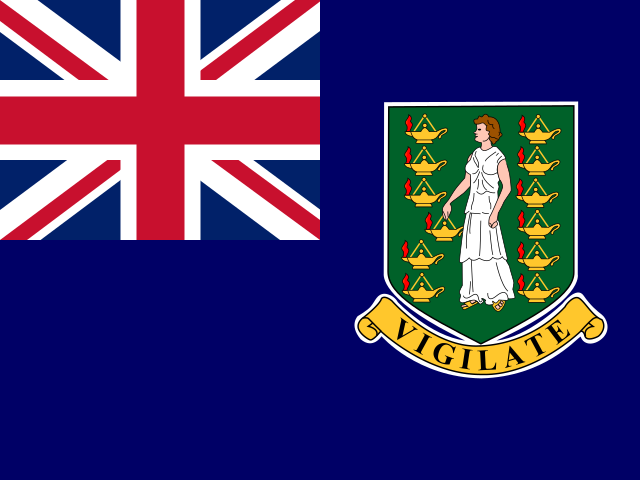
 British Virgin Islands : Safety by City
British Virgin Islands - safety as a country
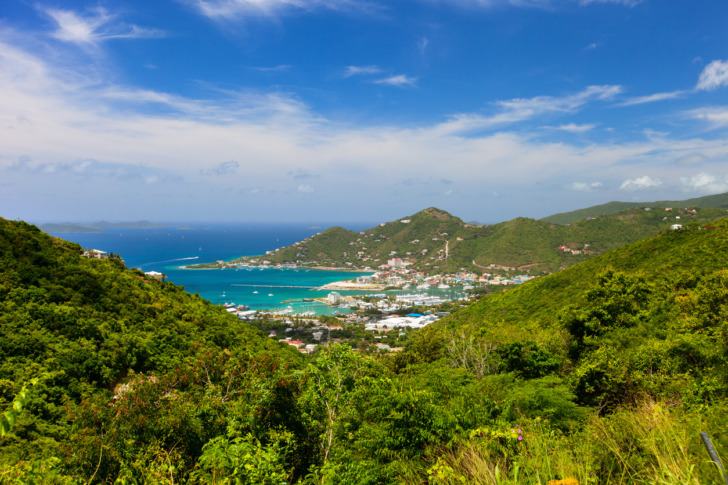
Road Town is the capital of the British Virgin Islands and the main commercial center of Tortola, the largest island in the territory.
Wrapped around Road Harbour and backed by steep green hills, the town combines Caribbean waterfront scenery with government buildings, marinas, shops, restaurants, markets, and a busy cruise-ship terminal.
It is usually the first place visitors encounter before continuing to beaches, sailing charters, or smaller islands such as Virgin Gorda and Jost Van Dyke.
Road Town is generally safe, particularly during daylight, and serious violent crime involving tourists is uncommon.
Its biggest practical risks are hurricanes, steep and winding roads, traffic, opportunistic theft, boating accidents, and strong sun.
Visitors who use normal precautions should have few problems exploring the capital.
Warnings & Dangers in Road Town

OVERALL RISK: LOW
Road Town has a low overall travel risk. Most visitors spend time around the cruise port, Main Street, restaurants, marinas, and waterfront without encountering serious crime. Petty theft and occasional robbery can occur, particularly after dark. Weather, driving conditions, and marine activities are more significant risks than ordinary street crime.

TRANSPORT & TAXIS RISK: MEDIUM
Road Town’s steep hills, narrow streets, sharp corners, and left-side driving make transportation more challenging than visitors initially expect. Taxis are generally safe and widely used. Rental cars require confidence, especially on hillside roads. Avoid speeding, watch for pedestrians, and be prepared for limited parking and sudden traffic congestion around the port.

PICKPOCKETS RISK: LOW
Pickpocketing is uncommon but possible when cruise ships bring large crowds into Tortola Pier Park, Main Street, markets, and transportation areas. Keep phones and wallets secured and avoid leaving bags hanging behind restaurant chairs. Opportunistic theft is more realistic than organized pickpocketing operations.

NATURAL DISASTERS RISK: HIGH
Hurricanes are Road Town’s most important natural hazard. The British Virgin Islands sit directly within the Atlantic hurricane region, and major storms have caused severe damage in the past. Hurricane season runs from June through November. Tropical storms can produce destructive winds, flooding, landslides, rough seas, power outages, and major travel disruption.

MUGGING RISK: LOW
Muggings are uncommon in the central daytime tourist areas. Risk increases slightly on quiet roads, poorly lit hillside streets, isolated waterfront sections, and areas away from regular activity late at night. Use a taxi when returning after dinner or nightlife rather than taking long walks through unfamiliar areas.

TERRORISM RISK: LOW
The terrorism risk in Road Town is low. The British Virgin Islands do not have a recent history of frequent terrorist incidents. Normal vigilance around cruise terminals, airports, major public events, and government buildings is sufficient for most visitors. Terrorism should not be a major factor when deciding whether to visit.

SCAMS RISK: LOW
Tourist scams are relatively uncommon. Travelers should still confirm taxi fares, boat-charter prices, excursion costs, and rental agreements beforehand. Be cautious with unofficial tour offers and vacation rentals requiring unusual payment arrangements. Most established tourism businesses operate professionally and depend heavily on repeat visitors and reputation.

WOMEN TRAVELERS RISK: LOW
Road Town is generally safe for women, including solo travelers. Central commercial and waterfront areas are comfortable during the day and early evening. Standard precautions apply around bars, nightlife, and isolated roads. Solo women should use reputable taxis after dark and avoid walking alone through unfamiliar hillside neighborhoods late at night.

TAP WATER RISK: LOW
Tap water quality depends somewhat on the property because the islands rely on desalination and collected rainwater. Established hotels and resorts generally provide safe water, but some travelers prefer bottled or filtered water for drinking. Ask your accommodation about its water supply if staying in a private villa or older property.
Safest Places to Visit in Road Town
Tortola Pier Park
Tortola Pier Park is one of the easiest places for visitors to explore.
The modern waterfront development sits beside the cruise terminal and contains shops, restaurants, bars, cafes, and visitor services.
Security and regular pedestrian traffic make it comfortable during opening hours.
It can become crowded when several cruise vessels arrive, so keep wallets and phones secured even though serious crime is uncommon.
Main Street
Main Street runs through the older commercial section of Road Town and provides a more traditional atmosphere than the cruise-port complex.
Visitors will find shops, historic buildings, churches, small businesses, and local restaurants.
Daytime is the best time to explore.
Traffic can be tight, sidewalks inconsistent, and the tropical heat stronger than expected between buildings.
J.R. O’Neal Botanic Gardens
The botanical gardens provide a quieter escape from Road Town’s traffic and commercial activity.
Tropical plants, palms, flowers, and shaded paths make the grounds particularly pleasant for families and travelers wanting an easy daytime attraction.
Use insect repellent and comfortable footwear, especially after rain when paths may become slippery.
Wickhams Cay
The Wickhams Cay waterfront and marina areas are active with businesses, restaurants, yachts, charter companies, and ferry-related services.
They are generally comfortable during normal daytime and evening hours.
As in any marina, keep personal belongings secured and avoid wandering around restricted docks or private vessels.
Fort Burt Area
The Fort Burt area provides elevated views across Road Harbour and gives visitors a sense of the island’s colonial history.
It is generally safe when visiting established properties and viewpoints.
The hillside is steep, so taking a taxi is often more practical than walking, especially in hot weather or after dark.
Places to Avoid in Road Town
Isolated Waterfront Areas Late at Night
Road Town does not have a major tourist no-go district.
Instead, risk increases when visitors leave active commercial areas and wander into deserted locations late at night.
Quiet waterfront roads, unused docks, and industrial harbor areas offer little reason for tourists to explore after businesses close.
Stick to active restaurant and marina areas and use a taxi afterward.
Steep Hillside Roads on Foot After Dark
Tortola is extremely mountainous, and roads climb quickly above Road Town.
Sidewalks may disappear, lighting can be limited, and vehicles often approach around sharp bends.
Do not attempt long nighttime walks simply because your hotel appears close on a map.
A short distance can involve a very steep climb on a narrow road.
Beaches and Coastal Areas During Storm Warnings
Stay away from beaches, rocks, marinas, and exposed waterfront areas when tropical storms or hurricanes approach.
Large waves can arrive before the worst weather reaches Tortola.
Boats, docks, loose equipment, and debris can become dangerous during strong winds.
Harbor and Cargo Areas
Road Town is a working port as well as a tourist destination.
Cargo docks, warehouse areas, fuel facilities, and restricted maritime zones are not sightseeing attractions.
Heavy vehicles, industrial equipment, security rules, and limited pedestrian infrastructure make these areas unsuitable for casual exploration.
Safety Tips for Traveling to Road Town
- Take hurricane season seriously. Travel from June through November requires extra flexibility. Monitor forecasts, understand your hotel’s storm procedures, and keep essential medication, identification, chargers, and emergency supplies accessible. If authorities issue evacuation or shelter instructions, follow them immediately rather than waiting to see how severe the storm becomes.
- Use taxis if you are uncomfortable with steep roads. Tortola driving is very different from cruising around a flat Caribbean resort island. Roads can be extremely steep, narrow, and winding, with sharp bends and limited shoulders. Traffic drives on the left. If that sounds stressful, taxis are usually the better option.
- Do not leave valuables on beaches or in vehicles. Leave passports, extra cash, tablets, jewelry, and unnecessary electronics securely at your accommodation. When visiting beaches or going snorkeling, carry only what you need. Rental cars containing visible bags can attract opportunistic thieves even in otherwise safe areas.
- Keep cruise-port crowds in perspective. Road Town can transform when a large cruise ship docks. Streets that were quiet earlier may suddenly become packed with passengers, taxis, and tour groups. This increases the chance of misplaced belongings and opportunistic theft. Keep your phone and wallet secured until the crowds thin out.
- Be cautious around the water. Boating and sailing are central to life in the British Virgin Islands, but marine conditions deserve respect. Wear life jackets when appropriate, follow captains’ instructions, and avoid swimming near active boat traffic. Conditions between islands can be rougher than sheltered bays suggest.
- Protect yourself from tropical sun. The Caribbean breeze makes it easy to underestimate sun exposure. Wear sunscreen, drink plenty of water, and seek shade during the hottest part of the afternoon. Travelers arriving from colder climates can burn surprisingly quickly during their first day outside.
- Use established boat and charter operators. Road Town is a major sailing hub, and charter options range from simple day trips to multi-day yacht vacations. Confirm the vessel, captain, insurance, safety equipment, route, cancellation policy, and total cost before paying. Never board an obviously overloaded or poorly maintained boat.
- Use taxis after drinking. Road Town and nearby Tortola communities have plenty of bars and restaurants. The combination of alcohol, steep roads, left-side driving, and sharp corners is dangerous. If you plan to drink, arrange a taxi rather than driving your rental vehicle back to your accommodation.
- Watch your footing after rain. Tropical downpours can make roads, stone surfaces, stairs, and hillsides extremely slippery. Drainage water may also cross streets quickly. Wear footwear with reasonable grip and avoid climbing exposed slopes during or immediately after heavy rain.
- Carry travel insurance with medical evacuation coverage. Medical facilities in the British Virgin Islands can handle many routine problems, but serious injuries may require treatment elsewhere in the Caribbean or the United States. Insurance should cover medical evacuation, hurricanes, boating activities, cancellations, rental vehicles, and lost belongings.
So... How Safe Is Road Town Really?
Road Town is a relatively safe Caribbean capital and an easy place for most visitors to navigate.
Its tourism industry is mature, cruise passengers arrive regularly, and the central waterfront contains established businesses that depend heavily on visitors.
Street crime exists, but it is not normally the defining safety issue.
Theft from vehicles, accommodation burglaries, and opportunistic property crime are more realistic concerns than random violent attacks.
Keeping valuables secured and avoiding deserted streets late at night removes much of the risk.
Transportation deserves more attention.
Tortola rises sharply from the sea, producing some extremely steep roads.
Driving on the left, navigating blind corners, dealing with taxis, and adjusting to narrow lanes can challenge visitors who have never driven in the Caribbean.
Hurricanes are the biggest environmental threat.
Road Town suffered devastating damage from Hurricane Irma in 2017, demonstrating just how exposed the territory can be to a direct major hurricane.
Travelers visiting during hurricane season should treat weather warnings seriously and purchase insurance that covers storm-related disruption.
Marine activities create another important layer of risk.
Sailing, snorkeling, boating, and swimming are generally safe with competent operators, but conditions change quickly.
I assess that Road Town has a low overall crime risk and a medium transportation risk, while hurricane risk becomes high during the Atlantic storm season.
For cruise passengers, couples, families, sailors, and independent travelers, it remains a generally safe and enjoyable base on Tortola.
How Does Road Town Compare?
| City | Safety Index |
|---|---|
| Road Town |
84 |
| Cane Garden Bay |
90 |
| North Sound |
93 |
| White Bay |
92 |
 Bansko Bansko | 89 |
 Zihuatanejo Zihuatanejo | 72 |
 Baraboo Baraboo | 82 |
| Newport | 80 |
| Connecticut | 86 |
| Hammonton | 75 |
Useful Information

Visas
The British Virgin Islands have their own immigration rules as a British Overseas Territory. Many visitors from the United States, Canada, the United Kingdom, European countries, and numerous other nations can enter for short tourist stays without obtaining a visa beforehand. Travelers should carry a valid passport, proof of accommodation, and evidence of onward travel.

Currency
Road Town uses the U.S. dollar. Credit and debit cards are widely accepted at hotels, restaurants, supermarkets, marinas, and established tourism businesses. Cash remains useful for taxis, tips, small purchases, and some local vendors. ATMs are available around the capital and other major communities on Tortola.

Weather
Road Town is warm throughout the year, with daytime temperatures commonly in the upper 20s to low 30s Celsius. Conditions are generally drier from winter into spring, while late summer and autumn tend to be wetter. Hurricane season runs from June through November, with August through October requiring particular attention.

Airports
Terrance B. Lettsome International Airport is located on Beef Island, which is connected to Tortola by a bridge. Road Town is roughly 12 kilometers away, although the drive commonly takes around 25 to 40 minutes depending on traffic. Many travelers also arrive by ferry from nearby Caribbean islands, including the U.S. Virgin Islands.

Travel Insurance
Travel insurance is strongly recommended for Road Town. Look for coverage that includes medical treatment, evacuation, hurricanes, flight and ferry cancellations, lost luggage, theft, boating accidents, and rental-car incidents. Travelers chartering yachts should confirm that their policy covers sailing and any additional water activities included in the trip.
Road Town Weather Averages (Temperatures)
Average High/Low Temperature
| Temperature / Month | Jan | Feb | Mar | Apr | May | Jun | Jul | Aug | Sep | Oct | Nov | Dec |
|---|---|---|---|---|---|---|---|---|---|---|---|---|
| High °C |
28 | 27 | 27 | 28 | 29 | 30 | 30 | 30 | 30 | 29 | 29 | 28 |
| Low °C |
24 | 24 | 24 | 25 | 25 | 25 | 26 | 26 | 27 | 26 | 25 | 24 |
| High °F |
82 | 81 | 81 | 82 | 84 | 86 | 86 | 86 | 86 | 84 | 84 | 82 |
| Low °F |
75 | 75 | 75 | 77 | 77 | 77 | 79 | 79 | 81 | 79 | 77 | 75 |
British Virgin Islands - Safety by City
| City | Safety Index |
|---|---|
| Cane Garden Bay | 90 |
| North Sound | 93 |
| Road Town | 84 |
| White Bay | 92 |