 Bulgaria : Safety by City
Bulgaria - safety as a country
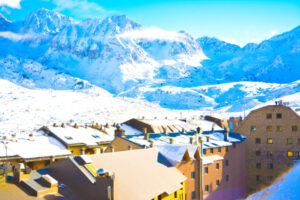
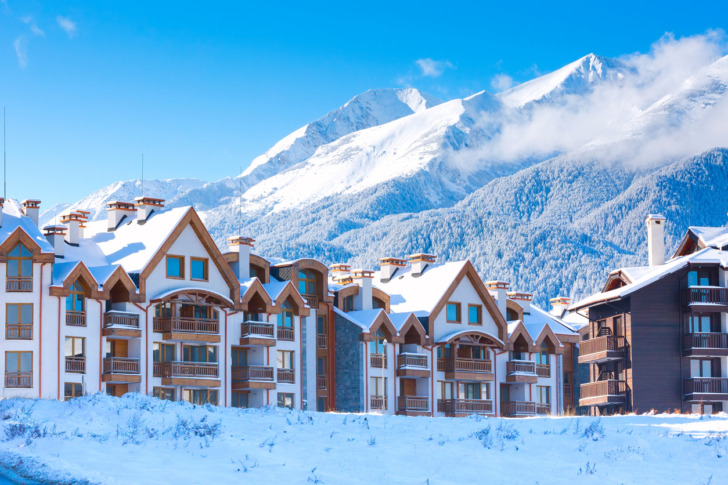
Bansko is Bulgaria’s best-known mountain resort, sitting beneath the Pirin Mountains in the country’s southwest.
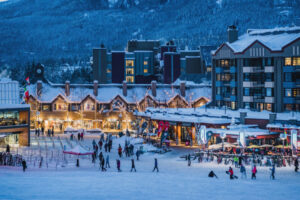
During winter, it becomes a busy ski town filled with snowboarders, restaurants, après-ski bars, rental shops, spas, and hotels.
Once the snow disappears, the same mountains attract hikers, mountain bikers, climbers, and travelers interested in Bansko’s stone-built Old Town.
Despite the nightlife and heavy seasonal tourism, Bansko is generally a safe destination.
Serious violent crime involving tourists is unusual, and the town is well accustomed to international visitors.
The biggest risks in Bansko are ski injuries, avalanches outside controlled areas, icy roads, petty theft, nightlife overcharging, and poor decisions involving alcohol and winter sports.
Warnings & Dangers in Bansko

OVERALL RISK: LOW
Bansko is a low-risk destination for most visitors. Serious violent crime involving tourists is unusual, central streets are comfortable to explore, and the resort has a large international tourism industry. Most problems involve theft, skiing accidents, alcohol, nightlife disputes, winter driving, or travelers venturing into mountain terrain beyond their abilities.

TRANSPORT & TAXIS RISK: MEDIUM
Transportation around Bansko is generally safe, but winter makes everything more complicated. Snow, ice, fog, steep roads, and heavy weekend traffic can affect driving. Taxi quality and pricing vary, so arrange rides through your hotel or established operators and confirm the approximate fare before leaving.

PICKPOCKETS RISK: MEDIUM
Pickpocketing and bag theft are possible around the gondola station, crowded restaurants, nightlife areas, ski-rental shops, buses, and major events. Keep wallets and phones zipped away rather than loose in outer ski-jacket pockets. Never leave valuables unattended in restaurants or beside ski equipment.

NATURAL DISASTERS RISK: MEDIUM
Mountain weather creates Bansko’s biggest natural hazards. Avalanches, heavy snowfall, thunderstorms, flooding, forest fires, ice, and rapidly changing weather can affect the Pirin Mountains. Off-piste skiing carries particular avalanche danger and should only be attempted with proper knowledge, equipment, and preferably an experienced guide.

MUGGING RISK: LOW
Mugging is uncommon in Bansko. Central streets remain active late during ski season, particularly around hotels, restaurants, and bars. Visitors should still avoid poorly lit shortcuts, isolated roads, and unnecessary nighttime walks while visibly intoxicated or carrying expensive electronics.

TERRORISM RISK: LOW
Bansko has a low terrorism risk. For the average traveler, skiing accidents, traffic, alcohol, and petty theft are considerably more relevant concerns. Basic awareness at large events and transportation areas is sensible, but terrorism should not significantly affect normal travel plans.

SCAMS RISK: MEDIUM
Most scams involve tourism pricing rather than sophisticated fraud. Visitors should be cautious with nightlife venues where prices are unclear, promoters are unusually aggressive, or bills appear inflated. Check menus and prices before ordering, keep your card in sight, and avoid places that pressure you to enter.

WOMEN TRAVELERS RISK: LOW
Bansko is generally comfortable for solo women. The center is busy, international, and accustomed to independent travelers. Normal precautions still apply around nightlife, alcohol, isolated accommodation, and late-night transportation. Use a trusted taxi rather than walking alone through quiet outskirts after a long night out.

TAP WATER RISK: LOW
Tap water in Bansko is generally suitable for drinking. Many visitors drink it without problems, although bottled water is inexpensive if you prefer it. Hikers should not assume that every mountain stream is safe simply because the water appears clean.
Safest Places to Visit in Bansko
Bansko Old Town
The historic center is one of the safest and most pleasant parts of Bansko.
Stone houses, cobbled streets, restaurants, churches, museums, and traditional taverns give it a completely different atmosphere from the modern ski district.
Crime risk is low, though icy cobblestones can become surprisingly slippery during winter.
Wear footwear with decent traction.
Gondola and Ski Resort Area
The gondola base is the center of winter tourism and is surrounded by hotels, rental shops, restaurants, bars, and large numbers of visitors.
The area itself is safe, but crowds create opportunities for theft.
Label rented skis and snowboards and avoid leaving expensive equipment unattended for extended periods.
Banderishka Polyana
This major mountain area above Bansko contains ski facilities, restaurants, and access to several runs.
Follow piste markings and lift instructions carefully.
Closed or off-piste terrain carries additional risk and should not be entered casually.
Pirin National Park
Pirin National Park is spectacular outside winter as well, with hiking trails, mountain lakes, forests, and high peaks.
Use marked routes, carry adequate water and layers, and check weather before setting out.
Conditions at elevation may be dramatically different from those in Bansko itself.
Dobrinishte
Nearby Dobrinishte is a quieter mountain town known for mineral springs and access to additional hiking and skiing areas.
It is generally very safe and works well for travelers wanting a calmer alternative to central Bansko.
Places to Avoid in Bansko
Bansko does not have traditional dangerous neighborhoods.
Areas worth avoiding are defined mostly by mountain conditions, nightlife, and isolation.
Closed Ski Runs
Never ignore a closed-piste sign because the snow looks attractive.
Runs may close because of avalanche danger, poor coverage, grooming machinery, ice, weather, or other hazards.
Ski patrol restrictions exist for reasons that may not be obvious from the top of the slope.
Off-Piste Terrain Without Experience
The mountains beyond maintained pistes are not simply an extension of the resort.
Avalanches, cliffs, hidden rocks, tree wells, changing snow, and poor visibility can turn a small mistake into an emergency.
Use an experienced guide and proper avalanche equipment if venturing into backcountry terrain.
Questionable Nightclubs and Adult Venues
Be cautious with bars or clubs where promoters aggressively pull tourists inside or where prices are unclear.
Confirm drink prices before ordering and leave immediately if the atmosphere feels confrontational or deliberately confusing.
Remote Mountain Trails in Bad Weather
Fog, thunderstorms, snow, and sudden temperature drops can make familiar-looking trails difficult to follow.
Do not continue toward a summit simply because you have already invested several hours in the hike.
Turning around is sometimes the smartest mountain decision you will make.
Icy Roads After Dark
Roads around Bansko, Razlog, Dobrinishte, and mountain accommodation can become extremely slippery in winter.
Avoid unnecessary late-night driving during snowstorms and use proper winter tires.
Safety Tips for Traveling to Bansko
- Ski within your ability. Bansko has everything from beginner terrain to challenging slopes. Do not attempt difficult runs simply because friends are doing them. Maintain control and adjust your speed to terrain, weather, visibility, and congestion.
- Wear a helmet. A helmet will not prevent every injury, but it provides important protection during falls and collisions. This matters particularly on crowded slopes where another skier can make the mistake for you.
- Avoid off-piste skiing without proper preparation. Backcountry terrain requires avalanche knowledge, appropriate equipment, and an understanding of mountain conditions. If off-piste skiing is a priority, hire a qualified guide rather than following random tracks beyond the marked runs.
- Limit alcohol before skiing. Bansko has a lively après-ski scene, but alcohol and skiing are a poor combination. Save heavier drinking for after your final run. Even small amounts of alcohol can affect balance, reaction speed, judgment, and your perception of risk.
- Secure ski equipment. Skis and snowboards are valuable and often look almost identical. Keep equipment where you can see it, use available racks or locks, and record rental details. Do not leave expensive personal equipment outside a bar overnight.
- Prepare for gondola crowds. Morning queues can become long during peak winter weekends and holidays. Arrive early and keep pockets closed while standing in dense crowds. Check operating times before heading up because schedules can vary throughout the season.
- Use winter-ready transportation. If renting a car, ensure it is properly equipped for winter conditions. Snow and ice can make even short roads surprisingly difficult. Drive slowly, increase following distance, and avoid sudden braking on downhill sections.
- Watch your restaurant and bar bill. Most businesses are legitimate, but Bansko’s large tourist population attracts occasional overcharging. Check menus before ordering and review your bill before paying, especially in nightlife venues.
- Carry layers into the mountains. Temperatures can drop quickly with elevation. Even on a sunny morning, carry gloves, an insulating layer, and some weather protection. Summer hikers should also prepare for thunderstorms and sudden mountain weather.
- Make sure your insurance covers mountain rescue. Ordinary travel insurance may exclude skiing, snowboarding, off-piste activities, or helicopter evacuation. Check whether mountain rescue, evacuation, skiing, snowboarding, and other winter sports are specifically included in your policy.
So... How Safe Is Bansko Really?
Bansko is one of the easier European ski resorts to visit from a personal-security standpoint.
Serious violence against tourists is uncommon, and most visitors experience no crime at all.
The risks shift dramatically once you put on skis.
Crowded pistes create collision risks, especially where beginners, faster skiers, and ski-school groups converge.
Ice, fog, poor visibility, and fatigue can turn a manageable slope into a much more difficult one.
Outside marked pistes, avalanches become a genuine concern.
Nightlife creates another cluster of risks.
Bansko attracts large groups of international visitors during winter, and alcohol is a significant part of the après-ski culture.
Overcharging can happen at some nightlife venues, so visitors should pay attention to prices and card transactions.
Road travel also deserves respect in winter.
Snow and ice can make driving between Sofia, Bansko, Razlog, and surrounding mountain areas more difficult than distance alone suggests.
Overall, I rate Bansko as low risk.
The town itself is easy to navigate safely, while the mountain requires much more respect.
Ski within your ability, stay on controlled terrain unless properly equipped, protect valuables, and keep the heavier drinking for after the skis come off.
How Does Bansko Compare?
| City | Safety Index |
|---|---|
| Bansko |
89 |
| Burgas |
86 |
| Varna |
84 |
| Plovdiv |
88 |
| Veliko Tarnovo |
91 |
| Nessebar |
90 |
| Sofia |
70 |
 Gilbert Gilbert | 76 |
 Sumbe Sumbe | 46 |
| Springhill | 80 |
| Glastonbury | 92 |
 Yerevan Yerevan | 70 |
| Holyoke | 46 |
Useful Information

Visas
Bulgaria is part of the Schengen Area. Travelers from many countries can visit visa-free for up to 90 days within any 180-day period, with time spent in Bulgaria counting toward the wider Schengen allowance. Nationalities requiring a Schengen visa should arrange one before travel.

Currency
Bulgaria uses the euro. Cards are widely accepted in Bansko, but carrying some euro cash is useful for smaller businesses, tips, taxis, mountain facilities, and places where card terminals may be temporarily unavailable.

Weather
Bansko has cold, snowy winters and warm summers. The ski season generally runs through the main winter months and often into early spring depending on snow conditions. Summer days can be warm in town while remaining substantially cooler in the mountains. Pack for rapidly changing conditions whenever heading to higher elevations.

Airports
Sofia Airport is the main international gateway for Bansko, approximately 160 kilometers away. Driving usually takes around two and a half to three hours depending on traffic and winter road conditions. Private transfers, shared ski shuttles, rental cars, and buses are commonly used.

Travel Insurance
Travel insurance is especially important in Bansko. Make sure your policy covers skiing or snowboarding, medical treatment, mountain rescue, evacuation, lost equipment, and trip disruption. Off-piste skiing frequently requires additional coverage, so check the policy wording carefully before leaving marked runs.
Bansko Weather Averages (Temperatures)
Average High/Low Temperature
| Temperature / Month | Jan | Feb | Mar | Apr | May | Jun | Jul | Aug | Sep | Oct | Nov | Dec |
|---|---|---|---|---|---|---|---|---|---|---|---|---|
| High °C |
2 | 4 | 8 | 13 | 18 | 22 | 25 | 26 | 21 | 15 | 8 | 3 |
| Low °C |
-7 | -5 | -1 | 3 | 7 | 11 | 13 | 11 | 8 | 4 | 0 | -4 |
| High °F |
36 | 39 | 46 | 55 | 64 | 72 | 77 | 79 | 70 | 59 | 46 | 37 |
| Low °F |
19 | 23 | 30 | 37 | 45 | 52 | 55 | 52 | 46 | 39 | 32 | 25 |
Bulgaria - Safety by City
| City | Safety Index |
|---|---|
| Bansko | 89 |
| Burgas | 86 |
| Nessebar | 90 |
| Plovdiv | 88 |
| Sofia | 70 |
| Varna | 84 |
| Veliko Tarnovo | 91 |