 Bulgaria : Safety by City
Bulgaria - safety as a country
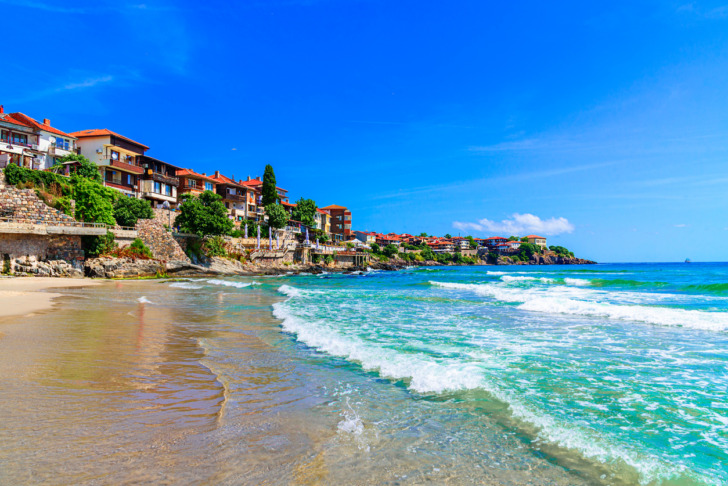
Burgas is Bulgaria’s largest city on the southern Black Sea coast and one of the country’s most relaxed seaside destinations.
Unlike nearby Sunny Beach, which revolves heavily around nightlife and package tourism, Burgas is a real working city with residential neighborhoods, universities, shopping streets, museums, parks, beaches, wetlands, and a busy port.
Its enormous Sea Garden runs along the coast, while Burgas Lakes and the Atanasovsko Lake nature areas make the region particularly interesting for birdwatchers.
The city is also a practical base for exploring Nessebar, Sozopol, Pomorie, and the southern Black Sea coast.
Burgas is generally safe, with relatively low violent crime and good tourist infrastructure.
The main concerns are petty theft during the summer, road safety, beach currents, extreme heat, occasional flooding, and scams involving taxis or nightlife.
Warnings & Dangers in Burgas

OVERALL RISK: LOW
Burgas has a low overall travel risk. Serious violent crime involving foreign visitors is uncommon, central areas are generally comfortable to walk around, and tourist infrastructure is well developed. Travelers should still protect themselves from petty theft, dishonest taxi practices, beach hazards, summer heat, and alcohol-related problems around nightlife venues.

TRANSPORT & TAXIS RISK: LOW
Public buses, taxis, trains, and intercity coaches are generally safe. The biggest concern is road behavior, particularly during the crowded summer season when coastal highways carry heavy traffic. Use registered taxis, check that the meter is running, and avoid unofficial drivers approaching tourists at airports, stations, or nightlife areas.

PICKPOCKETS RISK: MEDIUM
Pickpocketing is not severe by major European-city standards, but summer crowds increase the risk. Pay extra attention around Aleksandrovska Street, the railway and bus stations, festivals, crowded buses, shopping centers, and beachfront events. Keep phones out of back pockets and close bags properly when walking through dense crowds.

NATURAL DISASTERS RISK: MEDIUM
Burgas can experience intense thunderstorms, flash flooding, heatwaves, strong coastal winds, rough Black Sea conditions, and occasional winter storms. Wildfire risk can increase during hot, dry summers in surrounding areas. Earthquakes are possible in Bulgaria, but major destructive events in Burgas are uncommon.

MUGGING RISK: LOW
Muggings and violent street robberies are uncommon in central Burgas. Most visitors can walk comfortably through the city center and Sea Garden during normal evening hours. Risk increases slightly on deserted streets, remote beach sections, poorly lit parks, and transportation areas late at night.

TERRORISM RISK: LOW
The terrorism risk in everyday Burgas tourism is low, although Bulgaria has experienced terrorist violence in the past, including the 2012 attack at Burgas Airport. Security around airports and major transportation facilities has since received considerable attention. Maintain ordinary awareness in crowded transportation hubs and major public events

SCAMS RISK: MEDIUM
Most visits are scam-free, but travelers should watch for taxi overcharging, unfavorable currency exchange, inflated nightlife bills, and misleading accommodation offers. With Bulgaria now using the euro, visitors no longer need to exchange money into Bulgarian lev for ordinary purchases. Always confirm prices before accepting private transportation or services.

WOMEN TRAVELERS RISK: LOW
Burgas is generally safe for women traveling alone. Central streets, the Sea Garden, restaurants, shopping areas, and public transport are usually comfortable during the day and evening. Standard nightlife precautions apply. Avoid isolated beach walks late at night, watch your drinks in bars, and use a registered taxi when returning after drinking.

TAP WATER RISK: LOW
Tap water in Burgas is treated and generally safe to drink. Some visitors prefer bottled water because of taste or mineral differences rather than safety. During rare infrastructure problems or flooding, follow temporary local instructions. Bottled water is inexpensive and widely available in supermarkets, restaurants, and convenience stores.
Safest Places to Visit in Burgas
Sea Garden
The Sea Garden is Burgas’s signature public space and one of the safest and most enjoyable parts of the city.
The huge landscaped park stretches along the coast with walking paths, playgrounds, monuments, cafes, sports areas, and views over the Black Sea.
Families, runners, cyclists, and couples use the park throughout the day and evening.
During busy summer periods, keep control of phones and wallets, but serious crime is uncommon.
Aleksandrovska Street and the City Center
Burgas’s pedestrian center around Aleksandrovska and Bogoridi streets contains restaurants, cafes, shops, hotels, museums, and attractive public squares.
There is regular pedestrian activity into the evening, making it one of the easiest areas for first-time visitors to explore.
Pickpocketing remains possible when festivals or summer events create larger crowds.
Central Beach
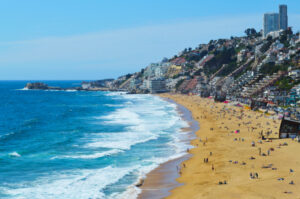
Central Beach is located directly below the Sea Garden and is easy to reach without transportation.
During summer, populated sections near established beach facilities are generally safe.
Swimmers should still respect warning flags and weather conditions.
The Black Sea can develop waves and currents that are stronger than they appear from shore.
North Beach
North Beach provides another long stretch of coastline beside the Sea Garden.
During daylight, it is popular with swimmers, walkers, runners, and families.
Remain around active sections when swimming and avoid leaving valuables unattended while entering the water.
After dark, deserted stretches of beach are better avoided.
Atanasovsko Lake
Atanasovsko Lake sits immediately north of Burgas and is famous for salt production, birdlife, and colorful shallow water.
The surrounding protected wetland is especially interesting during bird migration.
Visit during daylight, use established access points, and bring sunscreen, water, insect repellent, and appropriate footwear.
Do not wander across operational salt-production areas or environmentally restricted sections.
Places to Avoid in Burgas
Isolated Beaches Late at Night
Burgas does not have major tourist no-go neighborhoods, but isolated sections of beach become extremely quiet once restaurants and beach facilities close.
Walking along an empty beach alone at 2 a.m. creates unnecessary exposure to theft, harassment, and accidents near the water.
Stay around illuminated central sections or return through the Sea Garden and main streets.
Port and Industrial Areas
Burgas is an important commercial port.
Cargo facilities, warehouses, fuel infrastructure, railway yards, and industrial sections are not sightseeing destinations.
Heavy vehicles, restricted zones, security operations, and poor pedestrian infrastructure make these areas inappropriate for casual exploration.
Use designated public waterfront areas instead.
Railway and Bus Station Area Very Late at Night
The central railway and bus stations are useful and normally safe during operating hours, but the surrounding streets can become quieter late at night.
Travelers carrying suitcases, passports, cash, and electronics are more vulnerable than local pedestrians.
Arrange a registered taxi if arriving at an inconvenient hour.
Remote Wetland Areas After Sunset
Burgas is surrounded by lakes and nature areas, but remote wetland trails are much better visited during daylight.
Limited lighting, insects, uneven terrain, water channels, and difficulty arranging transportation make nighttime exploration impractical.
Birdwatching is also considerably better during daylight hours.
Closed or Unsupervised Beach Areas During Rough Seas
Do not ignore red flags or enter the water because other people appear to be swimming.
Black Sea currents can be dangerous even when waves look manageable.
Avoid swimming during storms, strong winds, poor visibility, or whenever lifeguards have closed the water.
Safety Tips for Traveling to Burgas
- Pay attention to beach flags. The Black Sea is usually comfortable for swimming during summer, but currents and waves change with weather. Use beaches with lifeguards whenever possible and follow flag warnings. A red flag means conditions are unsafe, even if the water does not look particularly dramatic from shore.
- Keep valuables with you on the beach. Do not leave your phone, wallet, passport, watch, or camera sitting openly on a towel while everyone in your group goes swimming. Take only the valuables you genuinely need and use accommodation safes for passports and additional cash.
- Use registered taxis. Burgas has legitimate taxi companies, but visitors should avoid getting into an unmarked vehicle offered by someone approaching them outside a station or airport. Check the displayed fare information, make sure the meter is operating, and ask your hotel or restaurant to call a taxi if uncertain.
- Watch your belongings in summer crowds. July and August bring significantly more visitors to Burgas and the surrounding coast. Festivals, buses, pedestrian streets, and beach events can become busy enough for pickpockets to operate. Carry bags in front of you in crowds and keep phones out of loose pockets.
- Be careful on coastal roads. Summer traffic between Burgas, Nessebar, Sunny Beach, Pomorie, and Sozopol can become heavy. Allow additional travel time rather than rushing. If renting a car, watch carefully for motorcycles, cyclists, pedestrians, and sudden lane changes, particularly near resort entrances.
- Protect yourself during heatwaves. Summer temperatures can climb well above 30°C, with strong sun and limited shade on the beach. Use sunscreen, wear a hat, drink water frequently, and take breaks during the hottest afternoon hours. Alcohol combined with sun and dehydration causes plenty of avoidable holiday problems.
- Take thunderstorms seriously. Summer storms can develop quickly along the coast. Leave the beach when thunder begins and avoid standing under isolated trees or remaining in the water. Intense rainfall may temporarily flood low roads and underpasses, so do not attempt to drive through water of uncertain depth.
- Be more cautious on trips to major nightlife resorts. Burgas itself is comparatively relaxed, but nearby Sunny Beach has a much larger nightlife scene. Heavy drinking increases the risk of fights, drink tampering, theft, inflated bills, and bad decisions around transportation. If visiting for the night, arrange your return to Burgas beforehand.
- Use official ATMs and normal card precautions. Withdraw money from ATMs attached to banks or inside established commercial areas rather than isolated machines. Check card terminals before entering your PIN and decline unnecessary currency conversion if your bank offers better rates. Bulgaria now uses the euro, making payments simpler for many European visitors.
- Buy travel insurance for coastal activities. A basic Burgas holiday is low-risk, but insurance remains useful for medical treatment, flight cancellations, lost baggage, theft, road accidents, and water activities. If your plans include jet skis, sailing, diving, or other higher-risk activities, confirm that your policy covers them specifically.
So... How Safe Is Burgas Really?
Burgas is one of the safer and easier large cities to visit on Bulgaria’s Black Sea coast.
It has the infrastructure of a regional city without the relentless party atmosphere found in some nearby resorts.
Families live and work throughout the center, public spaces remain busy into the evening, and the Sea Garden gives the city an unusually open and relaxed atmosphere.
Crime is unlikely to be the biggest problem for most visitors.
Pickpocketing and opportunistic theft deserve attention during the busiest summer weeks, but violent attacks on tourists are not common.
The beach deserves more respect.
Black Sea conditions can change after strong winds, and swimmers occasionally underestimate currents because the water looks less intimidating than the open ocean.
Choosing guarded beaches and obeying warning flags significantly reduces the risk.
Transportation is another consideration.
Roads leading north and south from Burgas can become extremely busy during July and August.
Drivers should leave more space, avoid speeding, and expect journeys to take longer than navigation estimates.
Bulgaria’s adoption of the euro on January 1, 2026 has also simplified money matters for international visitors.
Euro notes and coins are now the normal currency in Burgas, replacing the Bulgarian lev.
My assessment is that Burgas has a low overall travel risk.
It is suitable for families, solo travelers, women traveling alone, couples, and older visitors.
Protect valuables during crowded summer periods, respect the Black Sea, use legitimate taxis, and most travelers should find Burgas straightforward and comfortable.
How Does Burgas Compare?
| City | Safety Index |
|---|---|
| Burgas |
86 |
| Varna |
84 |
| Plovdiv |
88 |
| Bansko |
89 |
| Sofia |
70 |
| Nessebar |
90 |
| Veliko Tarnovo |
91 |
 Adelaide Adelaide | 88 |
 Montevideo Montevideo | 44 |
 Bend Bend | 87 |
| Amelia Island | 85 |
| Dell City | 81 |
| Oceanside | 85 |
Useful Information

Visas
Bulgaria is part of the Schengen Area. Travelers from the United States, Canada, the United Kingdom, Australia, and many other visa-exempt countries can generally visit the Schengen Area for up to 90 days within any 180-day period without a short-stay visa. Travelers from visa-required countries need an appropriate Schengen visa.

Currency
Bulgaria adopted the euro on January 1, 2026. The euro is now the official currency used in Burgas. The former Bulgarian lev was converted at a fixed rate of 1 euro to 1.95583 lev. Cards are widely accepted, while cash remains useful for markets, small businesses, beach facilities, and occasional transportation purchases.

Weather
Burgas has hot, sunny summers and relatively mild but cool winters. July and August commonly bring daytime temperatures around the upper 20s to low 30s Celsius. Winter temperatures are much lower, and coastal winds can make conditions feel colder. May through September is the main beach season, with July and August the busiest months.

Airports
Burgas Airport is located roughly 10 kilometers northeast of the city and is one of Bulgaria’s main seasonal tourism gateways. It becomes particularly busy during summer, serving travelers heading to Burgas, Nessebar, Sunny Beach, Pomorie, Sozopol, and other Black Sea resorts. Buses, taxis, rental cars, and private transfers connect the airport with the city.

Travel Insurance
Travel insurance is recommended for Burgas even though the city is relatively safe. Look for coverage including emergency medical treatment, trip cancellation, lost baggage, theft, road accidents, and water activities. European visitors who qualify for an EHIC should still consider separate travel insurance because the card does not replace comprehensive private coverage.
Burgas Weather Averages (Temperatures)
Average High/Low Temperature
| Temperature / Month | Jan | Feb | Mar | Apr | May | Jun | Jul | Aug | Sep | Oct | Nov | Dec |
|---|---|---|---|---|---|---|---|---|---|---|---|---|
| High °C |
7 | 9 | 12 | 17 | 22 | 27 | 29 | 29 | 25 | 19 | 14 | 8 |
| Low °C |
-1 | -1 | 2 | 6 | 11 | 16 | 18 | 18 | 14 | 10 | 5 | 1 |
| High °F |
45 | 48 | 54 | 63 | 72 | 81 | 84 | 84 | 77 | 66 | 57 | 46 |
| Low °F |
30 | 30 | 36 | 43 | 52 | 61 | 64 | 64 | 57 | 50 | 41 | 34 |
Bulgaria - Safety by City
| City | Safety Index |
|---|---|
| Bansko | 89 |
| Burgas | 86 |
| Nessebar | 90 |
| Plovdiv | 88 |
| Sofia | 70 |
| Varna | 84 |
| Veliko Tarnovo | 91 |