 Aruba : Safety by City
Aruba - safety as a country
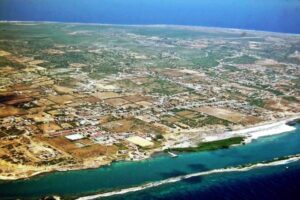
San Nicolas is Aruba’s colorful southern city, located about 19 kilometers southeast of Oranjestad and only a short drive from Baby Beach.
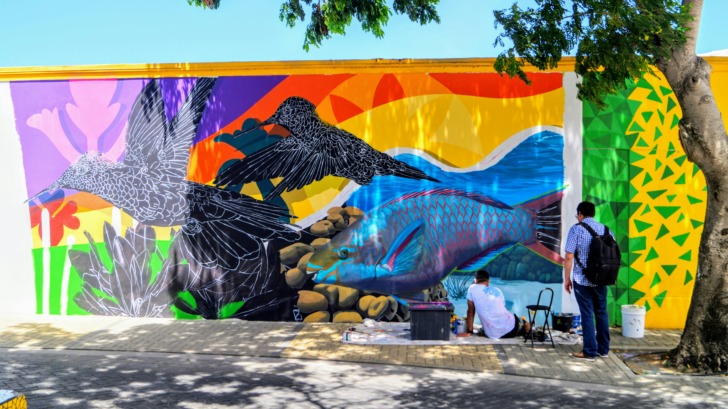
Once shaped by the island’s oil-refinery industry, the city has reinvented itself as Aruba’s cultural capital, with enormous street murals, Caribbean architecture, local restaurants, carnival traditions, and a noticeably different personality from the polished Palm Beach hotel district.
San Nicolas feels quieter, more residential, and more authentically Aruban than the island’s busiest tourist zones.
It is also a convenient base for exploring Rodger’s Beach, Boca Grandi, Seroe Colorado, and Aruba’s rugged southeastern coast.
The city is generally safe for visitors, particularly during the day, but limited nightlife, quiet streets, industrial areas, strong coastal winds, and isolated beaches require sensible planning.
Warnings & Dangers in San Nicolas

OVERALL RISK: LOW
San Nicolas has a low overall risk for tourists. Aruba is one of the safer Caribbean destinations, and serious crime involving visitors is uncommon. San Nicolas is quieter and less tourist-oriented than Oranjestad or Palm Beach, so visitors should avoid empty streets at night, secure valuables, and arrange reliable transportation after evening activities.

TRANSPORT & TAXIS RISK: LOW
Taxis and rental cars are generally safe in San Nicolas. Official taxi fares are regulated, although visitors should confirm the cost before departure. Aruba drives on the right. Roads outside central areas may be dark, narrow, or shared with cyclists and pedestrians, so avoid speeding and use extra caution after sunset.

PICKPOCKETS RISK: LOW
Pickpocketing is uncommon, but opportunistic theft can occur around festivals, busy restaurants, beaches, supermarkets, and public events. San Nicolas rarely experiences the dense crowds found in major cruise ports. Keep wallets and phones secured, and never leave bags unattended while swimming at Baby Beach or Rodger’s Beach.

NATURAL DISASTERS RISK: LOW
Aruba sits south of the main Atlantic hurricane belt, making direct hurricane strikes rare. However, passing tropical systems can still bring heavy rain, rough seas, strong winds, and travel disruption. Intense heat, sun exposure, flash flooding, and dangerous coastal conditions are more realistic concerns for most visitors.

MUGGING RISK: LOW
Muggings are not common in central San Nicolas or at its established tourist attractions. Risk increases slightly on quiet streets, isolated coastal roads, and empty beaches after dark. Avoid displaying expensive jewelry or electronics, carry limited cash, and use a taxi or rental vehicle rather than walking long distances at night.

TERRORISM RISK: LOW
The terrorism risk in San Nicolas is low. Aruba is politically stable and is not considered a frequent target for international terrorist activity. Visitors should still maintain basic awareness around the airport, public festivals, cruise facilities, government buildings, and crowded events, but terrorism is not a significant everyday concern.

SCAMS RISK: LOW
Scams are uncommon in San Nicolas. Potential problems include unclear taxi fares, inflated activity prices, rental-car damage disputes, and unexpected beach-equipment charges. Confirm prices before accepting services, inspect rental vehicles carefully, and use established businesses for tours or water activities. Aggressive tourist scams are rare.

WOMEN TRAVELERS RISK: LOW
San Nicolas is generally safe for women, including solo visitors. The mural district and beaches are comfortable during busy daytime hours. However, the city becomes quiet at night, and unwanted attention is possible anywhere. Women traveling alone should avoid deserted streets, watch drinks, and use trusted transportation after dark.

TAP WATER RISK: LOW
Aruba’s tap water is safe to drink and is produced through an advanced seawater-desalination system. Visitors can refill reusable bottles directly from the tap at established accommodations and restaurants. Travelers with extremely sensitive stomachs may still prefer filtered water, but bottled water is not normally necessary for health reasons.
Safest Places to Visit in San Nicolas
San Nicolas Mural District
The mural district is one of the safest and most interesting parts of San Nicolas during the day.
Large artworks cover buildings throughout the central streets, transforming old commercial blocks into an open-air gallery.
The area is best explored in the morning or afternoon, when shops, cafes, museums, and local businesses are open.
The district becomes much quieter after businesses close, so schedule your visit before evening.
Keep normal awareness around cameras and phones, particularly during festivals or organized art events.
Baby Beach
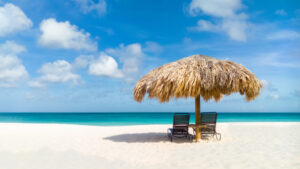
Baby Beach is San Nicolas’s most famous attraction and one of Aruba’s most popular family beaches.
Its curved lagoon has shallow water near the shore, making it comfortable for wading and beginner swimming.
The safest area is inside the protected lagoon. Near the opening to the sea, the water becomes deeper, and currents can be much stronger.
Remain within marked swimming and snorkeling zones, supervise children closely, and never assume the entire bay is equally calm.
Rodger’s Beach
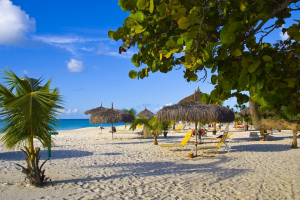
Rodger’s Beach is a smaller, quieter alternative close to Baby Beach.
Fishing boats, calm bay water, pale sand, and fewer crowds create a relaxed local atmosphere.
It is generally safe during daylight, especially when other families and fishermen are present.
Facilities are limited, so bring water, sun protection, and anything else you need.
Avoid staying after the beach becomes deserted.
Museum of Industry
The Museum of Industry offers a safe daytime introduction to San Nicolas’s refinery history, migration, industry, and economic development.
It helps explain why this small city feels so multicultural and different from Aruba’s resort districts.
Combine the museum with the nearby mural streets and a central restaurant.
Places to Avoid in San Nicolas
Refinery and Industrial Areas
The refinery has played an enormous role in San Nicolas’s history, but active, restricted, or abandoned industrial areas are not tourist attractions.
Avoid entering fenced compounds, storage yards, service roads, or deteriorating structures.
Do not photograph security gates, guarded facilities, fuel infrastructure, or workers without permission.
Industrial areas may contain heavy vehicles, unsafe surfaces, chemical hazards, and restricted access.
Central Streets After Businesses Close
Downtown San Nicolas is interesting during the day, but some streets become almost empty once shops, museums, and restaurants close.
This does not make the entire center dangerous, but there are fewer people around and fewer reasons for tourists to wander.
Arrange transportation after dinner or evening events.
Avoid walking alone while displaying a phone, camera, or large amount of cash.
Boca Grandi for Casual Swimming
Boca Grandi is beautiful, windy, and popular with experienced kiteboarders.
It is not a gentle swimming beach.
Strong winds, waves, currents, and offshore conditions make it unsuitable for casual swimmers or young children.
Enjoy the scenery from shore or participate through an experienced instructor.
Do not enter the water simply because other people are kiteboarding successfully.
Isolated Southeastern Coast After Dark
The coast beyond Baby Beach and Seroe Colorado includes rocky viewpoints, quiet roads, beaches, and exposed desert landscapes.
These places can feel empty after sunset.
Visit during daylight, carry water, and keep enough fuel in your vehicle.
Avoid remote roads at night, when poor lighting, navigation mistakes, vehicle trouble, and limited access to assistance become more serious.
Safety Tips for Traveling to San Nicolas
- Explore the mural district during daylight. San Nicolas’s street art is best viewed when shops and cafes are open, and other visitors are around. Begin in the morning, when temperatures are more comfortable. After businesses close, central streets can become very quiet, so arrange transportation rather than wandering without a clear destination.
- Stay inside Baby Beach’s protected lagoon. Baby Beach has shallow water near shore, but conditions change close to the opening. Stronger currents can pull swimmers toward deeper water. Remain inside marked areas, follow posted warnings, and supervise children continuously. A beach called “Baby Beach” still requires adult attention.
- Do not leave valuables on the sand. Avoid leaving phones, wallets, passports, vehicle keys, or cameras beneath a towel while swimming. Carry only what you need and use a waterproof pouch or secure storage. Lock everything else at your accommodation and never leave bags visible inside a parked rental car.
- Rent a car or arrange taxis. San Nicolas is separated from Aruba’s main hotel district, and public transportation may not fit every itinerary. A rental car makes beaches and attractions easier to reach. For evenings, use an official taxi and confirm the fare in advance. Walking long distances on dark roads is unnecessary.
- Protect yourself from the sun. Aruba’s trade winds can make the heat feel deceptively comfortable. Apply reef-conscious sunscreen, wear a hat, use sunglasses, and drink water throughout the day. The strongest midday sun can cause burns quickly, especially while snorkeling or sitting near reflective sand and water.
- Avoid swimming at Boca Grandi. Boca Grandi is designed by nature for wind, waves, and experienced kiteboarders, not relaxed floating. Watch the action from shore unless you are participating with qualified instruction. Families and inexperienced swimmers should choose Baby Beach or another protected swimming area instead.
- Keep away from refinery property. Do not enter abandoned structures or restricted industrial roads around the refinery. Fences, warning signs, and security controls should always be respected. These areas may contain unstable buildings, machinery, contaminated ground, and guarded infrastructure. Curiosity is not worth the legal or physical risk.
- Inspect rental cars carefully. Photograph every scratch, dent, wheel, and window before leaving the rental lot. Confirm insurance terms, fuel requirements, and emergency numbers. Lock the car whenever unattended and remove all visible belongings. Vehicle theft is uncommon, but break-ins and damage disputes are easier to prevent than resolve.
- Monitor tropical weather. Aruba rarely experiences direct hurricane strikes, but distant tropical systems can produce rain, rough seas, wind, or flight disruptions. Check forecasts before beach days and boat trips. Avoid exposed coastlines during dangerous-swell warnings, and follow local instructions if heavy rain causes flooded roads.
- Carry both dollars and florins. U.S. dollars are widely accepted, but smaller businesses may return change in Aruban florins. Carry small notes for taxis, snacks, tips, and beach services. Keep backup money and a second card separately. Confirm whether restaurant service charges are included before adding a tip.
So... How Safe Is San Nicolas Really?
San Nicolas is a safe destination for travelers who understand that it is a small working city rather than a resort district.
Aruba maintains a low international travel advisory level, and violent crime against visitors is uncommon.
The city’s daytime attractions, including its mural district, museums, restaurants, Baby Beach, and Rodger’s Beach, are generally comfortable for families, couples, and solo travelers.
San Nicolas can feel less polished than Palm Beach or Eagle Beach.
Streets become quieter earlier, tourist services are more spread out, and some areas still carry the visual character of the city’s industrial past.
None of that automatically means danger, but it makes transportation and timing more important.
The most likely problems are unattended-property theft, rental-car break-ins, sunburn, dehydration, road accidents, and swimming beyond safe areas.
Baby Beach is calm inside the lagoon, while Boca Grandi and exposed coastal areas can be dangerous for inexperienced swimmers.
Aruba’s position south of the main hurricane belt lowers the natural-disaster risk, although tropical systems can still disrupt weather and transportation.
I assess that San Nicolas has a low crime risk and a low-to-medium environmental risk.
Visit central areas during daylight, secure your belongings, drive carefully, and respect the water.
With those precautions in place, San Nicolas is an easy and rewarding place to discover a more authentic side of Aruba.
How Does San Nicolas Compare?
| City | Safety Index |
|---|---|
| San Nicolas |
79 |
| Savaneta |
90 |
| Oranjestad |
85 |
| Palm Beach |
88 |
| Eagle Beach |
91 |
| Noord |
88 |
 Pretoria Pretoria | 25 |
 Ayacucho Ayacucho | 44 |
 Westerly Westerly | 82 |
 Beirut Beirut | 45 |
| Dunwoody | 74 |
 Malmo Malmo | 78 |
Useful Information

Visas
Visa requirements depend on nationality, and many visitors can enter Aruba without obtaining a visa beforehand. The standard tourist admission is commonly up to 30 days. Every traveler must complete the online ED Card before arrival. Most air passengers also pay a US$20 sustainability fee through the entry-card process.

Currency
The official currency is the Aruban florin, generally fixed at about 1.79 florins to US$1. U.S. dollars are accepted almost everywhere, including restaurants, taxis, shops, and beaches. Cards are widely used, but carrying small cash is helpful. Change may be returned in florins even when paying in dollars.

Weather
San Nicolas is warm, sunny, dry, and windy throughout the year, with daytime temperatures commonly around 28 to 32°C. Aruba lies south of the main hurricane belt, although passing storms can still affect conditions. Pack lightweight clothing, sunscreen, sunglasses, a hat, swimwear, and a light rain layer.

Airports
Queen Beatrix International Airport is Aruba’s only major airport and is approximately 20 to 30 minutes from San Nicolas by car. Official taxis and rental cars are available at the airport. Public buses may also serve the southern side, but a car is more convenient for reaching beaches and accommodations outside central San Nicolas.

Travel Insurance
Travel insurance is recommended for San Nicolas. A useful policy should cover medical treatment, rental-car incidents, stolen belongings, flight delays, weather disruption, and water activities. Travelers planning to snorkel, kiteboard, dive, or take boat trips should confirm that those activities are specifically included in the policy.
San Nicolas Weather Averages (Temperatures)
Average High/Low Temperature
| Temperature / Month | Jan | Feb | Mar | Apr | May | Jun | Jul | Aug | Sep | Oct | Nov | Dec |
|---|---|---|---|---|---|---|---|---|---|---|---|---|
| High °C |
30 | 30 | 31 | 31 | 32 | 32 | 32 | 33 | 33 | 32 | 31 | 30 |
| Low °C |
24 | 25 | 25 | 26 | 27 | 27 | 27 | 27 | 27 | 27 | 26 | 25 |
| High °F |
86 | 86 | 88 | 88 | 90 | 90 | 90 | 91 | 91 | 90 | 88 | 86 |
| Low °F |
75 | 77 | 77 | 79 | 81 | 81 | 81 | 81 | 81 | 81 | 79 | 77 |
Aruba - Safety by City
| City | Safety Index |
|---|---|
| Eagle Beach | 91 |
| Noord | 88 |
| Oranjestad | 85 |
| Palm Beach | 88 |
| San Nicolas | 79 |
| Savaneta | 90 |