 Aruba : Safety by City
Aruba - safety as a country
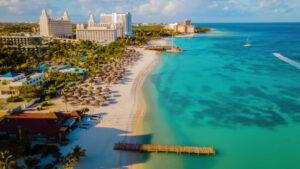
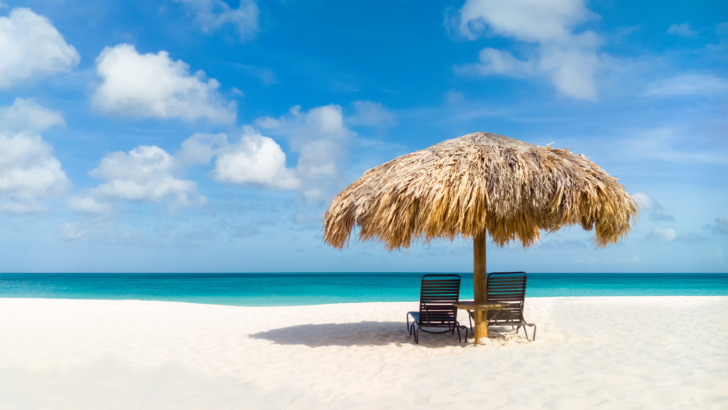
Eagle Beach is one of Aruba’s most famous coastal areas, stretching along the island’s western shore between Oranjestad and Palm Beach.
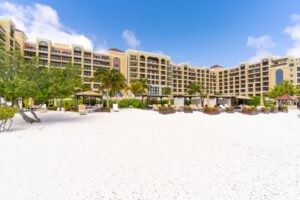
It is known for powdery white sand, calm turquoise water, low-rise resorts, and the windswept fofoti trees that appear in countless Aruba photographs.
The beach is wide enough to feel peaceful even when the island is busy, and its location makes restaurants, casinos, supermarkets, watersports, and other beaches easy to reach.
Eagle Beach is also noticeably quieter than the high-rise resort zone at Palm Beach, which suits travelers who want relaxation without feeling isolated.
From a safety perspective, it is one of the Caribbean’s easier beach destinations.
Crime is relatively low, the tap water is excellent, and severe hurricanes are uncommon.
The main concerns are petty theft, strong sun, ocean conditions, traffic, and deserted beach areas after dark.
Warnings & Dangers in Eagle Beach

OVERALL RISK: LOW
Eagle Beach is generally safe for tourists, couples, families, and solo travelers. Serious crime in the main hotel and beach areas is uncommon. Most problems involve unattended belongings, theft from rental cars, excessive sun exposure, traffic accidents, or poor decisions after drinking. Normal beach-destination precautions are usually enough.

TRANSPORT & TAXIS RISK: LOW
Taxis, hotel transfers, public buses, and rental cars are widely used around Eagle Beach. Licensed taxis are generally safe, but fares should be confirmed before departure because taxis do not always operate like metered services elsewhere. Drive cautiously at roundabouts and remember that unfamiliar rental vehicles are common on Aruba’s roads.

PICKPOCKETS RISK: LOW
Organized pickpocketing is not a major problem at Eagle Beach. Opportunistic theft is more likely when travelers leave phones, wallets, bags, or room keys unattended under a towel. Crowded holiday weekends, festivals, buses, beach bars, and resort events require slightly more awareness than an ordinary quiet beach day.

NATURAL DISASTERS RISK: LOW
Aruba lies south of the Caribbean’s primary hurricane belt, so direct hurricane impacts are rare. However, the official Atlantic hurricane season still runs from June 1 through November 30. Nearby tropical systems can bring heavy rain, rough seas, coastal flooding, strong wind, and flight disruptions.

MUGGING RISK: LOW
Muggings are uncommon around Eagle Beach’s main resorts and restaurants, particularly during daylight and early evening. The risk increases on empty beaches, unlit roads, and quiet parking areas late at night. Avoid walking alone while displaying valuables, and use a taxi when returning from distant bars or casinos.

TERRORISM RISK: LOW
The terrorism risk at Eagle Beach is low. Aruba is a small, stable tourism destination without a significant history of terrorism targeting visitors. Ordinary awareness in airports, resorts, festivals, and crowded public spaces is sufficient. Theft, road accidents, heat, and water-related incidents are far more realistic concerns.

SCAMS RISK: LOW
Serious scams are uncommon. Travelers may encounter unclear taxi fares, overpriced excursions, unofficial tour sellers, or rental agreements containing unexpected charges. Confirm prices before accepting a ride or activity, photograph rental vehicles before driving away, and book watersports through established operators with visible safety procedures.

WOMEN TRAVELERS RISK: LOW
Eagle Beach is generally comfortable for women traveling alone. The low-rise hotel area is tourism-focused, English is widely spoken, and the main roads remain active into the evening. Women should still avoid deserted beach sections after dark, watch drinks, use trusted taxis, and secure hotel or vacation-rental doors.

TAP WATER RISK: LOW
Aruba’s tap water is safe to drink and is produced by desalinating and treating seawater. Visitors can refill reusable bottles at hotels and vacation rentals instead of buying bottled water throughout the trip. The water may taste slightly different from home, but it is considered clean and potable.
Safest Places to Visit in Eagle Beach
The Main Eagle Beach Area
The central section of Eagle Beach, especially near the low-rise resorts and established palapa areas, is the safest place to spend the day.
There are usually other visitors, hotel employees, restaurant staff, watersports operators, and passing traffic nearby.
The beach is broad, clean, and generally calm, making it suitable for families and less confident swimmers when conditions are normal.
Manchebo Beach
Manchebo Beach lies at the southern end of the wider Eagle Beach area.
It is quieter than Palm Beach but still connected to established resorts, restaurants, and transportation.
The atmosphere is peaceful, and the wide sandy shoreline gives visitors plenty of room without forcing them into isolated coves.
Low-Rise Hotel District
The resort zone along J.E. Irausquin Boulevard is one of Aruba’s most comfortable visitor areas.
Hotels, restaurants, supermarkets, casinos, and bus stops are relatively close together.
Walking during the day is generally safe, although pedestrians should pay close attention when crossing the boulevard.
Bubali Bird Sanctuary in Daylight
The Bubali Bird Sanctuary, located inland between Eagle Beach and Palm Beach, is a quiet place for observing waterbirds and enjoying a break from the resorts.
It is best visited during daylight, preferably with transportation arranged.
Bring insect repellent, water, and sun protection.
Palm Beach Resort Area
Palm Beach is a short taxi, bus, or rental-car trip north of Eagle Beach.
Its busy hotel strip, restaurants, shops, nightlife, and watersports make it one of the island’s most active visitor zones.
It is useful for travelers who want more entertainment while continuing to stay in quieter Eagle Beach.
Places to Avoid in Eagle Beach
Empty Beach Sections After Dark
Eagle Beach is peaceful in the evening, but that peacefulness can become isolation once most swimmers and resort guests leave.
Avoid sitting alone on distant beach sections late at night, especially while carrying phones, cameras, or visible cash.
Stay near active resorts, restaurants, and well-lit paths.
Beach Parking Areas at Night
Parking lots and roadside spaces near the beach are convenient during daylight but should not be treated as secure storage.
Never leave bags, passports, electronics, shopping, or snorkeling equipment visible inside a rental car.
Empty parking areas are also poor places to linger late at night.
J.E. Irausquin Boulevard on Foot
The main boulevard is not a dangerous neighborhood, but it can be hazardous for pedestrians.
Traffic moves quickly, roundabouts can confuse visitors, and not every section is designed for comfortable walking.
Use marked crossings, remain alert around turning vehicles, and avoid walking beside the road while distracted by your phone.
Bubali’s Quiet Paths After Sunset
Bubali Bird Sanctuary is suitable for daytime nature visits, but its quieter paths and observation areas are not ideal after sunset.
Lighting and foot traffic are limited, mosquitoes become more active, and assistance may not be nearby.
Finish your visit with enough daylight to return comfortably.
Aruba’s Rough Northern Coast
The exposed northern and eastern coastline is completely different from Eagle Beach.
Waves, rocks, currents, and sudden surges can be dangerous, particularly near natural pools and cliff edges.
Do not assume water is safe merely because other tourists are taking photographs nearby.
Use a reputable tour when exploring rugged coastal areas.
Safety Tips for Traveling to Eagle Beach
- Never leave valuables unattended. A towel is not a security system. Take only the essentials to the beach and use a waterproof pouch for your phone, payment card, and room key. When traveling with others, take turns swimming. Passports, laptops, expensive jewelry, and backup cash should remain secured at your accommodation.
- Protect yourself from the sun. Aruba’s trade winds make the heat feel more comfortable than it really is. Travelers can burn badly without noticing until later. Apply broad-spectrum sunscreen regularly, wear a hat and sunglasses, drink water throughout the day, and spend part of the afternoon under shade rather than staying exposed for hours.
- Confirm ocean conditions before swimming. Eagle Beach is usually calmer than Aruba’s northern coast, but waves, wind, currents, and visibility still change. Swim near other people, remain close to shore if you are inexperienced, and supervise children continuously. Avoid swimming at night or after drinking significant amounts of alcohol.
- Use licensed or hotel-arranged taxis. Arrange taxis through your hotel, restaurant, or an established dispatcher. Ask the approximate fare before departing and confirm whether additional charges apply at night, on holidays, or for luggage. Do not enter an unmarked vehicle simply because someone outside a resort claims to be available.
- Drive carefully at roundabouts. Aruba’s major roads contain numerous roundabouts, and visitors may be unfamiliar with the local lane patterns. Slow down, choose the correct lane early, and yield appropriately. Avoid checking navigation while moving. Ask a passenger to handle directions or stop somewhere safe before using your phone.
- Keep rental cars empty. The safest rental car is one that appears to contain nothing worth stealing. Remove bags, beach gear, shopping, documents, and charging cables whenever parking. Lock the doors even during short stops. Photograph the vehicle’s existing damage before leaving the rental lot to prevent later disputes.
- Avoid isolated walks after dark. The resort strip may feel safe, but beach paths and roadside sections can become empty quickly. Walk with another person, stay near illuminated hotels and restaurants, and use a taxi for longer distances. This is particularly important after drinking, when attention and judgment are reduced.
- Book watersports through established operators. Jet skiing, parasailing, snorkeling, diving, and boat trips are widely available. Choose businesses that provide life jackets, safety briefings, maintained equipment, and clear weather policies. Avoid operators who overload boats, rush instructions, or dismiss questions about insurance and emergency procedures.
- Prepare for tropical weather. Aruba rarely receives direct hurricane strikes, but nearby storms can still create rough seas, heavy rainfall, and travel delays. Monitor forecasts during the June through November hurricane season. Follow hotel instructions and purchase insurance before a storm becomes a known or named event.
- Respect wildlife and protected nature. Do not touch sea turtles, disturb nests, remove shells, feed wild animals, or stand on coral. Maintain distance from nesting areas and follow signs placed by conservation groups. Aruba’s entry guidance also asks visitors to leave natural materials such as shells and coral on the island.
So... How Safe Is Eagle Beach Really?
Eagle Beach is genuinely one of the safer choices for a Caribbean beach vacation.
Aruba has a well-established tourism industry, widespread English use, dependable drinking water, developed resort areas, and relatively low exposure to direct hurricane strikes.
Eagle Beach adds another advantage: it is calmer and less crowded than the high-rise Palm Beach area.
The biggest criminal concern is opportunistic property theft rather than violent crime.
Phones left on towels, bags visible in rental cars, unlocked vacation rentals, and valuables carried during late-night walks create avoidable risks.
Travelers who secure their belongings and use taxis after dark are unlikely to encounter serious trouble.
Environmental risks are more relevant to the average visitor.
Aruba’s constant breeze can hide the intensity of the sun, leading to dehydration and burns.
Ocean conditions can change, particularly when regional weather systems affect the coast.
Road accidents are another concern because visitors may be distracted, unfamiliar with roundabouts, or driving after drinking.
Eagle Beach does not have recognized tourist no-go neighborhoods.
The areas that deserve caution are situational: empty beaches after dark, isolated parking lots, poorly lit roadside stretches, and Aruba’s rough northern coastline.
My honest assessment is that Eagle Beach has a low overall safety risk.
It is suitable for families, couples, solo women, older travelers, and first-time Caribbean visitors.
Use ordinary precautions, respect the sun and sea, and Eagle Beach is about as relaxed as tropical travel gets.
How Does Eagle Beach Compare?
| City | Safety Index |
|---|---|
| Eagle Beach |
91 |
| Palm Beach |
88 |
| Noord |
88 |
| Savaneta |
90 |
| San Nicolas |
79 |
| Oranjestad |
85 |
 Zagreb Zagreb | 80 |
 Salt Lake City Salt Lake City | 55 |
| Daytona Beach | 83 |
 Edinburgh Edinburgh | 75 |
 Mechelen Mechelen | 84 |
| Calais | 88 |
Useful Information

Visas
Many travelers, including citizens of the United States, Canada, the United Kingdom, and European Union countries, can visit Aruba without obtaining a tourist visa in advance. Every air traveler must complete the online ED Card, including children. A USD $20 sustainability fee is normally collected through that process.

Currency
Aruba uses the Aruban florin, but U.S. dollars are accepted almost everywhere around Eagle Beach. Prices are frequently displayed in dollars, and cards are widely accepted at hotels, restaurants, supermarkets, and tour companies. Carry some small U.S. bills or florins for buses, tips, beach vendors, and minor purchases.

Weather
Eagle Beach is warm, sunny, and breezy throughout the year, with daytime temperatures commonly remaining near the high 20s or low 30s Celsius. Aruba has a dry, semi-arid climate with brief rainfall. Pack lightweight clothes, strong sunscreen, sunglasses, a hat, and a light rain layer.

Airports
Queen Beatrix International Airport is Aruba’s only major passenger airport. Eagle Beach is usually around 15 to 20 minutes away by taxi or private transfer, depending on traffic. Shared shuttle transportation is also available to the Eagle Beach area, while rental cars can be collected at or near the airport.

Travel Insurance
Travel insurance is recommended even though Aruba does not generally require it. Choose coverage for medical treatment, evacuation, theft, rental-car damage, lost luggage, cancellations, and weather disruption. During hurricane season, buy the policy before a storm is named because known weather events are usually excluded from new coverage.
Eagle Beach Weather Averages (Temperatures)
Average High/Low Temperature
| Temperature / Month | Jan | Feb | Mar | Apr | May | Jun | Jul | Aug | Sep | Oct | Nov | Dec |
|---|---|---|---|---|---|---|---|---|---|---|---|---|
| High °C |
30 | 27 | 28 | 28 | 29 | 30 | 29 | 33 | 33 | 30 | 30 | 30 |
| Low °C |
25 | 25 | 25 | 26 | 26 | 27 | 27 | 27 | 28 | 27 | 26 | 25 |
| High °F |
86 | 81 | 82 | 82 | 84 | 86 | 84 | 91 | 91 | 86 | 86 | 86 |
| Low °F |
77 | 77 | 77 | 79 | 79 | 81 | 81 | 81 | 82 | 81 | 79 | 77 |
Aruba - Safety by City
| City | Safety Index |
|---|---|
| Eagle Beach | 91 |
| Noord | 88 |
| Oranjestad | 85 |
| Palm Beach | 88 |
| San Nicolas | 79 |
| Savaneta | 90 |