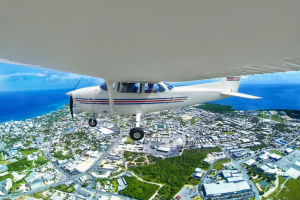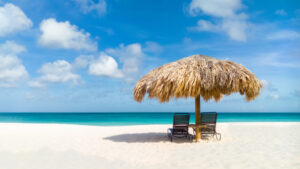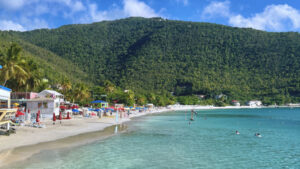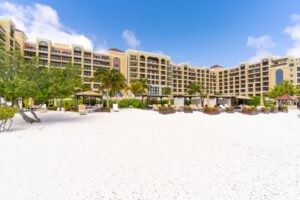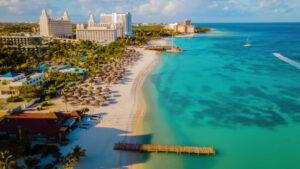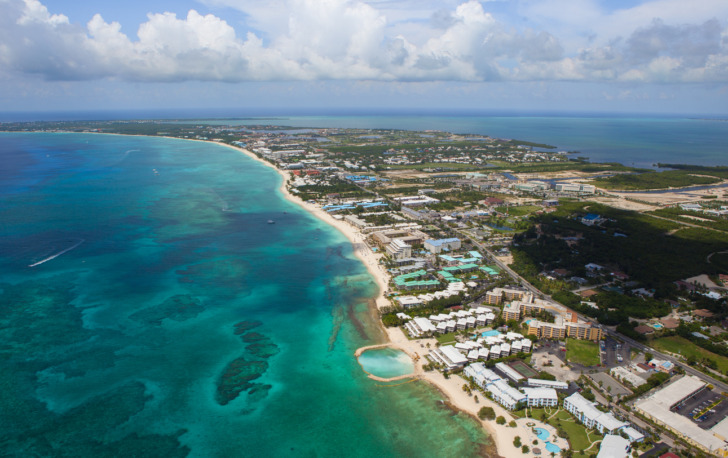
Seven Mile Beach is one of the best-known destinations in the Cayman Islands and the main tourism hub on Grand Cayman.
Located along the island’s western coast, it is famous for its white sand, clear Caribbean water, luxury resorts, beachfront restaurants, snorkeling, watersports, and easy access to George Town.
From a safety perspective, Seven Mile Beach is one of the easier Caribbean destinations for travelers.
Crime rates are relatively low, tourist infrastructure is well developed, and serious incidents involving visitors are uncommon.
Petty theft, unattended belongings, traffic accidents, excessive sun exposure, rough seas during changing weather, and hurricanes are more realistic concerns.
With ordinary precautions, Seven Mile Beach is a comfortable destination for families, couples, solo travelers, and first-time visitors to the Caribbean.
Warnings & Dangers in Seven Mile Beach

OVERALL RISK: LOW
Seven Mile Beach is generally a low-risk destination for tourists. The area contains many major hotels, resorts, restaurants, stores, and established tourism businesses. Serious violent crime affecting visitors is uncommon. Petty theft and crimes of opportunity can still occur, particularly when valuables are left unattended on the beach or inside vehicles. Normal precautions are usually sufficient.

TRANSPORT & TAXIS RISK: LOW
Taxis, rental cars, buses, and other transportation options are generally safe around Seven Mile Beach. Driving takes place on the left side of the road, which can initially be confusing for visitors accustomed to driving on the right. Roundabouts also require extra attention. Traffic along West Bay Road can become busy, especially during peak periods. Pedestrians should use designated crossings whenever possible rather than assuming vehicles will stop.

PICKPOCKETS RISK: LOW
Pickpocketing is uncommon but possible. Busy restaurants, shopping areas, bars, cruise ship days, and large events provide the best opportunities for opportunistic theft. Visitors should keep control of wallets, phones, and bags without becoming overly concerned. The more common mistake is leaving valuables unattended on a beach chair while swimming.

NATURAL DISASTERS RISK: MEDIUM
Hurricanes and tropical storms are the most important natural hazards affecting Seven Mile Beach. Atlantic hurricane season runs from June through November, although storms can occur outside the most active period. Tropical systems may bring strong winds, heavy rain, storm surge, flooding, dangerous surf, and travel disruptions. Visitors traveling during hurricane season should monitor weather conditions and follow evacuation or shelter instructions if issued.

MUGGING RISK: LOW
Muggings are uncommon in the Seven Mile Beach area. The concentration of resorts, restaurants, businesses, and visitors means many parts of the area remain active into the evening. Risk can increase late at night in isolated or poorly illuminated locations. Avoid wandering alone through deserted areas while intoxicated and do not unnecessarily display large amounts of cash or expensive jewelry.

TERRORISM RISK: LOW
Seven Mile Beach has a low terrorism risk. There is no particular reason for visitors to consider terrorism an everyday concern when planning a trip to Grand Cayman. Normal awareness at airports, major events, and crowded public locations is sufficient. Follow instructions from local authorities if an unusual security situation develops.

SCAMS RISK: LOW
Tourist scams are relatively uncommon around Seven Mile Beach. Visitors should still confirm prices for taxis, excursions, boat trips, watersports, and rentals before agreeing to a service. Use established operators for snorkeling, diving, jet skiing, and other activities. Be cautious with unexpected online accommodation offers that require unusual payment methods or large deposits outside established booking systems.

WOMEN TRAVELERS RISK: LOW
Seven Mile Beach is generally a comfortable destination for women traveling alone. Solo female travelers should use the normal precautions they would use at any resort destination, particularly late at night. Keep control of drinks in bars, avoid isolated beaches after dark, and use reliable transportation when returning to accommodation late. Daytime beach activities and sightseeing present relatively few additional concerns.

TAP WATER RISK: LOW
Tap water on Grand Cayman is generally safe to drink. The island relies heavily on desalinated water, and visitors do not normally need to depend on bottled water for safety reasons. Some travelers may still prefer bottled or filtered water because of taste. Staying hydrated is particularly important because the combination of strong sunshine, heat, swimming, and alcohol can cause dehydration quickly.
Safest Places to Visit in Seven Mile Beach
Central Seven Mile Beach
The main resort area along Seven Mile Beach is one of the most visitor-friendly parts of Grand Cayman.
Hotels, restaurants, stores, watersports operators, and other tourism businesses are concentrated nearby.
The area remains busy throughout much of the day and evening, making it comfortable for visitors who prefer to stay close to established services.
Camana Bay
Camana Bay sits just inland from Seven Mile Beach and offers restaurants, shops, public spaces, entertainment, and waterfront areas.
It is well maintained and generally comfortable during both the day and evening.
Families and travelers looking for restaurants or shopping away from the beach frequently spend time here.
Governor’s Beach
Governor’s Beach is a popular public section of Seven Mile Beach with clear water and convenient access.
It is generally peaceful and family-friendly.
The primary concerns are sun exposure, swimming conditions, and protecting unattended belongings rather than serious crime.
Cemetery Beach
Cemetery Beach is toward the northern end of the Seven Mile Beach area and is particularly popular for snorkeling.
The area is generally safe during the daytime.
Visitors should avoid leaving phones, wallets, cameras, or other valuables unattended while swimming.
Use caution when snorkeling farther from shore and pay attention to changing sea conditions.
Public Beach
Seven Mile Public Beach provides easy access to the sand and water and is popular with both residents and visitors.
Facilities and activity in the surrounding area make it convenient for families.
As with other public beaches, keep an eye on personal belongings and avoid leaving valuable items unattended when entering the water.
Places to Avoid in Seven Mile Beach
Isolated Beaches Late at Night
Seven Mile Beach itself is generally safe, but quieter sections become considerably more isolated after restaurants and beach activity wind down.
There is little reason for visitors to walk alone along deserted stretches of coastline late at night.
Stay near resorts, restaurants, or populated areas instead.
The Water During Rough Conditions
The Caribbean Sea along Seven Mile Beach is often calm, but conditions can change.
Strong winds, storms, and passing weather systems can create rough surf and currents.
Do not assume the water is safe simply because it was calm earlier in the day.
Avoid swimming when conditions look dangerous or local warnings advise against entering the water.
Roads After Heavy Drinking
The Seven Mile Beach area has numerous bars and restaurants, and driving after drinking creates a much greater danger than crime for many visitors.
Use a taxi, bus, designated driver, or another transportation option rather than attempting to drive after consuming alcohol.
Unfamiliar Shorelines During Storms
During tropical storms or hurricanes, avoid beaches, seawalls, docks, and other exposed coastal areas.
Large waves and storm surge can become dangerous long before the center of a storm arrives.
Follow official instructions rather than visiting the coastline to watch worsening weather.
Unlicensed Watersports Operators
Avoid choosing a boat trip, jet ski rental, diving excursion, or snorkeling tour based solely on the cheapest price.
Established operators are more likely to maintain equipment, provide proper safety instructions, and carry appropriate insurance.
Safety Tips for Traveling to Seven Mile Beach
- Do Not Leave Valuables Unattended on the Beach. Seven Mile Beach is generally safe, but phones, wallets, cameras, and bags left unattended can attract opportunistic theft. Bring only what you need and use your hotel safe for passports and unnecessary valuables.
- Respect the Caribbean Sun. Sun exposure can become intense even when a breeze makes temperatures feel comfortable. Use sunscreen, seek shade periodically, wear sunglasses or a hat, and drink plenty of water throughout the day.
- Check Sea Conditions Before Swimming. The water is often calm, but weather can change quickly. Pay attention to waves, wind, currents, local warnings, and instructions from watersports operators before swimming or snorkeling.
- Remember That Traffic Drives on the Left. Visitors from the United States and other right-driving countries should take particular care when renting a car. Look in both directions before crossing roads and give yourself time to adjust to roundabouts.
- Use Reputable Watersports Companies. Snorkeling, diving, paddleboarding, boating, and jet skiing are popular activities. Choose established operators that provide safety equipment and clear instructions rather than unverified providers offering unusually cheap prices.
- Take Hurricane Warnings Seriously. If visiting between June and November, monitor tropical weather. Do not wait until a storm arrives to understand your hotel’s procedures, airline policies, or evacuation options.
- Be Careful With Alcohol Around the Water. Beach bars and resort drinks are part of many vacations, but swimming while heavily intoxicated is dangerous. Alcohol also increases dehydration and reduces judgment around boats and roads.
- Lock Rental Cars and Hide Belongings. Vehicle crime is not a major problem, but leaving luggage, electronics, shopping bags, or other valuables visible creates unnecessary temptation. Take valuables with you or place them out of sight.
- Use Reliable Transportation Late at Night. Seven Mile Beach has active restaurants and nightlife, but using a taxi or other established transportation is preferable to walking long distances along quiet roads late at night.
- Save 911 for Emergencies. Police, fire, and ambulance emergencies on Grand Cayman can be reached by dialing 911. Saving the number before your trip means you do not have to search for it during an emergency.
So... How Safe Is Seven Mile Beach Really?
Seven Mile Beach is one of the safer and easier Caribbean beach destinations for international travelers.
The combination of developed tourism infrastructure, established resorts, restaurants, transportation options, and relatively low levels of serious crime makes the area particularly approachable for visitors who may not have traveled extensively in the Caribbean.
Crime is still possible, but petty theft and crimes of opportunity are more realistic concerns than violent incidents.
Leaving a phone unattended on a beach chair or valuables visible inside a rental car creates unnecessary risk.
For many travelers, environmental conditions deserve more attention than crime.
Strong tropical sunshine can cause sunburn and dehydration surprisingly quickly.
Swimming and snorkeling require awareness of sea conditions, while hurricane season introduces the possibility of severe weather and travel disruptions.
Driving also deserves attention because traffic operates on the left.
Visitors unfamiliar with left-side driving should be especially careful at intersections and roundabouts.
At night, the main resort and dining areas generally remain comfortable, but isolated sections of beach are best avoided when few people are around.
Seven Mile Beach is therefore a low-risk destination for travelers who use ordinary precautions.
Protect your belongings, respect the ocean and sun, follow hurricane warnings, and use sensible transportation, and you should be able to enjoy the area comfortably.
How Does Seven Mile Beach Compare?
| City | Safety Index |
|---|---|
 Seven Mile Beach Seven Mile Beach |
88 |
 Carrollton Carrollton | 72 |
 Sandy Ground Sandy Ground | 82 |
 Kingston Kingston | 48 |
 Tuzla Tuzla | 84 |
 Foz do Iguacu Foz do Iguacu | 69 |
| East St Louis | 32 |
Useful Information

Visas
Entry requirements for the Cayman Islands depend on nationality. Many visitors from countries including the United States, Canada, and the United Kingdom can enter for short tourist stays without obtaining a traditional visa beforehand, although passport and immigration requirements still apply. Check the requirements for your nationality before departure.

Currency
The official currency is the Cayman Islands dollar, abbreviated KYD. U.S. dollars are also widely accepted around Seven Mile Beach, although change may be returned in Cayman Islands dollars. Credit cards are accepted at most hotels, restaurants, stores, and tourism businesses. Prices can be noticeably higher than in many other Caribbean destinations.

Weather
Seven Mile Beach has a warm tropical climate throughout the year. The drier and slightly cooler period generally runs through the winter months, while summer and early autumn are hotter, more humid, and wetter. Atlantic hurricane season officially runs from June through November, so travelers visiting during those months should monitor tropical weather.

Airports
Owen Roberts International Airport is the main airport serving Grand Cayman and is located near George Town. Seven Mile Beach is only a relatively short drive from the airport, although travel time depends on traffic and the location of your hotel along the beach. Taxis and rental cars are readily available.

Travel Insurance
Travel insurance is worth considering, particularly during hurricane season. Coverage for medical treatment, trip cancellations, flight disruptions, lost baggage, and severe weather can be useful. Travelers planning diving, jet skiing, boating, or other watersports should also make sure their policy covers the activities they intend to participate in.
Seven Mile Beach Weather Averages (Temperatures)
Average High/Low Temperature
| Temperature / Month | Jan | Feb | Mar | Apr | May | Jun | Jul | Aug | Sep | Oct | Nov | Dec |
|---|---|---|---|---|---|---|---|---|---|---|---|---|
| High °C |
28 | 28 | 29 | 30 | 31 | 32 | 32 | 32 | 32 | 31 | 29 | 28 |
| Low °C |
24 | 24 | 24 | 25 | 26 | 27 | 27 | 27 | 27 | 26 | 25 | 24 |
| High °F |
82 | 82 | 84 | 86 | 88 | 90 | 90 | 90 | 90 | 88 | 84 | 82 |
| Low °F |
75 | 75 | 75 | 77 | 79 | 81 | 81 | 81 | 81 | 79 | 77 | 75 |
Cayman Islands - Safety by City
| City | Safety Index |
|---|---|
| Seven Mile Beach | 88 |