 Cayman Islands : Safety by City
Cayman Islands - safety as a country
East End is one of the quietest and least developed parts of Grand Cayman, offering a very different experience from the resorts, restaurants, and busy beaches of Seven Mile Beach.
This eastern district is known for its rocky coastline, coral reefs, diving, small beaches, local restaurants, and relaxed residential atmosphere.
Travelers who stay in East End usually come looking for peace, snorkeling, scuba diving, and a slower side of the Cayman Islands.
Crowds are smaller, nightlife is limited, and much of the coastline feels far removed from the island’s main tourist center.
East End is generally a very safe destination.
The Cayman Islands currently carries a Level 1 travel advisory, meaning visitors are advised to exercise normal precautions.
Crime against tourists is usually opportunistic rather than violent.
The biggest practical concerns for most visitors are road safety, hurricanes, strong ocean conditions, sun exposure, and leaving valuables unattended at beaches or rental properties.
Warnings & Dangers in East End

OVERALL RISK: LOW
East End is generally a safe place for tourists. Its relatively quiet residential environment means visitors encounter fewer crowded areas than they would around George Town or Seven Mile Beach. Serious crime involving tourists is uncommon, although purse snatching, pickpocketing, and other crimes of opportunity can occur elsewhere in the Cayman Islands. Lock rental cars and accommodations, keep valuables secure, and avoid leaving phones, wallets, or bags unattended on beaches.

TRANSPORT & TAXIS RISK: LOW
Driving is usually the easiest way to explore East End because attractions, restaurants, dive operators, and beaches are spread out. Vehicles drive on the left side of the road in the Cayman Islands, which can take some adjustment for visitors from the United States and other right-driving countries. Roundabouts also circulate clockwise. Drive cautiously until you become comfortable with local traffic rules, particularly at roundabouts and after dark.

PICKPOCKETS RISK: LOW
Pickpocketing is not a major concern in East End. The district does not have the large crowds and busy pedestrian streets that create ideal conditions for pickpockets. That does not mean theft is impossible. Keep valuables secure at restaurants, beaches, and tourist attractions, and do not leave expensive items unattended while swimming.

NATURAL DISASTERS RISK: MEDIUM
Weather is one of the more important safety concerns in East End. The Cayman Islands sit within the Caribbean hurricane belt, and hurricane season generally runs from June through November. Tropical storms and hurricanes can bring destructive winds, coastal flooding, storm surge, and heavy rain. East End's exposed coastline makes visitors particularly dependent on weather conditions. Travelers visiting during hurricane season should monitor forecasts and follow evacuation or shelter instructions from local authorities.

MUGGING RISK: LOW
Muggings and violent street robberies involving tourists are uncommon in East End. The area is largely residential and resort-oriented, with considerably less nightlife than western Grand Cayman. Normal precautions still make sense. Avoid displaying large amounts of cash and lock doors at rental properties, especially when leaving for the day.

TERRORISM RISK: LOW
The terrorism risk for ordinary visitors to East End is low. There are no special terrorism precautions most tourists need to take beyond maintaining general awareness and following instructions from authorities if an unusual security incident occurs.

SCAMS RISK: LOW
Tourist scams are not a major problem in East End. Visitors are more likely to encounter ordinary travel disagreements involving rental vehicles, tours, accommodations, or service charges than organized street scams. Confirm prices before booking activities and use established operators for diving, snorkeling, boat trips, and vehicle rentals.

WOMEN TRAVELERS RISK: LOW
East End is generally comfortable for women traveling alone. The district's quiet atmosphere and concentration of resorts, vacation rentals, restaurants, and recreational activities make it relatively easy to navigate. Normal solo-travel precautions still apply. Avoid isolated beaches late at night, keep control of drinks, and arrange transportation rather than walking long distances along dark roads.

TAP WATER RISK: LOW
Tap water in the Cayman Islands is generally considered safe for drinking and cooking. Visitors therefore do not normally need bottled water for health reasons, although many still prefer it for taste or convenience. Drink plenty of water while spending time outdoors because Caribbean heat and humidity can cause dehydration quickly.
Safest Places to Visit in East End
East End Beaches
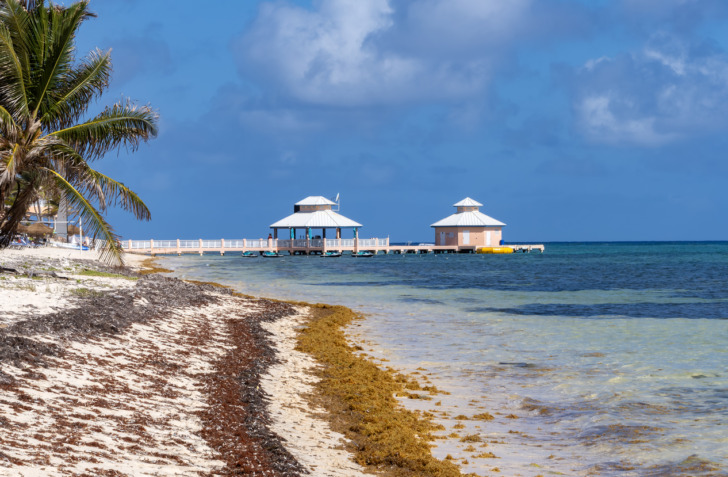
The beaches around East End are generally peaceful and uncrowded.
Many visitors appreciate them specifically because they do not have the large crowds found along Seven Mile Beach.
The main safety concerns are ocean conditions rather than crime.
Coral, rocks, currents, and waves can make some entry points more difficult than they initially appear.
Wear suitable footwear where necessary and avoid swimming when conditions are rough.
Colliers Public Beach
Colliers Public Beach is one of the better-known beach areas on the eastern side of Grand Cayman.
It offers a relaxed environment for swimming, picnicking, and enjoying the coastline.
Keep personal belongings within sight while swimming and pay attention to wind and water conditions before entering the sea.
East End Dive Sites
East End is particularly popular with scuba divers because reefs and walls around this side of Grand Cayman are less crowded than many western dive sites.
Established dive operators provide organized access to offshore locations.
Divers should follow local operators’ instructions closely because conditions on the eastern side of the island can be affected by waves, wind, and currents.
Blow Holes
The Blow Holes along the southeastern coast are a popular roadside attraction where waves force water through openings in the coastal rock.
The attraction itself is easy to visit, but travelers should remain well back from the edge during rough conditions.
Wet limestone can become extremely slippery, and strong waves can be dangerous.
Places to Avoid in East End
East End does not contain neighborhoods that tourists are routinely advised to avoid because of crime.
Most places worth avoiding involve weather, ocean conditions, or poor timing rather than specific districts.
Exposed Shorelines During Storms
Do not approach rocky coastal areas during tropical storms, hurricanes, or periods of unusually rough water.
Large waves can reach much farther onto shore than expected.
Watching dramatic surf from exposed rocks is not worth the risk.
Isolated Beaches After Dark
East End’s quiet coastline is part of its appeal, but some beaches become almost completely deserted at night.
There is little reason to wander around isolated shoreline areas after dark.
Visit during daylight and return to your accommodation once the area empties.
Roads During Severe Weather
Heavy rain can reduce visibility and create standing water on roads.
Visitors unfamiliar with driving on the left should be particularly cautious during storms.
Wait for conditions to improve rather than trying to continue sightseeing in extremely poor weather.
Unsafe Swimming Areas
Not every attractive section of coastline is suitable for swimming.
Rocky entrances, coral, waves, and currents can create hazards that are not obvious from shore.
Use established swimming areas and ask local residents or accommodation staff about conditions before entering unfamiliar water.
Safety Tips for Traveling to East End
- Remember to drive on the left. Visitors from the United States may instinctively move toward the wrong side of the road when turning. Take extra care during your first few days and pay particular attention at roundabouts.
- Check ocean conditions before swimming. East End is more exposed to wind and waves than some protected western beaches. If the water looks rough, choose another swimming location.
- Do not leave valuables unattended on the beach. East End has a low crime risk, but phones, wallets, cameras, and bags should still remain secure while you swim.
- Monitor hurricanes during the summer and fall. Hurricane season runs from June through November. If a tropical system approaches, follow official instructions rather than relying only on your hotel’s normal routine.
- Use reef-safe swimming habits. Avoid touching or standing on coral and watch where you enter the water. Coral cuts can become painful and infected.
- Wear strong sun protection. The Caribbean sun can be intense even when clouds make temperatures feel comfortable. Use sunscreen, drink water, and take breaks from direct sunlight.
- Drive carefully at night. East End roads are quieter than those near George Town, but reduced lighting can make pedestrians, cyclists, animals, and turns harder to see.
- Use established dive and tour operators. Diving and boating are major reasons to visit East End. Professional operators are better equipped to evaluate changing sea conditions and cancel trips when necessary.
- Lock your rental car and accommodation. East End’s relaxed atmosphere can make travelers unusually casual about security. Keep doors locked and avoid leaving valuables visible inside vehicles.
- Know where medical help is located. East End is quieter and farther from some of Grand Cayman’s major medical facilities. Serious emergencies may require transportation toward more populated parts of the island, so travelers with important medical conditions should plan accordingly.
So... How Safe Is East End Really?
East End is one of the easier Caribbean destinations from a personal safety perspective.
The Cayman Islands as a whole is currently considered a destination where travelers can exercise normal precautions, and East End’s quiet, residential character generally makes it feel even more relaxed.
Visitors are unlikely to spend much of their vacation worrying about street crime.
You can comfortably visit local restaurants, beaches, dive sites, and coastal attractions without the level of security awareness required in some Caribbean destinations.
That does not mean belongings should be left unattended.
Crimes of opportunity can happen, so locking rental cars, securing vacation properties, and keeping phones and wallets with you remains sensible.
The ocean deserves considerably more attention.
East End is exposed to Caribbean winds and waves, and some stretches of coastline are rocky or surrounded by reef.
A location that looks perfect for swimming from shore may have strong currents or difficult entry conditions.
Hurricanes are another important consideration.
A vacation during hurricane season will usually pass without incident, but visitors should understand that major storms can disrupt flights, close businesses, cause flooding, and require shelter or evacuation preparations.
Road safety is also worth remembering.
Driving around Grand Cayman is generally straightforward, but visitors from countries that drive on the right need time to adjust to left-side traffic and clockwise roundabouts.
Overall, East End is an excellent choice for travelers who want a quieter version of Grand Cayman.
Families, couples, solo travelers, divers, and older visitors should generally feel comfortable here.
Use ordinary precautions with your belongings, respect the ocean, pay attention to tropical weather, and take your time getting accustomed to driving on the left.
For most visitors, the greatest danger in East End is becoming so comfortable with the slow island pace that returning home suddenly sounds like a terrible idea.
How Does East End Compare?
| City | Safety Index |
|---|---|
| East End |
86 |
| Seven Mile Beach |
88 |
| West Bay |
83 |
| Bodden Town |
82 |
 Williamsburg Williamsburg | 78 |
| Loveland | 86 |
| Topeka | 64 |
 Doha Doha | 90 |
| Santa Monica | 64 |
| Oregon | 88 |
Useful Information

Visas
Entry requirements for the Cayman Islands depend on nationality. Many visitors can enter for tourism without obtaining a traditional visa in advance, while others require authorization before traveling. Travelers should confirm the requirements that apply to their passport before departure and make sure their travel documents remain valid for the planned trip.

Currency
The Cayman Islands dollar is the official currency. U.S. dollars are also widely accepted throughout Grand Cayman, although change may be provided in Cayman Islands dollars. Credit cards are accepted at most hotels, restaurants, supermarkets, and established businesses. Visitors staying in East End should still carry a small amount of cash for smaller purchases or situations where electronic payments are unavailable.

Weather
East End has a warm tropical climate throughout the year. Temperatures remain relatively consistent, although humidity, rainfall, and tropical storm activity vary by season. The wetter period generally overlaps with hurricane season, which runs from June through November. Heavy rainfall can produce localized flooding, particularly in low-lying areas. The drier winter and early spring months are popular with visitors seeking more predictable beach weather.

Airports
Owen Roberts International Airport near George Town is the main airport serving Grand Cayman. East End is located on the opposite side of the island, so travelers should expect a substantial drive from the airport. Renting a car is particularly useful for East End because restaurants, beaches, attractions, and accommodations are more spread out than they are around Seven Mile Beach. Remember that vehicles travel on the left side of the road.

Travel Insurance
Travel insurance is recommended, particularly during hurricane season. A good policy should include emergency medical care, trip interruption, cancellations, delayed flights, lost baggage, and coverage for weather-related disruptions. Divers should confirm that scuba diving is covered, especially if planning deeper or more advanced dives. Medical services are available on Grand Cayman, but treatment options for certain serious emergencies may be limited, making medical evacuation coverage worth considering.
East End Weather Averages (Temperatures)
Average High/Low Temperature
| Temperature / Month | Jan | Feb | Mar | Apr | May | Jun | Jul | Aug | Sep | Oct | Nov | Dec |
|---|---|---|---|---|---|---|---|---|---|---|---|---|
| High °C |
28 | 28 | 28 | 29 | 30 | 31 | 31 | 32 | 31 | 30 | 29 | 28 |
| Low °C |
22 | 22 | 22 | 23 | 24 | 25 | 25 | 26 | 25 | 25 | 24 | 23 |
| High °F |
82 | 82 | 82 | 84 | 86 | 88 | 88 | 90 | 88 | 86 | 84 | 82 |
| Low °F |
72 | 72 | 72 | 73 | 75 | 77 | 77 | 79 | 77 | 77 | 75 | 73 |
Cayman Islands - Safety by City
| City | Safety Index |
|---|---|
| Bodden Town | 82 |
| East End | 86 |
| Seven Mile Beach | 88 |
| West Bay | 83 |