 Antigua and Barbuda : Safety by City
Antigua and Barbuda - safety as a country
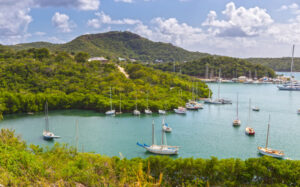
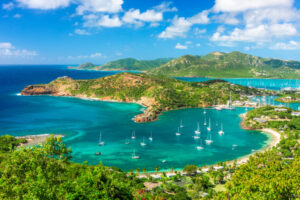
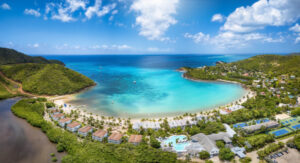
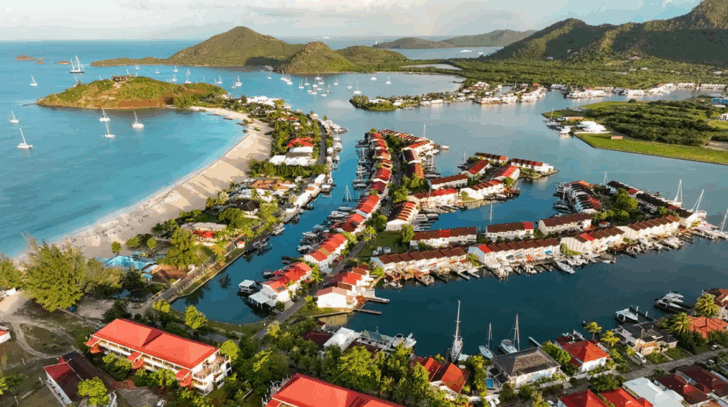
Jolly Harbour is a waterfront community on Antigua’s sheltered western coast, built around one of the Caribbean’s largest marinas.
It is less like a traditional town and more like a self-contained vacation neighborhood, complete with villas, restaurants, a supermarket, boat slips, golf facilities, and easy access to Jolly Beach.
The setting is made for travelers who want calm Caribbean water without feeling stranded at an isolated resort.
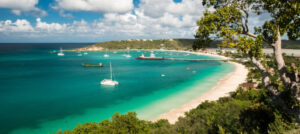
Jolly Beach stretches for roughly a mile, while nearby coves provide some of Antigua’s prettiest sunset views.
Jolly Harbour is generally safe, comfortable, and easy to navigate, particularly inside its residential and marina areas.
However, travelers still need to think about opportunistic theft, nighttime trancsportation, left-side driving, tropical storms, intense sun, and water safety.
Warnings & Dangers in Jolly Harbour

OVERALL RISK: LOW
Jolly Harbour has a low overall risk for tourists. Antigua and Barbuda is generally considered a safe destination where normal precautions are appropriate, and Jolly Harbour is one of its more organized visitor areas. Theft, road accidents, nighttime crime, severe weather, and poorly planned boating activities are the most realistic concerns.

TRANSPORT & TAXIS RISK: MEDIUM
Taxis are generally safe, but fares should be confirmed before departure because meters are not commonly used. Rental cars are convenient, although visitors must drive on the left. Narrow roads, limited lighting, potholes, speed bumps, pedestrians, and unfamiliar roundabouts make defensive driving important, particularly after dark or during rain.

PICKPOCKETS RISK: LOW
Pickpocketing is uncommon in Jolly Harbour, but phones, wallets, beach bags, and cash can be stolen when left unattended. Be more careful around the commercial center, bars, public beaches, boat excursions, and crowded events. Keep valuables secured rather than leaving them under towels while swimming.

NATURAL DISASTERS RISK: MEDIUM
Hurricanes and tropical storms are the primary natural hazards. The official Atlantic hurricane season runs from June 1 through November 30. Heavy rain, flooding, storm surge, damaging winds, power outages, rough seas, and flight cancellations are possible. Earthquakes can also occur occasionally in the eastern Caribbean.

MUGGING RISK: LOW
Mugging is not a common tourist experience in Jolly Harbour, especially inside the marina and villa areas. However, violent crime, including robbery, has occurred elsewhere in Antigua and Barbuda. Avoid dark roads, isolated beaches, and unnecessary late-night walking. Use a taxi when returning from restaurants or bars after drinking.

TERRORISM RISK: LOW
Jolly Harbour has a low terrorism risk. Antigua and Barbuda has no recent pattern of terrorist incidents and is not considered a major international target. Travelers should maintain ordinary awareness during festivals, regattas, and other crowded events, but terrorism should not meaningfully affect most vacation plans.

SCAMS RISK: LOW
Scams are relatively uncommon. The most likely problems involve unclear taxi fares, unofficial boat trips, misleading vacation-rental listings, or unexpected charges for equipment and activities. Confirm prices, cancellation rules, deposits, and included services before paying. Book boats, vehicles, and accommodation through established operators.

WOMEN TRAVELERS RISK: LOW
Jolly Harbour is generally safe for women, including solo travelers. The marina and commercial areas are active and visitor-friendly, but the surrounding roads and beaches can become quiet after dark. Women should use reliable nighttime transportation, avoid isolated walks, and keep drinks under their control in bars and social settings.

TAP WATER RISK: LOW
Public water is treated, but taste and storage conditions can vary between villas and accommodations. Some properties use tanks or cisterns during supply interruptions. Ask your host whether the kitchen water is suitable for drinking. Bottled or filtered water is widely available for travelers with sensitive stomachs.
Safest Places to Visit in Jolly Harbour
Jolly Beach
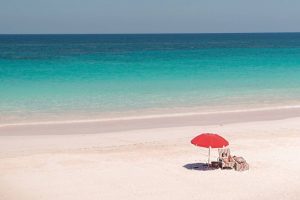
Jolly Beach is the area’s main attraction and one of Antigua’s most popular stretches of sand.
Its western location usually provides warm, relatively calm Caribbean water, making it comfortable for swimming when conditions are suitable.
Restaurants, resorts, and water-sports providers are nearby.
Stay away from boat channels, supervise children, and do not leave valuables unattended.
Jolly Harbour Marina
The marina is a secure, active area filled with yachts, restaurants, marine businesses, and waterfront villas.
It is generally comfortable during the day and evening.
Visitors should remain within public sections and avoid entering private docks or working boatyard areas.
Wet surfaces, ropes, machinery, and moving vessels create more danger than crime.
Jolly Harbour Commercial Center
The commercial center is convenient for groceries, meals, banking, transportation, and basic travel supplies.
It is one of the easiest places for visitors to handle everyday needs without traveling to St. John’s.
Use ATMs during business hours, put cash away before leaving, and avoid displaying expensive electronics unnecessarily.
Valley Church Beach
Valley Church Beach is a short distance from Jolly Harbour and offers soft sand, calm-looking water, and attractive sunset views.
It is generally safe during daylight when other visitors and businesses are present.
Ask about swimming conditions before entering and leave before the surrounding roads become too quiet.
Ffryes and Darkwood Beaches
Ffryes Beach and Darkwood Beach are among the best nearby options for a quieter beach day.
Both are generally safe during daylight and are easy to reach by taxi or rental car.
Bring only essential valuables, arrange return transportation in advance, and avoid remaining on isolated sections after sunset.
Places to Avoid in Jolly Harbour
Jolly Harbour does not have obvious dangerous neighborhoods or established tourist no-go zones.
The places travelers should avoid are defined more by isolation, timing, weather, and activity.
Isolated Beach Areas After Dark
Jolly Beach and nearby beaches can become extremely quiet once restaurants close and day visitors leave.
Avoid walking or sitting alone at the far ends of beaches after dark.
Limited lighting and low foot traffic make theft, harassment, or delayed assistance more likely.
Private and Working Marina Areas
Do not wander onto private docks, boatyard sections, fuel facilities, or maintenance areas.
These spaces may contain machinery, electrical connections, fuel, ropes, slippery surfaces, and restricted equipment.
Follow signs and use only public marina walkways unless a boat operator or staff member escorts you.
Unlit Roads Outside the Development
Roads between Jolly Harbour, Bolans, Valley Church, and nearby beaches may have limited sidewalks and street lighting.
Walking them at night is risky because drivers may not see pedestrians.
Arrange a taxi rather than attempting a long walk, particularly after drinking or during rain.
Empty Villas and Construction Areas
Some parts of the wider development may contain vacant properties, unfinished buildings, or quiet residential lanes.
These areas provide little interest for tourists and can feel isolated after dark.
Remain near occupied accommodation, established businesses, and well-used routes.
Beaches and Docks During Severe Weather
Avoid the waterfront when tropical storm alerts, strong winds, lightning, or rough-sea warnings are active.
Boats, loose equipment, waves, and flooding can create serious hazards.
Do not visit the marina or beach to watch a storm arrive.
Follow official instructions and remain inside secure accommodation.
Safety Tips for Traveling to Jolly Harbour
- Confirm taxi prices before leaving. Antiguan taxis do not always use meters, so ask for the full fare before entering. Confirm whether the price includes luggage, additional passengers, waiting time, and nighttime travel. Save the number of a reliable driver, particularly if you plan to eat or drink outside Jolly Harbour.
- Remember that Antigua drives on the left. Visitors accustomed to right-side driving need time to adjust. Pay extra attention when leaving parking lots, entering roundabouts, and turning at intersections. Rental companies can usually arrange the temporary local driving permit required for visitors. Avoid driving immediately after a long flight if you feel tired.
- Keep valuables off the beach. Do not leave a passport, phone, camera, wallet, or villa keys unattended while swimming. Bring only what you need, use a waterproof pouch, or have someone remain with your belongings. A towel placed over a phone is camouflage only in the imagination of the phone’s owner.
- Stay within public marina areas. Jolly Harbour is a working marina, not just a scenic collection of yachts. Keep children away from fuel docks, ropes, electrical equipment, and moving vessels. Do not jump or swim from docks unless the area is specifically designated for it.
- Use reputable boat and water-sports operators. Check that life jackets are available and that the operator explains the route, weather policy, and safety procedures. Avoid overloaded boats or equipment that appears poorly maintained. Confirm whether your travel insurance covers sailing, snorkeling, jet skiing, or other planned activities.
- Monitor tropical weather carefully. During hurricane season, check forecasts daily and learn your accommodation’s emergency plan. Keep devices charged and store water, medication, identification, and essential supplies together. Storms can affect electricity, roads, flights, and water services even without making a direct landfall.
- Protect yourself from the sun. Antigua’s breeze can make the heat feel gentler than it is. Apply high-SPF sunscreen, reapply after swimming, wear a hat, and drink water regularly. Schedule breaks from direct sun during the middle of the day, especially when traveling with children or older adults.
- Avoid walking along roads after dark. Jolly Harbour itself is manageable, but nearby roads may be narrow and poorly lit. Drivers may not expect pedestrians, and sidewalks are limited. Use a taxi for nighttime trips outside the central marina and commercial areas, even when the distance looks short on a map.
- Secure your villa and rental vehicle. Lock doors and windows whenever you leave, including patio doors facing the water. Do not leave electronics, luggage, shopping bags, or cash visible inside a vehicle. Store passports and backup money in a safe when one is available.
- Know where you are swimming. The western coast is often calmer than Antigua’s Atlantic side, but conditions still change. Watch for boats, currents, sudden depth changes, and water-sports activity. Ask locals or beach staff about conditions, supervise children closely, and never enter unfamiliar water after heavy drinking.
So... How Safe Is Jolly Harbour Really?
Jolly Harbour is one of Antigua’s safer and more convenient areas for vacationers.
Its marina, villas, restaurants, supermarket, security presence, and proximity to established beaches create a controlled environment that is easier to navigate than a remote part of the island.
Most travelers can walk around the main development comfortably and enjoy the beaches without experiencing crime.
That does not make Jolly Harbour completely risk-free.
Antigua and Barbuda has recorded violent crimes, including armed robbery and sexual assault, although tourists are not routinely targeted.
Opportunistic theft remains the more realistic concern for visitors, particularly when valuables are left in rental cars, villas, boats, or unattended beach bags.
Road safety also deserves attention.
Antigua’s left-side driving, narrow roads, uneven surfaces, and limited nighttime lighting can challenge visitors.
Taxis are the safer choice after drinking or when traveling unfamiliar routes at night.
The most significant large-scale threat is severe weather.
Jolly Harbour’s coastal location makes hurricane preparation essential from June through November.
Overall, Jolly Harbour earns a low-risk rating.
Secure your property, arrange nighttime transportation, use established boat operators, and respect weather warnings.
With those basic precautions, it is a comfortable and highly enjoyable base for exploring western Antigua.
How Does Jolly Harbour Compare?
| City | Safety Index |
|---|---|
| Jolly Harbour |
87 |
| Dickenson Bay |
86 |
| English Harbour |
88 |
| Falmouth Harbour |
86 |
| Carlisle Bay |
89 |
 Goshen Goshen | 43 |
 Bradford Bradford | 42 |
| Biloxi | 53 |
| Alameda | 86 |
 Gyumri Gyumri | 87 |
| Sandy | 93 |
Useful Information

Visas
Visa requirements depend on nationality. Many visitors can enter Antigua and Barbuda without a visa for a limited tourist stay, while others must apply in advance or may qualify for a visa on arrival. Visitors generally need confirmed accommodation, sufficient funds, and an onward or return ticket. Passports should usually remain valid for at least six months.

Currency
The official currency is the Eastern Caribbean dollar, fixed at EC$2.70 to US$1. U.S. dollars are widely accepted, although change may be returned in Eastern Caribbean dollars. Cards work at many businesses in Jolly Harbour, but cash remains useful for taxis, tips, beach vendors, and small operators.

Weather
Jolly Harbour is warm throughout the year, with temperatures commonly ranging from the low 70s to upper 80s Fahrenheit. Pack lightweight clothes, swimwear, sunscreen, insect repellent, and a light rain jacket. The drier winter months are popular, while hurricane season officially runs from June through November.

Airports
V.C. Bird International Airport is approximately 17 kilometers from Jolly Harbour. The drive commonly takes 25 to 40 minutes, depending on traffic and road conditions. Taxis, rental cars, and prearranged hotel transfers are available. Confirm the taxi fare or transfer price before leaving the airport.

Travel Insurance
Travel insurance is recommended, particularly for trips during hurricane season or vacations involving sailing and water sports. Coverage should include medical treatment, evacuation, canceled flights, storm disruption, theft, rental vehicles, and planned activities. Serious medical cases may require transfer to another Caribbean island or the United States.
Jolly Harbour Weather Averages (Temperatures)
Average High/Low Temperature
| Temperature / Month | Jan | Feb | Mar | Apr | May | Jun | Jul | Aug | Sep | Oct | Nov | Dec |
|---|---|---|---|---|---|---|---|---|---|---|---|---|
| High °C |
28 | 28 | 29 | 29 | 30 | 30 | 30 | 31 | 31 | 30 | 29 | 29 |
| Low °C |
22 | 22 | 22 | 23 | 24 | 25 | 25 | 25 | 25 | 24 | 24 | 23 |
| High °F |
82 | 82 | 84 | 84 | 86 | 86 | 86 | 88 | 88 | 86 | 84 | 84 |
| Low °F |
72 | 72 | 72 | 73 | 75 | 77 | 77 | 77 | 77 | 75 | 75 | 73 |
Antigua and Barbuda - Safety by City
| City | Safety Index |
|---|---|
| Carlisle Bay | 89 |
| Dickenson Bay | 86 |
| English Harbour | 88 |
| Falmouth Harbour | 86 |
| Jolly Harbour | 87 |