


 Antigua and Barbuda : Safety by City
Antigua and Barbuda - safety as a country
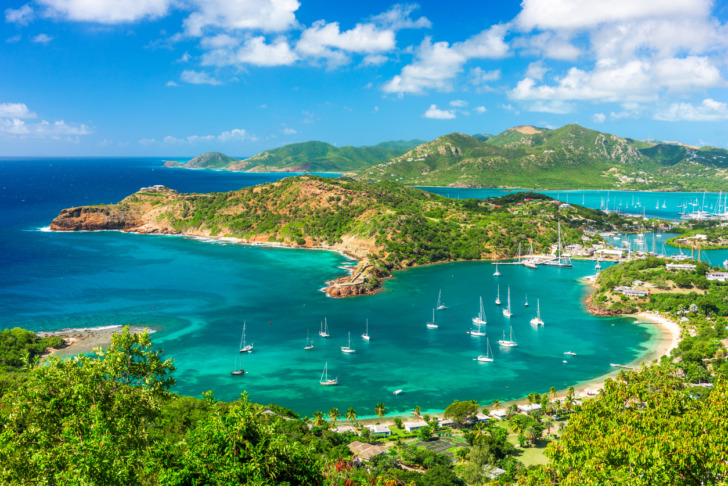
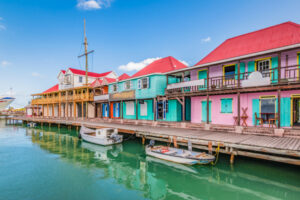
English Harbour sits on Antigua’s southern coast, wrapped around one of the Caribbean’s best naturally protected harbors.
Once a major British naval base, it is now famous for Nelson’s Dockyard, restored Georgian buildings, sailing regattas, superyachts, waterfront restaurants, and green hills overlooking brilliant blue water.
The harbor forms part of a UNESCO World Heritage Site and still feels like a living piece of maritime history rather than a museum frozen in time.
English Harbour is also one of Antigua’s most visitor-friendly areas, with resorts, guesthouses, beaches, hiking trails, and a lively seasonal sailing community.
It is generally safe, relaxed, and easy to enjoy, but travelers should still think about petty crime, isolated beaches, nighttime walking, tropical weather, water safety, and Antigua’s sometimes unpredictable roads.
Warnings & Dangers in English Harbour

OVERALL RISK: LOW
English Harbour is one of the safer and more tourism-oriented areas of Antigua. Most visits are trouble-free, particularly around Nelson’s Dockyard, Falmouth Harbour, established hotels, and busy restaurants. Crime is possible, but normal precautions, secure accommodation, and avoiding isolated areas after dark will significantly reduce the risk.

TRANSPORT & TAXIS RISK: LOW
Taxis are widely used and generally safe when booked through the airport, hotel, restaurant, or an established operator. Local buses are inexpensive but less convenient for visitors carrying luggage. Roads can be narrow, poorly lit, and uneven, so drive carefully and avoid unfamiliar rural routes at night.

PICKPOCKETS RISK: LOW
Pickpocketing is uncommon but possible during sailing events, crowded parties, festivals, and busy nights around the marinas. Phone theft, unattended bags, and valuables left on beaches are more realistic concerns. Carry only what you need and keep wallets, phones, and room keys in secured pockets or bags.

NATURAL DISASTERS RISK: MEDIUM
English Harbour faces tropical storms, hurricanes, flooding, intense heat, rough seas, and occasional earthquakes. The Atlantic hurricane season officially runs from June through November, with the greatest activity usually later in summer and early autumn. Monitor weather reports and follow evacuation or shelter instructions from local authorities.

MUGGING RISK: LOW
Muggings are not common in the main visitor areas, but robbery can occur on dark roads, isolated beaches, and quiet trails. Risk increases after midnight or when travelers are visibly intoxicated. Avoid walking alone with valuables after dark and use a taxi when returning from bars or restaurants.

TERRORISM RISK: LOW
The terrorism risk in English Harbour is low. Antigua and Barbuda is not considered a significant international terrorism hotspot, and English Harbour is a small sailing and tourism community. Normal awareness is sufficient. Crime, road accidents, hurricanes, sun exposure, and water-related incidents are much more realistic concerns.

SCAMS RISK: LOW
Serious tourist scams are uncommon. Minor issues may include inflated taxi fares, unclear boat-tour prices, aggressive souvenir selling, or unexpected service charges. Confirm costs before accepting transportation or excursions, check restaurant bills, and book sailing, diving, fishing, and hiking activities through established operators.

WOMEN TRAVELERS RISK: LOW
English Harbour is generally safe for women, including those traveling alone. The central tourism areas are active and welcoming, particularly during the sailing season. Women should still avoid isolated beaches and trails after dark, watch their drinks, use trusted transportation at night, and respond cautiously to persistent unwanted attention.

TAP WATER RISK: MEDIUM
Public water is treated, but Antigua experiences water shortages and differences in storage tanks, pipes, and building plumbing. Many visitors prefer bottled or filtered water, particularly those with sensitive stomachs. Check that bottled water seals are intact and ask your accommodation whether its tap water is recommended for drinking.
Safest Places to Visit in English Harbour
Nelson’s Dockyard
Nelson’s Dockyard is the safest and most popular area for visitors.
Its restored naval buildings now contain museums, hotels, restaurants, shops, and marina facilities.
The area is well maintained and receives steady foot traffic during the day.
Watch your possessions during festivals and sailing events, but serious crime is unusual.
Falmouth Harbour
Falmouth Harbour is a busy yachting center filled with marinas, restaurants, accommodations, and sailing businesses.
It generally feels safe during daylight and early evening.
Remain in active public areas, avoid wandering through empty service yards, and do not enter private docks without permission.
Pigeon Point Beach
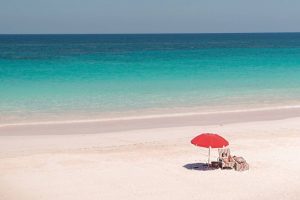
Pigeon Point is one of the most accessible beaches near English Harbour.
It is popular with residents, families, yacht crews, and visitors.
Daytime is safest, especially when restaurants and beach facilities are operating.
Do not leave bags unattended while swimming, and avoid isolated sections after sunset.
Shirley Heights
Shirley Heights offers some of Antigua’s best views over English and Falmouth harbors.
It is safest during organized events, normal visiting hours, and busy sunset gatherings.
Use a taxi or rental car for the return journey, since the road and nearby trails become dark and difficult to navigate at night.
Galleon Beach
Galleon Beach is a scenic and relatively peaceful spot near Freeman’s Bay.
It is normally safe during daylight, particularly near established accommodations and other beachgoers.
Bring water and sun protection, watch the sea conditions, and avoid leaving valuables unattended or walking isolated coastal trails alone.
Places to Avoid in English Harbour
Pigeon Point Beach After Dark
Pigeon Point is pleasant and popular during the day, but the beach becomes quieter after restaurants close and most visitors leave.
Limited lighting and fewer witnesses increase the possibility of theft or harassment.
Enjoy sunset, but arrange transportation and avoid remaining alone late into the evening.
Isolated Trails Around Shirley Heights
The hiking routes between English Harbour, Galleon Beach, and Shirley Heights offer excellent views, but they can become hot, steep, slippery, and isolated.
Avoid them after dark, during storms, or without enough water.
Solo travelers should tell someone their route and expected return time.
Empty Marina Service Areas
Falmouth and English harbors contain working boatyards, docks, storage zones, workshops, and private marina areas.
These are not tourist attractions, particularly after business hours.
Avoid poorly lit service roads and do not wander onto private vessels, docks, or industrial sections of the waterfront.
Unlit Roads Outside the Center
Roads connecting English Harbour with nearby villages, beaches, and viewpoints may lack sidewalks and adequate lighting.
Drivers may travel quickly around bends, making nighttime walking risky.
Use taxis rather than walking long distances after dark, especially along Dockyard Drive and roads toward higher viewpoints.
Remote Beaches and Coves
Small coves around southern Antigua can look inviting but may have no lifeguards, facilities, phone signal, or nearby help.
Empty beaches also create opportunities for theft.
Visit remote coastal spots with other people, use reliable transportation, and leave before the area becomes deserted.
Safety Tips for Traveling to English Harbour
- Use trusted taxis after dark. English Harbour is compact, but hotels, beaches, restaurants, and viewpoints can be separated by dark, narrow roads. Book taxis through your accommodation, restaurant, or an established dispatcher. Confirm the fare before leaving and avoid accepting rides from drivers who approach aggressively outside nightlife venues.
- Do not leave valuables on the beach. Phone, camera, wallet, and room-key theft can happen when travelers leave everything under a towel and go swimming. Bring only essential items, use a waterproof pouch, or take turns watching belongings. Never leave passports, large amounts of cash, or expensive electronics unattended.
- Prepare for hurricane season. Trips between June and November require flexible planning. Check weather forecasts regularly, understand your hotel’s storm procedures, and keep important documents protected from water. Travel insurance should cover hurricanes, cancellations, and additional accommodation if flights are delayed or the airport temporarily closes.
- Take the sun seriously. Caribbean heat can cause dehydration and sunburn surprisingly quickly, especially on boats, beaches, and exposed hiking trails. Use high-protection sunscreen, wear a hat, drink water regularly, and limit strenuous activity during the hottest afternoon hours. Alcohol does not count as hydration, despite its excellent vacation marketing.
- Hike during daylight. Trails around Shirley Heights, Jones Valley, and the harbor viewpoints can be steep and uneven. Start early enough to finish before dark, wear proper shoes, and carry more water than you think you need. Avoid hiking during storms, heavy heat, or immediately after intense rainfall.
- Swim where other people are present. Many beaches around English Harbour are calm, but currents, waves, rocks, and boat traffic can create hazards. Choose active swimming areas, ask locally about conditions, and stay close to shore if no lifeguard is present. Never swim at night or after consuming significant amounts of alcohol.
- Drive defensively. Antiguans drive on the left. Roads may be narrow, potholed, poorly marked, and shared with pedestrians, animals, buses, and parked vehicles. Slow down around bends, avoid driving after drinking, and be especially cautious at night. Visitors usually need a temporary local driving permit when renting a vehicle.
- Secure your accommodation. Lock doors and windows whenever you leave and while sleeping, particularly in villas or ground-floor rooms. Use the room safe for passports, cash, and spare cards. Do not tell strangers where you are staying, and avoid leaving patio doors open simply because the property feels secluded.
- Book marine activities carefully. Use established operators for sailing, diving, snorkeling, fishing, and boat transfers. Ask whether life jackets, trained staff, communication equipment, and weather monitoring are included. Avoid overloaded boats or operators who dismiss safety questions. Sea conditions can change much faster than they appear from shore.
- Avoid public arguments and intoxicated crowds. English Harbour becomes livelier during regattas, holiday weekends, and major sailing events. Most gatherings are friendly, but excessive alcohol can lead to arguments or reckless behavior. Stay with your group, watch your drink, avoid confrontations, and leave if a party or crowd begins to feel uncomfortable.
So... How Safe Is English Harbour Really?
English Harbour is genuinely one of Antigua’s safer and more comfortable destinations.
It has established hotels, active marinas, historic attractions, restaurants, yacht crews, security staff, and a steady international visitor presence.
Travelers can normally explore Nelson’s Dockyard, visit nearby beaches, eat along the waterfront, and attend sailing events without serious problems.
The safest classification, however, should not be confused with a guarantee.
Antigua and Barbuda has experienced violent crime, including robbery and sexual assault, even though tourists are not routinely targeted.
English Harbour’s quiet roads, isolated villas, empty beaches, and scenic trails can create vulnerabilities after dark.
Most preventable incidents involve unattended property, visible valuables, excessive drinking, poorly planned transportation, or walking alone in deserted places.
Natural conditions also deserve attention.
Hurricanes can disrupt flights, damage buildings, and cut power or water services.
Strong sun, dehydration, rough seas, and hiking injuries are more likely to affect the average visitor than serious street crime.
English Harbour benefits from being a relatively affluent and organized tourism area, but it remains part of a small Caribbean island with limited emergency and medical resources.
Travelers needing specialist care may require treatment elsewhere.
My honest assessment is that English Harbour presents a low overall risk.
It works well for couples, solo travelers, families, sailors, and older visitors.
Stay alert without becoming anxious, arrange nighttime transportation, secure your accommodation, respect the ocean, and prepare properly during hurricane season.
How Does English Harbour Compare?
| City | Safety Index |
|---|---|
| English Harbour |
88 |
| Falmouth Harbour |
86 |
| Jolly Harbour |
87 |
| Carlisle Bay |
89 |
| Dickenson Bay |
86 |
 Bergen Bergen | 71 |
 West Yellowstone West Yellowstone | 84 |
| Prairie du Chien | 80 |
| Houston | 59 |
 Cairns Cairns | 61 |
| Beaumont | 51 |
Useful Information

Visas
Citizens of many countries, including the United States, Canada, the United Kingdom, and European Union members, do not need a visa for short tourist visits. Visa-exempt visitors may be admitted for stays of up to six months. Travelers generally need a valid passport, accommodation confirmation, sufficient funds, and an onward or return ticket.

Currency
The official currency is the Eastern Caribbean dollar, which is fixed at approximately EC$2.70 to US$1. U.S. dollars are widely accepted, but change may be returned in Eastern Caribbean dollars. Cards work at many hotels and restaurants, while cash remains useful for taxis, tips, beach vendors, and small businesses.

Weather
English Harbour has a warm tropical climate throughout the year. The drier months, roughly December through April, are especially popular with visitors and sailors. The wetter, hotter period runs through summer and autumn, overlapping with hurricane season from June to November. Pack lightweight clothing, rain protection, sunscreen, and insect repellent.

Airports
V.C. Bird International Airport is Antigua’s main airport and is located on the northern side of the island. The drive to English Harbour usually takes approximately 30 to 45 minutes, depending on traffic. Official airport taxis, hotel transfers, and rental cars are the most practical transportation options.

Travel Insurance
Travel insurance is strongly recommended. Choose coverage for medical treatment, emergency evacuation, theft, missed flights, lost luggage, and trip cancellation. During hurricane season, confirm that weather disruption is included and purchase coverage before a storm is officially named, since policies normally exclude known events.
English Harbour Weather Averages (Temperatures)
Average High/Low Temperature
| Temperature / Month | Jan | Feb | Mar | Apr | May | Jun | Jul | Aug | Sep | Oct | Nov | Dec |
|---|---|---|---|---|---|---|---|---|---|---|---|---|
| High °C |
27 | 27 | 28 | 28 | 29 | 30 | 30 | 31 | 31 | 30 | 29 | 28 |
| Low °C |
22 | 22 | 23 | 23 | 24 | 24 | 25 | 25 | 25 | 25 | 24 | 23 |
| High °F |
81 | 81 | 82 | 82 | 84 | 86 | 86 | 88 | 88 | 86 | 84 | 82 |
| Low °F |
72 | 72 | 73 | 73 | 75 | 75 | 77 | 77 | 77 | 77 | 75 | 73 |
Antigua and Barbuda - Safety by City
| City | Safety Index |
|---|---|
| Carlisle Bay | 89 |
| Dickenson Bay | 86 |
| English Harbour | 88 |
| Falmouth Harbour | 86 |
| Jolly Harbour | 87 |
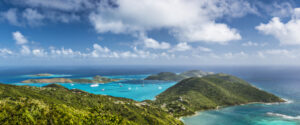












Did you find the hiking trails around English Harbour tough or pretty chill? That view of the blue water from the green hills sounds like a perfect spot to just hang out.
Spent a week around English Harbour and while the views are stunning, be ready for some bumpy roads that make you question if your suspension will survive the trip.