


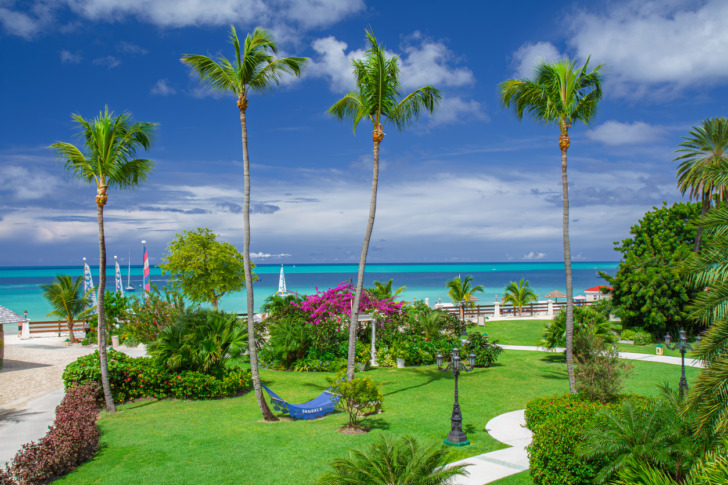
 Antigua and Barbuda : Safety by City
Antigua and Barbuda - safety as a country
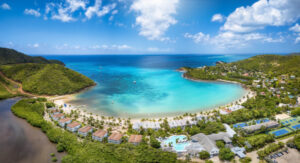
Dickenson Bay is one of Antigua’s best-known beach areas, stretching along the island’s northwestern coast just a short drive from St. John’s and V.C. Bird International Airport.
Its calm turquoise water, soft sand, beachfront resorts, restaurants, and water-sports operators make it one of the easiest places in Antigua for first-time visitors.
Unlike isolated coves elsewhere on the island, Dickenson Bay usually has people, hotel security, taxis, and services nearby.
That convenience contributes to its strong safety profile.
Serious crime against tourists is uncommon, but travelers should still protect valuables, avoid dark beach areas late at night, and use trusted transportation.
Hurricanes, intense sun, occasional rough seas, and unpredictable road conditions are more likely to cause problems than violent crime.
Warnings & Dangers in Dickenson Bay

OVERALL RISK: LOW
Dickenson Bay is generally safe for tourists, particularly around established resorts, restaurants, and the main beach. Serious violent incidents involving visitors are uncommon. Most problems involve unattended valuables, excessive drinking, unsafe driving, or poor weather preparation. Normal Caribbean travel precautions are usually enough for a comfortable stay.

TRANSPORT & TAXIS RISK: MEDIUM
Licensed taxis and hotel-arranged drivers are generally dependable, but fares are not always metered. Confirm the price before departing. Rental-car drivers must keep left and adjust to narrow roads, potholes, limited lighting, and inconsistent signs. Avoid walking along unfamiliar roads at night because sidewalks are limited.

PICKPOCKETS RISK: LOW
Professional pickpocketing is not a major concern in Dickenson Bay. However, phones, wallets, cameras, and hotel keys can be taken from unattended beach bags or restaurant tables. The risk increases during busy cruise-ship days, beach events, and nightlife hours. Carry only what you need and use your hotel safe.

NATURAL DISASTERS RISK: MEDIUM
Hurricanes and tropical storms are the main natural hazards. The Atlantic hurricane season runs from June 1 through November 30, with the highest activity usually between August and October. Heavy rain, flooding, dangerous surf, strong winds, and travel disruptions are possible. Earthquakes can also occur in the wider Caribbean region.

MUGGING RISK: LOW
Mugging is uncommon around the main resort section of Dickenson Bay. Risk becomes higher in isolated areas, dark roads, empty beaches, and unfamiliar parts of St. John’s after dark. Avoid displaying expensive jewelry or carrying large amounts of cash, and use a taxi for late-night journeys.

TERRORISM RISK: LOW
The terrorism risk is low. Dickenson Bay is a leisure destination without the political, military, or symbolic targets found in major global cities. Travelers should maintain normal awareness at airports, ports, festivals, and crowded public events, but terrorism is not a realistic daily concern for most visitors.

SCAMS RISK: MEDIUM
Most local businesses operate honestly, but tourists may experience inflated taxi fares, unclear water-sports prices, unofficial tour offers, or fraudulent vacation rentals. Confirm the full price before accepting a service, including equipment, waiting time, transportation, and gratuities. Book expensive excursions through established operators.

WOMEN TRAVELERS RISK: LOW
Dickenson Bay is generally safe for women, including solo travelers. Resort grounds and the main beach are comfortable during the day and early evening. Women should still avoid isolated beach walks after dark, watch drinks, reject unwanted attention firmly, and arrange transportation instead of walking along poorly lit roads.

TAP WATER RISK: MEDIUM
Treated tap water is available, but water quality, taste, and pressure can vary between properties. Antigua also experiences occasional water shortages. Many visitors prefer bottled or properly filtered water for drinking. Ask your accommodation whether its tap water is potable and use sealed bottles after storms or service interruptions.
Safest Places to Visit in Dickenson Bay
Dickenson Bay Beach
The main beach is the safest and most convenient place to spend time in the area.
Resorts, restaurants, water-sports operators, taxis, and other visitors are usually nearby.
The water is often calm, making it popular with families and casual swimmers.
Conditions can still change, so watch for strong wind, boat traffic, and sudden waves.
Resort Beachfront Areas
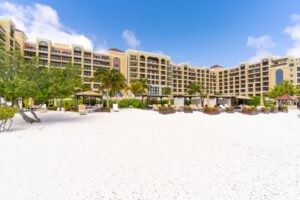
The sections of beach in front of established resorts generally have staff, loungers, restaurants, lighting, and easier access to assistance.
These areas are especially comfortable for solo travelers and families.
Resort security does not eliminate theft risk, so valuables should still be stored in a room safe or waterproof pouch.
Runaway Bay
Runaway Bay is located just south of Dickenson Bay and offers another attractive stretch of coastline.
It is generally peaceful and safe during daylight.
Facilities vary depending on the section, so bring water and arrange your return transportation in advance.
Avoid remaining on isolated parts of the beach after sunset.
Fort James
Fort James sits near the entrance to St. John’s Harbour and provides coastal views, historic ruins, and access to another popular beach.
It is best visited during daylight with a taxi or rental car.
Wear sturdy shoes around the ruins and avoid climbing unstable walls or wandering into empty areas alone.
Central St. John’s During the Day
Antigua’s capital is a short drive away and is generally manageable during normal business hours.
Heritage Quay, Redcliffe Quay, the market area, and the cathedral district attract visitors.
Keep bags secure in crowded areas and avoid displaying phones or cash while navigating unfamiliar streets.
Places to Avoid in Dickenson Bay
Empty Sections of Beach After Dark
The main resort areas can remain active in the evening, but quieter sections of the beach become dark and isolated.
Avoid long solo walks after restaurants and beach bars close.
Low lighting also makes it harder to see uneven sand, rocks, waves, and boat equipment.
Unlit Roads Between Resorts
Dickenson Bay’s nearby roads are not always designed for pedestrians.
Sidewalks may disappear, street lighting can be limited, and drivers may travel quickly around bends.
Avoid walking between resorts, restaurants, and residential areas after dark.
A short taxi ride is usually the safer choice.
Unfamiliar Parts of St. John’s at Night
Central St. John’s is active during the day, but some streets become quiet after shops close.
Tourists should avoid wandering through unfamiliar residential or commercial areas at night.
Arrange a taxi from restaurants or events and do not walk back toward Dickenson Bay.
Beaches During Storm Warnings
Stay away from the shoreline when a tropical storm, hurricane, or strong-surf warning is active.
Waves, currents, debris, and storm surge can become dangerous before the worst weather arrives.
Do not approach docks or rocky edges to photograph rough seas.
Isolated Rental Properties Without Security
Private villas can offer more space and privacy, but isolated rentals may have weaker lighting, limited staff, or difficult transportation.
Check that doors, windows, gates, and outdoor areas are secure.
Choose properties with reliable reviews, working locks, and a clear emergency contact.
Rocky Areas Near Boat Traffic
Avoid swimming near boat channels, docks, jet skis, or rocky edges.
Watercraft may approach the beach quickly, and rocks can be slippery or hidden below the surface.
Use designated swimming areas whenever possible and follow instructions from beach staff.
Safety Tips for Traveling to Dickenson Bay
- Do not leave valuables unattended on the beach. Dickenson Bay feels relaxed, but phones, wallets, watches, cameras, and hotel keys should never be left under a towel while you swim. Leave passports and unnecessary electronics in your room safe. A waterproof pouch is useful when everyone in your group wants to enter the water.
- Confirm taxi fares before departure. Taxi prices are often based on established routes rather than meters. Ask for the complete fare before getting into the vehicle, including additional passengers, waiting time, luggage, or nighttime charges. Hotels and restaurants can usually arrange a dependable driver and provide an estimated price.
- Drive on the left and slow down. Visitors renting cars must drive on the left side of the road. Roads can be narrow, uneven, and poorly lit, with sudden potholes, pedestrians, animals, and speed bumps. Avoid driving after drinking and use extra caution at intersections where signs or lane markings are unclear.
- Check swimming conditions every day. Dickenson Bay often has calm water, but wind, storms, boat traffic, and distant weather systems can change conditions. Look at the water before entering and ask staff about currents. Children and weak swimmers should remain close to shore and use flotation equipment when appropriate.
- Protect yourself from the sun. The Caribbean sun can cause burns and heat illness quickly, even when clouds or sea breezes make the weather feel comfortable. Apply sunscreen regularly, wear a hat and sunglasses, drink water, and take breaks in the shade during the hottest part of the afternoon.
- Monitor tropical weather during hurricane season. From June through November, check forecasts before and during your trip. Understand your hotel’s emergency procedures and keep medication, identification, chargers, and travel documents accessible. Review airline, accommodation, and insurance rules before booking a late-summer or autumn vacation.
- Use established water-sports operators. Before renting a jet ski, paddleboard, kayak, or joining a boat trip, confirm the price, route, duration, equipment, and safety procedures. Life jackets should be available and in usable condition. Avoid operators who seem rushed, overcrowded, or unwilling to explain their policies.
- Arrange transportation for evenings. Do not assume restaurants and resorts are safely connected by pedestrian paths. Roads can be dark and uneven, and drivers may not expect walkers. Ask your hotel or restaurant to call a taxi, especially if you have been drinking or are unfamiliar with the area.
- Lock rooms, villas, and rental cars. Close windows and lock doors whenever leaving your accommodation. Do not leave luggage, electronics, or shopping bags visible in a parked vehicle. Opportunistic theft is more likely when visitors become relaxed and stop using the precautions they would normally follow at home.
- Keep emergency information available offline. Save contact details for your hotel, driver, insurer, airline, and local emergency services. Carry your accommodation name and address on paper in case your phone loses power or service. Tell someone before taking a boat trip or exploring a quieter beach.
So... How Safe Is Dickenson Bay Really?
Dickenson Bay is one of Antigua’s safest and easiest areas for a beach vacation.
Its established resorts, visible tourism activity, nearby restaurants, and short distance from St. John’s and the airport give visitors more support than they would find at a remote beach.
Most travelers complete their stays without experiencing serious crime or major disruption.
The most realistic crime risk is opportunistic theft.
An unattended phone on a beach chair, an unlocked rental car, or a bag hanging from a restaurant chair is more likely to create trouble than walking along the main beach during the day.
Violent crime involving tourists is uncommon, but isolated roads and beaches should still be avoided after dark.
Weather and water deserve equal attention.
Antigua lies within the Atlantic hurricane region, and major storms can interrupt flights, damage infrastructure, and create dangerous coastal conditions.
Strong sun, dehydration, rough water, and water-sports accidents are more common threats during an ordinary vacation.
Driving also requires adjustment because traffic keeps left and some roads have potholes, minimal lighting, or limited sidewalks.
Using a trusted taxi is often the simplest choice for evenings.
Dickenson Bay earns a low overall risk rating.
It is suitable for families, couples, solo travelers, older visitors, and women traveling alone.
Secure your belongings, monitor the sea and weather, and arrange safe transportation after dark.
How Does Dickenson Bay Compare?
| City | Safety Index |
|---|---|
| Dickenson Bay |
86 |
| Falmouth Harbour |
86 |
| Jolly Harbour |
87 |
| Carlisle Bay |
89 |
| English Harbour |
88 |
 Adelaide Adelaide | 88 |
 St. Paul St. Paul | 64 |
| Oklahoma City | 53 |
| Deadwood | 80 |
 Punakha Punakha | 91 |
| Franklin | 75 |
Useful Information

Visas
Many tourists can enter Antigua and Barbuda without a visa for stays of up to 90 or 180 days, depending on nationality and the permission granted at entry. Travelers who require a visa can generally apply electronically. Fees vary by entry type. Visitors should carry onward travel details, accommodation information, and sufficient funds.

Currency
The official currency is the Eastern Caribbean dollar, fixed at approximately EC$2.70 to US$1. US dollars are widely accepted in Dickenson Bay, although change may be returned in local currency. Credit cards work at most resorts and restaurants. Carry small cash notes for taxis, tips, markets, and beach services.

Weather
Dickenson Bay has warm tropical weather throughout the year, with daytime temperatures commonly ranging from 27°C to 31°C. The driest months are generally from January through April. Hurricane season runs from June through November. Pack lightweight clothing, sunscreen, insect repellent, a hat, swimwear, and a light rain jacket.

Airports
V.C. Bird International Airport is Antigua’s main airport and is usually around 15 to 20 minutes from Dickenson Bay by taxi, depending on traffic. Direct and connecting flights arrive from North America, Europe, and other Caribbean islands. Arrange an airport transfer in advance or use the official taxi service outside arrivals.

Travel Insurance
Travel insurance is strongly recommended, particularly during hurricane season. Choose a policy that covers emergency medical treatment, evacuation, trip cancellation, delayed flights, lost baggage, theft, and water activities. Check storm-related exclusions carefully because coverage purchased after a hurricane is officially named may not include losses connected to that storm.
Dickenson Bay Weather Averages (Temperatures)
Average High/Low Temperature
| Temperature / Month | Jan | Feb | Mar | Apr | May | Jun | Jul | Aug | Sep | Oct | Nov | Dec |
|---|---|---|---|---|---|---|---|---|---|---|---|---|
| High °C |
28 | 28 | 29 | 29 | 30 | 30 | 31 | 31 | 31 | 30 | 30 | 29 |
| Low °C |
22 | 22 | 22 | 23 | 24 | 24 | 25 | 25 | 24 | 24 | 24 | 23 |
| High °F |
82 | 82 | 84 | 84 | 86 | 86 | 88 | 88 | 88 | 86 | 86 | 84 |
| Low °F |
72 | 72 | 72 | 73 | 75 | 75 | 77 | 77 | 75 | 75 | 75 | 73 |
Antigua and Barbuda - Safety by City
| City | Safety Index |
|---|---|
| Carlisle Bay | 89 |
| Dickenson Bay | 86 |
| English Harbour | 88 |
| Falmouth Harbour | 86 |
| Jolly Harbour | 87 |






Never expected the water to be that calm and clear, made me just want to toss my shoes off and forget about clocks for a while.