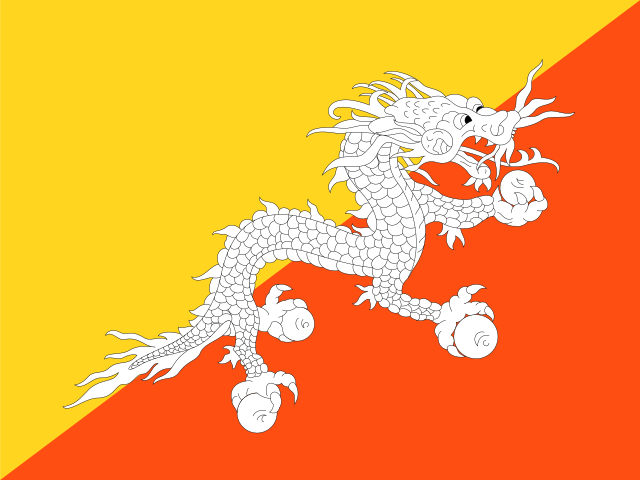
 Bhutan : Safety by City
Bhutan - safety as a country
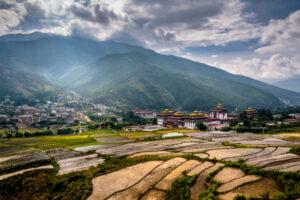
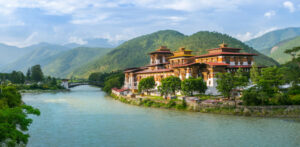
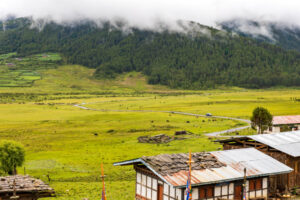
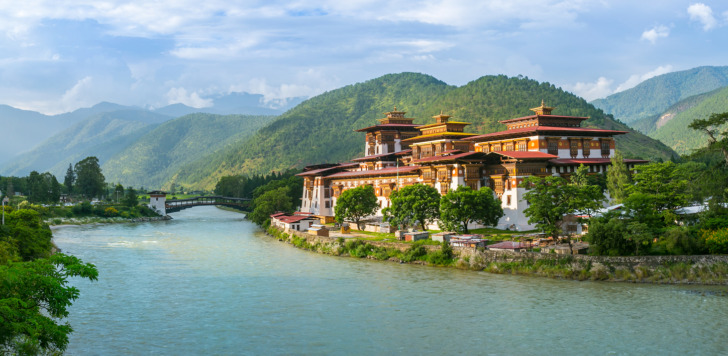
Punakha sits in a lush valley where the Pho Chhu and Mo Chhu rivers meet in western Bhutan, surrounded by terraced fields, forested mountains, traditional villages, and some of the country’s most important religious architecture.
It served as Bhutan’s capital until the 1950s and remains closely connected to the monarchy and Buddhist establishment.
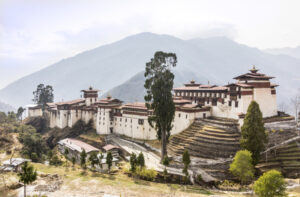
Its centerpiece, Punakha Dzong, looks almost unreal when viewed between the two rivers, especially when jacaranda trees bloom around its whitewashed walls.
At roughly 1,200 meters above sea level, Punakha is also considerably warmer than Thimphu and many other Bhutanese destinations.
Crime is very low, locals are generally welcoming, and tourism is carefully managed.
The main safety concerns are mountain roads, river currents, monsoon flooding, earthquakes, hiking accidents, and food or water issues rather than dangerous neighborhoods or violent crime.
Warnings & Dangers in Punakha

OVERALL RISK: LOW
Punakha is a very safe destination for tourists. Violent crime is rare, aggressive scams are uncommon, and Bhutan maintains a highly controlled tourism environment. The main threats are environmental and practical, including winding mountain roads, river hazards, landslides, monsoon weather, and limited advanced medical care outside larger cities.

TRANSPORT & TAXIS RISK: MEDIUM
Road travel is one of Punakha’s greatest safety concerns. Mountain highways can be narrow, steep, and vulnerable to fog, landslides, rockfall, and construction delays. Self-driving rental cars are not normally available to foreign tourists, so most visitors travel with a professional driver, which substantially reduces the risk.

PICKPOCKETS RISK: LOW
Pickpocketing is rare in Punakha. Even around Punakha Dzong, markets, festivals, and popular hiking areas, organized theft is uncommon. Still, keep phones, wallets, cameras, and passports secure, particularly during crowded religious festivals. Do not leave valuables unattended inside unlocked vehicles or at picnic areas.

NATURAL DISASTERS RISK: MEDIUM
Punakha faces earthquakes, landslides, flash floods, river flooding, thunderstorms, and heavy monsoon rainfall. Bhutan’s steep terrain can make weather events particularly disruptive. Roads may close after landslides, and river levels can rise rapidly. Travelers should follow local advice and never cross flooded roads or unstable slopes.

MUGGING RISK: LOW
Muggings are extremely uncommon in Punakha. Travelers can generally walk around villages, attractions, and central areas without worrying about violent street robbery. Basic precautions still make sense, particularly after dark when roads become quiet. Keep valuables discreet and avoid unnecessarily isolated walks late at night.

TERRORISM RISK: LOW
Punakha has a low terrorism risk. Bhutan is politically stable and has little history of terrorism targeting international tourists. Large religious festivals and official ceremonies may have increased security, but visitors generally have little reason for concern. Road accidents and natural hazards are much more realistic risks.

SCAMS RISK: LOW
Tourist scams are rare because Bhutan’s tourism industry is regulated and many visitors arrange accommodation, drivers, guides, and activities in advance. You may occasionally encounter unclear souvenir prices or additional activity charges. Confirm costs before booking and use licensed tourism providers for trekking, rafting, and transportation.

WOMEN TRAVELERS RISK: LOW
Punakha is generally very safe for women, including solo travelers. Harassment is uncommon and Bhutanese social culture is relatively respectful toward visitors. Women should still avoid isolated walks after dark, use established accommodation, dress respectfully at religious sites, and follow normal precautions when traveling alone.

TAP WATER RISK: MEDIUM
Do not automatically drink untreated tap water in Punakha. Water quality can vary between hotels, homes, and rural guesthouses. Bottled, boiled, or properly filtered water is the safer choice for visitors. Never assume mountain streams are safe simply because the water looks exceptionally clear.
Safest Places to Visit in Punakha
Punakha Dzong
Punakha Dzong is the area’s essential attraction and one of its safest places to visit.
The massive seventeenth-century fortress stands dramatically between the Pho Chhu and Mo Chhu rivers and remains an active religious and administrative complex.
Visit during official hours, dress respectfully, and follow instructions about restricted rooms and photography.
The wooden bridge and stone paths can become slippery during rain.
Chimi Lhakhang
Chimi Lhakhang, sometimes called the Fertility Temple, is reached by a pleasant walk through fields and the village of Sopsokha.
The route is generally safe and popular with visitors.
Wear comfortable footwear, carry water in warm weather, and remember that the monastery remains an active religious site rather than simply an unusual tourist attraction.
Khamsum Yulley Namgyal Chorten
The hike to this hilltop temple is one of Punakha’s best short walks.
It passes through rice fields before climbing toward panoramic valley views.
The trail is safe for reasonably fit travelers in good weather, but mud, heat, and slippery steps can make it more challenging during the rainy season.
Punakha Suspension Bridge
The long suspension bridge across the Pho Chhu is a popular attraction and generally safe when crossed normally.
Prayer flags, river views, and the surrounding mountains make it a memorable stop.
Do not swing the bridge deliberately, climb railings, or lean over edges for photographs.
Strong wind can make the crossing feel more dramatic than expected.
Established Riverside Resorts
Punakha has several resorts and guesthouses located in peaceful valley settings.
Established properties provide safe bases for travelers because staff can arrange transportation, guides, rafting, and current road information.
During monsoon weather, ask about river conditions and road access before leaving for excursions.
Places to Avoid in Punakha
Riverbanks During Heavy Rain
The Pho Chhu and Mo Chhu are beautiful but powerful mountain rivers.
During heavy rain or snowmelt, water levels and currents can increase quickly.
Avoid low riverbanks, improvised crossings, and areas showing signs of flooding.
Do not enter fast-moving water simply because a section appears shallow.
Roads During Landslides
Mountain roads around Punakha can be affected by falling rocks, landslides, mud, and road construction.
If authorities or your driver say a road is unsafe, do not pressure anyone to continue.
Waiting several hours is considerably better than becoming trapped between unstable slopes.
Remote Trails During Monsoon Storms
Walking routes can become muddy, slippery, and difficult during heavy rain.
Leeches are also common in wet forested areas.
Avoid unfamiliar trails during storms, and do not attempt remote hikes without local information.
Visibility can disappear quickly in fog or heavy rain.
Construction and Roadwork Areas
Bhutan’s road network continues to improve, which means travelers may encounter excavation, loose rocks, machinery, and temporary diversions.
Stay away from cliff edges and unstable slopes near construction.
Never walk past a closed road simply because vehicles appear to be waiting nearby.
Isolated Areas After Dark
Punakha has no recognized tourist no-go neighborhoods.
The issue after dark is isolation rather than criminal activity.
Rural roads may lack lighting, sidewalks are limited, animals can wander onto roads, and assistance may be far away.
Use your hotel vehicle or driver instead of making long nighttime walks.
Safety Tips for Traveling to Punakha
- Trust your driver on mountain roads. Professional Bhutanese drivers understand local road conditions far better than visitors. If your driver slows down, delays departure, or recommends waiting because of fog, rain, or landslides, listen. Mountain roads can look manageable while hiding loose rock, damaged edges, or dangerous bends ahead.
- Never underestimate the rivers. The Pho Chhu and Mo Chhu are major Himalayan rivers, not calm decorative waterways. Currents can be powerful, particularly during the monsoon. Swim only where local experts specifically say it is safe. For rafting, use licensed operators, wear a properly fitted life jacket, and follow the guide’s instructions.
- Check the weather before hiking. Punakha’s valley may look sunny while nearby hills receive heavy rain. Check conditions before hiking to Khamsum Yulley Namgyal Chorten or exploring more remote routes. Carry a rain layer, water, sun protection, and shoes with good grip. Turn around if thunderstorms or heavy rain develop.
- Dress respectfully at monasteries and dzongs. Visitors should generally cover shoulders and knees when entering important religious and administrative sites. Remove hats where requested and follow instructions about shoes and photography. Never interrupt ceremonies or climb onto sacred structures for photographs.
- Drink treated water. Use bottled, boiled, or professionally filtered water unless your accommodation specifically confirms its tap supply is safe. Take the same approach with ice and untreated water from streams. Stomach illness is far more likely to ruin a Punakha trip than crime.
- Take your time on steep paths. Hikes around Punakha frequently involve stairs, mud, rocks, and steep agricultural paths. Wear suitable footwear and move slowly when surfaces are wet. Walking sticks can help on longer routes, particularly for travelers with knee or balance concerns.
- Carry some cash. Cards are increasingly accepted at larger hotels and tourism businesses, but smaller shops, rural cafes, temples, and local markets may prefer cash. Carry enough Bhutanese ngultrum for daily expenses while keeping larger amounts securely at your hotel.
- Do not photograph everything automatically. Photography is restricted inside parts of monasteries, temples, and dzongs. Ask your guide when uncertain. Avoid photographing people at close range without permission, and never photograph military posts, checkpoints, or other clearly sensitive government installations.
- Leave flexibility in your itinerary. Road delays are normal in mountainous Bhutan. Landslides, road maintenance, weather, and traffic may add hours to a journey. Do not schedule an important flight immediately after a long drive from Punakha. A little flexibility makes Bhutan dramatically less stressful.
- Carry proper travel insurance. Bhutan’s mountainous geography makes evacuation expensive when serious injuries occur. Choose insurance covering medical care, evacuation, hiking, rafting, road accidents, cancellation, and weather delays. If you plan a longer trek elsewhere in Bhutan, confirm that the maximum elevation of your route is covered.
So... How Safe Is Punakha Really?
Punakha is one of the safer destinations travelers can visit in South Asia.
Violent crime is rare, tourist scams are limited, and Bhutan deliberately maintains a controlled approach to international tourism.
Visitors are unlikely to spend much time worrying about theft, dangerous neighborhoods, or harassment.
The more serious risks begin when geography enters the picture.
Punakha sits in a Himalayan river valley surrounded by steep mountains.
Heavy monsoon rainfall can trigger landslides, damage roads, and increase river levels.
Bhutan is also located in an earthquake-prone region, and emergency access can be slower than travelers may expect from more densely developed countries.
Road travel deserves particular attention.
The journey between Thimphu and Punakha includes mountain passes, steep slopes, and winding roads.
Having a professional local driver dramatically improves safety, but weather can still disrupt journeys.
The town’s relatively low altitude makes altitude sickness much less of a concern than it is on high Bhutanese treks.
Punakha sits at roughly 1,200 meters, making it warmer and easier on most visitors than Thimphu or Paro.
My assessment is that Punakha has a low overall risk.
Families, couples, solo travelers, women traveling alone, and older visitors can all feel comfortable here.
Respect the mountains and rivers, use experienced drivers, follow religious customs, and Punakha is an exceptionally peaceful place to explore.
How Does Punakha Compare?
| City | Safety Index |
|---|---|
| Punakha |
91 |
| Phobjikha |
89 |
| Trongsa |
90 |
| Thimphu |
88 |
| Bumthang |
92 |
| Paro |
90 |
 Santa Ana Santa Ana | 71 |
 Copenhagen Copenhagen | 88 |
 Skopje Skopje | 77 |
| Ocean Shores | 79 |
| Germantown & Gaithersburg | 72 |
| New York | 82 |
Useful Information

Visas
Most foreign travelers need a Bhutanese visa before arrival. The visa application costs a one-time US100 per adult per night. Reduced rates apply to children. Indian visitors follow a separate permit and fee system.

Currency
Punakha uses the Bhutanese ngultrum, which is pegged to the Indian rupee. Indian rupees are also widely accepted, although larger denominations may occasionally cause difficulties. Cards work at many hotels and established businesses, but cash remains useful for small shops, temples, rural stops, and local purchases.

Weather
Punakha is warmer than many popular Bhutanese destinations because of its lower elevation. Summers are warm, humid, and rainy, while winters are generally mild during the day and cool at night. Spring and autumn are especially pleasant. Pack layers, sunscreen, rain protection, and sturdy walking shoes.

Airports
Bhutan’s main international airport is in Paro. Punakha has no commercial airport, so visitors normally travel by road through Thimphu and over Dochula Pass. The drive from Paro typically takes several hours, depending on traffic, weather, and stops. Private vehicles with local drivers are the standard option.

Travel Insurance
Travel insurance is no longer mandatory for obtaining a Bhutanese tourist visa, but I strongly recommend having it. Choose coverage for medical treatment, emergency evacuation, road accidents, trip cancellation, landslides, and weather disruption. Travelers planning hiking or rafting should make sure those activities are specifically covered.
Punakha Weather Averages (Temperatures)
Average High/Low Temperature
| Temperature / Month | Jan | Feb | Mar | Apr | May | Jun | Jul | Aug | Sep | Oct | Nov | Dec |
|---|---|---|---|---|---|---|---|---|---|---|---|---|
| High °C |
12 | 14 | 17 | 20 | 23 | 24 | 23 | 23 | 22 | 20 | 16 | 12 |
| Low °C |
-5 | -3 | 3 | 7 | 11 | 15 | 15 | 15 | 13 | 7 | 2 | -3 |
| High °F |
54 | 57 | 63 | 68 | 73 | 75 | 73 | 73 | 72 | 68 | 61 | 54 |
| Low °F |
23 | 27 | 37 | 45 | 52 | 59 | 59 | 59 | 55 | 45 | 36 | 27 |
Bhutan - Safety by City
| City | Safety Index |
|---|---|
| Bumthang | 92 |
| Paro | 90 |
| Phobjikha | 89 |
| Punakha | 91 |
| Thimphu | 88 |
| Trongsa | 90 |