 Bhutan : Safety by City
Bhutan - safety as a country
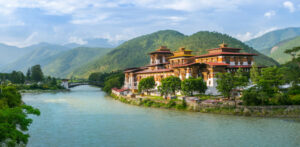
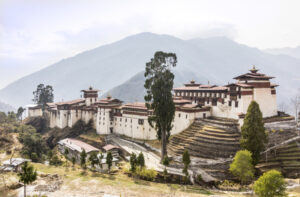
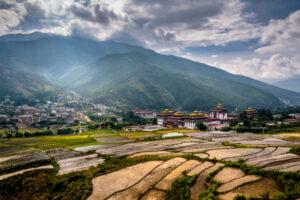
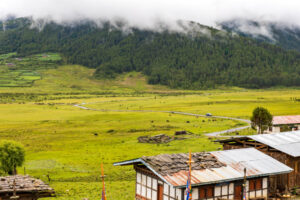
Bumthang is one of Bhutan’s most culturally important regions, sitting deep in the central Himalayas among forested valleys, monasteries, rivers, farms, and high mountain passes.
The name usually refers to a collection of four valleys, with Jakar serving as the main town and tourism base.
Compared with Thimphu or Paro, Bumthang feels quieter, more rural, and wonderfully removed from the modern world.
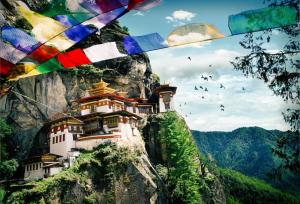
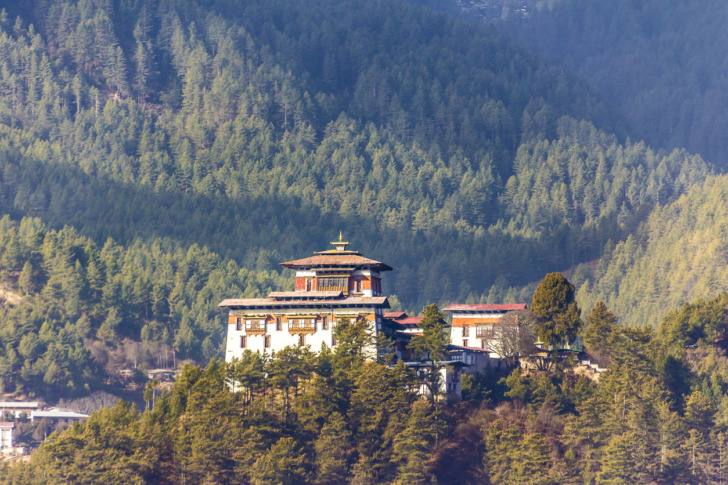
Travelers come for Jakar Dzong, Jambay Lhakhang, Kurje Lhakhang, traditional villages, hiking trails, and some of Bhutan’s most important Buddhist history.
Crime is remarkably low, and visitors are far more likely to encounter a winding road, sudden rainstorm, barking farm dog, or mild altitude headache than a criminal.
The main safety issues are mountain roads, weather, earthquakes, hiking, healthcare access, and the remoteness of central Bhutan.
Warnings & Dangers in Bumthang

OVERALL RISK: LOW
Bumthang is a low-risk destination for tourists. Violent crime is uncommon, local communities are generally welcoming, and major attractions are peaceful. The main risks come from road accidents, mountain weather, altitude, hiking injuries, earthquakes, limited medical facilities, and occasional landslides during the monsoon season.

TRANSPORT & TAXIS RISK: MEDIUM
Transportation is the most important everyday safety concern. Bhutan’s mountain roads can be narrow, steep, winding, and affected by fog, falling rocks or landslides. Avoid unnecessary nighttime driving and use an experienced local driver. Domestic flights are convenient but can be delayed or canceled when weather conditions deteriorate.

PICKPOCKETS RISK: LOW
Pickpocketing is very uncommon in Bumthang. Markets, festivals, monasteries, and bus areas are the places where normal precautions make the most sense. Keep your phone, passport, wallet, and camera secure, but there is little reason to spend the trip worrying constantly about theft.

NATURAL DISASTERS RISK: MEDIUM
Bumthang faces earthquake risk as well as heavy monsoon rain, landslides, flash flooding, snowfall, wildfires, and rapidly changing mountain weather. Road closures can isolate areas temporarily. Travelers should monitor conditions before long drives or hikes and avoid crossing landslide zones or swollen rivers.

MUGGING RISK: LOW
Mugging is extremely uncommon in Bumthang. Jakar and surrounding villages have little of the street-crime environment associated with larger cities. Normal nighttime caution is still reasonable, especially on dark rural roads or isolated trails, but robbery should not be a major concern for ordinary visitors.

TERRORISM RISK: LOW
The terrorism risk in Bumthang is low. Bhutan has no significant recent pattern of terrorist attacks affecting international tourists, and central Bhutan is far removed from most regional security concerns. Visitors should follow local instructions around official or religious events, but terrorism should not meaningfully affect a normal itinerary.

SCAMS RISK: LOW
Scams are uncommon. Visitors are more likely to experience a misunderstanding over tour inclusions, transportation costs, souvenirs, or accommodation than deliberate fraud. Confirm prices before booking private services, use established guides and hotels, and make sure your Bhutan visa and Sustainable Development Fee arrangements are completed properly.

WOMEN TRAVELERS RISK: LOW
Bumthang is generally safe for women, including solo travelers. Harassment is uncommon, and Buddhist cultural norms contribute to a relatively respectful atmosphere. Women should still avoid isolated nighttime walks, choose established accommodation, and use experienced guides for remote hikes or village routes.

TAP WATER RISK: MEDIUM
Tap water should not automatically be considered safe for visitors in every guesthouse or rural property. Drink bottled, boiled, or properly filtered water unless your accommodation confirms a reliable purification system. Carry treated water on hikes, as shops and refill points become less common outside Jakar.
Safest Places to Visit in Bumthang
Jakar
Jakar is the main town in Bumthang and the easiest base for travelers.
It has hotels, restaurants, shops, banks, transport services, and access to the surrounding temples and valleys.
The town is generally very safe during the day and evening.
Roads can be dark after sunset, however, so carry a flashlight or use transportation if your accommodation is outside the compact central area.
Jakar Dzong
Jakar Dzong sits above the valley and provides some of the best views in Bumthang.
The fortress remains an important administrative and religious site, so visitors should behave respectfully and follow access rules.
The grounds themselves are safe, but steep roads and stone surfaces can become slippery after rain.
Wear proper shoes and avoid walking along poorly lit access roads after dark.
Jambay Lhakhang
Jambay Lhakhang is one of Bhutan’s oldest and most important temples.
It is especially famous for the annual Jambay Lhakhang Drup festival, when traditional dances and religious ceremonies attract visitors from around the country.
Ordinary daytime visits are peaceful and safe.
During festivals, crowds increase, so keep valuables secure and follow directions from monks, guides, and event staff.
Kurje Lhakhang
Kurje Lhakhang is another major religious complex in the valley and is associated with Guru Rinpoche, one of the most important figures in Himalayan Buddhism.
The surrounding area is calm and scenic.
Dress respectfully, remove shoes when required, and ask before photographing interiors, ceremonies, monks, or religious objects.
Tang Valley
Tang Valley is more remote than central Bumthang and offers traditional villages, farmland, temples, and beautiful rural scenery.
It is generally safe when visited with an experienced guide or driver.
Road conditions can be rough, particularly after rain.
Begin early, bring food and water, and avoid planning a complicated return journey after sunset.
Places to Avoid in Bumthang
Bumthang has no dangerous neighborhoods or urban no-go zones.
The places travelers should avoid are determined by weather, road conditions, terrain, and remoteness.
Mountain Roads After Dark
Avoid unnecessary nighttime driving between valleys or across mountain passes.
Roads can contain sharp bends, falling rocks, livestock, damaged pavement, and limited lighting.
Travel during daylight whenever possible and use a driver familiar with central Bhutan’s roads.
Landslide Areas During Monsoon
Heavy summer rain can destabilize slopes and block roads.
Never walk beneath actively falling rocks or drive around official barriers simply because another vehicle appears to have made it through.
Road closures can be frustrating, but waiting is far better than becoming part of a landslide.
Remote Trails Without a Guide
Some village and mountain routes are poorly marked, and mobile coverage can disappear.
Do not undertake demanding or unfamiliar hikes without knowing the route, distance, altitude, and expected weather.
For remote trekking, a local guide substantially reduces the chance of getting lost or entering unsuitable terrain.
Fast-Flowing Rivers During Heavy Rain
Bumthang’s rivers and streams can rise quickly after prolonged rain.
Avoid crossing flooded paths, temporary bridges, or swollen waterways.
Water that looks shallow may be moving much faster than expected, especially in narrow mountain valleys.
Forest Areas During Wildfire Warnings
Dry periods can increase wildfire risk in Bhutan.
Never light campfires outside approved areas, discard cigarettes carelessly, or continue hiking into a region that authorities have closed because of fire.
Fines can apply for accidentally starting a wildfire, and emergency response is limited in remote terrain.
Safety Tips for Traveling to Bumthang
- Use an experienced Bhutanese driver. Road accidents are one of Bhutan’s most important travel risks. Mountain roads can be narrow, winding, and exposed, with steep drops and limited barriers. Hire a driver who regularly travels the route rather than attempting unfamiliar mountain driving yourself. Avoid long road journeys after dark whenever possible.
- Allow extra days for transportation delays. Bumthang is not a destination where a tightly packed schedule works particularly well. Landslides, fog, snow, road repairs, or flight cancellations can delay travel. Leave some flexibility between Bumthang and an international flight from Paro so one weather problem does not destroy the rest of your itinerary.
- Prepare for altitude. Jakar sits at roughly 2,600 meters above sea level, and nearby passes and hiking routes climb higher. Most travelers adjust without major problems, but headaches, fatigue, poor sleep, or shortness of breath can occur. Take the first day slowly, drink water, limit alcohol, and avoid immediately attempting a demanding hike.
- Respect monastery rules. Bumthang contains some of Bhutan’s most sacred religious sites. Dress modestly, remove hats or shoes when requested, speak quietly, and never photograph interiors unless permission is clearly given. Walk clockwise around religious structures when local custom requires it and avoid touching sacred objects.
- Carry warm clothing in every season. Mountain weather changes quickly. Even when afternoons are sunny, evenings can become cold, particularly at higher elevations. Carry a fleece or light insulated layer, rain protection, and suitable walking shoes. Winter travelers need considerably warmer clothing.
- Bring essential medication. Medical facilities in Bumthang can handle basic needs, but specialist care is limited. Bring enough prescription medication for the entire trip, along with a small first-aid kit, stomach medicine, pain relievers, sunscreen, and any personal medical supplies you rely on.
- Stay on established hiking routes. Forest paths can split unexpectedly, and rural trails may not have the signs international hikers expect. Use a guide for longer routes, tell someone where you are going, and carry water, food, an extra layer, and offline navigation. Turn back early if fog or thunderstorms develop.
- Watch for dogs around villages and monasteries. Free-roaming dogs are common in Bhutan. Most ignore visitors, but avoid approaching unfamiliar dogs, especially when they are eating, sleeping, protecting puppies, or gathered in groups. Do not run from an aggressive dog. Back away slowly and use your backpack or walking stick as a barrier if necessary.
- Know basic earthquake safety. Bhutan lies in an earthquake-prone region. If strong shaking starts indoors, drop down, protect your head and neck, and stay away from windows and shelves. Do not use elevators. Outdoors, move away from buildings, walls, trees, and power lines and follow local instructions afterward.
- Carry enough cash for rural excursions. Cards are increasingly useful in Bhutan, but small restaurants, farm stays, village shops, and remote services may still depend on cash. Carry Bhutanese ngultrum in smaller denominations and withdraw money before leaving the main town. Do not assume an ATM will be available in every valley.
So... How Safe Is Bumthang Really?
Bumthang is one of those destinations where crime barely deserves to be the center of the safety conversation.
Violent attacks against tourists are rare, theft is uncommon, and the social atmosphere is generally calm and respectful.
Walking around Jakar or visiting monasteries during daylight should feel comfortable for almost any traveler.
The risks become more noticeable once you look at geography.
Bumthang is mountainous, remote, and connected to the rest of Bhutan by roads that can be affected by landslides, fog, snow, rockfall, and road construction.
Vehicle accidents are one of the more serious dangers throughout Bhutan, making an experienced driver particularly important.
Natural hazards also matter.
Bhutan lies within an active earthquake region, while heavy monsoon rainfall can trigger landslides and flash flooding.
At higher elevations, cold weather and altitude can affect visitors who arrive too quickly and immediately push themselves.
Healthcare is another consideration.
Basic treatment is available locally, but serious injuries or complicated illnesses may require transportation to a larger medical facility.
Overall, I rate Bumthang as low risk.
It is safe for families, solo travelers, couples, older visitors, and cultural tourists who travel sensibly.
The biggest mistake is not worrying too little about crime.
It is underestimating mountain roads, weather, altitude, and distance.
How Does Bumthang Compare?
| City | Safety Index |
|---|---|
| Bumthang |
92 |
| Punakha |
91 |
| Paro |
90 |
| Trongsa |
90 |
| Phobjikha |
89 |
| Thimphu |
88 |
 Cork Cork | 68 |
 Alaska Alaska | 65 |
| Bethlehem | 80 |
| Tallahassee | 69 |
 Iquique Iquique | 42 |
| Mackinac Island | 83 |
Useful Information

Visas
Most international visitors need a Bhutanese visa before traveling. The standard visa application fee is US100 per adult per night, with reduced rates for children. Visa applications normally take up to five working days when submitted correctly.

Currency
Bumthang uses the Bhutanese ngultrum. The ngultrum is pegged at equal value to the Indian rupee, and Indian rupees are also commonly accepted. Cards work at larger hotels and some businesses, but cash remains important for restaurants, village shops, guides, small purchases, and rural accommodation.

Weather
Bumthang has cool mountain weather compared with southern Bhutan. Summers are mild but wetter because of the monsoon, while winters can be cold with frost and occasional snow. Pack layers, waterproof clothing, comfortable walking shoes, sunscreen, and a warm jacket. Nights can feel cold even outside winter.

Airports
Bathpalathang Airport serves Bumthang and offers limited domestic flights, primarily connecting the region with Paro. Weather can affect schedules, so flights should not be treated as guaranteed. Many travelers also reach Bumthang by road, which provides spectacular scenery but requires a long journey through mountain terrain.

Travel Insurance
Comprehensive travel insurance is strongly recommended. Coverage should include medical treatment, evacuation, road accidents, hiking injuries, domestic flight disruption, landslides, and trip cancellation. If you plan to trek at higher elevations, confirm the maximum altitude covered by your policy and whether helicopter evacuation is included.
Bumthang Weather Averages (Temperatures)
Average High/Low Temperature
| Temperature / Month | Jan | Feb | Mar | Apr | May | Jun | Jul | Aug | Sep | Oct | Nov | Dec |
|---|---|---|---|---|---|---|---|---|---|---|---|---|
| High °C |
11 | 10 | 16 | 19 | 21 | 23 | 24 | 23 | 21 | 18 | 14 | 12 |
| Low °C |
5 | -1 | 4 | 4 | 10 | 14 | 15 | 14 | 12 | 7 | 1 | -3 |
| High °F |
52 | 50 | 61 | 66 | 70 | 73 | 75 | 73 | 70 | 64 | 57 | 54 |
| Low °F |
41 | 30 | 39 | 39 | 50 | 57 | 59 | 57 | 54 | 45 | 34 | 27 |
Bhutan - Safety by City
| City | Safety Index |
|---|---|
| Bumthang | 92 |
| Paro | 90 |
| Phobjikha | 89 |
| Punakha | 91 |
| Thimphu | 88 |
| Trongsa | 90 |