 Bhutan : Safety by City
Bhutan - safety as a country
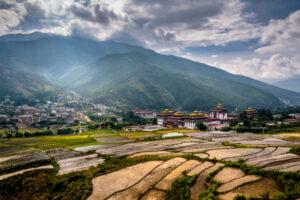
Trongsa sits almost exactly in the middle of Bhutan, wrapped around steep Himalayan slopes at roughly 2,200 meters above sea level.
For centuries, its location made it one of the kingdom’s most strategically important places, since travelers moving between eastern and western Bhutan traditionally passed through this narrow mountain corridor.
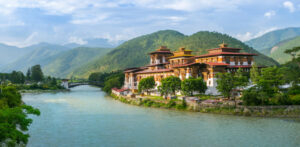
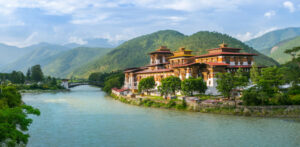
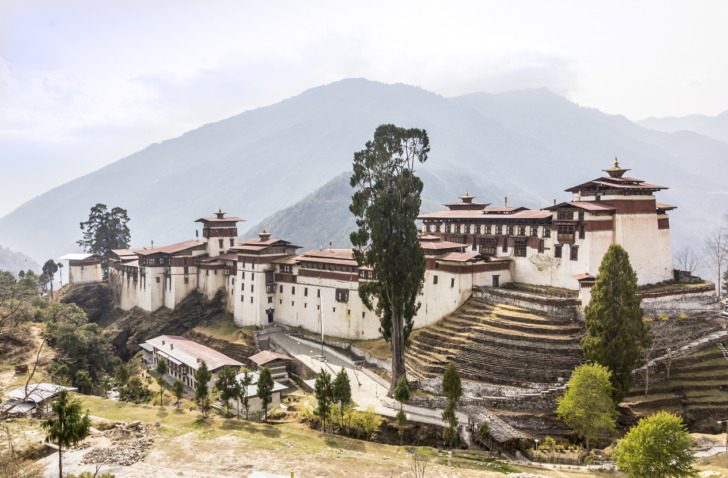
The enormous Trongsa Dzong still dominates the valley, appearing to cling impossibly to the hillside above the Mangde River.
Today, travelers come for the dzong, the excellent Tower of Trongsa museum, traditional villages, forested mountains, and a quieter atmosphere than Paro or Thimphu.
Crime is extremely low, but getting here involves long, winding mountain roads.
Landslides, monsoon rain, altitude, stray dogs, hiking accidents, and limited medical facilities matter much more than robbery or scams.
Warnings & Dangers in Trongsa

OVERALL RISK: LOW
Trongsa is a low-risk destination from a crime perspective. Violent crime against tourists is rare, local communities are generally welcoming, and Bhutan has a strong reputation for traveler safety. The main concerns are mountain roads, landslides, weather, hiking accidents, and limited emergency medical facilities rather than conventional street crime.

TRANSPORT & TAXIS RISK: MEDIUM
Transportation is one of the biggest risks in Trongsa. Roads are steep, narrow, winding, and occasionally affected by rockfall or landslides. Travel times can be much longer than distances suggest. Use an experienced Bhutanese driver, wear a seatbelt, avoid unnecessary nighttime journeys, and check road conditions during the monsoon.

PICKPOCKETS RISK: LOW
Pickpocketing is uncommon in Trongsa. The town is small, tourist numbers are modest, and large crowds are rare outside festivals. Still, keep valuables secured around bus stops, markets, religious festivals, and major attractions. Do not leave phones, cameras, or wallets unattended in restaurants, hotel lobbies, or parked vehicles.

NATURAL DISASTERS RISK: MEDIUM
Trongsa is exposed to earthquakes, landslides, flash flooding, rockfall, wildfires, and severe monsoon rain. Landslides are especially important because a blocked road can isolate travelers or delay journeys for hours or even days. Mountain weather also changes quickly, particularly during summer and on higher hiking routes.

MUGGING RISK: LOW
Muggings are extremely rare in Trongsa. Visitors can generally walk around central areas comfortably during daylight and early evening. The bigger nighttime risks are poorly lit roads, steep drops, stray dogs, and vehicles. Avoid isolated walking after dark and carry a flashlight if your accommodation is outside the center.

TERRORISM RISK: LOW
The terrorism risk in Trongsa is low. Bhutan does not experience frequent terrorist attacks, and Trongsa has little of the infrastructure usually associated with major international targets. Visitors should still respect security restrictions around government facilities and avoid photographing any military or sensitive installations they may encounter while traveling.

SCAMS RISK: LOW
Tourist scams are uncommon. Bhutan's regulated tourism system and mandatory guide requirements reduce many of the problems found in more heavily visited destinations. Visitors should still confirm hotel, transportation, activity, and entry fees in advance. Be cautious with unofficial souvenir sellers or anyone offering services outside normal tourism channels.

WOMEN TRAVELERS RISK: LOW
Trongsa is generally safe for women, including solo travelers. Street harassment is uncommon, and Bhutanese society tends to be respectful toward visitors. Women should still avoid isolated nighttime walks, use proper guides for hikes, and dress respectfully when visiting monasteries, temples, dzongs, villages, and other culturally sensitive places.

TAP WATER RISK: MEDIUM
Travelers should avoid drinking untreated tap water in Trongsa. Hotels may provide filtered or boiled water, but plumbing and storage standards can vary between properties. Use bottled, boiled, or properly filtered water for drinking. Travelers with sensitive stomachs may also prefer treated water for brushing their teeth.
Safest Places to Visit in Trongsa
Trongsa Dzong
Trongsa Dzong is the town’s defining attraction and one of Bhutan’s most impressive fortress-monasteries.
Built along a steep ridge, the complex contains courtyards, temples, administrative spaces, corridors, and dramatic views across the valley.
It is generally very safe when explored through permitted visitor areas with your guide.
Some staircases are steep, and stone surfaces can become slippery during rain, so wear shoes with good grip and follow instructions about restricted religious sections.
Tower of Trongsa
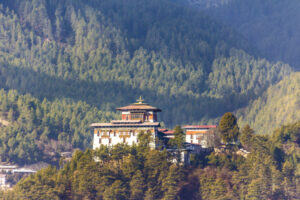
The Tower of Trongsa, also known as Ta Dzong, stands above the main fortress and now houses a museum devoted to Bhutanese history, religion, and the monarchy.
It is one of the easiest places in town to visit safely because access is organized and the museum environment is controlled.
The walk can involve climbing, so take your time if you have just arrived at altitude.
Central Trongsa
The small town center is generally calm and safe, with hotels, restaurants, shops, cafes, and everyday local businesses.
Walking during daylight is straightforward, although sidewalks are limited and roads can be steep.
Watch for traffic around bends, and avoid standing close to the road edge while photographing the valley.
Kuenga Rabten Palace Area
South of Trongsa, Kuenga Rabten offers a quieter glimpse into Bhutanese royal history and rural life.
The journey passes through beautiful countryside and is best undertaken with your guide and driver.
Visit during daylight and allow extra travel time because mountain road conditions can change quickly.
Places to Avoid in Trongsa
Landslide Zones During Heavy Rain
Roads around Trongsa can be affected by landslides during the monsoon, particularly after prolonged or intense rain.
Never walk across an active slide area or drive around official barriers.
Fresh landslides can continue moving after the first collapse.
Falling rocks, unstable mud, damaged road edges, and hidden drop-offs make these areas extremely dangerous.
Unmarked Mountain Trails
Bhutan’s forests can make a short-looking path surprisingly difficult to follow.
Do not leave established trails or hike into remote valleys without your guide.
Dense vegetation, cliffs, wildlife, rapidly changing weather, and weak phone reception can turn getting lost into a serious problem.
Bhutan requires tourists undertaking treks to travel with accredited guides.
Road Edges and Viewpoints After Dark
Trongsa’s dramatic roads often run directly beside steep slopes and deep valleys. Barriers may be limited or absent in places.
Do not walk along mountain roads after dark merely to reach a viewpoint or photograph the valley.
Visibility is poor, drivers may not expect pedestrians, and a small mistake near an unprotected edge can have serious consequences.
Restricted Dzong and Religious Areas
Trongsa Dzong remains an active religious and administrative complex, not simply a museum.
Some rooms, courtyards, temples, and working areas may be closed to tourists.
Do not cross barriers, enter rooms without permission, or photograph religious ceremonies when instructed not to.
Follow your guide and local signage closely.
Forest Areas During Wildfire or Storm Warnings
Central Bhutan can experience wildfires during dry periods and severe thunderstorms during wetter months.
Avoid forest trails when officials, guides, or hotel staff advise against entering.
Lightning, falling branches, fire, smoke, and blocked roads can create difficulties far more quickly in mountainous terrain than visitors expect.
Safety Tips for Traveling to Trongsa
- Use an experienced local driver. The road into Trongsa is one of those journeys where the distance on a map tells you almost nothing about the experience. Expect long climbs, tight bends, steep drops, trucks, roadwork, and occasional fallen rocks. Bhutanese tourism drivers know these roads well. Wear your seatbelt and avoid pressuring the driver to make up time.
- Avoid road travel after dark. Mountain roads become much more difficult when visibility disappears. Animals, rockfall, potholes, landslides, pedestrians, and sharp bends are harder to see. Plan your itinerary so longer journeys finish before sunset, particularly when traveling between Trongsa, Bumthang, Punakha, or other distant towns.
- Take the monsoon seriously. From roughly late June through September, rain can trigger landslides and road closures. Ask your guide about conditions before departure and build extra flexibility into your schedule. If a road is closed, wait for authorities to clear it rather than attempting an unofficial detour along an unfamiliar mountain track.
- Give yourself time to adjust to the altitude. Trongsa is around 2,200 meters above sea level. Most travelers tolerate this elevation well, but some may experience headaches, tiredness, shortness of breath, or poor sleep. Drink water, avoid excessive alcohol, and take your first day relatively slowly. Seek medical help if symptoms become severe or continue worsening.
- Wear good footwear. Trongsa involves slopes, stone staircases, uneven paths, monastery floors, and mountain viewpoints. Rain can make surfaces surprisingly slippery. Shoes with good grip are far more useful than fashionable footwear, particularly around the dzong, rural villages, and hiking routes.
- Stay away from stray dogs. Bhutan has many free-roaming dogs, including around towns and monasteries. Most avoid confrontation, but visitors should not feed, pet, chase, or approach them. If bitten or scratched, wash the wound thoroughly and seek medical treatment immediately because rabies is a serious concern.
- Follow your guide around religious sites. Bhutan requires visitors to travel with a certified guide, and that is particularly useful in places such as Trongsa Dzong. Your guide can explain where photography is allowed, when shoes must be removed, which rooms are restricted, and how to behave around monks and religious ceremonies.
- Carry water and basic supplies on road trips. Long mountain journeys can be interrupted by landslides, traffic, construction, or weather. Keep drinking water, snacks, medication, warm clothing, and a charged power bank in the vehicle. A journey expected to take several hours can easily become much longer.
- Check conditions before hiking. Don’t assume a trail is safe because the weather looks good from town. Conditions can be wetter, colder, and foggier higher on the mountain. Your guide should check local conditions and choose an appropriate route. Carry rain protection and enough warm clothing even on seemingly mild days.
- Buy insurance that includes evacuation. Medical services in Trongsa are limited compared with major international destinations. Serious injuries or illnesses may require transportation to a larger Bhutanese hospital or evacuation abroad. Choose insurance covering road accidents, hiking, medical evacuation, flight disruption, and natural disasters such as landslides or earthquakes.
So... How Safe Is Trongsa Really?
Trongsa is one of the places where the word “safe” needs a little context.
If we are talking about robbery, harassment, scams, or violent crime, it is very safe.
Bhutan has low conventional crime levels, and visitors in Trongsa are unlikely to spend much time worrying about their wallet or walking past aggressive street sellers.
The environment is the real challenge.
Trongsa is built into steep Himalayan terrain, and almost every journey involves winding mountain roads.
Vehicle accidents are among Bhutan’s most significant safety concerns, while monsoon landslides can close roads and disrupt travel.
Traveling with an experienced driver and avoiding nighttime road journeys reduces this risk substantially.
The area also sits in an earthquake-prone region, and emergency response capabilities are more limited than in large developed cities.
Hiking brings additional risks from weather, cliffs, forests, stray animals, and weak mobile coverage.
Fortunately, Bhutan’s tourism system adds a useful layer of protection.
International tourists are generally accompanied by certified guides, and treks must be undertaken with accredited tourism professionals.
That means visitors usually have someone nearby who understands local conditions, customs, and road risks.
I assess that Trongsa has a low crime risk but a medium environmental and transportation risk.
Families, couples, solo travelers, and older visitors can all enjoy it safely if they travel with a reputable guide, use experienced drivers, monitor the weather, and respect the mountains.
How Does Trongsa Compare?
| City | Safety Index |
|---|---|
| Trongsa |
90 |
| Punakha |
91 |
| Paro |
90 |
| Phobjikha |
89 |
| Bumthang |
92 |
| Thimphu |
88 |
 Sturgis Sturgis | 80 |
| Yuma | 86 |
| Cornelius | 75 |
| Hastings | 76 |
| Rogersville | 76 |
| Lovell | 81 |
Useful Information

Visas
Most international visitors need a Bhutanese visa before arrival. The visa application fee is US40.TravelersalsopayBhutan'sSustainableDevelopmentFee,currentlyUS100 per adult per night, with reduced rates for children. Visa applications are normally reviewed within about five working days, so complete the process well before departure.

Currency
Trongsa uses the Bhutanese ngultrum, which is maintained at equal value to the Indian rupee. Indian rupees are also widely accepted, although larger Indian notes may not always be convenient. Carry cash because card acceptance can be limited outside larger hotels. ATMs exist in Bhutan but should not be your only source of money.

Weather
Trongsa has warm, rainy summers and cool, relatively dry winters. The monsoon generally affects Bhutan from late June or July through September and can cause landslides. Spring and autumn are excellent for clearer mountain views. Pack layers, rain protection, sturdy footwear, sunscreen, and warmer clothing for evenings throughout much of the year.

Airports
Trongsa does not have its own airport. The nearest domestic airport is in Bumthang, although flights can be affected by weather, and schedules are limited. Most international travelers enter Bhutan through Paro International Airport and reach Trongsa by road, usually as part of a multi-day journey through Punakha and central Bhutan.

Travel Insurance
Travel insurance is strongly recommended for Trongsa. The policy should cover medical treatment, emergency evacuation, road accidents, landslides, earthquakes, canceled flights, lost luggage, and hiking injuries. Travelers planning longer treks should confirm that their policy covers the maximum altitude they expect to reach and any specific outdoor activities.
Trongsa Weather Averages (Temperatures)
Average High/Low Temperature
| Temperature / Month | Jan | Feb | Mar | Apr | May | Jun | Jul | Aug | Sep | Oct | Nov | Dec |
|---|---|---|---|---|---|---|---|---|---|---|---|---|
| High °C |
13 | 14 | 17 | 20 | 21 | 22 | 25 | 24 | 23 | 20 | 20 | 14 |
| Low °C |
0 | 0 | 4 | 7 | 12 | 14 | 15 | 15 | 14 | 9 | 6 | 1 |
| High °F |
55 | 57 | 63 | 68 | 70 | 72 | 77 | 75 | 73 | 68 | 68 | 57 |
| Low °F |
32 | 32 | 39 | 45 | 54 | 57 | 59 | 59 | 57 | 48 | 43 | 34 |
Bhutan - Safety by City
| City | Safety Index |
|---|---|
| Bumthang | 92 |
| Paro | 90 |
| Phobjikha | 89 |
| Punakha | 91 |
| Thimphu | 88 |
| Trongsa | 90 |