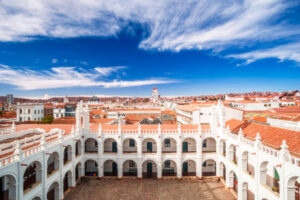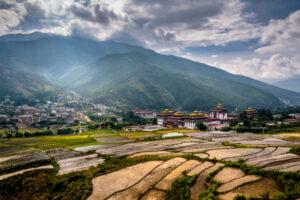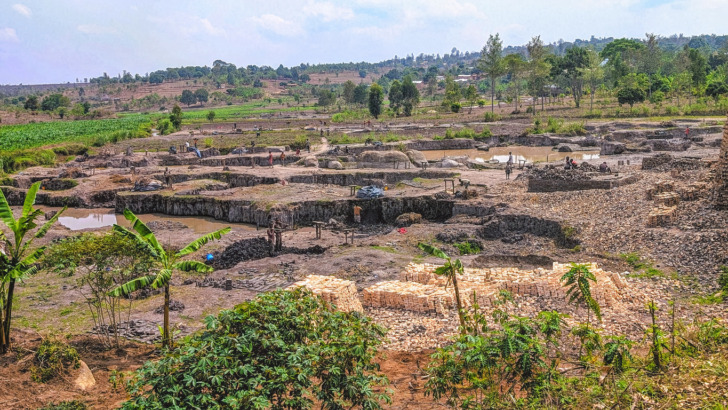
Gitega is Burundi’s political capital and one of the country’s most important cultural centers, sitting in the central highlands at roughly 1,500 meters above sea level.
It replaced Bujumbura as the political capital in 2019, although Bujumbura remains the country’s economic center and largest city.
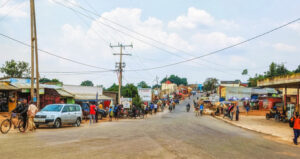
Gitega is quieter and less congested, with government institutions, churches, markets, traditional crafts, the National Museum, and the famous Gishora Drum Sanctuary nearby.
Its central location also makes it an important road junction for travel around Burundi.
Unfortunately, the national security environment requires substantial caution.
Burundi currently faces political tensions, violent crime, armed-group activity near some borders, fuel shortages, poor road safety, and limited healthcare.
Gitega itself is outside the country’s highest-risk border regions, but travelers still need considerably more preparation than they would for an ordinary East African city break.
Warnings & Dangers in Gitega

OVERALL RISK: HIGH
Gitega is calmer than several higher-risk parts of Burundi, but the national travel environment remains difficult. Political violence is possible, armed robberies occur, checkpoints are common, and emergency assistance is limited. Travelers should avoid demonstrations, use secure accommodation and transportation, and complete road journeys during daylight whenever possible.

TRANSPORT & TAXIS RISK: HIGH
Road travel is one of the biggest practical dangers. Driving standards are poor, vehicles may be badly maintained, and roads can suffer landslides or flood damage. Fuel shortages may also disrupt transportation. Avoid motorcycle taxis whenever possible, use a trusted driver, wear seat belts, and do not travel between cities after dark.

PICKPOCKETS RISK: MEDIUM
Pickpocketing, bag-snatching, and other crimes of opportunity occur in Burundi. Markets, bus stops, commercial streets, and crowded events deserve additional awareness. Keep your phone discreet, carry limited cash, and avoid easily accessible backpack pockets. Foreign visitors may attract attention because they are perceived as relatively wealthy.

NATURAL DISASTERS RISK: MEDIUM
Gitega can experience intense rainfall, flash flooding, landslides, thunderstorms, and earthquakes. Burundi’s rainy season generally extends from around October through May. Roads crossing the central highlands can become damaged or temporarily impassable following severe rain, making flexible travel plans important.

MUGGING RISK: HIGH
Armed robbery and mugging are possible in Burundi, including attacks involving knives or firearms. Gitega is generally quieter than Bujumbura, but travelers should still avoid walking alone at night. Carry minimal valuables, keep vehicle doors locked, and do not resist if confronted by an armed attacker.

TERRORISM RISK: MEDIUM
Terrorist attacks cannot be ruled out in Burundi, although Gitega has not experienced the same level of armed-group activity seen closer to the Democratic Republic of the Congo border. Crowded public places, government sites, places of worship, hotels, and transportation facilities warrant ordinary vigilance.

SCAMS RISK: MEDIUM
Travelers may encounter inflated transport prices, unofficial guides, questionable currency exchanges, fraudulent assistance, or requests for money. Confirm prices before accepting services and use drivers and guides recommended by trusted accommodation or established organizations. Avoid handing passports or money to strangers offering to fix administrative problems.

WOMEN TRAVELERS RISK: HIGH
Women can visit Gitega, but independent solo travel requires substantial caution. Crime, poor nighttime transportation, harassment, limited emergency response, and the broader security situation increase risk. Women should use trusted drivers, avoid walking alone after dark, choose secure accommodation, and avoid isolated excursions without reliable local support.

TAP WATER RISK: HIGH
Do not drink untreated tap water in Gitega. Use sealed bottled water or water that has been properly boiled, disinfected, or filtered. Be cautious with ice, raw vegetables, and food washed in untreated water. Gastrointestinal illness can become especially problematic because advanced medical care is limited.
Safest Places to Visit in Gitega
Gitega National Museum
The National Museum is one of Burundi’s most important cultural institutions and an excellent introduction to the country’s history.
Its collections include traditional tools, musical instruments, royal objects, photographs, crafts, and material relating to Burundi’s cultural heritage.
Visit during daylight and arrange transportation rather than walking long distances through unfamiliar parts of the city.
Gishora Drum Sanctuary
Located roughly 7 kilometers from Gitega, Gishora is one of Burundi’s most significant cultural sites.
The sanctuary preserves the country’s royal drumming traditions, with performances by skilled Batimbo drummers.
The site is best visited with arranged transportation and a recognized guide.
Plan to return to Gitega before dark.
Central Gitega During Daylight
The commercial and administrative heart of Gitega is generally the easiest area for visitors to navigate.
Government buildings, churches, shops, restaurants, and markets create regular activity.
Remain aware of belongings and avoid photographing government or security facilities without permission.
Established Hotels and Restaurants
Secure hotels with controlled entrances, reliable staff, backup power, and arrangements with trusted drivers provide the easiest environment for international travelers.
Hotel staff can also provide useful information about current fuel availability, road conditions, demonstrations, and transportation interruptions.
Organized Cultural Visits
Burundi has an exceptionally rich tradition of drumming, dance, crafts, and royal history.
Organized cultural experiences are safer than spontaneous journeys into remote communities because transportation and introductions can be arranged in advance.
Use established local organizations and complete rural excursions during daylight.
Places to Avoid in Gitega
Demonstrations and Political Gatherings
Avoid every political demonstration, rally, or large spontaneous gathering.
Burundi’s political environment remains sensitive, and security forces may respond aggressively to unrest.
Travelers should not photograph demonstrations or remain nearby simply out of curiosity.
Empty Streets After Dark
Nighttime walking is not recommended, even in central areas.
Crime risk increases after dark, road lighting is limited, and reliable emergency assistance may be difficult to obtain.
Use a trusted car and driver rather than walking between restaurants and accommodation.
Government and Security Facilities
Gitega’s status as the political capital means there are numerous government institutions and security personnel.
Do not photograph military installations, police facilities, checkpoints, government compounds, or security operations unless you have explicit permission.
Remote Roads After Sunset
Avoid all unnecessary intercity driving after dark.
Poor road surfaces, unlit vehicles, pedestrians, livestock, crime, and checkpoints combine to make nighttime road travel particularly hazardous.
Plan departures early enough to reach your destination well before sunset.
Border Regions as Casual Side Trips
Do not assume that because Gitega itself is away from the country’s most dangerous border areas, the rest of Burundi is equally safe.
Parts of western Burundi near the Democratic Republic of the Congo face armed-group activity and possible incursions.
The Rwanda land border also remains closed amid bilateral tensions.
Isolated Rural Trails Without Local Guidance
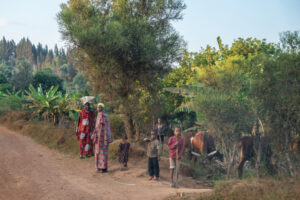
Burundi’s central highlands are beautiful, but visitors should not wander independently into unfamiliar rural areas.
Communication can be difficult, mobile service may vary, and travelers may encounter unofficial roadblocks or areas with little emergency support.
Safety Tips for Traveling to Gitega
- Use a trusted driver for all important journeys. Transportation is one of the biggest variables in Burundi. Arrange a reliable vehicle through your hotel, employer, organization, or established local contact. Avoid getting into random vehicles simply because they offer a cheaper fare.
- Finish road travel before dark. Night driving combines poor lighting, bad road conditions, pedestrians, livestock, poorly maintained vehicles, and additional security concerns. Schedule travel between Gitega and Bujumbura or other cities so you arrive while there is still plenty of daylight.
- Prepare for fuel shortages. Burundi continues to experience severe fuel shortages, and long lines can develop when supplies arrive. Do not assume a vehicle can simply refuel whenever necessary. Drivers should begin longer journeys with sufficient fuel and maintain contingency plans.
- Avoid all political activity. Do not attend demonstrations, political rallies, or heated public discussions. Avoid photographing security forces or government protests. If crowds begin forming unexpectedly, move away and return to your accommodation until conditions are clearly calm.
- Take malaria prevention seriously. Malaria occurs throughout Burundi. Discuss preventive medication with a travel-health professional before departure, use effective insect repellent, wear long clothing during peak mosquito hours, and sleep in screened rooms or under an insecticide-treated mosquito net.
- Carry safe drinking water. Keep bottled or properly treated water available in your room and vehicle. Road delays, fuel shortages, or breakdowns can extend journeys unexpectedly, so carry more water than you expect to need along with basic snacks and essential medication.
- Keep valuables discreet. Avoid displaying expensive watches, jewelry, cameras, or phones. Carry only the cash you expect to use during the day and keep backup funds separately. Use a hotel safe when available for passports and unnecessary valuables.
- Carry identification and document copies. Police and military checkpoints are common. Keep your travel documentation accessible and maintain separate copies of your passport, visa, vaccination certificate, insurance details, and emergency contacts. Store digital copies somewhere you can reach even if your phone is lost.
- Have an emergency plan before leaving Bujumbura. Gitega is roughly 100 kilometers by road from Bujumbura, and Burundi’s only functioning international airport is there. Know how you would return if fuel, road conditions, security incidents, or protests interrupt normal transportation.
- Buy insurance with evacuation coverage. Medical facilities in Burundi are limited, particularly outside Bujumbura. Serious illness or injury may require evacuation to another country. Confirm that your policy covers Burundi, hospitalization, emergency evacuation, malaria, road accidents, and disruption caused by unrest.
So... How Safe Is Gitega Really?
Gitega presents an unusual travel-safety picture.
The city itself is not at the center of Burundi’s most serious armed conflict, and everyday life can look surprisingly calm.
Markets operate, government offices function, families go about their routines, and visitors can experience some of Burundi’s most important cultural traditions.
That does not make it a low-risk destination.
Burundi currently carries a Level 3 travel advisory, meaning travelers are advised to reconsider travel because of political violence, crime, and health concerns.
Certain western regions carry even stronger warnings because of armed-group activity and instability along the Democratic Republic of the Congo border.
Gitega lies well away from those highest-risk western border areas, which makes it considerably more manageable than some parts of the country.
Crime remains important, however.
Armed robbery, burglary, carjacking, pickpocketing, and bag-snatching occur nationally.
Road conditions are poor, serious traffic accidents are common, and fuel shortages make transportation less predictable.
The political environment also requires discretion.
Demonstrations, arbitrary detention, checkpoints, and aggressive security responses remain possible.
Overall, I rate Gitega as high risk by normal tourism standards, although it is not among Burundi’s most dangerous locations.
Experienced travelers with reliable local contacts, secure transportation, good accommodation, and flexible plans can substantially reduce their exposure.
How Does Gitega Compare?
| City | Safety Index |
|---|---|
 Gitega Gitega |
58 |
| Ngozi |
60 |
| Bujumbura |
52 |
 Puno Puno | 45 |
 Escaldes-Engordany Escaldes-Engordany | 93 |
 Barranquilla Barranquilla | 47 |
 Manama Manama | 54 |
 Mountain View Mountain View | 87 |
 Amman Amman | 60 |
Useful Information

Visas
Most international visitors need a visa for Burundi. A 30-day visa on arrival is currently available at Bujumbura’s international airport for approximately US$90. Extensions can be obtained in Burundi, with monthly renewals costing around US$70. Travelers should have a passport valid for at least six months and proof of yellow fever vaccination.

Currency
Gitega uses the Burundian franc. Cash is extremely important because card acceptance is limited and ATM reliability can be inconsistent. Carry sufficient local currency for transportation, restaurants, and everyday purchases, but divide it between secure locations. Do not depend entirely on being able to withdraw money after arriving.

Weather
Gitega’s elevation gives it a milder climate than lower-lying parts of Burundi. Daytime temperatures are generally comfortable, while evenings can become cool. Rain is most common from roughly October through May, with a relatively drier period from June through September. Heavy rain can cause landslides and disrupt roads.

Airports
Gitega does not currently have dependable scheduled commercial air service. Burundi’s only international airport is Melchior Ndadaye International Airport in Bujumbura. Gitega is roughly 100 kilometers away by road, and the journey usually takes several hours depending on traffic, road conditions, fuel availability, checkpoints, and weather.

Travel Insurance
Comprehensive travel insurance is essential. Confirm specifically that Burundi is covered because some policies exclude countries subject to elevated government travel warnings. Coverage should include emergency medical treatment, evacuation, political disruption, road accidents, theft, and trip interruption. Medical evacuation coverage is particularly important given the limited availability of advanced healthcare.
Gitega Weather Averages (Temperatures)
Average High/Low Temperature
| Temperature / Month | Jan | Feb | Mar | Apr | May | Jun | Jul | Aug | Sep | Oct | Nov | Dec |
|---|---|---|---|---|---|---|---|---|---|---|---|---|
| High °C |
24 | 24 | 25 | 25 | 24 | 24 | 25 | 26 | 27 | 25 | 23 | 23 |
| Low °C |
15 | 15 | 13 | 14 | 14 | 14 | 13 | 14 | 15 | 16 | 15 | 15 |
| High °F |
75 | 75 | 77 | 77 | 75 | 75 | 77 | 79 | 81 | 77 | 73 | 73 |
| Low °F |
59 | 59 | 55 | 57 | 57 | 57 | 55 | 57 | 59 | 61 | 59 | 59 |
Burundi - Safety by City
| City | Safety Index |
|---|---|
| Bujumbura | 52 |
| Gitega | 58 |
| Ngozi | 60 |