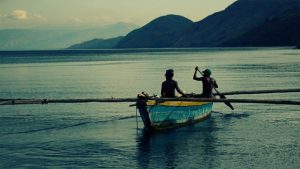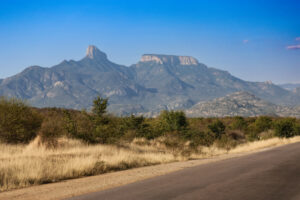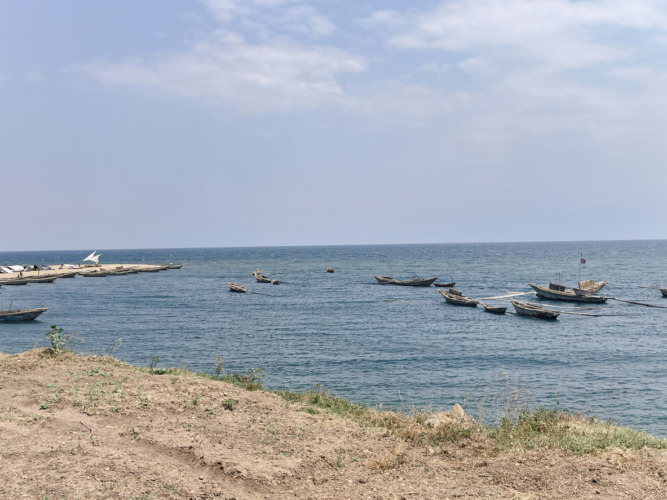
Rumonge is a lakeside city in southwestern Burundi, stretching along the eastern shore of Lake Tanganyika between Bujumbura and the Tanzanian border.
Palm-covered hills rise behind the city while fishing boats, markets, beaches, and the busy commercial port connect Rumonge with communities elsewhere around the lake.
Travelers come for the scenery, nearby nature reserves, fishing villages, hot springs, and the chance to experience a quieter part of Burundi away from the capital.
The setting is beautiful, but Rumonge requires considerably more preparation than a typical lake resort.
Burundi continues to face political violence, violent crime, poor medical infrastructure, fuel shortages, and instability connected with neighboring Democratic Republic of the Congo.
Rumonge also has malaria, unsafe freshwater swimming, difficult roads, and limited emergency services.
Warnings & Dangers in Rumonge

OVERALL RISK: HIGH
Rumonge has a high overall travel risk. The city itself can feel relatively peaceful, but Burundi remains a difficult destination because of violent crime, political instability, checkpoints, limited medical facilities, and regional insecurity. Foreign governments currently advise travelers to reconsider or avoid nonessential travel to Burundi.

TRANSPORT & TAXIS RISK: HIGH
Road travel is one of the biggest practical risks. Roads outside major towns may be poorly maintained, damaged by rain, or affected by landslides. Fuel shortages can also disrupt transportation. Avoid unnecessary travel after dark, use experienced drivers, wear seatbelts whenever available, and confirm road conditions before longer journeys.

PICKPOCKETS RISK: MEDIUM
Pickpocketing and opportunistic theft can occur around markets, bus stops, the port, commercial streets, and crowded events. Foreign visitors may stand out, particularly when carrying expensive phones or cameras. Keep valuables secured, carry limited cash, and avoid putting bags down while arranging transportation.

NATURAL DISASTERS RISK: MEDIUM
Heavy rain, flooding, landslides, thunderstorms, strong winds, and rising lake levels can affect Rumonge. Roads in Burundi may become blocked or damaged following severe rain, while bridges can occasionally become impassable. Travelers should allow extra time during wetter months and avoid flooded roads or unstable slopes.

MUGGING RISK: MEDIUM
Armed robbery and violent crime occur in Burundi. Rumonge is not usually considered one of the country's most dangerous urban centers, but travelers should avoid isolated roads, beaches, and market areas after dark. Use trusted transportation in the evening and do not resist if confronted by someone carrying a weapon.

TERRORISM RISK: MEDIUM
Rumonge is not currently among Burundi's primary terrorism hotspots, but regional security remains complicated by conflict across the border in the Democratic Republic of the Congo. Armed groups and political violence affect parts of Burundi, and security conditions can change quickly. Avoid military facilities, demonstrations, checkpoints not required for your journey, and politically sensitive gatherings.

SCAMS RISK: MEDIUM
Travelers may encounter taxi overcharging, unofficial guides, inflated prices, questionable currency exchanges, or transportation offers that are less reliable than promised. Confirm prices before accepting services and arrange longer trips through trusted hotels or local contacts. Avoid anyone offering unofficial border or lake crossings.

WOMEN TRAVELERS RISK: HIGH
Women can travel through Rumonge, but solo travel requires significant caution because of the broader national security environment. Avoid walking alone at night, use reputable accommodation, arrange trusted drivers, and dress relatively conservatively. The high rating reflects Burundi's wider crime and security situation rather than unusually high harassment levels specific to Rumonge.

TAP WATER RISK: HIGH
Do not drink untreated tap water. Use sealed bottled water, boiled water, or water that has been properly filtered and disinfected. Waterborne illnesses occur in Burundi, and visitors should also be cautious with ice, raw salads, street drinks, and food washed with uncertain water sources.
Safest Places to Visit in Rumonge
Central Rumonge During Daylight
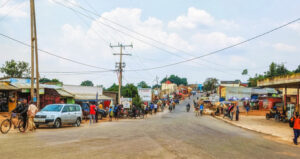
The central commercial area is the easiest part of Rumonge for visitors to navigate.
Shops, restaurants, markets, accommodation, transportation, and government services create regular daytime activity.
Foreign visitors should still remain aware of their surroundings and avoid carrying unnecessary valuables.
After businesses close, use transportation instead of wandering unfamiliar streets.
Established Lakefront Hotels
Reputable hotels and guesthouses along or near Lake Tanganyika provide a more controlled environment than isolated beach areas.
They can also arrange drivers, guides, meals, and local excursions.
Choose accommodation with secure gates, reliable staff, protected parking, and backup electricity or water if possible.
Rumonge Nature Reserve With Local Guidance
The forests and protected landscapes around Rumonge contain primates, birds, tropical vegetation, and impressive scenery.
They offer one of the area’s best reasons to leave the city.
Use an experienced guide and confirm current access conditions before departure.
Do not explore remote forest tracks independently, particularly late in the day.
Lake Tanganyika Shoreline From Established Properties
The lakefront is one of Rumonge’s biggest attractions, particularly around hotels, restaurants, and active fishing communities.
Enjoy the views from established areas, but do not assume that calm-looking water is safe for swimming.
Wildlife and waterborne disease make swimming in Lake Tanganyika inadvisable.
Places to Avoid in Rumonge
Lake Tanganyika for Swimming
The lake is beautiful, but swimming introduces unnecessary risk.
Crocodiles and hippos inhabit parts of Lake Tanganyika, while freshwater can expose swimmers to waterborne disease.
Avoid swimming, wading unnecessarily, or standing beside isolated stretches of shoreline, especially around dawn, dusk, and nighttime.
Commercial Port Without a Reason to Be There
Rumonge’s port is an important regional trading point connecting Burundi with communities across Lake Tanganyika.
It is not a casual tourist attraction.
Passenger movements, cargo activity, immigration controls, and cross-border health screening make the area sensitive.
During 2026, authorities increased health surveillance at the port because of an Ebola outbreak in neighboring Democratic Republic of the Congo.
Isolated Beaches After Dark
Lakeside areas can become extremely quiet after sunset.
Poor lighting, limited security, wildlife, and crime make isolated nighttime beach walks a bad idea.
Stay near established accommodation and restaurants, and arrange transportation if traveling elsewhere after dark.
Remote Roads Toward the DRC Side of the Lake
The security situation across Lake Tanganyika in eastern Democratic Republic of the Congo remains unstable.
Avoid unofficial boat crossings or attempts to reach Congolese communities independently.
Use recognized immigration points for any international movement and confirm border conditions before departure.
Demonstrations and Security Operations
Political violence remains possible in Burundi.
Do not attend demonstrations, protests, rallies, or spontaneous crowds.
If security forces begin blocking streets or establishing checkpoints, leave the area calmly and follow legitimate instructions.
Do not photograph police, soldiers, military vehicles, or security operations.
Remote Forest and Rural Areas Alone
Avoid walking into forests, plantations, or isolated countryside without local guidance.
Navigation can be difficult, mobile coverage unreliable, and emergency help limited.
Wildlife, snakes, steep terrain, and security concerns make independent exploration unnecessary.
Safety Tips for Traveling to Rumonge
- Reconsider whether independent leisure travel is appropriate. Rumonge can be fascinating, but Burundi currently carries elevated travel warnings because of crime, political violence, poor health infrastructure, and instability in neighboring DRC. Travelers without experience in higher-risk destinations may be better served postponing the trip.
- Do not swim in Lake Tanganyika. This is one of the most important local safety rules. The water may look perfect on a hot afternoon, but crocodiles, hippos, and waterborne diseases create genuine risks. Enjoy the lake from boats operated by reputable crews or from established shoreline areas instead.
- Take malaria prevention seriously. Malaria occurs throughout Burundi. Travelers should discuss preventive medication with a medical professional before departure, use effective insect repellent, wear long clothing in the evening, and sleep in screened or mosquito-protected rooms.
- Avoid road travel after dark. Poor lighting, pedestrians, bicycles, livestock, damaged roads, crime, and limited emergency response make nighttime driving considerably more dangerous. Plan journeys between Bujumbura and Rumonge so you arrive well before sunset whenever possible.
- Carry extra water and essential supplies. Fuel shortages and transportation disruptions can affect Burundi. Keep drinking water, snacks, medication, a charged phone, power bank, and some emergency cash available during road trips. Do not assume every roadside town will have the supplies you need.
- Use trusted transportation. Ask an established hotel, organization, or reliable local contact to arrange drivers. Avoid accepting rides from strangers or hiring an unknown driver for long-distance travel simply because the price is cheaper. Confirm the route and expected arrival time before leaving.
- Keep away from political activity. Do not attend protests, demonstrations, rallies, or political meetings. Avoid photographing security personnel, government operations, or checkpoints. Foreign travelers should keep political discussions private and leave immediately if a crowd begins forming.
- Be careful around the port. Rumonge’s port is a working international entry point with cargo, passengers, immigration activity, and health screening. Use it only when necessary and follow official instructions. Do not wander around restricted areas or photograph border and security procedures.
- Carry your yellow fever certificate. Burundi requires proof of yellow fever vaccination from arriving travelers aged nine months and older. Keep the original vaccination certificate with your passport rather than packing it in checked luggage.
- Have a medical evacuation plan. Advanced medical care is limited, particularly outside Bujumbura. Serious illness, injury, malaria complications, or a road accident may require transfer to the capital or evacuation abroad. Travel insurance should explicitly cover emergency transportation from Burundi.
So... How Safe Is Rumonge Really?
Rumonge is not dangerous in the same way as an active conflict-zone city where visitors can expect violence on every street.
Daily life continues, markets operate, fishing boats move across the lake, and families live ordinary lives along the waterfront.
The problem is that travelers have much less room for error than they would in a conventional tourist destination.
Burundi currently faces elevated concerns involving political violence, violent crime, limited medical capacity, checkpoints, transportation problems, and instability across the DRC border.
Canada currently advises avoiding nonessential travel to Burundi, while the United States advises travelers to reconsider visiting the country.
Rumonge adds several local challenges.
Lake Tanganyika is not a safe recreational swimming lake because of wildlife and disease.
Malaria occurs throughout Burundi.
Road infrastructure can deteriorate during heavy rain, and healthcare outside the capital is limited.
There is also a current regional health issue worth knowing about.
In May 2026, Rumonge authorities strengthened monitoring at the commercial port following an Ebola outbreak in neighboring DRC because the port receives cross-lake passenger and commercial traffic.
This does not mean ordinary visitors in Rumonge are automatically at high risk, but it reinforces the importance of following current public-health instructions around border and port areas.
My assessment is that Rumonge has a high overall travel risk in 2026, even though the city itself may feel calmer than that rating suggests.
Experienced travelers visiting with trusted local support can reduce many risks, but independent casual tourism requires careful consideration.
How Does Rumonge Compare?
| City | Safety Index |
|---|---|
 Rumonge Rumonge |
54 |
| Muyinga |
55 |
| Gitega |
58 |
| Ngozi |
60 |
| Bujumbura |
52 |
 Toronto Toronto | 83 |
 Lake Bled Lake Bled | 89 |
 Ghent Ghent | 70 |
 McAlester McAlester | 70 |
| Upper Township & Ocean City | 74 |
 Bari Bari | 74 |
Useful Information

Visas
Most foreign visitors need a visa for Burundi. Tourist visas are available on arrival, but travelers are expected to complete the required application process before traveling. Current official tourism information lists entry visas from about US$70 per month, while a 30-day visa on arrival may cost US$90 depending on the process used and nationality.

Currency
Rumonge uses the Burundian franc. Cash is extremely important because international cards and ATM access can be unreliable outside major hotels and Bujumbura. Carry smaller denominations and keep emergency cash in separate secure locations. Do not depend entirely on being able to withdraw money once you reach Rumonge.

Weather
Rumonge has a warm tropical climate influenced by Lake Tanganyika. Temperatures remain relatively warm throughout the year, while rainfall is generally heavier from around October through May, with a drier period in the middle of the year. Heavy rain can trigger flooding, landslides, and road problems, so allow more flexibility during wetter months.

Airports
Rumonge does not have a major commercial airport. International travelers normally arrive through Melchior Ndadaye International Airport in Bujumbura and continue south by road. The journey is roughly 70 to 80 kilometers but can take significantly longer depending on road conditions, traffic, fuel availability, weather, and security checks.

Travel Insurance
Comprehensive travel insurance is essential. Look for coverage that specifically includes Burundi, medical treatment, malaria, evacuation, political unrest, road accidents, canceled transportation, and unexpected accommodation costs. Check exclusions carefully because some insurers restrict coverage when official authorities advise against nonessential travel.
Rumonge Weather Averages (Temperatures)
Average High/Low Temperature
| Temperature / Month | Jan | Feb | Mar | Apr | May | Jun | Jul | Aug | Sep | Oct | Nov | Dec |
|---|---|---|---|---|---|---|---|---|---|---|---|---|
| High °C |
24 | 25 | 25 | 25 | 26 | 27 | 27 | 27 | 28 | 27 | 25 | 25 |
| Low °C |
19 | 19 | 20 | 19 | 18 | 17 | 17 | 18 | 19 | 19 | 19 | 18 |
| High °F |
75 | 77 | 77 | 77 | 79 | 81 | 81 | 81 | 82 | 81 | 77 | 77 |
| Low °F |
66 | 66 | 68 | 66 | 64 | 63 | 63 | 64 | 66 | 66 | 66 | 64 |
Burundi - Safety by City
| City | Safety Index |
|---|---|
| Bujumbura | 52 |
| Gitega | 58 |
| Muyinga | 55 |
| Ngozi | 60 |
| Rumonge | 54 |