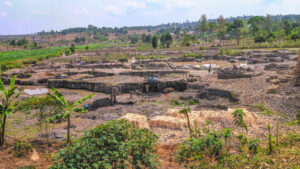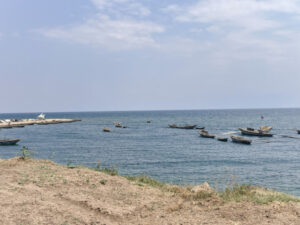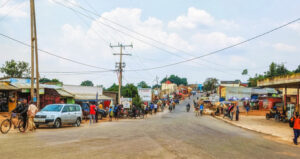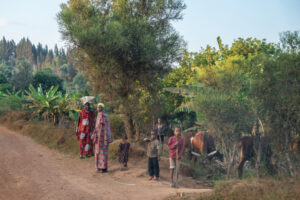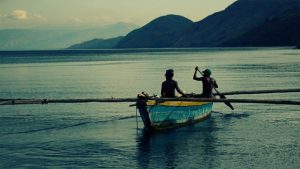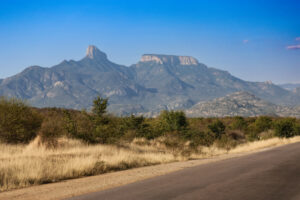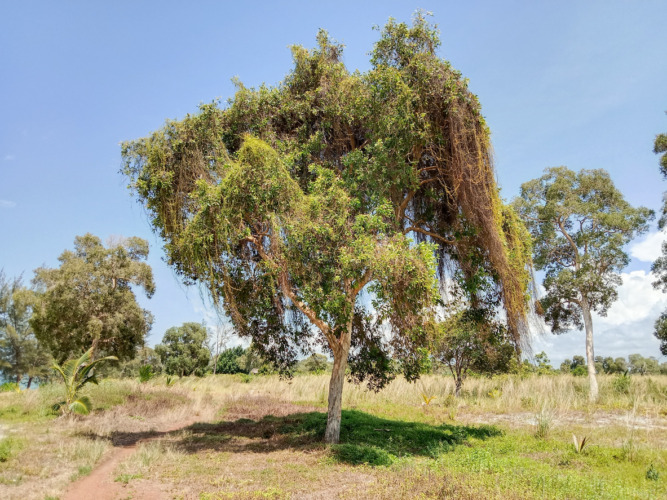
Muyinga is a regional center in northeastern Burundi, set among rolling green hills, farmland, eucalyptus trees, and the high plateaus that characterize much of the country.
It receives far fewer international visitors than Bujumbura or Gitega and feels much more like an everyday Burundian town than a developed tourist destination.
Local markets, churches, agricultural communities, and access toward Ruvubu National Park provide most of the interest for adventurous travelers.
Muyinga itself is relatively quiet, but visiting requires considerably more preparation than its peaceful appearance might suggest.
Burundi continues to face political violence, violent crime, road-security issues, weak emergency services, fuel shortages, and instability around some international borders.
Current U.S. guidance advises travelers to reconsider travel to Burundi, although the strongest regional warnings focus on other parts of the country rather than Muyinga itself.
Warnings & Dangers in Muyinga

OVERALL RISK: HIGH
Muyinga deserves a high overall risk rating because the broader security and infrastructure situation in Burundi affects even relatively quiet towns. Violent crime, political tension, checkpoints, poor road safety, limited medical services, and difficulties obtaining emergency help all increase the consequences of something going wrong.

TRANSPORT & TAXIS RISK: HIGH
Road travel is one of the most important concerns. Vehicles may be poorly maintained, driving standards vary, and roads outside town become dangerous after dark. Police and other checkpoints are common, while fuel shortages can disrupt transportation unexpectedly. Complete longer journeys during daylight and use a trusted professional driver.

PICKPOCKETS RISK: MEDIUM
Pickpocketing and opportunistic theft can occur around Muyinga’s market, transport areas, shops, and public gatherings. Foreign visitors can stand out, so avoid openly displaying expensive phones, cameras, watches, or large amounts of cash. Keep passports and backup money secured at your accommodation.

NATURAL DISASTERS RISK: MEDIUM
Muyinga can experience severe thunderstorms, heavy rain, flash flooding, landslides, lightning, and earthquakes. The rainy season can make rural roads muddy or temporarily impassable. Never cross flooded roads or streams simply because another vehicle has managed to get through.

MUGGING RISK: HIGH
Armed robbery and violent crime occur in Burundi, even though Muyinga is quieter than Bujumbura. Avoid walking alone after dark, isolated roads, empty market areas, and poorly lit neighborhoods. If threatened with a weapon, do not physically resist for the sake of a phone, wallet, or camera.

TERRORISM RISK: MEDIUM
Muyinga is not one of Burundi’s principal terrorism hotspots, but political and armed violence remains part of the national security environment. Border regions and remote roads require particular caution. Avoid government security operations, military locations, checkpoints beyond what is necessary for travel, and suspicious gatherings.

SCAMS RISK: MEDIUM
Tourism scams are not highly organized because Muyinga receives relatively few international tourists. More realistic problems include inflated transport prices, unofficial guides, poor currency exchange offers, or strangers offering unnecessary help. Arrange drivers and excursions through established contacts whenever possible.

WOMEN TRAVELERS RISK: HIGH
Women can travel in Muyinga, but the combination of limited tourism infrastructure, crime, nighttime transport risks, and weak emergency services makes solo travel more complicated. Use secure accommodation, reliable drivers, conservative nighttime routines, and avoid walking alone after dark.

TAP WATER RISK: HIGH
Do not drink untreated tap water in Muyinga. Use sealed bottled water or properly boiled, filtered, and disinfected water. Be careful with ice, raw vegetables, street beverages, and fruit that has already been peeled. Gastrointestinal illness is particularly undesirable where advanced medical care is limited.
Safest Places to Visit in Muyinga
Muyinga Town Center
The central commercial area is the easiest part of Muyinga for visitors to navigate.
Shops, banks, small restaurants, offices, and regular pedestrian activity provide more security than isolated residential or rural areas.
Visit during daylight, keep valuables discreet, and return to your accommodation before surrounding streets become quiet.
Muyinga Central Market
The market offers one of the best opportunities to experience everyday life in northeastern Burundi, with agricultural produce, household goods, clothing, and regional trade.
It is best visited during busy daytime hours.
Carry only a limited amount of cash and keep your phone and wallet secured because crowded markets naturally provide opportunities for theft.
Main Churches and Community Areas
Muyinga’s churches and religious communities play an important role in local life and can offer visitors a glimpse into the town’s culture.
Visit respectfully, dress modestly, and ask permission before photographing people or ceremonies.
Established community locations are generally more comfortable than wandering through unfamiliar peripheral streets.
Ruvubu National Park With Proper Arrangements
Ruvubu National Park protects one of Burundi’s largest remaining natural landscapes, including savanna, river habitat, birds, primates, antelope, hippos, and other wildlife.
The park is remote and should not be treated as a casual self-drive excursion.
Arrange transport, access, food, water, and ranger assistance in advance and verify road and security conditions before leaving Muyinga.
Established Hotels and Guesthouses
A reputable hotel can function as much more than somewhere to sleep.
Staff can help arrange trusted drivers, provide current road information, recommend safer restaurants, and advise against journeys when local conditions change.
Choose accommodation with secure parking, controlled entrances, reliable communications, and backup electricity if available.
Places to Avoid in Muyinga
Remote Roads After Dark
Night driving outside Muyinga presents a combination of poor visibility, crime, vehicle breakdown risk, pedestrians, animals, checkpoints, and limited emergency assistance.
Plan journeys conservatively and reach your destination well before sunset.
Rwanda Border Areas Without Current Information
Muyinga lies relatively close to Rwanda, and relations between Burundi and Rwanda have periodically affected border access and security.
Border crossings can change status with little notice.
Do not make an informal border trip without confirming current conditions and entry procedures on the same day.
Empty Market and Commercial Areas at Night
Busy daytime commercial streets can change character quickly after shops close.
Avoid wandering through empty market streets with valuables or luggage after dark.
Use a trusted driver rather than trying to walk back to accommodation.
Remote Forest and Rural Tracks
Burundi’s countryside can look peaceful, but unfamiliar tracks may lead to isolated settlements, difficult terrain, security checkpoints, or areas with poor mobile coverage.
Do not explore remote rural roads independently simply because they appear on a map.
Political Gatherings and Security Activity
Avoid demonstrations, political meetings, police operations, military activity, and crowds forming around government buildings.
Do not stop to photograph these situations.
Leave calmly and take another route.
Safety Tips for Traveling to Muyinga
- Arrange a reliable driver. A trusted local driver dramatically simplifies travel in and around Muyinga. Use someone recommended by your hotel, organization, or a reputable tour provider. Avoid relying on random transportation for long journeys, especially when you are carrying luggage or traveling outside town.
- Complete road journeys during daylight. This is one of the most important rules for Burundi. Poor lighting, road conditions, crime risks, animals, pedestrians, checkpoints, and vehicle breakdowns all become harder to manage at night. Plan generously so delays do not leave you driving after sunset.
- Carry extra fuel only when it can be done safely. Fuel shortages periodically create long lines or make fuel unavailable. Confirm availability before long journeys and discuss contingency plans with your driver. Do not improvise unsafe fuel storage inside passenger areas.
- Protect yourself against malaria. Malaria is a significant health risk in Burundi. Speak with a travel-health professional about preventive medication, use effective insect repellent, wear longer clothing in the evening, and sleep in screened or mosquito-protected accommodation. Seek medical help promptly if you develop fever during or after the trip.
- Keep your phone discreet. A modern smartphone may represent significant value locally. Avoid walking around holding it unnecessarily, particularly in markets or transport areas. Check navigation inside a shop, hotel, or vehicle instead of standing beside a road looking distracted.
- Carry safe drinking water. Bring more water than you expect to need when leaving town. Heat, road delays, vehicle problems, and unexpected stops can leave travelers without easy access to drinks. Do not assume every village or roadside stop will have sealed bottled water available.
- Carry copies of important documents. Checkpoints and document inspections can occur. Keep your passport, visa, yellow fever certificate, insurance details, and emergency contacts organized. Carry copies separately so losing one bag does not remove every record of your identity and travel status.
- Avoid unnecessary border exploration. Muyinga’s northeastern position makes international borders look tempting on a map, but border conditions can change for political or security reasons. Use official crossings only and confirm they are operating before beginning the journey.
- Tell someone where you are going. For trips to Ruvubu National Park, rural communities, or other destinations outside Muyinga, leave your route and expected return time with your accommodation or local contact. Mobile coverage and roadside assistance cannot be assumed everywhere.
- Have medical evacuation coverage. Serious medical problems may require transportation to Bujumbura or evacuation outside Burundi. Check that your travel insurance explicitly covers Burundi, medical evacuation, road accidents, infectious disease, and your planned activities.
So... How Safe Is Muyinga Really?
Muyinga itself can look much safer than Burundi’s international travel warnings suggest.
It is a relatively small regional city without the heavy nightlife, congestion, or concentrated street crime associated with larger capitals.
That distinction is important.
Muyinga is not currently singled out in the strongest international warnings in the same way as Cibitoke, Bubanza, Kibira National Park, or certain parts around Bujumbura.
However, that does not make it a low-risk leisure destination.
The biggest issue is the wider operating environment.
Road accidents are serious, nighttime travel is risky, emergency medical services are limited, fuel shortages can complicate transportation, and checkpoints are common.
Political violence remains possible nationally, while border conditions may change unexpectedly.
Health risks are also substantial.
Malaria prevention is important, untreated water should be avoided, and travelers need to consider how quickly they could reach suitable medical care after a serious illness or accident.
Ruvubu National Park adds another layer of preparation because it involves remote travel rather than a simple urban sightseeing trip.
My assessment is that Muyinga deserves a high overall risk rating under current conditions.
That does not mean every street is dangerous or that visitors are certain to experience crime.
It means independent tourists have fewer safety nets when problems occur.
Travelers with essential reasons to visit should use reliable local contacts, secure accommodation, professional drivers, daylight road travel, and comprehensive medical evacuation insurance.
How Does Muyinga Compare?
| City | Safety Index |
|---|---|
 Muyinga Muyinga |
55 |
| Rumonge |
54 |
| Bujumbura |
52 |
| Ngozi |
60 |
| Gitega |
58 |
 Isla Holbox Isla Holbox | 85 |
 Tybee Island Tybee Island | 82 |
| Pulaski | 79 |
 Trondheim Trondheim | 86 |
 Barranquilla Barranquilla | 47 |
| KCK | 46 |
Useful Information

Visas
Foreign visitors generally need a visa to enter Burundi. Travelers are expected to complete the appropriate online process before arrival, with visas issued on arrival after approval. A one-month visa currently costs US$90, and travelers need a passport valid for at least six months plus proof of yellow fever vaccination.

Currency
Muyinga uses the Burundian franc. Cash is much more important than cards, particularly outside larger hotels and established businesses. Carry smaller denominations for food, transportation, and local purchases, but avoid keeping all your money in one place. Exchange money through legitimate banks or authorized providers.

Weather
Muyinga has a mild tropical highland climate compared with lower Bujumbura. Rain is common during the wetter months, while nights can be cooler than first-time visitors expect. Pack lightweight clothing, rain protection, insect repellent, sunscreen, comfortable footwear, and at least one warmer layer.

Airports
Muyinga does not have a major commercial international airport. Most overseas travelers enter Burundi through Melchior Ndadaye International Airport in Bujumbura and continue overland. The journey is long enough that road conditions, fuel availability, checkpoints, weather, and daylight should all be considered when arranging transportation.

Travel Insurance
Travel insurance is essential for Muyinga. Confirm that the insurer covers Burundi specifically and includes emergency medical treatment, evacuation, road accidents, theft, political disruption, cancellation, and any planned wildlife activities. Policies can contain exclusions for destinations under elevated government travel warnings, so read the wording carefully.
Muyinga Weather Averages (Temperatures)
Average High/Low Temperature
| Temperature / Month | Jan | Feb | Mar | Apr | May | Jun | Jul | Aug | Sep | Oct | Nov | Dec |
|---|---|---|---|---|---|---|---|---|---|---|---|---|
| High °C |
24 | 25 | 24 | 23 | 23 | 25 | 26 | 27 | 27 | 26 | 24 | 24 |
| Low °C |
15 | 15 | 15 | 15 | 15 | 15 | 16 | 17 | 17 | 16 | 15 | 15 |
| High °F |
75 | 77 | 75 | 73 | 73 | 77 | 79 | 81 | 81 | 79 | 75 | 75 |
| Low °F |
59 | 59 | 59 | 59 | 59 | 59 | 61 | 63 | 63 | 61 | 59 | 59 |
Burundi - Safety by City
| City | Safety Index |
|---|---|
| Bujumbura | 52 |
| Gitega | 58 |
| Muyinga | 55 |
| Ngozi | 60 |
| Rumonge | 54 |