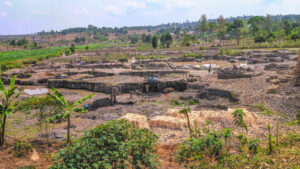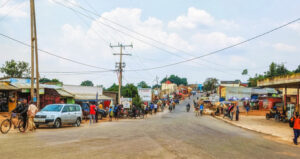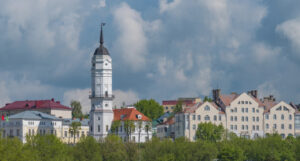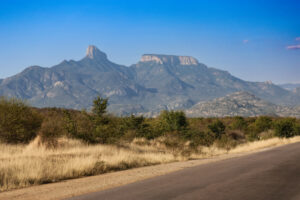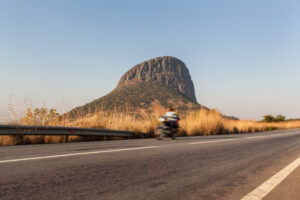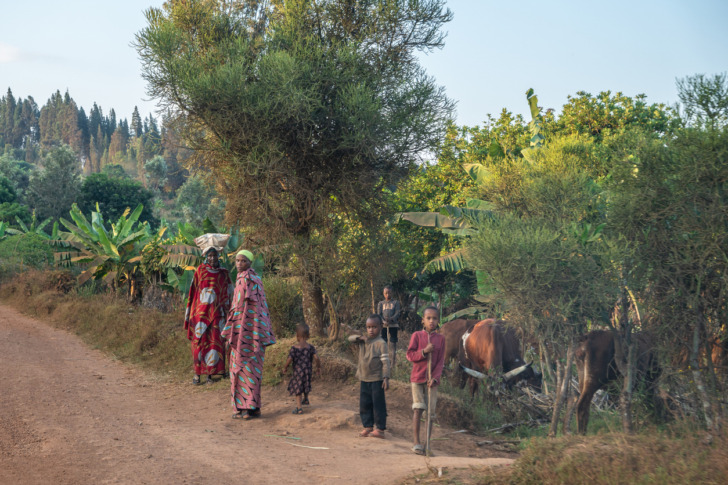
Ngozi is one of Burundi’s most important northern cities, set in the country’s green highlands among rolling farmland, tea-growing areas, banana plantations, and densely populated rural communities.
The city is a regional administrative, commercial, educational, and religious center, with markets, churches, local restaurants, banks, and the University of Ngozi.
Its elevated location gives it a noticeably milder climate than low-lying Bujumbura.
Ngozi receives relatively few international leisure travelers, so visitors should expect limited tourism infrastructure and a more locally focused atmosphere.
The city itself can feel calm, but Burundi’s wider security environment requires substantial caution.
Crime, political sensitivity, unreliable road transportation, checkpoints, malaria, limited healthcare, and the possibility of sudden unrest are more important concerns than conventional tourist scams.
Warnings & Dangers in Ngozi

OVERALL RISK: HIGH
Ngozi has a high overall travel risk because of Burundi’s broader political, security, crime, and healthcare situation. The city is away from some of the country’s most sensitive western border areas, but travelers still face armed robbery, political instability, checkpoints, poor emergency response, road accidents, and limited medical facilities.

TRANSPORT & TAXIS RISK: HIGH
Road travel is one of the biggest concerns. Driving standards can be poor, vehicles may be badly maintained, and roads outside major centers are sometimes damaged by heavy rain or landslides. Avoid traveling between towns after dark. Use a reliable private driver rather than depending on motorcycle taxis or crowded minibuses.

PICKPOCKETS RISK: MEDIUM
Pickpocketing, bag theft, and opportunistic crime can occur in markets, transport areas, busy commercial streets, and crowded events. Keep phones, wallets, cameras, and documents concealed. Carry only the cash you expect to use and avoid displaying expensive electronics unnecessarily.

NATURAL DISASTERS RISK: MEDIUM
Ngozi can experience intense rainfall, thunderstorms, flooding, landslides, and occasional earthquakes. The rainy season can damage rural roads and make journeys significantly slower. Because the city is at higher elevation, nights can also become surprisingly cool compared with much of tropical East Africa.

MUGGING RISK: HIGH
Armed robbery and violent theft are significant concerns in Burundi. Avoid walking alone after dark, even when streets appear quiet. Keep vehicle doors locked and windows closed in traffic. If confronted by an armed robber, do not resist or argue over belongings.

TERRORISM RISK: MEDIUM
Terrorist or politically motivated violence cannot be completely ruled out in Burundi. Ngozi is not one of the country’s most obvious targets, but attacks involving grenades or firearms have occurred elsewhere. Avoid large crowds, security facilities, political gatherings, and unusual concentrations of police or military personnel.

SCAMS RISK: MEDIUM
Ngozi does not have a large tourism industry, so elaborate tourist scams are uncommon. More realistic problems include inflated transportation prices, unofficial money changing, fake assistance, and questionable accommodation arrangements. Confirm prices before accepting services and exchange money through established businesses.

WOMEN TRAVELERS RISK: HIGH
Women can visit Ngozi, but solo travel requires additional caution. Avoid walking alone after dark, arrange reliable transportation, choose secure accommodation, and dress relatively conservatively. Women traveling independently in rural areas should strongly consider using a local driver or trusted guide.

TAP WATER RISK: HIGH
Do not depend on untreated tap water for drinking. Use sealed bottled water or properly boiled or filtered water. Avoid questionable ice and raw foods washed in untreated water. Gastrointestinal illness combined with limited medical care can quickly become a serious travel problem.
Safest Places to Visit in Ngozi
Central Ngozi
The central commercial area is the easiest part of the city for visitors to navigate.
Banks, shops, restaurants, churches, offices, and other businesses create regular daytime activity.
Complete most errands during daylight and avoid carrying large amounts of cash between locations.
Ngozi Cathedral
The city’s large cathedral is one of its recognizable landmarks and an important community institution.
Religious sites are generally peaceful places to visit when services or events permit.
Dress respectfully, remain quiet during worship, and ask before photographing people or ceremonies.
University of Ngozi Area
The university contributes to Ngozi’s role as an educational center and brings students, businesses, and everyday activity to the surrounding area.
Visitors with academic or professional reasons to enter the campus should arrange access beforehand rather than wandering into administrative buildings unannounced.
Local Markets
Ngozi’s markets offer produce, household goods, clothing, and a glimpse of everyday life in northern Burundi.
Visit during daylight, carry small amounts of cash, keep your belongings close, and watch carefully for motorcycles moving through crowded areas.
Countryside With a Trusted Guide or Driver
The hills surrounding Ngozi are among the most attractive parts of northern Burundi, with intensely cultivated landscapes and small communities.
Rural exploration is safest when organized with someone who understands local roads, security conditions, and community expectations.
Places to Avoid in Ngozi
Ngozi does not have conventional tourist no-go neighborhoods, but travelers should avoid situations involving political activity, nighttime travel, insecure transportation, and remote roads.
Roads Outside Ngozi After Dark
Avoid intercity driving at night.
Roads can contain pedestrians, bicycles, motorcycles, animals, damaged pavement, stalled vehicles, and checkpoints that are difficult to see.
Security incidents are also much harder to manage after dark.
Political Gatherings
Do not attend demonstrations, political rallies, campaign activities, or public arguments involving government issues.
Political topics can be sensitive in Burundi, and gatherings may attract security forces or change atmosphere quickly.
Military and Police Facilities
Avoid photographing military personnel, police officers, checkpoints, government security buildings, or military vehicles.
Keep your phone or camera put away when passing sensitive infrastructure unless you know photography is permitted.
Remote Border Routes
Ngozi is in northern Burundi, relatively close to Rwanda.
Border arrangements and regional political relationships can change.
Do not make spontaneous trips toward border areas without confirming current conditions locally.
Isolated Streets at Night
Even if central Ngozi feels calm during the day, streets become much quieter after businesses close.
Use arranged transportation rather than walking long distances through dark residential or commercial areas.
Safety Tips for Traveling to Ngozi
- Use a reliable private driver. Transportation is one of the most important parts of traveling safely in Burundi. Arrange a driver through an established hotel, organization, employer, or trusted local contact. Avoid unfamiliar vehicles or drivers offering unexpectedly cheap transportation.
- Finish road journeys before sunset. Plan trips between Bujumbura, Ngozi, Gitega, Kayanza, and other towns so you arrive while there is still daylight. Night driving combines poor visibility, unpredictable traffic, road damage, security concerns, and limited emergency assistance.
- Take malaria prevention seriously. Malaria occurs throughout Burundi. Speak with a healthcare professional before travel about preventive medication. Use mosquito repellent, wear long clothing in the evening, and sleep under an effective mosquito net or in screened accommodation.
- Carry proof of yellow fever vaccination. Burundi requires arriving travelers to have appropriate yellow fever vaccination documentation. Keep your vaccination certificate with your passport and travel papers so it is readily available during immigration procedures.
- Avoid political discussions in public. Do not assume that political conversation is harmless simply because someone else begins it. Avoid criticizing political leaders, discussing opposition movements, or debating sensitive ethnic and historical issues with strangers.
- Keep your valuables discreet. Phones, cameras, watches, jewelry, and cash can attract unwanted attention. Use your phone when needed rather than carrying it visibly in your hand while walking. Keep backup money and important documents in a separate secure location.
- Choose secure accommodation. Look for accommodation with controlled entrances, reliable locks, secure parking, backup electricity, and staff who understand current local security conditions. Ask staff before making long road trips because conditions can change faster than online information.
- Carry enough safe water and food. Long road journeys may be delayed by weather, vehicle trouble, checkpoints, or fuel shortages. Keep bottled water, snacks, medication, and basic emergency supplies available rather than assuming everything can be purchased along the route.
- Avoid motorcycle taxis whenever possible. Motorcycle taxis are common and convenient, but road accidents are a significant risk. Helmets may be poor quality or unavailable, and drivers may travel aggressively. A reliable car and driver is much safer for visitors unfamiliar with local traffic.
- Have a medical evacuation plan. Advanced medical care is limited. Serious trauma, complicated illness, or other emergencies may require evacuation outside Burundi. Carry adequate insurance, prescription medication, copies of important medical information, and enough money or credit for unexpected arrangements.
So... How Safe Is Ngozi Really?
Ngozi is a good example of why travel safety cannot be judged solely by how a city feels while walking through its center.
On an ordinary day, the city may appear calm.
People shop in markets, students attend university, motorcycles move through town, churches hold services, and businesses operate normally.
A visitor could easily spend several days there without personally encountering crime or unrest.
The larger problem is Burundi’s national environment.
Armed robbery, political tension, checkpoints, limited police capacity, unreliable roads, and weak healthcare systems create risks that may not be immediately visible.
Ngozi is geographically better positioned than areas close to Burundi’s unstable western border with the Democratic Republic of the Congo.
However, getting to Ngozi usually involves a substantial road journey, and transportation itself introduces risk.
Health also deserves serious preparation.
Malaria is widespread, safe drinking water cannot always be assumed, and advanced treatment may be difficult to obtain quickly.
Overall, I rate Ngozi as high risk.
That does not mean visitors should expect constant danger in the streets.
It means the consequences of something going wrong can be significantly greater than in a conventional tourist destination.
Daylight travel, secure accommodation, trusted transportation, health preparation, and a low-profile approach make an enormous difference.
How Does Ngozi Compare?
| City | Safety Index |
|---|---|
 Ngozi Ngozi |
60 |
| Bujumbura |
52 |
| Gitega |
58 |
 Skokie Skokie | 88 |
 Windsor Windsor | 81 |
 Edinburgh Edinburgh | 75 |
 Leticia Leticia | 70 |
| Bethel | 88 |
| Snoqualmie | 78 |
Useful Information

Visas
Foreign visitors generally need a visa to enter Burundi. Travelers normally complete the required application before departure and receive the visa during arrival procedures. Requirements and fees can change, so confirm the rules applying to your nationality before traveling. Yellow fever vaccination documentation is also required for entry.

Currency
Ngozi uses the Burundian franc, abbreviated BIF. Burundi remains heavily cash-oriented, particularly outside Bujumbura. Carry enough local currency for everyday expenses but divide it between secure locations. Card acceptance and ATM reliability can be limited, so do not depend entirely on electronic payments.

Weather
Ngozi has a mild tropical highland climate because of its elevation. Daytime temperatures are generally comfortable compared with lower parts of Burundi, while evenings can feel cool. Rainfall is substantial during the wetter months, and heavy storms may cause flooding, landslides, and road disruption.

Airports
Ngozi does not have a major commercial international airport. International travelers normally arrive through Melchior Ndadaye International Airport in Bujumbura and continue north by road. The journey can take several hours depending on traffic, weather, checkpoints, fuel availability, and road conditions.

Travel Insurance
Comprehensive travel insurance is essential for Burundi. Check carefully that your policy remains valid for the country and covers medical evacuation, hospitalization, road accidents, theft, political disruption, and emergency repatriation. Because advanced medical services are limited, medical evacuation coverage is particularly important.
Ngozi Weather Averages (Temperatures)
Average High/Low Temperature
| Temperature / Month | Jan | Feb | Mar | Apr | May | Jun | Jul | Aug | Sep | Oct | Nov | Dec |
|---|---|---|---|---|---|---|---|---|---|---|---|---|
| High °C |
26 | 27 | 27 | 26 | 25 | 25 | 25 | 26 | 27 | 27 | 26 | 26 |
| Low °C |
14 | 14 | 15 | 15 | 14 | 13 | 13 | 14 | 16 | 16 | 15 | 14 |
| High °F |
79 | 81 | 81 | 79 | 77 | 77 | 77 | 79 | 81 | 81 | 79 | 79 |
| Low °F |
57 | 57 | 59 | 59 | 57 | 55 | 55 | 57 | 61 | 61 | 59 | 57 |
Burundi - Safety by City
| City | Safety Index |
|---|---|
| Bujumbura | 52 |
| Gitega | 58 |
| Ngozi | 60 |