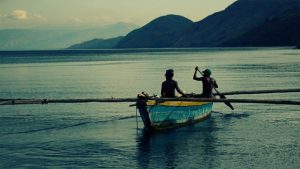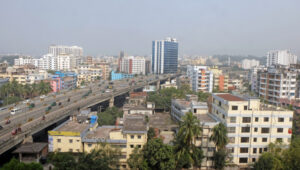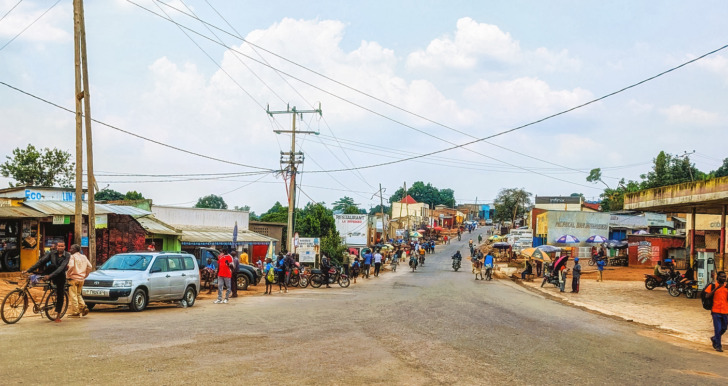
Bujumbura sits on the northeastern shore of Lake Tanganyika, backed by green mountains and surrounded by some of Central Africa’s most dramatic scenery.
Although Gitega is now Burundi’s political capital, Bujumbura remains the country’s largest city, principal economic center, main international gateway, and the place where most foreign visitors begin their trip.
Lakefront restaurants, beaches, markets, colonial-era neighborhoods, museums, and views toward the Democratic Republic of the Congo give the city plenty of appeal.
Unfortunately, Bujumbura also requires considerably more caution than many African capitals.
Violent crime, political tension, terrorism concerns, poor road safety, limited emergency services, malaria, flooding, and instability near the DRC border all affect the current safety picture.
Several governments currently recommend reconsidering travel to Burundi, while specific areas around Bujumbura carry stronger warnings.
Warnings & Dangers in Bujumbura

OVERALL RISK: HIGH
Bujumbura deserves a high overall risk rating under current conditions. Armed robbery, carjacking, assault, political violence, terrorism concerns, and limited emergency response all need to be considered. Some specific areas near the city and DRC border are subject to stronger travel warnings.

TRANSPORT & TAXIS RISK: HIGH
Road safety is poor, vehicles may be badly maintained, and public transportation is not ideal for unfamiliar visitors. Security concerns also increase sharply after dark. Arrange drivers through a reliable hotel or organization, keep doors locked, and avoid unnecessary road travel outside Bujumbura at night. Fuel shortages can also disrupt transportation.

PICKPOCKETS RISK: MEDIUM
Pickpocketing and bag theft occur around markets, transport areas, crowded commercial streets, and busy public spaces. Carry limited cash, keep phones out of sight when possible, and avoid standing in crowded areas while visibly checking money or expensive electronics.

NATURAL DISASTERS RISK: MEDIUM
Bujumbura can experience heavy rain, flash flooding, landslides, severe thunderstorms, and earthquakes. Flooding is particularly important during the long rainy season and can damage roads or disrupt essential services. Never walk or drive into floodwater because drainage channels and road damage may be hidden underneath.

MUGGING RISK: HIGH
Armed robbery, carjacking, and attacks involving knives or firearms are genuine concerns. Foreign visitors may be perceived as carrying cash or expensive electronics. Avoid walking after dark, including through central areas, and never physically resist someone threatening you with a weapon.

TERRORISM RISK: HIGH
Terrorist attacks cannot be ruled out, and places frequented by foreigners may be potential targets. Hotels, restaurants, bars, markets, places of worship, transportation facilities, government buildings, and public events all require heightened awareness. Burundi has also experienced grenade attacks in crowded urban areas.

SCAMS RISK: MEDIUM
Conventional tourism scams are less important than crime and security, but travelers may encounter inflated taxi charges, unofficial guides, money-changing schemes, or people offering unnecessary assistance. Arrange services through established businesses and avoid handing passports, money, or bags to strangers.

WOMEN TRAVELERS RISK: HIGH
Women can visit Bujumbura, but solo travel requires significant caution because of the broader crime and security environment. Avoid walking alone after dark, use secure transportation, stay in well-protected accommodation, watch drinks closely, and avoid isolated beaches or nightlife areas without trusted companions.

TAP WATER RISK: HIGH
Do not drink untreated tap water in Bujumbura. Use sealed bottled water or water that has been properly boiled, filtered, and disinfected. Be cautious with ice, raw vegetables, street drinks, and pre-cut fruit. Gastrointestinal illness can become much more serious when local medical facilities are limited.
Safest Places to Visit in Bujumbura
Safety in Bujumbura is relative.
Even the better-known visitor areas require more awareness than comparable attractions in lower-risk destinations.
Monument de l’Unité
The Unity Monument sits above Bujumbura and offers broad views across the city and toward Lake Tanganyika.
It is one of the more straightforward cultural stops when visited during daylight with reliable transportation.
Do not remain in isolated surrounding areas after dark, and follow any instructions from security personnel.
Musée Vivant
The Musée Vivant has traditionally been one of Bujumbura’s best-known visitor attractions, combining cultural displays with information about Burundi’s wildlife.
Visit during normal daytime hours and arrange transportation to and from the site rather than walking through unfamiliar surrounding streets.
Established Lakefront Hotels
Large established hotels along the lakefront tend to have better controlled entrances, security staff, parking, restaurants, and transportation assistance than casual public areas.
They can provide relatively secure places to enjoy views over Lake Tanganyika, especially for business travelers and visitors who need a reliable base.
Central Commercial Areas During Daylight
Busy central streets can be manageable when shops, offices, banks, and restaurants are active.
Keep phones and cameras discreet and move with purpose.
Avoid withdrawing or exchanging large amounts of money in public, especially after dark.
Livingstone-Stanley Monument as a Planned Excursion
The Livingstone-Stanley Monument south of Bujumbura is historically associated with the meeting of explorers David Livingstone and Henry Morton Stanley.
Treat it as a planned daytime excursion rather than an improvised trip.
Use a trusted driver and obtain current local security information before leaving the city.
Places to Avoid in Bujumbura
Former Central Market and Bus Station Area
The former Central Market area on Chaussée Prince Louis Rwagasore deserves particular caution because of violent crime and past grenade attacks.
U.S. guidance lists the former Central Market as an area not to visit, while UK advice specifically warns about the market and nearby bus station.
RN5 North of the Airport Toward Cibitoke
Parts of the RN5 corridor north of Melchior Ndadaye International Airport are currently subject to strong warnings because of possible armed incursions from the DRC and rebel activity.
Do not treat this as an ordinary sightseeing route simply because it begins near Bujumbura.
Rusizi National Park and Western Border Areas
The Rusizi area may look tempting to wildlife travelers because of its wetlands, hippos, birds, and proximity to the city.
Current UK guidance advises against travel to sections west of the Rusizi River toward the DRC border, including Rusizi National Park, because of possible armed incursions.
Lakefront Areas After Dark
Lake Tanganyika is one of Bujumbura’s greatest attractions, but isolated beaches and waterfront roads become significantly less comfortable at night.
Use secure resort facilities and reliable transportation rather than walking along empty shoreline areas after dinner.
Demonstrations and Political Gatherings
Avoid protests, rallies, large political crowds, police activity, and spontaneous gatherings.
Political tensions can produce sudden violence, and clashes between security forces and civilians have occurred.
Leave immediately if businesses begin closing, police establish barriers, or crowds begin forming.
Safety Tips for Traveling to Bujumbura
- Use secure transportation after dark. Do not make ordinary nighttime walking part of your itinerary. Arrange a trusted driver through your hotel, employer, embassy contact, or established local organization. Keep vehicle doors locked and windows closed, particularly when stopped in traffic.
- Stay in accommodation with serious security. Choose hotels with controlled entrances, security guards, secure parking, dependable generators, communication systems, and staff accustomed to international guests. The cheapest accommodation is not necessarily good value when personal security and emergency assistance matter this much.
- Avoid border areas. Bujumbura lies surprisingly close to the DRC, where armed conflict remains ongoing. Do not casually travel toward the western border, Cibitoke, Bubanza, or Kibira National Park. Security conditions can change rapidly and cross-border armed activity has affected Burundi.
- Carry very little visible wealth. Avoid expensive watches, jewelry, obvious camera equipment, and large amounts of cash. Keep your phone out of sight when standing beside roads or walking through crowded areas. Store your passport, backup card, and emergency money securely at your accommodation.
- Take malaria prevention seriously. Malaria is a significant health risk in Burundi. Discuss preventive medication with a travel-health professional before departure, use insect repellent, wear longer clothing after sunset, and sleep in screened or air-conditioned rooms. Fever during or after travel requires prompt medical attention.
- Avoid all large demonstrations. Do not stop to watch protests, political marches, roadblocks, or confrontations involving police. Even peaceful gatherings can change quickly. If you unexpectedly encounter one, turn around and leave the area rather than trying to photograph it.
- Prepare for fuel shortages. Fuel shortages can affect taxis, private vehicles, airport transfers, generators, and longer-distance travel. If you are traveling for essential reasons, confirm transportation before leaving your hotel and avoid planning trips that depend on finding fuel unexpectedly along the route.
- Do not depend on emergency services. Emergency response can be unreliable. The general emergency number in Bujumbura is 112, while the Red Cross can be contacted on 109, but response capacity is limited. Carry insurance information, medication, emergency cash, and contact details for your accommodation or host.
- Be careful around Lake Tanganyika. Lake Tanganyika may look calm, but strong winds, waves, deep water, wildlife, and limited rescue services create risks. Swim only at established facilities that local staff consider safe. Avoid remote shoreline areas and never assume an empty beach is automatically suitable for swimming.
- Have medical evacuation insurance. Burundi’s healthcare system has significant limitations, especially for serious trauma or complicated illness. A relatively minor problem may require evacuation to another country for appropriate treatment. Insurance should explicitly cover medical evacuation from Burundi rather than simply routine overseas medical bills.
So... How Safe Is Bujumbura Really?
Bujumbura is one of those cities where the tourism potential and the current security picture point in very different directions.
The setting is extraordinary.
Lake Tanganyika stretches toward the horizon, mountains rise behind the city, and Burundi has a culture and landscape that very few international travelers ever experience.
Under more stable conditions, Bujumbura could be an interesting starting point for exploring one of Africa’s least visited countries.
At present, however, travelers need to take the risks seriously.
Violent crime includes armed robbery, carjacking, burglary, and assault.
Political tension can generate demonstrations and sporadic violence.
Terrorist attacks cannot be ruled out, and grenade attacks have occurred in Bujumbura.
Security conditions near the DRC border are particularly concerning because of armed conflict and rebel movements across the wider region.
Medical limitations add another layer of risk.
Malaria is common, emergency services are weak, and serious injuries may require international evacuation.
My assessment is that Bujumbura deserves a high overall risk rating under current conditions.
This does not mean every visitor will encounter danger, and many residents go about their lives normally every day.
It means that the consequences of something going wrong can be substantial, while the tools available to travelers for responding are limited.
Anyone traveling for essential work should use secure accommodation, professional drivers, current local security information, medical evacuation coverage, and a flexible emergency plan.
How Does Bujumbura Compare?
| City | Safety Index |
|---|---|
 Bujumbura Bujumbura |
52 |
 Luang Prabang Luang Prabang | 75 |
 Jwaneng Jwaneng | 82 |
 Fort Davis Fort Davis | 80 |
 Manzanillo Manzanillo | 65 |
| Deadwood | 80 |
 Nagasaki Nagasaki | 96 |
Useful Information

Visas
Most foreign visitors need a visa for Burundi. Travelers are generally expected to complete an online application before arrival and receive a validation certificate, with the visa issued on arrival. A one-month visa currently costs US$90, and a yellow fever vaccination certificate is required for entry.

Currency
Bujumbura uses the Burundian franc. Cash is important because card acceptance is limited outside larger hotels and businesses. U.S. dollars may be useful for certain travel expenses, but notes should be in good condition. Withdraw or exchange money during daylight and avoid carrying large sums openly.

Weather
Bujumbura has a hot tropical climate moderated slightly by Lake Tanganyika. The wetter period extends through much of October to May, bringing thunderstorms and a greater risk of flooding. Temperatures remain warm throughout the year. Pack lightweight clothing, strong insect repellent, sunscreen, rain protection, and reliable footwear.

Airports
Melchior Ndadaye International Airport is Burundi’s only international airport and lies a short drive northwest of central Bujumbura. Arrange airport transportation before arrival. Alternative overland exit options are currently limited because the Rwanda land border remains closed and the security situation toward the DRC is unstable.

Travel Insurance
Travel insurance is essential rather than optional for Bujumbura. Confirm that the policy covers Burundi specifically, as well as medical evacuation, political unrest, terrorism-related disruption, robbery, cancellation, and emergency transportation. Read exclusions carefully because policies can restrict coverage in destinations subject to elevated government travel warnings.
Bujumbura Weather Averages (Temperatures)
Average High/Low Temperature
| Temperature / Month | Jan | Feb | Mar | Apr | May | Jun | Jul | Aug | Sep | Oct | Nov | Dec |
|---|---|---|---|---|---|---|---|---|---|---|---|---|
| High °C |
30 | 30 | 29 | 28 | 29 | 29 | 29 | 30 | 31 | 30 | 29 | 29 |
| Low °C |
19 | 20 | 19 | 19 | 18 | 17 | 17 | 18 | 19 | 19 | 19 | 19 |
| High °F |
86 | 86 | 84 | 82 | 84 | 84 | 84 | 86 | 88 | 86 | 84 | 84 |
| Low °F |
66 | 68 | 66 | 66 | 64 | 63 | 63 | 64 | 66 | 66 | 66 | 66 |
Burundi - Safety by City
| City | Safety Index |
|---|---|
| Bujumbura | 52 |