 Bulgaria : Safety by City
Bulgaria - safety as a country
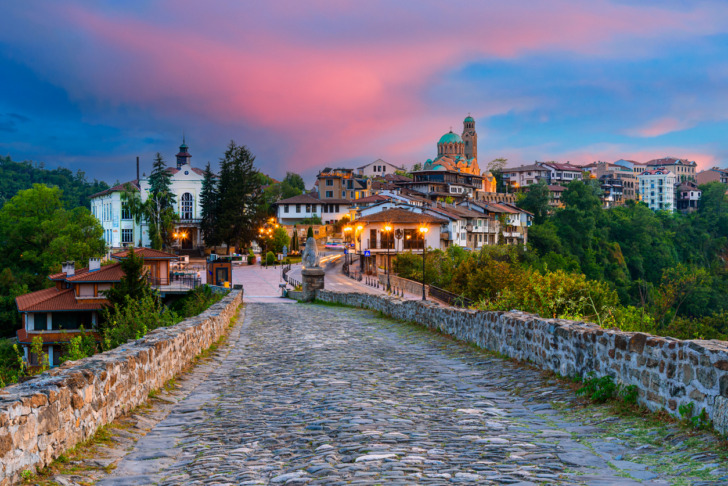
Veliko Tarnovo is one of Bulgaria’s most atmospheric cities, built dramatically across steep hills above the Yantra River.
Once the medieval capital of the Second Bulgarian Empire, it is best known for Tsarevets Fortress, winding cobbled streets, traditional houses clinging to hillsides, Orthodox churches, museums, and sweeping viewpoints over the river valley.
The city has a large student population thanks to Veliko Tarnovo University, which adds cafes, bars, and nightlife to what might otherwise feel like a historic open-air museum.
For travelers, Veliko Tarnovo is generally very safe.
Violent crime is uncommon, the historic center is comfortable to explore, and serious tourist-targeted scams are rare.
The more realistic dangers are slippery streets, steep stairways, careless driving, petty theft, summer heat, winter ice, and the occasional risks associated with earthquakes and severe storms.
Warnings & Dangers in Veliko Tarnovo

OVERALL RISK: LOW
Veliko Tarnovo is a low-risk destination for most visitors. Serious violence involving tourists is uncommon, central streets are generally safe, and the city has no major tourist no-go districts. Petty theft, nightlife incidents, road accidents, and falls on steep streets are more realistic concerns.

TRANSPORT & TAXIS RISK: LOW
Taxis, buses, and intercity transportation are generally safe. The main issue is road behavior, particularly on narrow streets and winding approaches to the city. Use licensed taxis, confirm fares when necessary, and be careful around traffic because sidewalks can become narrow or disappear on older streets.

PICKPOCKETS RISK: LOW
Pickpocketing is possible but not a major problem. Busy pedestrian streets, bus stations, festivals, markets, and crowded attractions create the greatest opportunities. Keep wallets and phones secured, particularly when visiting Tsarevets during major events or moving through transportation areas with luggage.

NATURAL DISASTERS RISK: MEDIUM
Veliko Tarnovo can experience earthquakes, thunderstorms, flash flooding, heatwaves, snow, and winter ice. The hilly terrain makes icy streets and heavy rain particularly troublesome. Severe natural disasters are uncommon, but weather can make walking and driving significantly more difficult.

MUGGING RISK: LOW
Muggings are uncommon, especially around the historic center. The risk increases slightly in isolated parks, quiet side streets, and poorly lit areas after midnight. Avoid displaying expensive jewelry or large amounts of cash and use a taxi if your accommodation is far from the center.

TERRORISM RISK: LOW
Veliko Tarnovo has a low terrorism risk. Bulgaria is not considered a major terrorism hotspot, although no European destination can be treated as completely risk-free. Ordinary awareness at major attractions, transportation hubs, religious sites, and large public events is sufficient.

SCAMS RISK: LOW
Scams are generally minor. Visitors may encounter poor exchange rates, overpriced taxis, questionable accommodation listings, or inflated prices in heavily tourist-oriented businesses. Use established booking platforms, licensed taxis, and reputable currency exchange offices.

WOMEN TRAVELERS RISK: LOW
Veliko Tarnovo is generally safe for women traveling alone. Central streets, restaurants, cafes, and major attractions remain comfortable throughout the day and evening. Women should still watch drinks, avoid isolated areas after dark, and use trusted transportation after late nightlife.

TAP WATER RISK: LOW
Tap water in Veliko Tarnovo is generally safe to drink. Most visitors can use it normally for drinking, brushing teeth, and cooking. Bottled water remains inexpensive and widely available for travelers who prefer it or dislike the local taste.
Safest Places to Visit in Veliko Tarnovo
Tsarevets Fortress
Tsarevets is the city’s most famous attraction and one of the safest places to visit during normal opening hours.
The medieval fortress spreads across a large hill with walls, towers, ruins, viewpoints, and the Patriarchal Church at the summit.
Crime is not the main concern here.
Uneven stone, stairs, steep slopes, and hot weather deserve more attention.
Wear proper shoes and stay behind barriers near drop-offs.
Samovodska Charshiya
This historic craft street is one of the most pleasant parts of Veliko Tarnovo, filled with workshops, cafes, traditional architecture, souvenirs, and restaurants.
It is generally safe throughout the day and early evening.
Keep valuables secure when crowds gather, particularly during festivals and weekends.
Gurko Street
Gurko Street winds through one of the city’s most photogenic historic neighborhoods, with traditional houses overlooking the Yantra River.
It is safe to explore during daylight, but the steep cobblestones can be slippery after rain or snow.
Wear shoes with good grip and take your time on descents.
Asen’s Monument Area
The large Asen Dynasty Monument sits beside the river and offers excellent views toward the historic hills.
The surrounding pedestrian areas are generally comfortable during daylight and early evening.
Avoid climbing onto structures or venturing onto unstable riverbanks for photographs.
Trapezitsa
Trapezitsa is another important medieval hill containing archaeological remains and reconstructed fortifications.
It is quieter than Tsarevets but still well established for visitors.
Stay on official paths and allow enough time to return before closing or darkness.
Places to Avoid in Veliko Tarnovo
Steep Old Town Streets During Ice
Veliko Tarnovo’s historic streets are beautiful but can become extremely slippery in freezing weather.
Avoid steep shortcuts when ice is present and choose cleared main roads instead.
A short taxi ride may be much safer than attempting a difficult downhill walk.
Bus Station Surroundings Late at Night
The city’s bus stations are generally safe but become less comfortable once services slow down.
Travelers arriving late with luggage should arrange a taxi or walk directly to nearby accommodation rather than wandering around unfamiliar streets.
Isolated Riverbanks After Dark
The Yantra River valley contains attractive viewpoints and walking areas, but some sections become deserted at night.
Poor lighting, steep slopes, uneven ground, and proximity to water make these areas unnecessary places for late-night exploration.
Remote Hill Paths Near Sunset
Some informal routes around the hills offer excellent views but become difficult to navigate once daylight disappears.
Stick to established tourist paths and return before dark, particularly if you are unfamiliar with the terrain.
Demonstrations
Political demonstrations in Bulgaria are usually peaceful, but visitors have little reason to become involved.
Avoid crowds gathering around government buildings or major intersections if police are present or roads are being blocked.
Safety Tips for Traveling to Veliko Tarnovo
- Wear shoes with good grip. This is one of the most useful safety tips in Veliko Tarnovo. The city is steep, and many historic streets are paved with stone or uneven cobblestones. Rain, snow, or ice can make them slippery. Comfortable walking shoes matter far more here than fashionable footwear.
- Take your time at Tsarevets. The fortress involves substantial walking, stairs, exposed stone, and steep slopes. Do not rush between viewpoints, especially in summer heat. Carry water, wear sunscreen, and stay behind barriers near walls and cliffs.
- Use licensed taxis. Ask your hotel or restaurant to call a trusted taxi when possible. Make sure the vehicle has proper markings and a visible meter. Veliko Tarnovo is compact, so legitimate fares within the city should usually remain reasonable.
- Watch traffic on narrow streets. Historic parts of the city were not designed for modern vehicles. Cars may pass surprisingly close to pedestrians, and sidewalks can become narrow. Stay alert around bends and never assume a driver has seen you.
- Protect valuables in crowded areas. Pickpocketing is not a major problem, but festivals, tourist attractions, bus stations, and busy pedestrian streets create opportunities. Keep phones, wallets, and passports in secure compartments rather than open pockets.
- Prepare for summer heat. July and August can become very hot, especially when climbing Tsarevets or walking between hills. Carry water, use sunscreen, wear a hat, and take breaks in the shade. Schedule the steepest sightseeing for the morning when possible.
- Be cautious with alcohol on steep streets. Veliko Tarnovo has a lively student nightlife scene. Walking downhill over cobblestones after several drinks is a much more realistic hazard than serious crime. Use a taxi if your accommodation requires a long or steep walk after a night out.
- Keep emergency information saved. The European emergency number 112 works in Bulgaria for police, ambulance, and fire services. Keep your accommodation address, insurance details, and important document copies saved on your phone.
- Avoid abandoned buildings. Old structures can look interesting, but unstable floors, damaged stairs, falling masonry, and exposed electrical wiring make abandoned buildings poor places to explore. Stick to museums, archaeological sites, and officially accessible ruins.
- Leave extra time for onward travel. Mountain roads, winter weather, construction, and bus delays can slow journeys. Avoid planning an extremely tight connection between Veliko Tarnovo and an international flight. Build a generous margin into travel days.
So... How Safe Is Veliko Tarnovo Really?
Veliko Tarnovo is one of Bulgaria’s safer and more relaxed destinations.
The historic center is compact, heavily visited, and generally comfortable for travelers from morning until late evening.
Serious violent crime against tourists is unusual, and there are no well-known central districts that visitors need to avoid.
Petty theft is possible, particularly around transport hubs and crowded events, but it is not on the scale found in some larger European capitals.
The city’s geography creates more practical concerns.
Veliko Tarnovo is built on steep hills, and many streets involve cobblestones, stairways, and sharp elevation changes.
Falls and minor injuries are much more plausible than violent street crime, particularly during rain, snow, or winter ice.
Traffic also deserves attention because narrow roads and old street layouts can put vehicles close to pedestrians.
Natural hazards are moderate rather than severe.
Bulgaria is earthquake-prone, and storms, heatwaves, snow, and temporary flooding can all affect travel, but serious events remain uncommon.
My assessment is that Veliko Tarnovo deserves a low overall risk rating.
Solo travelers, women traveling alone, families, couples, and older visitors can generally explore comfortably.
Wear proper shoes, watch traffic, secure your valuables, and take your time on the hills.
How Does Veliko Tarnovo Compare?
| City | Safety Index |
|---|---|
| Veliko Tarnovo |
91 |
| Plovdiv |
88 |
| Bansko |
89 |
| Burgas |
86 |
| Nessebar |
90 |
| Varna |
84 |
| Sofia |
70 |
 Ghardaia Ghardaia | 48 |
 Baltimore Baltimore | 56 |
 Sidi Bou Said Sidi Bou Said | 42 |
 Sao Paulo Sao Paulo | 50 |
| Hammond | 57 |
| Davenport | 58 |
Useful Information

Visas
Bulgaria is part of the Schengen Area. Citizens of the United States, Canada, United Kingdom, Australia, and many other countries can generally visit visa-free for up to 90 days within any 180-day period. Travelers who require a Schengen visa should obtain one before arrival.

Currency
Bulgaria uses the Bulgarian lev. Cards and contactless payments are widely accepted in hotels, restaurants, supermarkets, and larger shops. Cash is still useful for small cafes, local markets, parking, and minor purchases. Use bank ATMs and reputable exchange offices.

Weather
Veliko Tarnovo has hot summers and cold winters. July and August can be very warm, while winter brings freezing temperatures, snow, and occasional icy streets. Spring and autumn are pleasant but can be rainy. Pack suitable layers, comfortable shoes, rain protection, and sunscreen.

Airports
Veliko Tarnovo does not have a major commercial passenger airport. Sofia Airport is the largest international gateway, while airports in Varna and Burgas may also be practical depending on your itinerary. Travelers generally reach the city by bus, train, rental car, or private transfer.

Travel Insurance
Travel insurance is recommended for Veliko Tarnovo, particularly if Bulgaria is part of a longer trip. Choose coverage for medical treatment, theft, cancellations, transportation delays, and lost luggage. Travelers planning hiking or winter activities elsewhere in Bulgaria should confirm those activities are covered.
Veliko Tarnovo Weather Averages (Temperatures)
Average High/Low Temperature
| Temperature / Month | Jan | Feb | Mar | Apr | May | Jun | Jul | Aug | Sep | Oct | Nov | Dec |
|---|---|---|---|---|---|---|---|---|---|---|---|---|
| High °C |
4 | 6 | 11 | 17 | 23 | 27 | 29 | 29 | 24 | 18 | 11 | 5 |
| Low °C |
-4 | -3 | 1 | 5 | 10 | 14 | 16 | 16 | 12 | 7 | 3 | -2 |
| High °F |
39 | 43 | 52 | 63 | 73 | 81 | 84 | 84 | 75 | 64 | 52 | 41 |
| Low °F |
25 | 27 | 34 | 41 | 50 | 57 | 61 | 61 | 54 | 45 | 37 | 28 |
Bulgaria - Safety by City
| City | Safety Index |
|---|---|
| Bansko | 89 |
| Burgas | 86 |
| Nessebar | 90 |
| Plovdiv | 88 |
| Sofia | 70 |
| Varna | 84 |
| Veliko Tarnovo | 91 |