


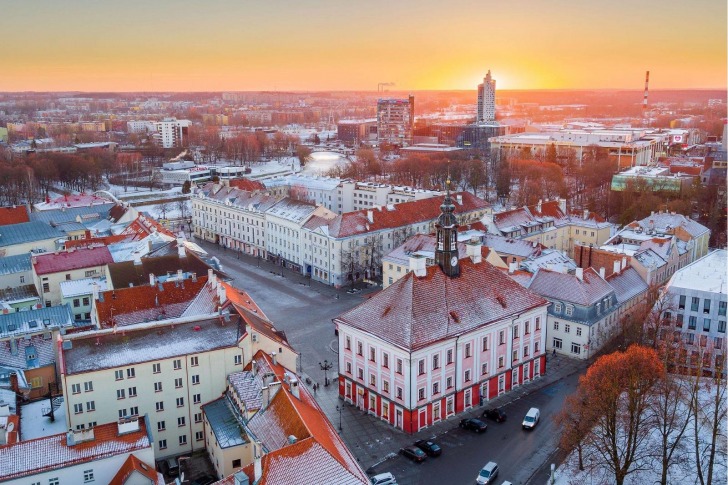
Tartu sits in southeastern Estonia along the Emajõgi River, about two and a half hours from Tallinn, and it feels very different from the packed, polished capitals most travelers know first.
This is Estonia’s classic university city, home to the University of Tartu, lively student energy, thoughtful museums, green hills, and a compact center that is easy to explore on foot.
What I like about Tartu is that it feels smart without being stiff and calm without being boring.
You can wander from elegant squares to bohemian wooden neighborhoods in a single afternoon.
For travelers who prefer culture, cafés, parks, and a lower-stress city break, Tartu is one of the easier places in Europe to enjoy.
Safety-wise, it is generally a comfortable destination, though summer crowds, nightlife, and ordinary petty theft still deserve attention.
Warnings & Dangers in Tartu

OVERALL RISK: LOW
Tartu is generally a low-risk destination for travelers. Estonia is widely regarded as a safe country, and crime risk is usually minimal to low, with normal precautions recommended. In Tartu, the main issues are not violent crime but petty theft in busier tourist areas, nightlife zones, and transport hubs, especially during the busier summer period.

TRANSPORT & TAXIS RISK: LOW
Transport risk in Tartu is low. The city’s public transport network is straightforward, bus-based, and easy to use, and the city center is compact enough that many visitors walk instead. Airport transfers are organized through the dedicated E1 airport shuttle. The main transport caution is the usual one: confirm your ride, keep an eye on bags, and avoid getting distracted in stations.

PICKPOCKETS RISK: LOW
Pickpocketing risk is low, but it is not zero. Petty crime and bag snatching can happen in Tartu during the summer season, when tourist traffic increases. Like in most European cities, pickpockets tend to target crowded public places, restaurants, stations, and areas where travelers are distracted rather than isolated dark streets.

NATURAL DISASTERS RISK: LOW
Natural disaster risk in Tartu is generally low for short-term visitors, though weather-related disruptions can happen. Estonia is not known for major earthquakes or extreme natural catastrophes, but flood risk exists in parts of the country, and storms, icy winter conditions, and seasonal flooding are the more realistic concerns. For travelers, this is usually more of a planning issue than a personal safety threat.

MUGGING RISK: LOW
Mugging risk in Tartu is low. Safety guidance for Estonia emphasizes petty theft more than violent street crime, and the broader security picture is reassuring. That said, alcohol-fueled arguments and isolated late-night situations can still create problems around bars or after events, so the sensible rule is to stay aware at night and avoid unnecessary confrontations.

TERRORISM RISK: LOW
The terrorism risk in Tartu is low. Estonia is generally considered a low-threat destination when it comes to terrorism, and there are no unusual concerns for most tourists on this front. As always, travelers should stay aware in public spaces, but terrorism is not one of the main practical risks for a visit here.

SCAMS RISK: LOW
Scam risk in Tartu is low compared with larger tourist capitals. You are far less likely to deal with aggressive tourist traps here than in heavily visited cities elsewhere in Europe. The more realistic issues are occasional overcharging by unofficial transport providers, fake booking problems, or distraction theft in busy places. Booking through reputable platforms and using common sense goes a long way.

WOMEN TRAVELERS RISK: LOW
Tartu is generally a comfortable destination for women travelers, including solo visitors. Estonia is considered one of the safer countries in Europe, and Tartu’s student-centered, walkable atmosphere helps. Still, the standard solo travel rules apply: watch your drink, use trusted transport late at night, and stay alert in nightlife areas. The city is usually calm, but caution never goes out of style.

TAP WATER RISK: LOW
Tap water risk is low in Tartu. Estonia is widely regarded as having safe drinking water, and in most cases bottled water is unnecessary. A reusable bottle makes more sense unless your accommodation specifically advises otherwise due to temporary building-related plumbing issues.
Safest Places to Visit in Tartu
Old Town
Tartu’s Old Town is the easiest place for most travelers to start.
Around Town Hall Square, the atmosphere is lively but not overwhelming, with cafés, university buildings, and a steady flow of locals and visitors.
It feels social and open rather than chaotic.
During the day and early evening, it is one of the most comfortable areas in the city for first-time visitors.
Toomemägi and the University Area
Toomemägi Hill and the nearby university quarter are excellent if you want a calm, scenic part of town.
The paths, green spaces, and historic academic buildings give this area a peaceful feel, and it is one of the best places for walking without the noise of nightlife.
It is especially good for travelers who like slow sightseeing and daytime wandering.
Supilinn
Supilinn is one of Tartu’s most charming districts, known for its wooden houses, greenery, and creative local feel.
It is not touristy in the exhausting sense, which actually helps from a safety perspective.
It feels residential, lived-in, and relaxed.
Travelers who enjoy photography, neighborhood walks, and a more local atmosphere will probably love it.
Riverfront and Central Cultural Spots
The areas around the Emajõgi River, central museums, and major cultural venues are generally comfortable and easy to navigate.
Tartu works best when explored slowly, and the main visitor zones are close together.
That means less time figuring out complicated transit and fewer chances to end up in the wrong place by accident.
Places to Avoid in Tartu
Late-Night Bar Zones After Closing Time
Tartu is not a city with famously dangerous neighborhoods in the way some larger destinations are, but the areas around bars and clubs can feel different very late at night.
This is where alcohol, noise, and poor decisions enter the picture.
I would not call these places no-go zones, but I would say they deserve more caution after midnight than they do during the day.
Crowded Tourist Pockets in Summer
The most likely trouble for visitors is not a rough district but a busy one.
Petty crime in Tartu tends to increase around tourist-heavy periods in summer.
That means crowded festival spaces, stations, buses, and restaurant areas are worth extra attention.
These are not areas to fear, but they are the places where distraction theft is most likely.
Isolated Routes at Night in Winter
Tartu is very walkable, but winter changes the feel of a city fast.
Darker streets, slippery conditions, and fewer people outside can make isolated routes less comfortable late at night.
Quiet riverside stretches or poorly lit side streets are fine by day, but I would rather stick to central, well-used routes if walking alone after dark in colder months.
Unofficial Ride Arrangements
This is less about a neighborhood and more about a bad travel habit.
Avoid accepting casual rides that are not clearly arranged through a trusted service or official transfer.
Tartu’s transport system is simple enough that there is no reason to improvise.
When in doubt, use official buses, prebooked transport, or a clearly identified taxi.
Safety Tips for Traveling to Tartu
- Keep your valuables close in busy places. Tartu is not a high-crime city, but summer crowds, stations, buses, and tourist-heavy areas can attract petty thieves. A zipped crossbody bag or inside jacket pocket works better than an open tote or backpack pocket.
- Stay extra alert during festivals and peak summer weekends. The city feels busier and more energetic then, which is great for atmosphere but better for pickpockets too. Crowds create exactly the kind of distraction opportunistic thieves like.
- Use official transport to and from the airport. The E1 airport shuttle makes arrivals simpler and removes guesswork. When you land somewhere unfamiliar, easy and official is usually safer than trying to improvise.
- Do not get too relaxed because the city feels calm. Tartu has an easygoing vibe, and that can trick travelers into leaving phones on tables or bags hanging off chairs. Low-risk does not mean no-risk.
- Be smart with nightlife. The biggest safety issues in cities like this often show up after drinks, not during museum visits. Watch your drink, keep your group loosely together, and do not walk off with strangers just because the atmosphere feels friendly.
- Dress for fast weather changes. Estonia’s weather can shift quickly, and cold rain or icy conditions can become more annoying than any criminal risk. Waterproof layers and sensible shoes are not glamorous, but they are useful.
- Choose central, well-reviewed accommodation. In a compact city, staying central means more foot traffic, easier navigation, and less dependence on late-night transport. It also cuts down on wandering through quiet areas when tired.
- Carry a charged phone and offline map. Tartu is easy to navigate, but this is still one of the simplest ways to avoid confusion after dark or in bad weather. It is a tiny habit with a big payoff.
- Drink the tap water, but use common sense in older buildings. Estonia’s tap water is generally safe, so there is little need to buy bottled water constantly. Still, if plumbing in a particular building looks questionable, ask your host first.
- Get insurance even for a low-risk city trip. Travel insurance matters for canceled connections, medical surprises, lost luggage, and winter slips just as much as for dramatic emergencies. Tartu is safe, but safe places are not immune to inconvenient travel problems.
So... How Safe Is Tartu Really?
Tartu is one of those destinations that tends to feel safer than many travelers expect.
Estonia’s overall travel safety profile is reassuring, with normal precautions usually being enough rather than anything more serious.
Crime in Estonia is more commonly described in terms of petty theft than violent incidents, and that pattern fits Tartu well.
The city’s biggest practical risks for visitors are the ordinary ones: distracted moments in crowded areas, late-night nightlife misjudgments, slippery winter conditions, and the occasional summer-season theft in places where tourists gather.
What makes Tartu feel especially manageable is its size.
The city center is compact, public transport is simple, and many of the most interesting sights are clustered in walkable, well-used areas.
That reduces the stress that often comes with navigating a larger city.
Add in good infrastructure, safe tap water, and a generally calm urban atmosphere, and it becomes a strong choice for solo travelers, couples, and anyone who wants culture without constant friction.
My honest take is this: Tartu is genuinely a low-risk destination, but it still rewards travelers who stay switched on.
Bring the same street sense you would bring anywhere in Europe, and odds are your biggest problem will be deciding which café to sit in next.
How Does Tartu Compare?
| City | Safety Index |
|---|---|
 Tartu Tartu |
85 |
| Tallinn |
85 |
 Kennebunkport Kennebunkport | 84 |
| Coos Bay | 52 |
 Split Split | 67 |
 Potosi Potosi | 69 |
 Lodz Lodz | 84 |
| Atchison | 86 |
Useful Information

Visas
Estonia is in the Schengen Area. Many travelers, including U.S. citizens, can visit visa-free for up to 90 days within a 180-day period, while travelers who need a short-stay Schengen visa should expect a standard application fee. It is smart to check the latest entry rules before travel, especially if you are coming from outside the EU.

Currency
Tartu uses the euro. For most travelers, the easiest approach is to pay by card, since Estonia is very card-friendly. Exchange a small amount of cash only if you want backup for minor purchases or transport. Airport or tourist-area exchanges are rarely the best deal, so bank ATMs are usually the more practical choice.

Weather
Tartu has cold winters and mild to pleasantly warm summers. Summer temperatures are usually comfortable, while winter regularly drops below freezing. Pack layers year-round, add waterproof gear for spring and autumn, and bring serious cold-weather clothing if you are visiting in winter.

Airports
Tartu has its own airport, and the E1 airport shuttle connects it with the city. Many international travelers also arrive through Tallinn and continue onward by bus or train, since Tallinn has broader flight connections. Either way, reaching central Tartu is usually straightforward and does not require much planning once you know your route.

Travel Insurance
Even though Tartu is a low-risk destination, travel insurance is still a smart buy. It can help with medical treatment, delays, lost baggage, and the kind of small travel disasters that cost more money than they should. Even safe destinations can become expensive if something goes wrong at the wrong time.
Tartu Weather Averages (Temperatures)
Average High/Low Temperature
| Temperature / Month | Jan | Feb | Mar | Apr | May | Jun | Jul | Aug | Sep | Oct | Nov | Dec |
|---|---|---|---|---|---|---|---|---|---|---|---|---|
| High °C |
-2 | -2 | 2 | 10 | 17 | 20 | 22 | 21 | 16 | 9 | 3 | -1 |
| Low °C |
-8 | -8 | -5 | 1 | 6 | 10 | 12 | 11 | 7 | 3 | -1 | -6 |
| High °F |
28 | 28 | 36 | 50 | 63 | 68 | 72 | 70 | 61 | 48 | 37 | 30 |
| Low °F |
18 | 18 | 23 | 34 | 43 | 50 | 54 | 52 | 45 | 37 | 30 | 21 |
Estonia - Safety by City
| City | Safety Index |
|---|---|
| Tallinn | 85 |
| Tartu | 85 |














Tartu does sound like a fun vacation destination!
Quick visit
Since Tartu is home to Estonia’s largest university it makes sense to have students partying and having fun around the city. We had no problem with them, in fact I couldn’t say they acted differently than your average student. We’ve spent just one day there as we had a new flight next morning but chances are we might come back soon.
Who would’ve thought a place like Tartu, with its medieval vibes and that amazing street art festival, could pack so much history and creativity into one city!
The way the Stencibility street art in April pops against Tartu’s mix of old and modern buildings still gives me a little happy surprise every time.
Pretty cool to have the old university and a science center so close, but the Hanseatic Days crowds made me grumble while trying to get a coffee by the square.
Honestly, Hanseatic Days is way more crowded than they make it sound, the medieval market felt cramped and my feet were killing me from the cobblestones.
Never thought a university town could feel this chill and interesting at the same time, especially with those quiet green spots right by the river.
Sure, nothing says low-stress city break like keeping one eye open for pickpockets while trying to enjoy a lazy afternoon in the park.
Spent a weekend there last summer and the mix of chill river vibes with that buzzing student crowd really stuck with me.