


 Albania : Safety by City
Albania - safety as a country
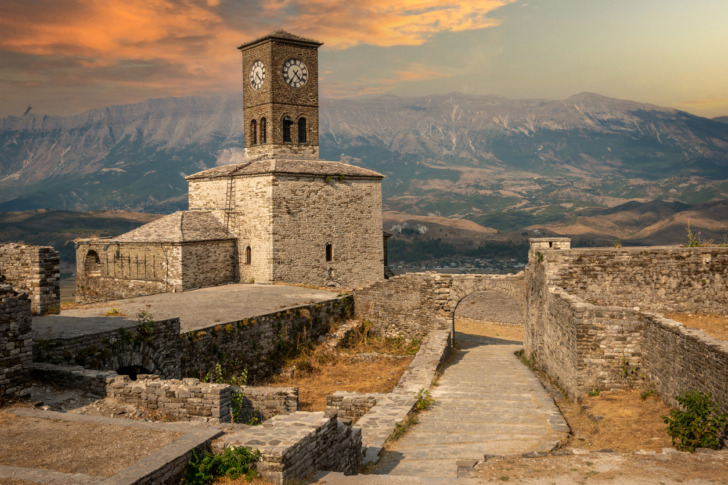
Gjirokaster is one of Albania’s most atmospheric cities, tucked into the Drino Valley in the country’s south, not far from the Greek border.
It is known as the “City of Stone,” and once you see the steep cobbled lanes, slate-roofed Ottoman houses, and fortress watching over the valley, the nickname makes perfect sense.
This is a UNESCO-listed old town with a dramatic mountain backdrop, a castle full of history, and streets that feel like they were built for wandering slowly, not rushing.
Gjirokaster is smaller and calmer than Tirana, less beachy than Saranda, and more old-world than most Balkan city breaks.
From a safety point of view, it is generally low-risk, though the hills, roads, heat, and slippery stone streets deserve respect.
Warnings & Dangers in Gjirokaster

OVERALL RISK: LOW
Gjirokaster is a safe destination for most travelers. Violent crime against tourists is rare, the old town is compact, and locals are generally welcoming. The biggest concerns are petty theft, steep cobblestone streets, summer heat, uneven stairs, mountain roads, and being cautious after dark in quiet areas.

TRANSPORT & TAXIS RISK: MEDIUM
Transport is usually safe, but roads around Gjirokaster can be steep, narrow, and confusing for first-time drivers. Taxis are available, but prices should be agreed on in advance. Buses and furgons connect the city with Tirana, Saranda, and other towns, though schedules can feel informal compared with Western Europe.

PICKPOCKETS RISK: LOW
Pickpocketing is not a major issue in Gjirokaster, especially compared with larger European tourist cities. Still, crowded castle areas, bazaars, bus stops, and festivals deserve normal awareness. Keep your phone and wallet secure, and do not leave bags unattended in restaurants, cafés, or parked cars.

NATURAL DISASTERS RISK: MEDIUM
Gjirokaster has a moderate natural-risk profile because Albania is earthquake-prone, and the surrounding terrain can face heavy rain, landslides, summer heat, and occasional flooding. These are not daily worries, but they matter for road trips, hiking, and winter or storm-season travel. Check the weather before heading into mountain areas.

MUGGING RISK: LOW
Mugging is rare in Gjirokaster. The old town, castle area, and main tourist streets are usually relaxed, especially during the day. As in any destination, risk rises if you walk alone late at night through empty streets, carry visible valuables, or get drunk and separated from your group.

TERRORISM RISK: LOW
Terrorism risk in Gjirokaster is low. The city is not a major international target, and tourists do not need to build their trip around this concern. Normal awareness is enough in public places, transport hubs, and crowded events. For most travelers, terrorism is not a practical day-to-day risk here.

SCAMS RISK: LOW
Scams are not a major problem in Gjirokaster. You may encounter occasional overcharging, unclear taxi prices, or souvenir prices aimed at tourists, but aggressive scams are uncommon. Ask prices before accepting rides or services, check restaurant menus, and book accommodation through reliable channels.

WOMEN TRAVELERS RISK: LOW
Gjirokaster is generally safe for women travelers, including solo travelers. The town is calm, and tourist areas are comfortable during the day. Standard precautions still apply: avoid isolated streets late at night, dress comfortably but respectfully, watch your drinks, and use a taxi if walking uphill or back to your hotel feels uncomfortable.

TAP WATER RISK: MEDIUM
Tap water in Albania varies by area and building, so cautious travelers may prefer bottled or filtered water in Gjirokaster. Many visitors brush their teeth with tap water without issues, but drinking bottled water is the safer choice if you have a sensitive stomach. In summer, carry extra water while walking uphill.
Safest Places to Visit in Gjirokaster
Gjirokaster Castle
The castle is the city’s main landmark and one of the safest places to visit because it is well-known, regularly visited, and central to the tourist route.
It offers excellent views over the valley and gives you a good sense of the city’s history.
The main thing to watch is footing.
Stone surfaces, stairs, and edges can be uneven, so wear shoes with grip and avoid rushing for photos.
Old Bazaar
The Old Bazaar is lively, compact, and one of the easiest areas for travelers to enjoy safely.
You will find cafés, souvenir shops, stone streets, restaurants, and guesthouses nearby.
It is best during the day and early evening when people are around.
Keep an eye on your belongings, but the overall atmosphere is friendly and relaxed.
Skenduli House and Zekate House
These traditional Ottoman-era houses are among the most interesting cultural stops in Gjirokaster.
They are usually visited in an organized way, with staff or guides nearby, which makes them comfortable for tourists.
The main safety issue is physical, not criminal: old staircases, low ceilings, balconies, and polished floors need care.
Main Pedestrian and Café Areas
The central café streets and viewpoints around the old town are safe and pleasant.
They are good places to pause, cool down, and plan your route.
Since Gjirokaster is hilly, staying near these central areas also reduces the chance of getting lost in steep side streets after dark.
Places to Avoid in Gjirokaster
Empty Hillside Streets Late at Night
Gjirokaster does not have dangerous neighborhoods in the way some big cities do, but its old town has narrow, steep, quiet lanes that can feel isolated late at night.
They are beautiful during the day, but after dark, poor lighting and uneven stone make wandering less smart.
Stick to familiar routes back to your accommodation.
Remote Viewpoints Without a Plan
Some of the best views sit above or outside the main tourist core, but remote viewpoints should be approached carefully.
The risk is usually not crime.
It is slipping, getting lost, meeting loose dogs, dealing with heat, or realizing the walk back is steeper than expected.
Go during daylight and bring water.
Poorly Lit Roads Outside the Old Town
Roads below and around the old town can have fast traffic, uneven sidewalks, limited lighting, and awkward crossings.
Avoid long roadside walks at night, especially if you are staying outside the historic center.
A short taxi ride is often worth it after dinner.
Isolated Parking Areas
If you rent a car, be careful where you leave it.
Do not leave luggage, passports, electronics, or bags visible inside.
Petty theft from vehicles is not something to obsess over, but tourists with rental cars are always easier targets than locals.
Use hotel parking when available.
Mountain Roads in Bad Weather
The countryside around Gjirokaster is gorgeous, but road conditions can change quickly with rain, fog, or winter weather.
Avoid unfamiliar mountain roads after dark or during storms.
If you are driving to nearby villages, Blue Eye, Permet, or the coast, leave extra time and do not rely only on phone maps.
Safety Tips for Traveling to Gjirokaster
- Wear shoes with real grip. This is my most practical Gjirokaster tip. The old town is made of steep cobblestone streets, polished stone, steps, and slopes. It looks magical, but it can be slippery, especially after rain. Skip flimsy sandals if you plan to explore properly. Good walking shoes will make the city much more enjoyable.
- Do not underestimate the hills. Distances look short on a map, but Gjirokaster is vertical. A “quick walk” can turn into a sweaty climb, especially in summer. Take breaks, carry water, and plan your route so you are not constantly walking uphill in the hottest part of the day.
- Keep valuables close in the bazaar and castle areas. Petty theft is not a huge issue here, but tourist areas always attract opportunity. Keep your phone, wallet, passport, and camera secure. Do not leave bags on the back of chairs or unattended while taking photos.
- Agree on taxi prices before you ride. Taxis can be useful because of the hills, but it is smart to confirm the fare before getting in, especially for short rides, bus station transfers, or trips outside town. This avoids awkward arguments and helps you know whether the price is fair.
- Be cautious when driving in the old town. Driving inside historic Gjirokaster can be stressful. Streets are narrow, steep, and sometimes confusing, with tight turns and limited parking. If your hotel is in the old town, ask ahead about the best route and where to park. Do not assume you can drive right to the door.
- Avoid isolated walks after dark. The city is safe overall, but quiet lanes and hillside paths are not ideal late at night. Poor lighting, uneven surfaces, and fewer people around make small problems more likely. After dinner, stick to main streets or take a taxi back.
- Carry water in summer. Summer in southern Albania can be hot and dry. Gjirokaster’s stone streets and uphill walking make the heat feel stronger. Carry a bottle, wear sunscreen, and take shade breaks. Heat exhaustion is a more realistic risk here than serious crime.
- Check the weather before day trips. Gjirokaster is often used as a base for nearby villages, nature spots, and mountain routes. Before leaving town, check the weather and road conditions. Heavy rain can make rural roads more difficult, and winter travel can be colder than expected.
- Use a little cash, but do not carry too much. Cards are increasingly accepted, but smaller guesthouses, cafés, taxis, and local shops may prefer cash. Carry enough Albanian lek for the day, but keep extra money hidden separately. Use bank ATMs when possible rather than random machines in quiet places.
- Respect local homes and photo privacy. Gjirokaster is a tourist destination, but it is also a real town where people live. Some of the prettiest doors, courtyards, and balconies are private homes. Ask before photographing people, do not walk into private spaces, and be polite around religious or family areas.
So... How Safe Is Gjirokaster Really?
Gjirokaster is genuinely safe for most travelers, especially compared with larger and more chaotic destinations in Europe.
Albania’s tourist safety picture has improved greatly over the years, and most visitors experience warm hospitality, low violent-crime risk, and a relaxed atmosphere.
In Gjirokaster specifically, the city’s small size works in your favor.
Tourist areas are concentrated, locals are used to visitors, and the main attractions are easy to explore without entering risky districts.
The important thing is to understand what “safe” means here.
Gjirokaster is not dangerous in a mugging-and-street-crime sense.
The more realistic issues are practical: slippery cobblestones, steep streets, hot summers, informal transport, mountain roads, and occasional petty theft.
If you are driving, road caution matters.
If you are walking, footwear matters.
If you are visiting in July or August, hydration matters.
My honest rating is low risk, with a medium note for transport and natural conditions.
Gjirokaster is a place where cautious travelers can relax, wander, eat well, enjoy the views, and feel comfortable.
Just do not treat it like a flat, polished city break.
It is old, hilly, stony, and wonderfully imperfect.
That is the charm, and also the main safety lesson.
How Does Gjirokaster Compare?
| City | Safety Index |
|---|---|
| Gjirokaster |
82 |
| Pogradec |
81 |
| Vlore |
76 |
| Tirana |
65 |
| Sarande |
78 |
| Korce |
82 |
| Durres |
74 |
 Marrakech Marrakech | 60 |
 Raleigh Raleigh | 74 |
 Sao Paulo Sao Paulo | 50 |
 Yokohama Yokohama | 87 |
 Nanaimo Nanaimo | 32 |
| Midland | 78 |
Useful Information

Visas
Albania is not part of the Schengen Area, which makes it useful for some longer Europe trips. Many nationalities can enter visa-free for short stays, while U.S. citizens can usually stay much longer without a tourist visa. Travelers who need a visa can apply through Albania’s e-visa system. Always check your passport validity before travel.

Currency
The currency is the Albanian lek. Euros may be accepted in some hotels or tours, but the lek is best for daily spending. Cards are more common than before, yet cash is still useful in Gjirokaster for taxis, small restaurants, museums, shops, and guesthouses. Bank ATMs usually offer the simplest withdrawal option.

Weather
Gjirokaster has hot, dry summers and cool, wetter winters. July and August can feel intense because the city is hilly and full of stone streets. Pack light clothing, sunscreen, sunglasses, and good walking shoes in summer. In winter and spring, bring layers, a rain jacket, and shoes that handle slick cobblestones.

Airports
The most practical airport for Gjirokaster is Tirana International Airport, about 4 to 5 hours away by road, depending on traffic and transport. Some travelers also arrive through Corfu, then take a ferry to Saranda and continue by road. Buses, private transfers, rental cars, and taxis are the main onward options.

Travel Insurance
Travel insurance is recommended for Gjirokaster, even though the city is low-risk. A good policy should cover medical care, trip cancellation, theft, delays, and rental car issues if you plan to drive. If your itinerary includes hiking, mountain roads, or regional day trips, make sure those activities are covered.
Gjirokaster Weather Averages (Temperatures)
Average High/Low Temperature
| Temperature / Month | Jan | Feb | Mar | Apr | May | Jun | Jul | Aug | Sep | Oct | Nov | Dec |
|---|---|---|---|---|---|---|---|---|---|---|---|---|
| High °C |
10 | 11 | 14 | 17 | 21 | 26 | 29 | 30 | 26 | 21 | 16 | 12 |
| Low °C |
1 | 2 | 5 | 8 | 11 | 15 | 16 | 18 | 15 | 11 | 7 | 3 |
| High °F |
50 | 52 | 57 | 63 | 70 | 79 | 84 | 86 | 79 | 70 | 61 | 54 |
| Low °F |
34 | 36 | 41 | 46 | 52 | 59 | 61 | 64 | 59 | 52 | 45 | 37 |
Albania - Safety by City
| City | Safety Index |
|---|---|
| Berat | 83 |
| Durres | 74 |
| Gjirokaster | 82 |
| Korce | 82 |
| Kruje | 79 |
| Pogradec | 81 |
| Sarande | 78 |
| Shkoder | 77 |
| Tirana | 65 |
| Vlore | 76 |












I’ve been there and while the castle view is pretty cool, the roads were way steeper and more slippery than I expected, which made wandering around a bit stressful instead of relaxing.
There’s something about those slippery stone streets that makes every step feel like a little adventure, even while trying not to faceplant.
The stone streets definitely have their charm but I slipped a couple times because they get pretty slick when it’s hot out.