


 Morocco : Safety by City
Morocco - safety as a country
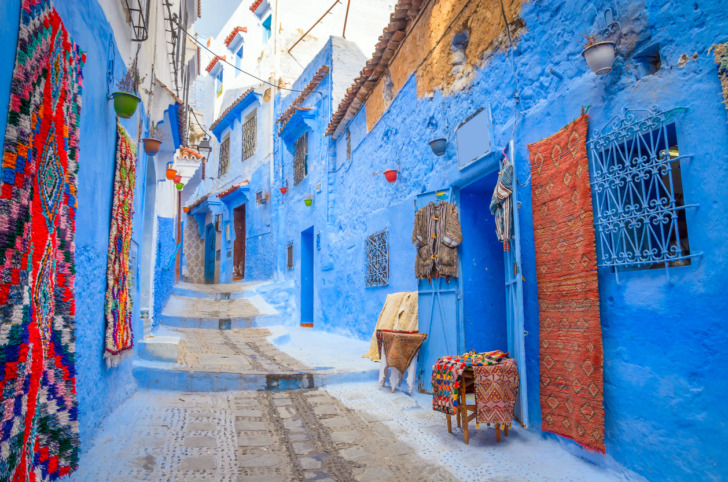
Chefchaouen is one of Morocco’s most photogenic towns, tucked into the Rif Mountains in the country’s northwest.
Famous for its blue-painted streets, whitewashed buildings, mountain backdrop, relaxed pace, and old medina, it feels very different from larger Moroccan cities like Marrakech, Casablanca, or Fez.
Chefchaouen is smaller, calmer, and easier to explore, which makes it popular with photographers, solo travelers, couples, backpackers, and people who want a softer introduction to Morocco.
The town is generally safe, especially in the main medina and tourist areas, but travelers should still use normal awareness.
The main risks are petty theft, scams, persistent sellers or unofficial guides, slippery steep streets, mountain hiking hazards, cannabis-related approaches, and nighttime caution in quieter lanes.
Warnings & Dangers in Chefchaouen

OVERALL RISK: LOW
Chefchaouen is a low-risk destination for most travelers. Violent crime is uncommon, the medina is calm compared with larger Moroccan cities, and locals are used to visitors. The main concerns are petty theft, tourist scams, unofficial guides, steep streets, hiking safety, and avoiding drug-related situations.

TRANSPORT & TAXIS RISK: MEDIUM
Transport risk is medium because Chefchaouen is in the mountains and road access can involve winding routes. Buses and grand taxis are commonly used, but travel times can be long. Within town, walking is easiest, though streets are steep. Confirm taxi prices before riding, especially from the bus station.

PICKPOCKETS RISK: LOW
Pickpocketing is not a major problem in Chefchaouen, but it can happen in crowded lanes, markets, bus stations, viewpoints, and busy photo spots. Keep bags zipped, avoid back-pocket wallets, and watch your phone when taking pictures in the medina.

NATURAL DISASTERS RISK: MEDIUM
Natural hazard risk is medium because Chefchaouen sits in mountainous terrain. Heavy rain can make streets slippery and hiking trails muddy or unsafe. Rockfall, flash flooding in remote areas, heat, cold nights, and earthquake risk in the wider region are possible. Hikers should check conditions before heading out.

MUGGING RISK: LOW
Mugging is rare in Chefchaouen. Most visitors feel comfortable walking in the medina, central squares, restaurants, and main streets during the day and evening. The risk rises slightly late at night in quiet alleys, isolated viewpoints, or if walking alone away from the main tourist area.

TERRORISM RISK: LOW
The terrorism risk in Chefchaouen is low. It is a small mountain town and tourism destination rather than a major political or security target. Travelers should still use general awareness in transport hubs, crowded areas, and public events, but terrorism is not a main concern for most visits.

SCAMS RISK: MEDIUM
Scams are one of the more realistic concerns in Chefchaouen. Travelers may encounter unofficial guides, inflated prices, shop pressure, fake “closed road” stories, or people offering cannabis. Agree on prices clearly, avoid unwanted guide services, and do not follow strangers into private areas or remote lanes.

WOMEN TRAVELERS RISK: MEDIUM
Chefchaouen is generally manageable for women travelers, including solo women, but modest dress and street awareness help. Unwanted attention can happen, though it is usually less intense than in larger cities. Women should avoid isolated late-night walks, stay in central accommodation, and be firm but polite with persistent approaches.

TAP WATER RISK: MEDIUM
Tap water in Chefchaouen may be safe for locals, but many travelers prefer bottled or filtered water to avoid stomach issues. Use bottled water if you are sensitive. Be cautious with ice, raw produce, and street food hygiene, especially during the first days of your Morocco trip.
Safest Places to Visit in Chefchaouen
The Blue Medina
Chefchaouen’s blue medina is the main reason most travelers come, and it is generally very safe during the day and early evening.
The lanes are narrow, beautiful, and full of shops, cats, stairways, doors, and photo spots.
The main safety issues are slippery steps, getting mildly lost, and keeping belongings secure in busier areas.
Plaza Uta el-Hammam
Plaza Uta el-Hammam is the central square and one of the safest places in town.
It is surrounded by cafes, restaurants, the kasbah, and the Grand Mosque.
It is a great place to orient yourself, rest, and people-watch.
Since it is busy, keep valuables close and watch for tourist pricing.
The Kasbah Museum Area
The kasbah in the main square is a safe, structured attraction with gardens, walls, and views over the town.
It is a good place to learn a little history and take a break from the maze-like streets.
Watch your step on stairs and old stone surfaces.
Ras El Maa Waterfall
Ras El Maa is a popular spot on the edge of the medina where water flows down from the mountains.
It is safe during the day and often lively with locals and visitors.
The stones can be slippery, especially after rain, so wear decent shoes and avoid climbing around carelessly.
Spanish Mosque Viewpoint
The Spanish Mosque viewpoint is one of the best places to see Chefchaouen from above, especially around sunset.
The walk is generally safe during daylight, but it is uphill and exposed.
Bring water, wear shoes with grip, and avoid walking back alone in darkness if the path feels too quiet.
Places to Avoid in Chefchaouen
Empty Medina Lanes Late at Night
Chefchaouen’s medina is safe, but the lanes can become quiet and confusing late at night.
Avoid wandering alone through empty alleys after midnight, especially if you are unfamiliar with the route to your accommodation.
Stick to lit, central areas or return earlier.
Remote Mountain Paths Without Planning
The Rif Mountains are beautiful, but remote paths should not be treated casually.
Avoid hiking alone without knowing the route, weather, distance, and daylight timing.
Trails can be steep, rocky, poorly marked, or empty.
For longer hikes, use a reputable local guide.
Cannabis-Related Situations
Chefchaouen is in a region associated with cannabis production, and some travelers may be approached with offers.
Avoid buying, carrying, or getting involved in drug-related situations.
Aside from legal risk, it can lead to scams, pressure, or uncomfortable interactions.
Bus Station Confusion With Loose Bags
The bus station area is not highly dangerous, but it can be a place where tourists feel disoriented.
Watch your luggage, confirm ticket details, and agree on taxi prices before leaving the station.
Do not hand bags to unofficial helpers unless you are clear about payment.
Slippery Steps During Rain
Chefchaouen’s beauty comes with lots of stairs, slopes, and painted surfaces.
During rain, the medina can become slippery.
Avoid rushing downhill, wear shoes with grip, and be extra careful with children, older travelers, or heavy luggage.
Safety Tips for Traveling to Chefchaouen
- Stay inside or near the medina. For a first visit, staying in or near the medina is usually the easiest and safest option. You will be close to the blue streets, restaurants, cafes, shops, and main square. It also reduces late-night walking and makes it easier to find your way back after dinner.
- Learn your route before dark. Chefchaouen’s medina is beautiful, but it can feel like a blue maze. Before going out at night, know the route between your accommodation and the main square. Save your hotel location offline, take a photo of nearby landmarks, and avoid relying only on memory after dinner.
- Be firm with unofficial guides. Some people may offer to guide you through the medina, show you “hidden” photo spots, or take you to shops. Some are harmless, but others expect payment afterward. If you do not want help, say “no, thank you” clearly and keep walking. Do not accept services unless the price is agreed first.
- Wear shoes with grip. Chefchaouen has stairs, slopes, polished stones, uneven lanes, and mountain paths. Good walking shoes make a big difference. This is especially important if visiting Ras El Maa, walking to the Spanish Mosque, or exploring after rain. The town is pretty, but it is not built like a shopping mall.
- Avoid drug offers. Because of the region’s cannabis reputation, some visitors are approached with offers. The safest answer is a clear no. Getting involved can create legal trouble, scams, pressure, or problems with people you do not know. It is not worth turning a peaceful blue-town visit into a messy situation.
- Carry small cash. Morocco is still cash-heavy in many smaller towns. Carry small bills for taxis, cafes, tips, souvenirs, public toilets, and snacks. Avoid flashing large amounts of cash in shops or markets. Keep backup money and cards separate from your daily wallet.
- Dress respectfully. Chefchaouen is more relaxed than some places, but it is still a conservative Moroccan town. Modest clothing helps reduce unwanted attention and shows respect. Lightweight pants, longer skirts, covered shoulders, and loose clothing work well, especially in the medina, markets, and religious areas.
- Plan hikes properly. The mountain scenery around Chefchaouen is tempting, but do not wander randomly into the hills. Check the route, weather, distance, and sunset time. Bring water, snacks, sun protection, and proper shoes. For longer or less obvious routes, hire a reputable guide.
- Drink bottled or filtered water. Many travelers prefer bottled or filtered water in Chefchaouen to avoid stomach issues. Also be careful with raw foods, ice, and street snacks if your stomach is sensitive. Eat at busy places with good turnover, and ease into local food rather than testing your digestive system like it owes you money.
- Keep photo etiquette in mind. Chefchaouen is incredibly photogenic, but it is also a real town where people live. Do not photograph people, doorways, children, or private homes too aggressively. Ask before taking close-up photos of people. Being respectful avoids tension and makes the experience better for everyone.
So... How Safe Is Chefchaouen Really?
Chefchaouen is one of the safer and calmer tourist destinations in Morocco.
Compared with Marrakech, Fez, or Casablanca, it feels smaller, slower, and easier to manage.
Violent crime is rare, the main medina is welcoming, and most visitors spend their time walking, taking photos, drinking mint tea, shopping, visiting viewpoints, and enjoying mountain air without serious problems.
The main safety concerns are practical and cultural.
Petty theft can happen, but it is not the biggest issue.
More common are persistent sellers, unofficial guides, unclear pricing, and people trying to pull tourists into shops or tours.
The cannabis reputation of the surrounding region also means some travelers may get unwanted offers, which are best avoided completely.
The town’s geography adds another layer.
Chefchaouen is steep, full of steps, and surrounded by mountains.
Rain can make the medina slippery, and hiking requires planning.
At night, quiet lanes can feel confusing, so staying central and knowing your route is smart.
Overall, Chefchaouen is low risk for ordinary travel and medium risk for solo late-night wandering, unplanned hiking, scams, and drug-related situations.
It is safe, beautiful, and memorable when visited with awareness and respect.
How Does Chefchaouen Compare?
| City | Safety Index |
|---|---|
| Chefchaouen |
80 |
| Rabat |
75 |
| Marrakech |
60 |
| Essaouira |
79 |
| Casablanca |
50 |
| Tangier |
70 |
| Meknes |
72 |
 Chattogram Chattogram | 61 |
 Belfast Belfast | 65 |
 Sitka Sitka | 91 |
| Bloomington | 76 |
| Clayton | 72 |
| Valparaiso | 76 |
Useful Information

Visas
Chefchaouen is in Morocco. Many travelers can visit Morocco visa-free for short tourism stays, depending on nationality, while others need a visa before arrival. Check passport validity, allowed stay length, and entry rules before booking, especially if combining Morocco with Spain or other regional destinations.

Currency
Chefchaouen uses the Moroccan dirham. Cash is important, especially for small shops, cafes, taxis, markets, tips, and guesthouses. Cards may be accepted in some hotels and larger businesses, but do not rely on them everywhere. Use official ATMs and carry small bills.

Weather
Chefchaouen has warm summers, cooler winters, and mountain-influenced weather. Evenings can be chilly, especially outside summer. Rain can make the medina slippery, while summer sun can be strong on uphill walks. Pack layers, comfortable shoes, sunscreen, sunglasses, and a light jacket.

Airports
Chefchaouen does not have an airport. The most common access points are Tangier, Tetouan, Fez, or Casablanca, followed by bus, taxi, private transfer, or rental car. Tangier and Tetouan are usually the most convenient nearby options. Mountain roads can make travel slower than distances suggest.

Travel Insurance
Travel insurance is recommended for Chefchaouen, especially if your trip includes hiking, buses, taxis, regional travel, or multiple Moroccan cities. Choose coverage for medical care, cancellations, delays, lost luggage, theft, emergency transport, and outdoor activities in the surrounding mountains.
Chefchaouen Weather Averages (Temperatures)
Average High/Low Temperature
| Temperature / Month | Jan | Feb | Mar | Apr | May | Jun | Jul | Aug | Sep | Oct | Nov | Dec |
|---|---|---|---|---|---|---|---|---|---|---|---|---|
| High °C |
13 | 15 | 18 | 20 | 24 | 28 | 33 | 35 | 30 | 24 | 18 | 14 |
| Low °C |
4 | 5 | 7 | 9 | 12 | 16 | 19 | 20 | 18 | 14 | 9 | 5 |
| High °F |
55 | 59 | 64 | 68 | 75 | 82 | 91 | 95 | 86 | 75 | 64 | 57 |
| Low °F |
39 | 41 | 45 | 48 | 54 | 61 | 66 | 68 | 64 | 57 | 48 | 41 |
Morocco - Safety by City
| City | Safety Index |
|---|---|
| Agadir | 77 |
| Casablanca | 50 |
| Chefchaouen | 80 |
| Essaouira | 79 |
| Fes | 51 |
| Marrakech | 60 |
| Meknes | 72 |
| Ouarzazate | 78 |
| Rabat | 75 |
| Tangier | 70 |






Yeah, the blue walls are cool and all, but getting around those slippery streets was a bit of a workout, especially after a long day of wandering.
Sure, spending an afternoon wandering those slippery, steep streets while dodging persistent sellers definitely makes you appreciate the “relaxed pace” they brag about.
Didn’t expect the blue streets to feel that calming, especially with those steep hills making you watch your step everywhere.