


 Morocco : Safety by City
Morocco - safety as a country
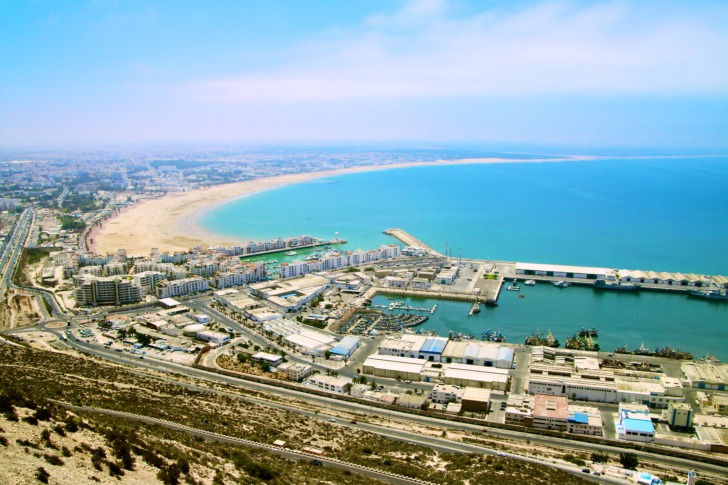
Agadir sits on Morocco’s southern Atlantic coast, where long beaches, sea breezes, and year-round sunshine give the city a very different feel from the maze-like medinas many travelers picture when they think of Morocco.
Rebuilt after the devastating 1960 earthquake, modern Agadir is more open, more spread out, and generally easier to navigate than older imperial cities.
That matters for safety, too.
In my view, Agadir is one of the more approachable Moroccan destinations for first-time visitors, beach travelers, and families who want a softer landing.
It still comes with the usual travel concerns like petty theft, pushy sellers, occasional scams, and the need for extra caution after dark, but overall, it feels calmer and more relaxed than many busier tourist hubs.
If you use normal street smarts, Agadir can be a very enjoyable and fairly comfortable place to explore.
Warnings & Dangers in Agadir

OVERALL RISK: LOW
Agadir is generally a low-risk destination for tourists, especially compared with larger, denser cities where confusion and crowding create more opportunities for crime. Most visits are trouble-free. The biggest issues tend to be petty theft, tourist scams, and occasional harassment rather than serious violence. Travelers who stay alert, avoid isolated areas at night, and use licensed transport usually do well here.

TRANSPORT & TAXIS RISK: MEDIUM
Getting around Agadir is usually manageable, but transport risks come from overcharging, unclear fares, and occasional confusion with unofficial drivers. Petit taxis are common and useful, though travelers should confirm the meter or agree on the price before starting the ride. Buses are cheap, and the airport shuttle is handy, but crowded transport always raises the chance of petty theft.

PICKPOCKETS RISK: MEDIUM
Pickpocketing is not the city’s defining problem, but it is one of the most realistic risks visitors face. Busy markets, beach promenades, bus stops, and areas around tourist attractions are the most likely places for bag snatching or phone theft. This is not a city where you need to panic, but it is a city where careless tourists stand out quickly.

NATURAL DISASTERS RISK: MEDIUM
Agadir’s biggest historical disaster was the 1960 earthquake, which shaped the city forever. Morocco also remains in a seismically active region, so earthquake risk cannot be ignored entirely. That said, a major disaster is not an everyday concern for tourists. Heat, strong sun, and occasional coastal weather shifts are more likely to affect a short trip than a major natural event.

MUGGING RISK: LOW
Violent street crime against tourists is less common than petty theft, which is why I would keep the mugging risk on the lower side. Still, low does not mean impossible. Quiet streets, dark beachfront areas, and isolated spots late at night can increase the risk. Travelers who avoid wandering alone in poorly lit places after dark reduce their chances of trouble significantly.

TERRORISM RISK: MEDIUM
Morocco is considered relatively stable by regional standards, but the country is still treated with increased caution because of the broader terrorism threat environment. That does not mean Agadir is a place where tourists should feel constantly nervous. It means crowded public places, transport hubs, and major tourist sites deserve the same awareness you would use in many international destinations.

SCAMS RISK: MEDIUM
Scams in Agadir are usually more annoying than dangerous. Visitors may run into inflated taxi fares, unofficial guides, aggressive vendors, and people who offer help and then demand payment. Beachfront and tourist-heavy zones are the most common places for this. The best defense is polite firmness, clear prices before agreeing to anything, and a willingness to walk away.

WOMEN TRAVELERS RISK: MEDIUM
Agadir is often easier for women travelers than some more chaotic cities, but solo women can still face unwanted attention, staring, or persistent conversation attempts. This is usually more uncomfortable than dangerous, though it can be tiring. Dressing modestly, using trusted transport, and avoiding lonely areas late at night all help. Many women visit safely, especially with good situational awareness.

TAP WATER RISK: MEDIUM
Locals may drink the tap water without issue, but tourists often react differently to local water, ice, or food washing practices. Even where the water is treated, the change in minerals or plumbing can upset your stomach. I would not call it extremely dangerous, but I would say visitors are usually safer sticking to sealed bottled water for drinking.
Safest Places to Visit in Agadir
Agadir Beach and the Corniche
The beach area is the easiest place in Agadir for most tourists to enjoy with confidence.
The long seafront promenade is open, busy, and generally well-suited for daytime walks, jogging, cafés, and people-watching.
Because it draws both locals and visitors, it tends to feel more comfortable than quieter side streets.
It is still smart to watch your belongings, especially if you set your bag down on the sand.
Marina Agadir
The marina is one of the city’s most polished and tourist-friendly areas.
It feels cleaner, more organized, and more predictable than many crowded commercial districts.
You will find restaurants, shops, and a generally relaxed atmosphere that works well for couples, families, and travelers who prefer a more modern setting.
It is a good area for evening dining, though you should still avoid drifting too far into empty areas late at night.
Talborjt
Talborjt is one of the better areas for travelers who want a feel for everyday city life without stepping into a highly confusing environment.
It is lively, practical, and full of local businesses and places to eat.
During the day, it is usually a comfortable area to explore with normal caution.
I like it for visitors who want something more local without feeling thrown into chaos.
Kasbah Viewpoint Area
The Agadir Oufella area and viewpoint are worth visiting for the panorama alone.
It is best enjoyed during daylight hours or around sunset when other visitors are present.
Go for the views, take your photos, and leave before the area becomes too empty.
It is a memorable stop, but not a place where I would recommend lingering in isolation after dark.
Places to Avoid in Agadir
Isolated Beach Sections at Night
Agadir’s beachfront is one of its best features by day, but it changes character once the crowds thin out.
Poorly lit stretches, quiet access paths, and empty seaside areas can feel far less comfortable after dark.
This is where bag snatching or harassment becomes more plausible.
Enjoy the promenade in the evening if it is lively, but avoid wandering alone into silent sections.
Quiet Outskirts and Empty Side Streets
Agadir is not a city where every neighborhood is dangerous, but the less touristy outer areas can be inconvenient and uncomfortable for visitors who do not know the city well.
Empty streets, limited signage, and fewer people around can make even a minor issue harder to manage.
Unless you have a specific reason to go, there is no real benefit in drifting too far from active central zones.
Unofficial Taxi Pickup Areas
The problem here is usually not physical danger but hassle, overcharging, or confusion.
Travelers arriving tired, especially from the airport or transport hubs, can be easy targets for inflated prices.
Avoid accepting rides from anyone who approaches too aggressively or refuses to discuss the fare clearly.
Licensed taxis and known shuttle options are the safer route.
Crowded Market Spaces When Distracted
Markets are not places to avoid entirely, but they are places to approach smartly.
When you are filming, checking maps, counting cash, or looking overwhelmed, you become an easier target for petty theft or hard selling.
In Agadir, Souk El Had is a great place to visit, but it is not the place to carry valuables loosely or lose track of your surroundings.
Safety Tips for Traveling to Agadir
- Use official taxis and settle the fare clearly. Agadir taxis are useful, but confusion over prices is one of the most common tourist headaches. Before you get in, make sure the meter is being used or agree on the fare upfront. This avoids arguments later and makes the ride feel much smoother.
- Keep your phone and wallet out of easy reach. Do not carry valuables in a back pocket, loose handbag, or open beach tote. In crowded markets, on public transport, and along busy promenades, keep your bag zipped and close to your body. Most theft here is opportunistic, not sophisticated.
- Avoid empty areas after dark. Agadir is friendlier in active, well-lit parts of town. Once a street or beachfront section becomes quiet, the safety equation changes. Stick to busier routes in the evening and take a taxi back instead of walking through unknown side streets.
- Be careful with “friendly help” from strangers. If someone insists on guiding you, carrying something, or helping you buy tickets, there is a decent chance they will request money afterward. A polite but firm no thanks works well. In tourist zones, unnecessary help is often part of the hustle.
- Dress respectfully, especially away from the beach. Agadir is relaxed by Moroccan standards, but it is still wise to dress more modestly when you are not in a resort or beach setting. This can reduce unwanted attention and help you move around more comfortably, especially for women travelers.
- Stick to bottled water for drinking. Even if the local water supply is technically treated, your stomach may not love the adjustment. Sealed bottled water is the safer choice for drinking, and being cautious with ice, rinsed fruit, and uncooked foods can save you from losing a day of your trip.
- Watch out for beach and market distractions. The easiest way to get something stolen is to be distracted. If someone tries to pull your attention one way, quickly check your bag, phone, and pockets. This matters most in Souk El Had, busier commercial streets, and packed sections of the beach promenade.
- Do not carry large amounts of cash. Bring what you need for the day and leave the rest in your accommodation safe if one is available. Split your money between different places rather than keeping everything in one wallet. Losing one stash is far better than losing everything at once.
- Choose accommodation in a good area. Where you stay can make your trip much easier. The marina, beachfront hotel zone, and central well-reviewed neighborhoods are usually the best choices for first-time visitors. A cheap room in an isolated location can end up costing you more in stress and transport.
- Trust your instincts and leave uncomfortable situations early. This is one of the best rules in any destination. If a street feels off, a seller is too persistent, or a situation starts getting tense, leave early rather than trying to be polite. In Agadir, problems are often avoidable simply by moving on quickly.
So... How Safe Is Agadir Really?
Agadir is one of the safer and easier Moroccan cities for tourists, especially for travelers who want beaches, modern infrastructure, and a calmer pace.
It does not have the same intensity as cities where crowded old quarters, aggressive hustling, and dense traffic can wear people down fast.
That alone makes it attractive to first-time visitors.
Still, “safe” does not mean risk-free.
Morocco as a whole is usually visited without major problems, but travelers are still advised to use increased caution.
In practical terms, that means the everyday issues matter more than dramatic ones.
Petty theft, bag snatching, overcharging by drivers, harassment, and trouble in isolated areas at night are the real concerns most visitors should plan around.
Serious violent crime against tourists is less common, but basic caution remains important.
Agadir also benefits from being a major tourist city with established infrastructure, a modern layout, and busy visitor zones.
That creates a more comfortable environment for families, couples, and travelers who prefer destinations that do not feel overly chaotic.
My honest take is this: Agadir is a good choice for travelers who want a relatively relaxed Moroccan coastal city, as long as they stay alert, avoid empty areas late at night, and use common sense throughout the trip.
How Does Agadir Compare?
| City | Safety Index |
|---|---|
| Agadir |
77 |
| Essaouira |
79 |
| Chefchaouen |
80 |
| Rabat |
75 |
| Casablanca |
50 |
| Tangier |
70 |
| Fes |
51 |
 Aswan Aswan | 68 |
 Bangor Bangor | 75 |
 Kaunas Kaunas | 82 |
 Winnipeg Winnipeg | 78 |
 Ubud Ubud | 80 |
| Newnan | 75 |
Useful Information

Visas
Visa rules depend on your nationality. Many travelers can enter Morocco without a tourist visa for stays of up to 90 days, while others need to apply in advance through Morocco’s visa system or eVisa platform. Your passport should usually have at least six months of validity left. Always check the latest rules before booking

Currency
Agadir uses the Moroccan dirham. It is usually easiest to exchange money at official exchange offices, banks, or withdraw local currency from ATMs in well-trafficked areas. Avoid changing large amounts at airports unless necessary, since city exchange options can be better. Keep smaller notes handy for taxis, tips, and market purchases.

Weather
Agadir is known for mild weather and lots of sunshine, with comfortable winters and warm summers. It rarely gets brutally cold, but evenings can still feel cool by the coast. Pack light clothes, sun protection, and one extra layer for breezy nights. Comfortable walking shoes are more useful than heavy outfits.

Airports
The main airport is Agadir Al Massira Airport, about 25 kilometers from the city. It connects Agadir with domestic and international destinations and is the main gateway for most tourists. You can reach the city by taxi or airport shuttle bus. The shuttle is budget-friendly, while taxis are quicker and more direct.

Travel Insurance
Travel insurance is a very good idea for Agadir. It can help with medical care, cancellations, theft, delayed baggage, and unexpected transport issues. Even in a generally low-risk destination, small problems can become expensive fast. I would not skip insurance, especially if you are bringing valuables or planning a longer stay.
Agadir Weather Averages (Temperatures)
Average High/Low Temperature
| Temperature / Month | Jan | Feb | Mar | Apr | May | Jun | Jul | Aug | Sep | Oct | Nov | Dec |
|---|---|---|---|---|---|---|---|---|---|---|---|---|
| High °C |
20 | 20 | 22 | 23 | 24 | 26 | 26 | 31 | 28 | 26 | 23 | 21 |
| Low °C |
11 | 9 | 11 | 12 | 14 | 16 | 17 | 20 | 18 | 16 | 13 | 11 |
| High °F |
68 | 68 | 72 | 73 | 75 | 79 | 79 | 88 | 82 | 79 | 73 | 70 |
| Low °F |
52 | 48 | 52 | 54 | 57 | 61 | 63 | 68 | 64 | 61 | 55 | 52 |
Morocco - Safety by City
| City | Safety Index |
|---|---|
| Agadir | 77 |
| Casablanca | 50 |
| Chefchaouen | 80 |
| Essaouira | 79 |
| Fes | 51 |
| Marrakech | 60 |
| Meknes | 72 |
| Ouarzazate | 78 |
| Rabat | 75 |
| Tangier | 70 |
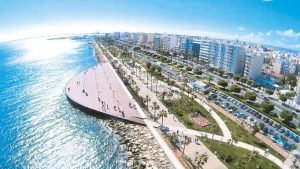













Walking the long beach at dusk with that cool Atlantic breeze actually melts the day away, even when the promenade gets noisy.
Around here the wide avenues make evening walks feel safer, and the sea breeze along the beachfront at sunset really helps you unwind.
Did you find any spots along the beach where you could actually chill without too many crowds around?
Is it really that relaxed though? I visited last summer and still found the pushy sellers on the main beach pretty exhausting.