


 Morocco : Safety by City
Morocco - safety as a country
If you want a Moroccan city that feels breezier, calmer, and a little less overwhelming than Marrakech, Essaouira is one of the best places to start.
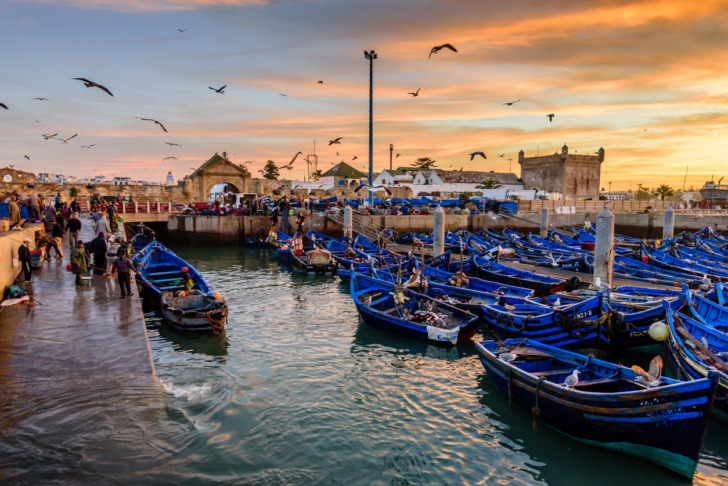
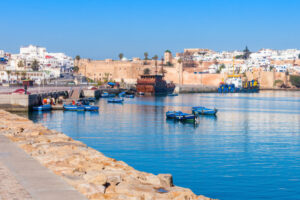
Sitting on Morocco’s Atlantic coast, this old port city is famous for its sea walls, fishing harbor, whitewashed buildings, and steady ocean wind.
It has a laid-back rhythm that makes it popular with surfers, couples, solo travelers, and anyone who likes history without the nonstop intensity of a giant city.
I find Essaouira easier to navigate than many bigger destinations in Morocco, and that matters a lot when you are judging safety.
It is still a real city with real travel risks, of course, but the overall atmosphere is generally more relaxed than chaotic, especially inside the historic center and along the waterfront.
Warnings & Dangers in Essaouira

OVERALL RISK: LOW
Essaouira is one of the easier Moroccan destinations for tourists to handle. Violent crime against visitors is not the first concern here. The more realistic issues are petty theft, tourist scams, and occasional harassment. Stay alert in crowded areas, avoid unnecessary wandering late at night, and you will likely find it manageable and enjoyable.

TRANSPORT & TAXIS RISK: LOW
Transport risk in Essaouira is fairly low compared with larger Moroccan cities. Taxis and transfers are common, and the city itself is compact enough that many visitors walk. The bigger concern is road safety on longer drives to and from other cities, especially at night, when conditions and driver behavior can be less predictable.

PICKPOCKETS RISK: MEDIUM
Pickpocketing is not something to ignore, especially in medinas, markets, beach areas, and busy tourist spots. Essaouira is calmer than some major Moroccan hubs, but crowded public spaces still attract opportunists. Keep your phone secure, do not leave your bag hanging open, and avoid flashing cash while shopping in the old town.

NATURAL DISASTERS RISK: LOW
Natural disaster risk in Essaouira is relatively low, but not zero. The city can get strong coastal winds, rough sea conditions, and occasional heavy rain. Morocco also has broader seismic risk, so earthquakes are possible, though not a daily concern for most travelers. For most visitors, weather-related inconvenience is more likely than a major disaster.

MUGGING RISK: LOW
Mugging risk is lower here than in many larger urban destinations, but travelers should not get too comfortable. Isolated streets after dark, quiet stretches near the medina edge, or poorly lit areas can increase vulnerability. The best strategy is simple: stay where people are, keep evenings sensible, and do not resist if someone tries to steal from you.

TERRORISM RISK: MEDIUM
Morocco does face an ongoing terrorism threat, and tourist areas can be considered potential targets. That does not mean Essaouira feels dangerous in daily travel terms, but it does mean travelers should stay aware in crowded public spaces, transport hubs, and large gatherings rather than assuming a coastal town is automatically risk free.

SCAMS RISK: MEDIUM
Scams are a more realistic problem than serious violence. Visitors may run into inflated prices, overfriendly unofficial guides, pressure from sellers, or attempts to redirect them to certain shops or services. In Essaouira, the pace is softer than in some other tourist cities, but it still pays to confirm prices early and say no firmly.

WOMEN TRAVELERS RISK: MEDIUM
Women can enjoy Essaouira, including solo travelers, but street harassment and persistent attention are still possible. The city is often considered more comfortable than some larger Moroccan destinations, yet normal precautions still matter. Dress respectfully, stay in well-trafficked areas, avoid isolated walks late at night, and choose trusted accommodation with good reviews and visible staff presence.

TAP WATER RISK: MEDIUM
Tap water in Morocco is not always a good match for every traveler, even where it is treated. Some visitors drink it without issues, while others end up with stomach trouble simply because their bodies are not used to it. In Essaouira, I would play it safe and stick with sealed bottled water or properly filtered water.
Safest Places to Visit in Essaouira
Medina
Essaouira’s medina is the heart of the city and one of the safest areas for most tourists to spend their time.
It is busy, walkable, and full of cafés, small shops, and restored old buildings.
Because there is a steady stream of locals and visitors, it usually feels more secure than wandering on the outskirts.
I still recommend keeping your belongings close, especially in tighter lanes.
Skala de la Ville and the Ramparts
The old sea walls and cannons are among the city’s signature sights, and they are generally safe during the day.
This is one of the best places for a scenic walk, sea views, and photos without feeling cut off from the rest of town.
The area is popular and visible, which is always a plus from a safety point of view.
Port Area During Daylight
The fishing port is lively, memorable, and one of the best spots for travelers who want to see the city’s working character.
In daylight, with people moving around and businesses open, it is usually fine to explore.
Just watch your footing, keep clear of active work zones, and be a little more alert with your valuables in crowded moments.
Beachfront Promenade
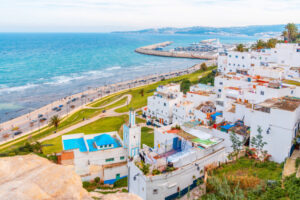
Essaouira’s beachfront is one of the reasons people fall for the city.
Long walks here are usually comfortable during the day, and the open layout makes it easier to stay aware of your surroundings.
Wind can be intense, but the atmosphere is relaxed.
Early evening can still be pleasant, though I would avoid drifting too far into emptier stretches after dark.
Places to Avoid in Essaouira
Isolated Streets Outside the Busy Core at Night
Essaouira is not known for having notorious tourist danger zones in the way some giant cities do, but quiet side streets beyond the busiest medina routes can feel uncomfortable at night.
Once shops close and foot traffic thins out, the city changes.
The safest move is to stay on main routes and use a trusted ride if you are returning late.
Empty Beach Sections After Dark
The beach is lovely in daylight, but large open waterfront spaces can feel isolated once the crowds disappear.
That does not automatically make them dangerous, but they are not ideal for careless nighttime wandering, especially if you are alone.
Stick to livelier areas and avoid treating the coastline as a late-night walking trail.
Unofficial Guide Situations
One thing I would avoid is getting pulled into conversations with unofficial guides or strangers insisting they know a shortcut, a special shop, or a hidden attraction.
This is less about one exact neighborhood and more about a recurring travel situation.
It can lead to pressure, demands for money, or awkward confrontations that are easy to avoid in the first place.
Bus and Transit Arrival Areas Without a Plan
Whenever you arrive tired, carrying bags, and looking unsure, your risk of being overcharged or hassled goes up.
Transit zones are not necessarily dangerous, but they can attract opportunists.
Have your accommodation address ready, know your route in advance, and do not make big money exchanges right after arrival.
Safety Tips for Traveling to Essaouira
- Keep valuables simple and hidden. Essaouira is relaxed, but tourists still stand out. Carry only what you need for the day, keep your phone secure, and avoid showing expensive jewelry, thick wallets, or loose cash in the medina.
- Stay in the busiest areas after dark. Nighttime in the main tourist zones can still feel fine, but quieter streets empty out fast. Stick to well-lit, active routes and do not turn random evening walks into unplanned adventures.
- Agree on taxi details before the ride starts. Even in easier destinations, transport misunderstandings happen. Confirm the fare or make sure the meter is used before you get in. That one small step can prevent a lot of frustration.
- Be cautious with overly helpful strangers. A friendly chat is one thing. A stranger who insists on guiding you somewhere, taking you to a special shop, or fixing a problem you did not ask them to solve is another. Polite but firm works best.
- Use bottled or properly filtered water. For many travelers, digestive trouble ruins more trips than crime does. Drink sealed bottled water, be mindful with ice, and ease into unfamiliar foods if you have a sensitive stomach.
- Dress with local norms in mind. You do not need to disappear into the background, but modest clothing generally helps reduce unwanted attention and makes travel smoother. This is especially useful for women and for visits to more traditional spaces.
- Do not carry your passport everywhere. A secure copy and a hotel safe are often smarter than walking around with the original all day. If you do carry it, keep it in a secure internal pocket or money belt.
- Avoid driving at night on intercity routes. Essaouira itself is manageable, but road safety in Morocco can be inconsistent. If you are coming from Marrakech or another city, daytime travel is usually the safer and less stressful choice.
- Keep your ATM use low-key. Use machines attached to banks or in busy, visible places. Put away your cash before stepping back outside, and keep an eye on your card statements in case of fraud or skimming issues.
- Pay attention to the wider security picture. Day to day, Essaouira often feels gentle and easygoing. Still, travelers should stay alert in crowded public places, transport hubs, festivals, and major tourist gathering points, especially during busy seasons.
So... How Safe Is Essaouira Really?
Essaouira is, in my view, one of the safer and more comfortable places in Morocco for first-time visitors.
It benefits from being smaller, more walkable, and less intense than the country’s biggest tourist magnets.
The risks here are usually the familiar travel ones: pickpocketing, scams, occasional harassment, and transport hassles.
Those are real, but they are manageable with normal street awareness and smart planning.
The broader national security picture matters, even if your personal experience in Essaouira feels calm.
Women traveling alone may face verbal harassment, and nighttime common sense still matters.
I would not describe Essaouira as risk free, but I also would not describe it as intimidating.
For travelers who want a Moroccan destination with history, sea air, and a more relaxed rhythm, it is one of the better choices.
Just treat it like a real city instead of a postcard, and your odds of having a smooth trip are quite good.
How Does Essaouira Compare?
| City | Safety Index |
|---|---|
| Essaouira |
79 |
| Meknes |
72 |
| Agadir |
77 |
| Chefchaouen |
80 |
| Rabat |
75 |
| Ouarzazate |
78 |
| Marrakech |
60 |
 Colorado Springs Colorado Springs | 76 |
| Delray Beach | 65 |
 Porto Alegre Porto Alegre | 21 |
 Bandar Seri Begawan Bandar Seri Begawan | 91 |
| Indio | 89 |
| Sundance | 80 |
Useful Information

Visas
Visa rules depend on nationality. Many tourists can stay in Morocco for up to 90 days without needing a full tourist visa in advance, while others may need to apply before arrival. Always check the latest entry rules for your passport before booking, and make sure your passport has enough validity left.

Currency
The local currency is the Moroccan dirham. The easiest options are usually bank ATMs or licensed exchange offices rather than random street exchanges. It is smart to carry some cash for markets, taxis, and small shops, but avoid carrying too much at once and break large bills when you can.

Weather
Essaouira has a mild Atlantic climate, which is one of its big advantages. Summers are warm rather than brutally hot, and winters stay fairly gentle. Wind is a major factor year-round, so pack layers, a light jacket, and something that works for cool evenings even if the daytime forecast looks comfortable.

Airports
The main airport for the city is Essaouira Mogador Airport, located a short drive from town. Some travelers also arrive through Marrakech and continue by road. The easiest arrival plan is usually a prearranged transfer, official taxi, or trusted shuttle so you are not negotiating transport while tired and carrying luggage.

Travel Insurance
Travel insurance is a smart buy for Essaouira, just as it is for most international trips. Even if crime is not your biggest worry, medical issues, cancellations, lost baggage, and transport disruptions can cost far more than the policy. It is one of those boring purchases that can save your trip.
Essaouira Weather Averages (Temperatures)
Average High/Low Temperature
| Temperature / Month | Jan | Feb | Mar | Apr | May | Jun | Jul | Aug | Sep | Oct | Nov | Dec |
|---|---|---|---|---|---|---|---|---|---|---|---|---|
| High °C |
19 | 19 | 20 | 21 | 22 | 24 | 26 | 27 | 26 | 25 | 23 | 20 |
| Low °C |
12 | 13 | 14 | 15 | 16 | 17 | 19 | 20 | 20 | 19 | 17 | 14 |
| High °F |
66 | 66 | 68 | 70 | 72 | 75 | 79 | 81 | 79 | 77 | 73 | 68 |
| Low °F |
54 | 55 | 57 | 59 | 61 | 63 | 66 | 68 | 68 | 66 | 63 | 57 |
Morocco - Safety by City
| City | Safety Index |
|---|---|
| Agadir | 77 |
| Casablanca | 50 |
| Chefchaouen | 80 |
| Essaouira | 79 |
| Fes | 51 |
| Marrakech | 60 |
| Meknes | 72 |
| Ouarzazate | 78 |
| Rabat | 75 |
| Tangier | 70 |












That ocean breeze really does wonders, I was actually surprised how calm the whole place felt compared to other spots.
I went there last year and while the ocean wind is definitely refreshing, the tourist crowds can still feel a bit much at times, especially near the fishing harbor.