


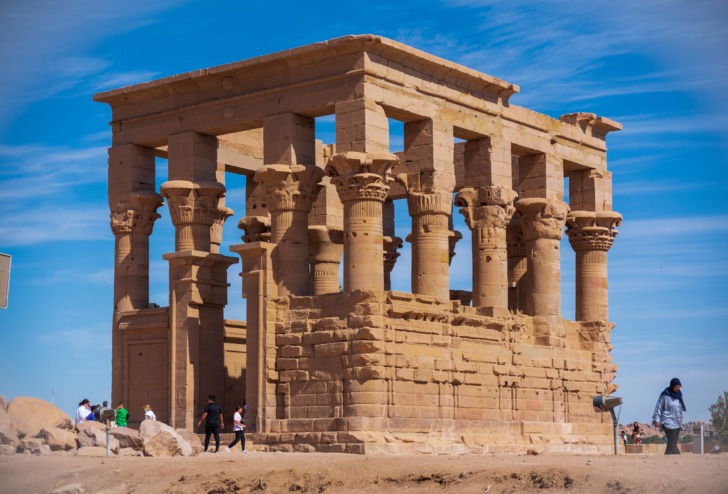
 Egypt : Safety by City
Egypt - safety as a country
Aswan sits in southern Egypt along one of the most beautiful stretches of the Nile, close to the Sudanese border and far from the noise of Cairo.
It feels different from many other Egyptian destinations.
The pace is slower, the river views are softer, and the city has a long reputation as a gateway to ancient temples, Nubian culture, and desert landscapes.
Travelers usually come here for Philae Temple, elephantine ruins, felucca rides, Abu Simbel connections, and that warm golden light that makes everything look cinematic.
From my point of view, Aswan is one of the more approachable places in Egypt for tourists, especially those who want a calmer base.
That does not mean you can drop your guard.
Like most popular tourist destinations, it comes with the usual mix of persistent touts, occasional scams, transport hassles, and cultural misunderstandings.
Still, compared with bigger, busier cities, Aswan often feels more manageable and less chaotic.
Warnings & Dangers in Aswan

OVERALL RISK: LOW
Aswan is generally considered one of the safer tourist cities in Egypt. Violent crime against visitors is uncommon, and many travelers find the atmosphere more relaxed than in Cairo or Alexandria. The biggest issues are usually scams, aggressive selling, and occasional harassment rather than serious street crime. Basic awareness and common sense go a long way here.

TRANSPORT & TAXIS RISK: MEDIUM
Getting around Aswan is not especially dangerous, but it can be frustrating. Taxi fares are often negotiated; some drivers may overcharge tourists, and seatbelt use is inconsistent. Ferry crossings and boat trips are usually fine when arranged through reputable operators, but random transport offers should be treated carefully, especially late at night or when traveling solo.

PICKPOCKETS RISK: LOW
Pickpocketing exists, especially around crowded souqs, transport areas, and famous sights, but Aswan is not known as a major hotspot for it. The risk rises when you are distracted by street sellers or handling cash in public. A zipped bag, no flashy valuables, and keeping your phone out of your back pocket usually cover the basics well.

NATURAL DISASTERS RISK: LOW
Aswan has very little rain and is not a place most travelers associate with natural disasters. The bigger environmental risk is extreme heat, especially in late spring and summer, when temperatures can become punishingly high. Rare heavy rain can sometimes cause sudden disruption, but day to day, heat exhaustion and dehydration are the real concerns.

MUGGING RISK: LOW
Muggings are not a common headline risk for tourists in Aswan. Most safety problems are far more likely to involve harassment, overcharging, or unwanted attention than robbery by force. That said, poorly lit, isolated areas are never ideal at night, and travelers should avoid wandering alone in unfamiliar corners after dark just to be safe.

TERRORISM RISK: MEDIUM
Egypt continues to maintain a strong security presence around tourist sites, and that is not by accident. Aswan itself is not usually viewed as one of the country’s highest-risk urban destinations, but Egypt as a whole still requires caution due to the broader regional security picture. Visitors should stay aware of official advisories and avoid demonstrations or security incidents.

SCAMS RISK: MEDIUM
This is one of the most realistic risks in Aswan. Expect inflated prices, unofficial guides, pressure to buy souvenirs, sudden “helpful” strangers, and boat operators quoting one price before changing the terms later. These scams are usually more annoying than dangerous, but they can wear travelers down. Clear prices upfront solve a lot of problems.

WOMEN TRAVELERS RISK: MEDIUM
Many women visit Aswan without serious issues, but solo female travelers should still stay alert. Unwanted comments, staring, and occasional harassment can happen, especially in taxis, crowded markets, or when walking alone. Dressing modestly, using trusted transport, and avoiding isolated areas at night usually helps reduce attention and makes the experience smoother.

TAP WATER RISK: HIGH
Most travelers should avoid drinking tap water in Aswan. Even if locals are used to it, visitors can easily end up with stomach problems from unfamiliar water, ice, or poorly washed produce. Bottled or properly filtered water is the safer choice, especially in hot weather when you will be drinking far more than usual.
Safest Places to Visit in Aswan
Philae Temple Area
Philae Temple is one of the most rewarding places to visit in Aswan, and it is also one of the easiest places for tourists to navigate safely.
The site is heavily visited, organized around boat access, and usually has a steady flow of guides, ticket staff, and other travelers.
It feels more controlled than wandering a busy street market, which makes it a comfortable stop for first-time visitors.
Elephantine Island and the Nile Waterfront
The Nile-facing parts of Aswan, especially around the Corniche and organized boat routes to Elephantine Island, are usually pleasant and manageable during the day.
These areas are popular with both visitors and locals, so they tend to feel more visible and less isolated.
Daytime felucca or motorboat trips booked through a hotel or trusted operator are usually one of the safer ways to enjoy the city.
Nubian Villages on Organized Visits
A visit to a Nubian village can be one of the highlights of an Aswan trip, especially if arranged through a reputable guide or hotel.
These trips are often more relaxed than the hard-sell atmosphere around some major tourist sites.
Going with a known operator matters because it reduces the risk of price confusion, transport problems, and the awkward last-minute upsell that can happen on informal tours.
Aswan Museum and Major Historic Sites
Well-known historic attractions and museum spaces tend to be the easiest places for cautious travelers.
They attract regular tourism traffic, security attention, and better infrastructure.
In practical terms, that means fewer surprises.
When in doubt, stick to major attractions during daylight hours and build your itinerary around established routes rather than improvised wandering.
Places to Avoid in Aswan
Isolated Riverfront Areas Late at Night
The Nile Corniche can be lovely, but not every stretch feels equally comfortable after dark.
Quiet riverfront sections with little foot traffic are best avoided late at night, especially if you are alone.
The issue is not that these spots are notorious crime zones, but that isolation anywhere reduces your margin for safety if something goes wrong.
Unofficial Transport Pickups and Random Boat Offers
One of the easiest ways travelers get into trouble in Aswan is not through dangerous neighborhoods, but through the wrong ride.
Avoid accepting transport or boat trips from overly persistent strangers who approach you before you have even asked for help.
This is where overcharging, route changes, and uncomfortable situations are most likely to start.
Souq Areas After They Thin Out
Aswan’s market areas are vibrant and worth seeing, but when shops begin to close and the crowd drops, the atmosphere changes.
A lively shopping district by day can feel more pressured and less comfortable late in the evening.
If you want to explore the souq, do it when businesses are open, and there are plenty of shoppers around.
Desert Edges and Remote Roads Without a Plan
Do not wander beyond the urban core into sparsely populated desert stretches without arranged transport, water, and a clear destination.
The danger here is less about crime and more about heat, distance, and isolation.
Southern Egypt is not forgiving if you underestimate the environment, especially during the hotter months.
Safety Tips for Traveling to Aswan
- Use bottled or filtered water only. This is one of the simplest ways to avoid ruining your trip. In a city as hot as Aswan, you will drink a lot of water, so buy sealed bottles from reliable places and be cautious with ice, juices diluted with local water, and uncooked foods washed in tap water.
- Agree on taxi fares before the ride starts. If a meter is not clearly being used, settle the price before you get in. This avoids the classic end-of-ride argument and makes short city trips much less stressful. Keeping small bills also helps, since “I have no change” is a very familiar line in tourist cities.
- Book boats and tours through trusted providers. Felucca rides, motorboats, and day trips are a huge part of the Aswan experience, but not every offer on the street is equal. Hotel desks, established tour operators, and well-reviewed guides are usually worth the extra few pounds because they reduce confusion, no-show problems, and bait-and-switch pricing.
- Dress for heat and local norms at the same time. Lightweight, breathable clothes are essential in Aswan, but modest clothing is also smart. It helps with sun protection and usually reduces unwanted attention. Think loose trousers, longer skirts, shirts with sleeves, a hat, and strong sunglasses rather than tiny vacation outfits that may feel out of place.
- Avoid wandering alone late at night. Aswan is calmer than many large cities, but calm is not the same as risk-free. Solo late-night walks in quiet areas are simply unnecessary. If you are out after dark, stay in busy, well-lit places and use organized transport back to your hotel.
- Carry cash, but do not flash it. Egypt still relies heavily on cash for small purchases, tips, and transport, so carrying some local currency makes life easier. Just do not pull out a thick stack of bills in a busy market. Separate your money into smaller amounts and keep your passport stored securely.
- Expect persistent sellers and learn to say no firmly. One of the most draining parts of tourism in Egypt can be the constant pressure to buy something, take a ride, or follow a “helpful” stranger. A polite but firm no is a survival skill here. The longer you engage, the harder it becomes to exit the conversation.
- Take heat seriously, especially from May through September. Aswan’s heat is not casual summer warmth. It can become dangerous fast, especially for travelers doing temple visits at midday. Start early, rest in the afternoon, wear sunscreen, and do not underestimate how much salt and water your body loses in desert heat.
- Be extra careful if you are a solo woman traveler. Plenty of women have good trips to Aswan, but extra caution is still wise. Share ride details when possible, avoid isolated taxis, ignore unwanted conversation, and trust your instincts quickly. A slightly inconvenient change of plan is always better than staying in a situation that feels off.
- Keep up with current security guidance. Egypt’s tourist infrastructure is strong, but the wider national security picture can shift. Before moving between cities or booking long road journeys, check current conditions through your government’s travel advice and through your hotel. Organized transfers are often the best choice for longer regional trips.
So... How Safe Is Aswan Really?
Aswan is, in my view, one of the safer and more comfortable entry points into Egypt for travelers who want history, scenery, and culture without the nonstop intensity of a giant capital city.
Serious violent crime against tourists is not what defines the place.
The real safety story is much more ordinary: heat, dehydration, transport negotiation, harassment, and scam fatigue.
That distinction matters.
If you arrive expecting a dangerous city at every corner, Aswan will probably feel gentler than you expected.
If you arrive assuming it is completely carefree because it looks peaceful by the Nile, you may get caught off guard by aggressive touts, uncomfortable taxi situations, or the sheer physical stress of the climate.
Security presence around Egyptian tourist areas is significant, and that adds a layer of reassurance at major sites.
At the same time, visitors should remember that Egypt remains a country where broader regional security concerns exist, so awareness still matters.
For most tourists, the practical conclusion is this: Aswan is generally safe for travel when you move smartly.
Stay hydrated, avoid informal transport deals, keep your belongings close, dress respectfully, and do not treat common travel nuisances like minor details.
Do that, and Aswan can be one of the most rewarding stops in Egypt.
How Does Aswan Compare?
| City | Safety Index |
|---|---|
| Aswan |
68 |
| Hurghada |
72 |
| Sharm el Sheikh |
70 |
| Port Said |
58 |
| Luxor |
65 |
| Siwa Oasis |
70 |
| Giza |
50 |
 Flatts Village Flatts Village | 89 |
 South Portland South Portland | 82 |
| Evanston | 78 |
| Lakewood | 38 |
 Ghent Ghent | 70 |
 Aqaba Aqaba | 72 |
Useful Information

Visas
Many tourists need a visa to enter Egypt. A 30-day tourist visa is commonly available either as an e-visa before departure or on arrival for eligible travelers. Rules and fees can change, so check before flying, but many visitors should expect a short-stay tourist visa process rather than visa-free entry.

Currency
The local currency is the Egyptian pound. ATMs are widely useful for getting local cash, and that is often easier than exchanging too much money in advance. Keep small notes for taxis, tips, and market purchases. In tourist settings, some vendors may quote prices in foreign currency, but paying in local money usually gives you better control.

Weather
Aswan is hot, dry, and intensely sunny for much of the year. Summer can be extreme, while winter is much milder and better for long sightseeing days. Pack light breathable clothing, sun protection, a hat, and comfortable walking shoes. Even in cooler months, the daytime sun can still feel stronger than many travelers expect.

Airports
Aswan International Airport is the main air gateway for the city and sits roughly 16 kilometers from the center. Most travelers reach town by taxi or prearranged hotel transfer. Booking your airport ride in advance is the smoother option, especially if you are arriving late, carrying a lot of luggage, or simply do not want to negotiate immediately.

Travel Insurance
Travel insurance is a smart idea for Aswan, especially because heat, transport delays, missed connections, stomach illness, and medical issues can hit even careful travelers. Choose a policy that covers medical treatment, cancellations, theft, and regional disruptions. It is one of those boring purchases that feels brilliant the second anything goes wrong.
Aswan Weather Averages (Temperatures)
Average High/Low Temperature
| Temperature / Month | Jan | Feb | Mar | Apr | May | Jun | Jul | Aug | Sep | Oct | Nov | Dec |
|---|---|---|---|---|---|---|---|---|---|---|---|---|
| High °C |
23 | 26 | 30 | 35 | 39 | 41 | 41 | 41 | 39 | 36 | 30 | 24 |
| Low °C |
9 | 11 | 14 | 18 | 22 | 25 | 26 | 26 | 24 | 21 | 15 | 11 |
| High °F |
73 | 79 | 86 | 95 | 102 | 106 | 106 | 106 | 102 | 97 | 86 | 75 |
| Low °F |
48 | 52 | 57 | 64 | 72 | 77 | 79 | 79 | 75 | 70 | 59 | 52 |
Egypt - Safety by City
| City | Safety Index |
|---|---|
| Alexandria | 45 |
| Aswan | 68 |
| Cairo | 40 |
| Giza | 50 |
| Hurghada | 72 |
| Luxor | 65 |
| Port Said | 58 |
| Sharm el Sheikh | 70 |
| Siwa Oasis | 70 |











Did you ever wander down to the corniche at dusk and feel that soft river breeze and a bit annoyed by the persistent vendors, or did you somehow dodge the tourist hassle?
There’s something about watching the sun set over the Nile on a felucca that sticks with you, especially when the hustle dies down and the city feels almost like it’s holding its breath.