


 Egypt : Safety by City
Egypt - safety as a country
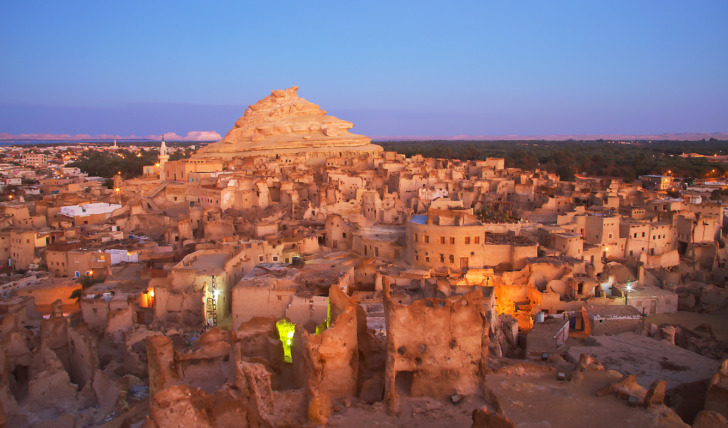
Siwa Oasis feels like one of those places that barely seems real until you get there.
Tucked away in Egypt’s far western desert near the Libyan border, Siwa is a remote pocket of palm groves, salt lakes, mud-brick ruins, and natural springs surrounded by vast, open sand.
It is very different from the Egypt most travelers picture first.
There are no giant city crowds, no Nile cruise traffic, and no nonstop honking.
What you get instead is silence, starry skies, and a slower local rhythm that makes the whole place feel almost timeless.
That said, Siwa is not the kind of destination where you should switch your brain off.
Its remoteness is part of the magic, but it is also part of the risk.
Travel here can be very rewarding, especially for careful travelers who plan transport well, respect local customs, and avoid improvising desert adventures on their own.
Warnings & Dangers in Siwa Oasis

OVERALL RISK: MEDIUM
Siwa Oasis is usually calmer than Egypt’s biggest cities when it comes to street crime, but it is not a carefree destination. The main concerns are remoteness, long desert roads, limited medical access, and broader security concerns tied to the Western Desert region. For organized, sensible travelers, it can feel quite safe, but it still requires caution.

TRANSPORT & TAXIS RISK: MEDIUM
Transport is one of Siwa’s trickier points. Getting there often means a long overland journey from Cairo or Marsa Matrouh, and desert roads can be tiring, isolated, and subject to checkpoints or changing conditions. Inside Siwa, transport is simpler, but you still want reputable drivers, clear prices, and no last-minute off-road adventures without a licensed guide.

PICKPOCKETS RISK: LOW
Pickpocketing is not usually the first problem travelers talk about in Siwa. This is not Cairo or Alexandria, and the town’s pace is slower. Still, low risk does not mean zero risk. Markets, buses, and crowded visitor spots can create easy opportunities for opportunistic theft, especially if you leave your phone or wallet exposed.

NATURAL DISASTERS RISK: LOW
Siwa does not face major earthquake or flood danger on the scale some destinations do, but the desert brings its own natural concerns. Heat, dehydration, sun exposure, sandstorms, and road trouble in remote areas are the real issues. These are manageable for most travelers, but they can become serious fast if you are underprepared.

MUGGING RISK: LOW
Violent street crime is not the headline danger for most visitors to Siwa. Muggings are less common than in many large urban destinations. The bigger problem is ending up isolated, stranded, or in a transport situation you did not think through properly. Basic common sense, especially after dark and on remote roads, goes a long way here.

TERRORISM RISK: MEDIUM
This is one category travelers should not ignore just because Siwa feels peaceful. Egypt as a whole continues to carry security concerns, and the broader Western Desert region has faced official warnings because of safety and security issues. Tourists who stick to established routes, local rules, and licensed operators reduce their risk significantly, but the concern is still real.

SCAMS RISK: LOW
Siwa is generally less aggressive than Egypt’s busiest tourist hubs, which is a big part of its appeal. You are less likely to deal with the nonstop hustling that can wear travelers down elsewhere. Even so, inflated transport prices, unofficial guides, and vague desert excursion deals do happen, so confirm what you are paying for before saying yes.

WOMEN TRAVELERS RISK: MEDIUM
Women can absolutely enjoy Siwa, but this is a conservative destination in a conservative country. Many female travelers feel fine, especially in daylight and when dressing modestly, but unwanted attention can still happen. Solo women often do best when arranging transport in advance, staying in well-reviewed places, and avoiding isolated wandering after dark.

TAP WATER RISK: HIGH
Tap water is not something I would recommend drinking in Siwa. Even if some hotels filter or treat their water, travelers are far better off using sealed bottled water for drinking and being cautious with ice, uncooked foods washed in local water, and brushing teeth if you have a sensitive stomach.
Safest Places to Visit in Siwa Oasis
Shali Fortress Area
The area around the old Shali Fortress is usually one of the easiest places for travelers to explore.
It is central, familiar to locals used to seeing visitors, and full of the atmosphere people come to Siwa for.
Walking here during daylight feels comfortable for most travelers, especially when you stay aware of footing on older structures and uneven paths.
Cleopatra’s Spring and Central Visitor Spots
Well-known attractions like Cleopatra’s Spring tend to be among the safer places simply because they are established stops with regular visitor traffic.
These are good places to ease into Siwa, get your bearings, and spend time without feeling too isolated.
You still want to keep an eye on belongings, but the overall vibe is relaxed.
Salt Lakes with Organized Access
Siwa’s salt lakes are one of its biggest draws, and they can be very enjoyable when visited through a known property, hotel, or organized outing.
The lakes themselves are not dangerous in the dramatic sense, but slippery edges, harsh sun, and lack of shade mean it is smarter to go where access is clear and help is nearby.
Temple of the Oracle and Sunset Spots with Guides
The Temple of the Oracle and popular sunset points can be excellent, especially when reached through standard tourist routes.
I would keep these among the safer sightseeing choices if you are not venturing off into isolated desert areas on your own.
Siwa is at its best when you enjoy the scenery without trying to play explorer in remote terrain.
Places to Avoid in Siwa Oasis
Remote Desert Routes Without Licensed Guides
This is the biggest one.
The most avoidable risk in Siwa is going off into the desert casually, whether by jeep, quad, or private arrangement with someone whose credentials are unclear.
The Western Desert is beautiful, but it is also remote and sensitive from a security standpoint.
Do not improvise here.
Border-Adjacent Areas and Restricted Zones
Siwa is already in a remote western region, and anything pushing closer toward border-sensitive areas should be treated seriously.
Tourists do not need to test where the line is.
If local authorities, guides, or hotel staff say an area is off-limits or requires extra permission, take that at face value and stay away.
Empty Roads at Night
Siwa itself is not a nightlife danger zone, but deserted roads after dark are not where I would want to be casually wandering.
Lighting can be limited, distances can be deceptive, and roadside help is not always immediate.
If you need to move around at night, arrange transport instead of assuming it is fine to figure it out as you go.
Unofficial Excursion Meeting Points
Be careful with vague offers for desert safaris, camping, or “special local tours” that are not booked through a reputable camp, hotel, or licensed operator.
The risk here is less about robbery and more about getting into an unsafe logistical situation with poor vehicles, no emergency backup, and no clear accountability.
Safety Tips for Traveling to Siwa Oasis
- Use a licensed tour company for desert trips. This is the most important Siwa-specific tip. The desert is not a place for guesswork. Go with operators who are known locally, properly organized, and clear about route, timing, vehicle, and safety procedures.
- Plan your transport before arriving. Siwa is remote, and that remoteness is not theoretical. Book your bus, driver, or hotel transfer ahead of time so you are not stranded trying to negotiate long-distance transport after dark or under pressure.
- Avoid drinking tap water. Stick to sealed bottled water and be cautious with ice and raw foods if you are unsure how they were prepared. In a remote place, even a moderate stomach issue can ruin your trip fast.
- Dress modestly and read the local mood. Siwa is more traditional than many resort areas. Clothing that covers shoulders and knees is a smart baseline, especially for women. It helps reduce unwanted attention and shows respect for local culture.
- Do not explore isolated areas alone. A quiet road, dune edge, or half-empty ruin can look harmless until you realize there is nobody around if something goes wrong. Share your plans, especially if you are heading out beyond the town center.
- Carry cash, but not all of it at once. Remote destinations are not always ideal for relying on cards. Keep enough cash for transport, meals, and small purchases, but split it between bags or pockets rather than carrying everything in one place.
- Protect yourself from heat and sun. Even cooler months can feel intense under direct desert sun. Bring sunscreen, a hat, sunglasses, and more water than you think you need. Heat exhaustion is a more realistic danger here than many travelers expect.
- Respect checkpoints and photography rules. In sensitive regions, photographing security personnel, checkpoints, or restricted sites is a bad idea. If in doubt, do not take the photo. It is not worth the hassle.
- Choose accommodation with a strong reputation. In a place like Siwa, your hotel or ecolodge is more than just somewhere to sleep. Good properties often help arrange trustworthy drivers, guides, and local advice, which can make your trip safer and smoother.
- Stay updated before and during the trip. Because Siwa sits in Egypt’s western desert region, conditions and travel recommendations can change. Check the latest government travel advice before departure and ask your accommodation about current road and excursion conditions once you arrive.
So... How Safe Is Siwa Oasis Really?
Siwa Oasis is one of those destinations that is safer in practice than it sounds to some people, but riskier in important ways than it looks in photos.
Most travelers are not going there to face urban crime.
In fact, compared with larger Egyptian cities, Siwa often feels quieter, less chaotic, and less draining.
Petty theft and aggressive tourist hassle are generally not the main story.
The real safety picture comes down to three things: remoteness, regional security context, and preparation.
Siwa sits in Egypt’s Western Desert, a region that has drawn more caution from authorities than mainstream tourist centers such as Cairo, Luxor, or Red Sea resorts.
That does not automatically mean travelers should avoid it at all costs, but it does mean you should take route planning and official guidance seriously.
For most tourists, the most likely problems are practical rather than dramatic: dehydration, bad transport choices, unreliable guides, long road travel, or stomach issues from food and water.
Travelers who stay in reputable accommodation, book licensed excursions, avoid unauthorized desert wandering, and respect local customs usually have a smooth experience.
I would call Siwa manageable and rewarding, but not casual.
It is a place for alert travelers, not lazy ones.
How Does Siwa Oasis Compare?
| City | Safety Index |
|---|---|
| Siwa Oasis |
70 |
| Cairo |
40 |
| Aswan |
68 |
| Hurghada |
72 |
| Alexandria |
45 |
| Giza |
50 |
| Luxor |
65 |
 Deadwood Deadwood | 80 |
| Coralville | 87 |
 Puerto Varas Puerto Varas | 82 |
| West Columbia | 65 |
 Brussels Brussels | 60 |
 Porto Alegre Porto Alegre | 21 |
Useful Information

Visas
Most visitors to Egypt need a tourist visa. Many nationalities can apply online through Egypt’s e-visa system before travel, while some can still get a visa on arrival. A single-entry tourist visa is commonly valid for 30 days, and travelers should check current fees and eligibility before flying.

Currency
The local currency is the Egyptian pound. In remote places like Siwa, cash matters more than travelers may expect, so do not assume cards will solve everything. Exchange money in major cities or airports before heading deep into the desert, and keep smaller notes handy for transport and everyday purchases.

Weather
Siwa is a desert destination, so expect dry air, strong sun, and big seasonal differences. Winter and early spring are the most comfortable times to visit, while summer can be brutally hot. Pack light, breathable clothes for daytime, but bring layers because evenings and early mornings can feel surprisingly cool.

Airports
Siwa does not have a major commercial airport, so most travelers arrive by road. Cairo is the most common gateway, though Marsa Matrouh is much closer geographically and can reduce the driving distance. From either point, arrange a trusted driver, bus, or hotel transfer instead of leaving the journey to chance.

Travel Insurance
Travel insurance is a very good idea for Siwa Oasis. This is not just about lost luggage. Because the destination is remote, you want coverage for medical issues, transport disruptions, cancellations, and emergency assistance. The more offbeat the trip, the less I like the idea of traveling uninsured.
Siwa Oasis Weather Averages (Temperatures)
Average High/Low Temperature
| Temperature / Month | Jan | Feb | Mar | Apr | May | Jun | Jul | Aug | Sep | Oct | Nov | Dec |
|---|---|---|---|---|---|---|---|---|---|---|---|---|
| High °C |
19 | 21 | 25 | 29 | 34 | 37 | 38 | 38 | 35 | 31 | 25 | 20 |
| Low °C |
7 | 8 | 11 | 15 | 19 | 22 | 23 | 24 | 21 | 17 | 12 | 8 |
| High °F |
66 | 70 | 77 | 84 | 93 | 99 | 100 | 100 | 95 | 88 | 77 | 68 |
| Low °F |
45 | 46 | 52 | 59 | 66 | 72 | 73 | 75 | 70 | 63 | 54 | 46 |
Egypt - Safety by City
| City | Safety Index |
|---|---|
| Alexandria | 45 |
| Aswan | 68 |
| Cairo | 40 |
| Giza | 50 |
| Hurghada | 72 |
| Luxor | 65 |
| Port Said | 58 |
| Sharm el Sheikh | 70 |
| Siwa Oasis | 70 |




I didn’t expect the silence there to be so intense, like you could actually hear the stars.