


 Egypt : Safety by City
Egypt - safety as a country
Giza is one of those places that barely feels real until you are standing in front of it.
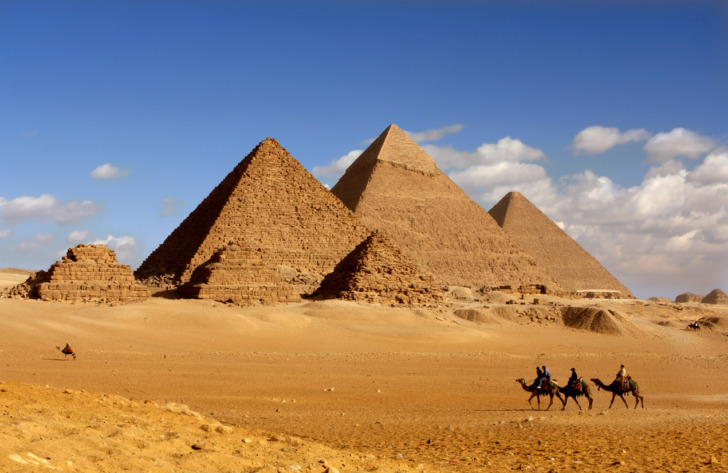
Sitting on the western edge of Greater Cairo along the Nile, Giza is world-famous for the Pyramids, the Great Sphinx, and the desert plateau that has pulled travelers in for centuries.
It is not a quiet resort town or an easygoing old village.
It is busy, noisy, chaotic, historic, and full of energy.
That mix is part of the appeal, but it also means travelers need to arrive prepared.
In my view, Giza is a destination where common sense matters more than fear.
Most tourists visit without serious trouble, but hassles, scams, traffic, aggressive sellers, and occasional harassment can wear people down if they are not ready for them.
Travel smart, and Giza can be an unforgettable stop.
Warnings & Dangers in Giza

OVERALL RISK: MEDIUM
Giza is generally manageable for tourists, but it is not a place where you should switch off completely. The biggest issues are usually scams, traffic, aggressive touts, and occasional harassment rather than violent crime aimed at visitors. Most trips go smoothly, especially when travelers use reputable guides, trusted transport, and stay alert in crowded tourist zones.

TRANSPORT & TAXIS RISK: MEDIUM
Getting around Giza can be stressful because traffic is intense, driving habits can feel chaotic, and taxi pricing is not always straightforward. App-based rides are often the easiest option. Street taxis can be fine, but fare disputes and roundabout routes happen. Crossing roads is also a real challenge, so travelers need patience and caution.

PICKPOCKETS RISK: MEDIUM
Pickpocketing is not the biggest problem in Giza, but it is still a realistic risk in packed areas, around transport hubs, and at major attractions. Crowds near the pyramids and busy city streets create easy opportunities for petty theft. Keep your phone secure, avoid flashing cash, and use a crossbody bag that stays zipped.

NATURAL DISASTERS RISK: LOW
Giza does not face frequent natural disasters on the scale seen in some other travel destinations. The main environmental issues are extreme heat, sun exposure, dust, and occasional sandstorms. In summer, dehydration and heat exhaustion are more realistic concerns than earthquakes or flooding. Most travelers simply need to plan around the climate.

MUGGING RISK: LOW
Violent street crime against tourists is less common than many first-time visitors expect. Mugging can happen, as it can in any major urban area, but it is not the main safety concern for most people in Giza. Travelers are more likely to deal with persistent vendors, scams, or verbal pressure than physical attacks.

TERRORISM RISK: MEDIUM
Egypt has faced terrorism concerns in the past, and that cannot be ignored completely. However, major tourist zones around Cairo and Giza tend to have a visible security presence, checkpoints, and monitoring. For most travelers, the practical takeaway is to stay away from demonstrations, follow local news, and avoid sensitive border or restricted areas elsewhere in the country.

SCAMS RISK: HIGH
This is one of the biggest problems in Giza. Expect inflated prices, fake “help,” unofficial guides, camel or horse ride tricks, pressure for tips, and vendors claiming something is free when it absolutely is not. None of this means Giza is unsafe in a dramatic sense, but it does mean travelers need firm boundaries and a skeptical mindset.

WOMEN TRAVELERS RISK: MEDIUM
Women can absolutely visit Giza, including solo travelers, but many report unwanted attention, staring, or persistent comments. Dressing modestly, using reputable transport, and avoiding wandering alone late at night can make a big difference. The risk is usually more about harassment and discomfort than serious physical danger, but it should still be taken seriously.

TAP WATER RISK: HIGH
Many visitors do better avoiding tap water in Giza, especially if they are not used to local water systems. Even when locals drink it, travelers often experience stomach issues from changes in water quality, mineral content, or food handling. Stick to sealed bottled water and use it for drinking and, if you are sensitive, even brushing your teeth.
Safest Places to Visit in Giza
Giza Plateau
The Giza Plateau is the obvious highlight and, despite its intense tourist energy, one of the safer areas for visitors because it is heavily visited and closely monitored.
The key here is not fear of violent crime but staying calm around aggressive sellers, unofficial guides, and ride operators.
Go early in the day, carry small bills, and be very clear when saying no.
If you want the classic Giza experience, this is still the must-see spot.
Grand Egyptian Museum Area
The area around the Grand Egyptian Museum has become one of the most attractive parts of the wider Giza tourist scene.
It feels more structured than some of the older, more chaotic pockets nearby.
Visitors interested in Egypt’s history can spend hours here with less street hassle than in some open public areas.
It is a strong choice for travelers who want a more organized sightseeing experience.
Nile-Facing Hotel Zones
Well-known hotel areas in Giza and nearby districts connected to greater Cairo tend to be among the easiest places for tourists to manage.
You usually have staff support, arranged transport, security measures, and easier access to guided tours.
For first-time visitors, staying in a reputable hotel zone can reduce stress dramatically and make the city feel much more approachable.
Sound and Light Show Vicinity
The evening show area near the pyramids can be enjoyable when visited through organized transport or with a hotel-arranged driver.
It is best approached as a controlled outing rather than a place to wander casually afterward.
With planning, it can be a memorable and relatively comfortable way to enjoy the site after dark.
Places to Avoid in Giza
Isolated Streets Around the Pyramids After Dark
The area around the pyramids is magical by day, but deserted or poorly lit stretches nearby can feel very different at night.
This is not the time to go exploring on foot just because something looks close on the map.
Limited lighting, fewer people, and opportunistic scams make it smarter to use arranged transport and return to busy areas promptly.
Unofficial Camel and Horse Meeting Points
Some of the most frustrating experiences in Giza happen around animal ride operators who approach tourists outside controlled or clearly priced arrangements.
Problems can include surprise price changes, demands for extra tips, and pressure tactics once the ride has started.
It is better to avoid spontaneous deals and book only through a trusted hotel, platform, or guide.
Congested Local Streets With Heavy Traffic
Certain parts of urban Giza are not dangerous because of crime, but because they are physically exhausting and chaotic.
Narrow sidewalks, aggressive driving, noise, and poor pedestrian flow can make some areas miserable for visitors, especially at night or during peak traffic.
If you do not know the neighborhood, avoid long casual walks through unfamiliar busy streets.
Demonstrations and Large Political Gatherings
Even if they look peaceful at first, demonstrations are not places for tourists to linger.
Situations can change quickly, security can tighten, and foreigners nearby may attract unwanted attention.
If you notice crowds gathering for political reasons, leave the area and choose a different route without hesitation.
Safety Tips for Traveling to Giza
- Use app-based rides whenever possible. In Giza, transport confusion creates a lot of unnecessary stress. App-based rides can reduce fare disputes, route games, and awkward negotiation. They also give you a record of the trip and a clear pickup point. That alone can make arrival and departure much smoother.
- Treat every “free” offer with suspicion. A common travel mistake in Giza is assuming that a quick photo, piece of advice, or short camel interaction is just friendly hospitality. Sometimes it is, but often it ends with a demand for money. If you do not want the service, refuse it early and clearly.
- Carry small bills and keep the rest hidden. Small change helps with legitimate tips and avoids pulling out a large amount of cash in public. It also reduces the chance of fake confusion over change. Keep bigger notes and backup cash in a separate place from your daily spending money.
- Dress for respect and comfort. Lightweight, modest clothing works well in Giza. It helps with the heat, fits local social expectations better, and can reduce unwanted attention. Comfortable closed shoes are also a smart move because pavement, dust, and uneven ground are part of the experience.
- Go early to major attractions. The earlier you arrive at the pyramids and other top sites, the more pleasant the experience usually is. Temperatures are lower, crowds are lighter, and you have more energy to deal with the environment. Morning visits also reduce the pressure of making tired decisions in the worst heat.
- Do not wander aimlessly after dark. Even if your hotel is not far, nighttime walking in unfamiliar parts of Giza is often more stressful than it is enjoyable. Use a trusted ride instead of testing your luck with unclear routes, dim streets, or persistent strangers offering “help.”
- Say no firmly and once. Giza can wear down polite travelers who try to explain too much. A short, calm “no, thank you” is usually better than engaging in long back-and-forth conversations. The more you negotiate attention you never wanted, the harder it becomes to disengage.
- Stay hydrated and protect yourself from the sun. Heat is a bigger travel threat here than many people expect. Bring water, use sunscreen, wear a hat, and take breaks. The desert setting can drain your energy fast, especially if you are walking for hours at historic sites.
- Book tours and guides carefully. A good guide can make Giza easier, richer, and less stressful. A bad or unofficial one can do the opposite. Use established companies, hotel recommendations, or providers with clear pricing and a solid reputation. That one decision can improve your whole visit.
- Keep your valuables simple and close. Leave flashy jewelry, extra cards, and unnecessary electronics behind when sightseeing. Carry only what you need for the day. A zipped crossbody bag or money belt is far more useful here than a wide-open tote or an overstuffed backpack.
So... How Safe Is Giza Really?
Giza is not the kind of destination I would describe as carefree, but I also would not call it off-limits for tourists.
The reality sits in the middle.
For most visitors, the main risks are practical and persistent rather than extreme: scams, taxi issues, harassment, heat, traffic, and petty theft.
Those problems are real, and pretending otherwise does not help anyone.
At the same time, millions of people are drawn to Giza because the rewards are enormous.
Few places on earth deliver this level of historical weight and visual impact.
The overall picture is that serious violence against tourists is not the typical day-to-day concern in the main sightseeing zones.
Instead, the safety challenge is managing pressure, noise, crowds, and opportunists without letting the trip get away from you.
Travelers who book reliable accommodation, use trusted transport, avoid isolated wandering, and keep expectations realistic usually do fine.
If you come expecting a polished, low-stress city break, Giza may feel overwhelming.
If you come prepared for intensity, stay alert, and move smart, it can be a deeply memorable destination.
I would rate Giza as reasonably visitable for travelers who are confident, cautious, and not easily rattled by a bit of chaos.
How Does Giza Compare?
| City | Safety Index |
|---|---|
| Giza |
50 |
| Siwa Oasis |
70 |
| Luxor |
65 |
| Alexandria |
45 |
| Cairo |
40 |
| Hurghada |
72 |
| Sharm el Sheikh |
70 |
 Arnolds Park Arnolds Park | 85 |
 Damascus Damascus | 15 |
| Bethlehem | 80 |
 Palm Beach Palm Beach | 88 |
| Woodbury | 83 |
| West Yellowstone | 84 |
Useful Information

Visas
Many tourists visiting Egypt can apply for an e-visa before arrival or get a tourist visa on arrival at major airports, depending on nationality. A typical single-entry tourist visa is valid for about 30 days. Requirements and fees can change, so travelers should always check the latest rules before flying and carry printed confirmations if using e-visa approval.

Currency
The local currency is the Egyptian pound. Cash is still very useful in Giza, especially for tips, small purchases, and local transport situations. Exchange money at airports, banks, or reputable exchange offices instead of informal street offers. Cards are accepted in many hotels and larger businesses, but small notes are essential for daily convenience.

Weather
Giza has a desert climate with long, hot summers and mild winters. Summer sightseeing can be exhausting in the midday sun, while winter mornings and evenings can feel cooler than people expect. Pack breathable clothing, comfortable walking shoes, sunglasses, sunscreen, and at least one light layer for early starts or evening outings.

Airports
The main airport for Giza is Cairo International Airport, which serves both Cairo and the Giza area. Depending on traffic, the journey to Giza can take well under an hour or much longer during busy periods. Many travelers find it easiest to arrange a hotel pickup or use a trusted ride app rather than negotiating on arrival.

Travel Insurance
Travel insurance is a very good idea for Giza. It can help with medical issues, trip delays, lost baggage, canceled bookings, and unexpected problems during excursions. Even if you are only planning a short stay, the mix of heavy traffic, intense heat, and fast-moving travel plans makes solid insurance worth having.
Giza Weather Averages (Temperatures)
Average High/Low Temperature
| Temperature / Month | Jan | Feb | Mar | Apr | May | Jun | Jul | Aug | Sep | Oct | Nov | Dec |
|---|---|---|---|---|---|---|---|---|---|---|---|---|
| High °C |
1 | 22 | 25 | 30 | 34 | 36 | 38 | 37 | 36 | 31 | 26 | 21 |
| Low °C |
9 | 11 | 13 | 16 | 20 | 22 | 22 | 22 | 36 | 18 | 16 | 12 |
| High °F |
34 | 72 | 77 | 86 | 93 | 97 | 100 | 99 | 97 | 88 | 79 | 70 |
| Low °F |
48 | 52 | 55 | 61 | 68 | 72 | 72 | 72 | 97 | 64 | 61 | 54 |
Egypt - Safety by City
| City | Safety Index |
|---|---|
| Alexandria | 45 |
| Aswan | 68 |
| Cairo | 40 |
| Giza | 50 |
| Hurghada | 72 |
| Luxor | 65 |
| Port Said | 58 |
| Sharm el Sheikh | 70 |
| Siwa Oasis | 70 |












I remember feeling totally overwhelmed by the constant noise and crowds, but seeing the pyramids up close made it all worth it.