


 Morocco : Safety by City
Morocco - safety as a country
Rabat does not always get the same attention as Marrakech or Casablanca, but that is part of its appeal.
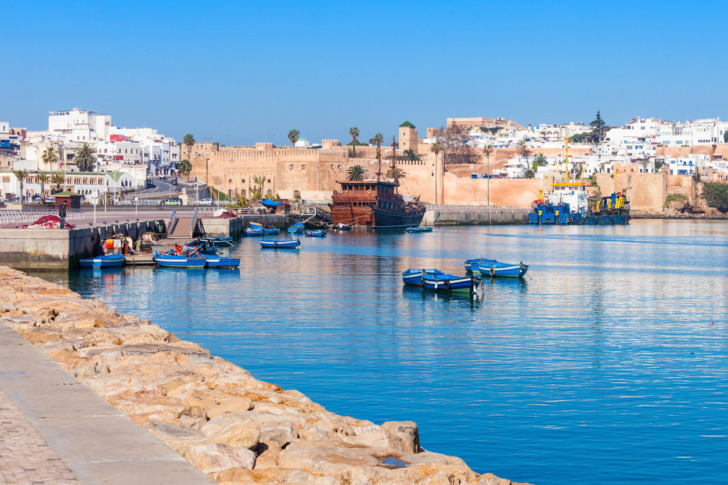
Morocco’s capital sits on the Atlantic coast, where the Bou Regreg River meets the ocean, and it feels more polished, administrative, and relaxed than many of the country’s busier tourist centers.
You get ocean views, old walls, elegant boulevards, historic kasbahs, and a daily rhythm that is calmer than what many first-time visitors expect from a North African capital.
That does not mean travelers should switch off their instincts.
Rabat still has the usual urban issues: petty theft, taxi hassles, occasional harassment, and the need to stay alert after dark.
Still, it is one of the easier Moroccan cities for cautious tourists to handle, especially if you stay in well-known areas and travel with common sense.
Warnings & Dangers in Rabat

OVERALL RISK: LOW
Rabat is one of the lower-risk major cities in Morocco for tourists. It has a reputation for being more orderly, more residential, and less chaotic than some of the country’s bigger tourism magnets. The bigger concerns are usually petty theft, scams, and situational awareness rather than serious street violence.

TRANSPORT & TAXIS RISK: MEDIUM
Public transport is usable, and getting around Rabat is generally straightforward, but taxis can be annoying if you are visibly a tourist. The most common issue is overcharging or refusal to use the meter. Airport transfers are easy enough, though you should confirm the fare or insist on proper pricing before getting in.

PICKPOCKETS RISK: MEDIUM
Pickpocketing is not something to obsess over in Rabat, but it is very real in crowded areas, markets, public transport, and busy streets. The risk is more about distraction theft than organized violent robbery. Bags, phones, and wallets should stay secure, especially in the medina and around transit hubs.

NATURAL DISASTERS RISK: LOW
Rabat is not a city where natural disasters dominate the travel conversation. Seasonal rain, occasional flooding in low areas, and rough coastal weather can cause some inconvenience, but this is not a destination where earthquakes or major environmental threats are an everyday traveler concern. Practical weather awareness is usually enough.

MUGGING RISK: LOW
Compared with many capitals, Rabat has a fairly low mugging risk for travelers who stick to sensible routines. There can still be occasional incidents at night in isolated areas, so the real lesson is simple: avoid deserted streets, empty alleys, and late solo walks in unfamiliar neighborhoods.

TERRORISM RISK: MEDIUM
This category cannot be ignored. As with many international capitals and popular destinations, crowded public places, transport hubs, markets, and major tourist sites always carry some background security risk. That said, this is not something most visitors directly feel in daily life, but it is wise to stay aware.

SCAMS RISK: MEDIUM
Scams in Rabat are usually more irritating than dangerous. Think unofficial guides, inflated prices, taxi games, or people offering help and then demanding money. These are easy to avoid once you know the pattern. A polite but firm no, and a habit of checking prices in advance, solves most of it.

WOMEN TRAVELERS RISK: MEDIUM
Rabat is often considered one of the easier places in Morocco for women travelers, especially in neighborhoods with active street life like Agdal, but that does not mean zero issues. Solo women may still deal with staring, unwanted comments, or mild harassment. Dressing respectfully and avoiding isolated areas at night remain smart habits.

TAP WATER RISK: MEDIUM
I would not rely on Rabat’s tap water as a visitor. Even if many locals drink it, tourists often do better with bottled or filtered water. It is also smart to be cautious with ice, uncooked foods washed in tap water, and drinks from places where hygiene standards seem questionable.
Safest Places to Visit in Rabat
Kasbah of the Oudayas
This is one of the first places I would recommend to any visitor.
It is scenic, historic, and one of the most pleasant areas to explore on foot during the day.
The blue-and-white lanes, ocean views, and quieter atmosphere make it feel more relaxed than a packed market district.
It is ideal for slow wandering, photos, and a softer introduction to the city.
Hassan Area and Mohammed V Mausoleum
The Hassan district is one of the most straightforward parts of Rabat for tourists.
It is formal, open, and home to some of the city’s most important monuments.
The broad spaces around Hassan Tower and the Mausoleum of Mohammed V feel more controlled and less hectic than tighter old-city streets.
For travelers who like major sights without sensory overload, this area is a smart pick.
Agdal
Agdal is one of the city’s most comfortable modern neighborhoods.
It is popular for cafés, restaurants, shopping, and evening strolls, and it has a lively but less intimidating feel.
If you are a first-time visitor and want somewhere that feels urban but manageable, Agdal is a strong choice for staying, dining, and moving around after dark with normal caution.
Chellah and the Riverfront
Chellah offers history without the crush of a dense market quarter.
The site and surrounding areas can make for a more peaceful sightseeing experience, while parts of the riverfront and marina side feel cleaner and more modern than what some travelers picture when they think of old North African capitals.
These are good zones for travelers who want beauty and breathing room.
Places to Avoid in Rabat
Isolated Medina Side Streets at Night
Rabat’s medina is not the most intimidating in Morocco, but nighttime changes the equation.
Main routes with activity are one thing.
Quiet side alleys with little foot traffic are another.
This is the kind of place where confusion, opportunistic theft, or unwanted attention is more likely, especially if you are carrying a phone in your hand or clearly look lost.
Around Major Transport Hubs Without a Plan
Train stations, bus points, and taxi pickup areas are not necessarily dangerous in the dramatic sense, but they are exactly where overcharging, pestering, and petty theft become more likely.
Travelers arriving tired, juggling luggage, and looking for directions make easy targets for low-level scams.
Know your route before you arrive and avoid lingering.
Poorly Lit or Empty Streets After Dark
This is less about one famous dangerous neighborhood and more about behavior.
Rabat rewards travelers who stay in active, well-lit areas.
Once streets get empty, the risk goes up.
If a road feels deserted, dim, or disconnected from restaurants and regular pedestrian traffic, it is not the place to test your luck.
Parts of Neighboring Salé Late at Night
Salé is directly across the river and not automatically off-limits, but some travelers feel less comfortable there after dark, especially if they do not know the area.
For most visitors, the smarter move is simple: use Salé for transit or specific plans, not for random nighttime wandering with no local knowledge.
Safety Tips for Traveling to Rabat
- Keep your phone and wallet out of easy reach in crowded places. Rabat is not a city where you need to walk around scared, but crowded streets, markets, and transit areas are where petty theft happens. Crossbody bags, zipped compartments, and not flashing your phone constantly make a big difference.
- Use taxis carefully. Before the ride starts, make sure the driver is using the meter or that you both agree on the fare. This is one of the oldest travel problems in Morocco, and Rabat is not immune. Airport and station pickups are the moments when tourists get overcharged most often.
- Stay in well-known neighborhoods. If you book accommodation in places like Agdal, Hassan, or another established central area, the whole trip gets easier. Better lighting, more foot traffic, and easier transport connections reduce stress and lower your odds of wandering into uncomfortable situations.
- Do not walk alone in empty areas late at night. Rabat is easier than many cities, but late-night isolation changes the risk level. If the street looks empty or poorly lit, take a taxi or choose a busier route.
- Be politely firm with unsolicited help. If someone insists on guiding you, carrying something, or showing you a shortcut, assume there may be a money request attached. A calm, direct no is usually enough. The safest traveler in Rabat is often the one who looks friendly but not easily steered.
- Dress with local norms in mind. You do not need to erase your personality, but modest clothing tends to reduce unwanted attention, especially for women. Rabat is fairly modern, yet it still pays to respect the local environment, especially at religious or traditional sites.
- Carry bottled water and be selective with ice and salads. A lot of travel misery begins with stomach trouble, not street crime. Sealed bottled water is the safer move, and caution with uncooked food in uncertain places can save you several miserable days.
- Keep copies of your key documents. Carry a digital backup of your passport, travel insurance, and booking details. You do not want a stolen phone or missing bag to turn into a paperwork disaster. Store copies separately from the originals.
- Watch your surroundings at ATMs. Use machines inside banks or in busier, monitored locations whenever possible, and do not count cash openly on the sidewalk.
- Follow the news if there are protests or large public gatherings. This is not an everyday tourist issue, but if you see a crowd gathering, that is your cue to walk the other way, not closer for photos.
So... How Safe Is Rabat Really?
Rabat is one of those cities that tends to feel safer in practice than many first-time travelers expect.
The biggest reason is that its risk profile is usually more irritating than alarming.
Petty theft, taxi overcharging, occasional harassment, and basic tourist-targeted scams are the issues most people are actually dealing with.
Serious violent crime against tourists is not what defines the city.
That matters.
At the same time, it would be too easy to call Rabat totally safe and leave it there.
Like any capital city, it still comes with background risks.
Crowded areas attract pickpockets, isolated streets after dark are best avoided, and solo travelers need to stay alert in unfamiliar neighborhoods.
Women traveling alone may encounter unwanted attention, and visitors who arrive unprepared can easily get caught in low-level scams.
My honest read is this: Rabat is a good destination for travelers who want a Moroccan city that feels more composed and less exhausting than the country’s busier tourism heavyweights.
If you stay in the right areas, move confidently, avoid quiet streets late at night, and treat petty scams as the main threat, your odds of having a safe trip are very good.
Rabat is not risk-free, but it is very manageable.
How Does Rabat Compare?
| City | Safety Index |
|---|---|
| Rabat |
75 |
| Tangier |
70 |
| Chefchaouen |
80 |
| Casablanca |
50 |
| Meknes |
72 |
| Fes |
51 |
| Marrakech |
60 |
 Phuket Phuket | 65 |
 Alton Alton | 46 |
| Massachusetts | 84 |
| Gastonia | 61 |
| Granite City | 78 |
| Winfield | 88 |
Useful Information

Visas
Visa requirements depend on your nationality, so travelers should check the latest entry rules before booking. Some visitors can enter Morocco visa-free for a limited stay, while others may need to apply in advance. Always make sure your passport has enough validity left and keep a copy of your travel documents with you.

Currency
Rabat uses the Moroccan dirham, abbreviated as MAD. For most travelers, the easiest approach is withdrawing local currency from bank ATMs or exchanging money at reputable exchange offices rather than carrying too much cash from home. Keep smaller notes handy for taxis, snacks, and day-to-day purchases.

Weather
Rabat has a milder coastal climate than many inland Moroccan cities, which makes it more comfortable year-round. Summers can still feel warm, while evenings outside the hottest months may be breezy or cool near the coast. Pack light layers, comfortable walking shoes, and a light jacket if you are visiting outside peak summer.

Airports
The main airport for the city is Rabat-Salé Airport. It is relatively close to the city, and travelers can reach central Rabat by taxi or a combination of public transport options. Taxis are faster and simpler after arrival, while public transport is cheaper if you are traveling light and not in a rush.

Travel Insurance
Travel insurance is a smart idea for Rabat, even if the city feels relatively low stress. Good coverage should include medical care, theft, trip delays, and emergency assistance. It is one of those things you hope you never use, but it can save you a lot of money and stress if something goes wrong. If you want, I can also make this a little more site-owner sounding and punchier so it matches your other travel safety pages even better.
Rabat Weather Averages (Temperatures)
Average High/Low Temperature
| Temperature / Month | Jan | Feb | Mar | Apr | May | Jun | Jul | Aug | Sep | Oct | Nov | Dec |
|---|---|---|---|---|---|---|---|---|---|---|---|---|
| High °C |
17 | 18 | 19 | 20 | 22 | 25 | 27 | 28 | 27 | 24 | 20 | 17 |
| Low °C |
8 | 11 | 10 | 12 | 14 | 17 | 19 | 20 | 19 | 16 | 12 | 9 |
| High °F |
63 | 64 | 66 | 68 | 72 | 77 | 81 | 82 | 81 | 75 | 68 | 63 |
| Low °F |
46 | 52 | 50 | 54 | 57 | 63 | 66 | 68 | 66 | 61 | 54 | 48 |
Morocco - Safety by City
| City | Safety Index |
|---|---|
| Agadir | 77 |
| Casablanca | 50 |
| Chefchaouen | 80 |
| Essaouira | 79 |
| Fes | 51 |
| Marrakech | 60 |
| Meknes | 72 |
| Ouarzazate | 78 |
| Rabat | 75 |
| Tangier | 70 |






Funny how the ocean breeze there makes the chaos feel miles away, even when you have to keep an eye on your bag.
Did you find any spots along the Bou Regreg River where you could just chill and ignore the usual city rush?