


 Morocco : Safety by City
Morocco - safety as a country
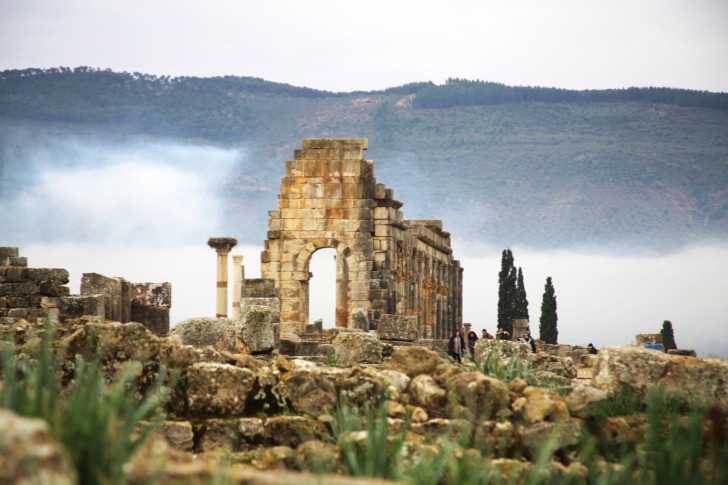
Meknes is one of Morocco’s great imperial cities, but it usually gets less attention than Marrakesh or Fez.
That is part of its charm.
Sitting in northern central Morocco on the Saïss Plain, between Fez and the Middle Atlas, Meknes mixes grand gates, old walls, lively markets, and a slightly calmer pace than some of the country’s busier tourist centers.
The city is known for its connection to Sultan Moulay Ismail, its historic medina, and its UNESCO-listed old city, which gives it plenty of architectural wow factor without feeling quite as overwhelming as larger hubs.
From a traveler’s point of view, Meknes is not a place that usually feels wildly dangerous, but it is a place where common sense matters.
Most visitors are far more likely to deal with petty hassles, scams, or unwanted attention than with serious violent crime.
Warnings & Dangers in Meknes

OVERALL RISK: MEDIUM
Meknes is generally manageable for travelers, especially in the daytime and in well-known tourist areas, but I would not call it completely carefree. Travelers need to watch for petty theft, scams, and occasional harassment in busy urban areas. For most tourists, the real risk is inconvenience rather than serious harm.

TRANSPORT & TAXIS RISK: MEDIUM
Getting around Meknes is usually straightforward, but taxis can still be one of those travel experiences where you need your eyes open. Agree on the fare or insist on the meter when possible, avoid hopping into unofficial cars, and be more cautious after dark. Public transport links through Fez also make arrivals and departures workable, though not always smooth or fast.

PICKPOCKETS RISK: MEDIUM
Pickpocketing is one of the more believable risks in Meknes, especially in crowded medina streets, markets, transport areas, and around major attractions. A crossbody bag, zipped pockets, and a little awareness go a long way. Flashing a phone, wallet, or jewelry is an open invitation you do not need to send.

NATURAL DISASTERS RISK: LOW
Meknes is not a place where most tourists plan a trip around natural disaster fears, but the risk is not zero. Morocco can face earthquakes and flooding, and the wider region is not immune to severe weather. In practical terms, this is a low risk for short-term travelers, though heavy weather can still disrupt plans.

MUGGING RISK: MEDIUM
Serious street crime against tourists is less common than petty theft, but it would be too optimistic to rate mugging risk as low across the board. Quiet streets late at night, poorly lit areas, and showing valuables can increase the odds of trouble. Most visitors never deal with anything worse than nuisance behavior, but caution is still smart.

TERRORISM RISK: MEDIUM
This is one of those risks that may not be visible on the ground day to day, yet it cannot be ignored. Morocco continues to carry a general terrorism concern, particularly in tourist locations, transportation hubs, markets, and public spaces. That does not mean Meknes feels tense all the time, but it does mean travelers should stay alert.

SCAMS RISK: MEDIUM
Scams are one of the most realistic traveler headaches in Morocco, and Meknes is no exception. Overhelpful strangers, inflated taxi fares, unofficial guides, and pressure in market areas are the kinds of things I would expect before anything dramatic. These are more annoying than dangerous, but they can ruin your mood if you arrive unprepared.

WOMEN TRAVELERS RISK: MEDIUM
Women can absolutely visit Meknes, including solo, but they should expect more social friction than they might in many European cities. Street harassment, staring, and persistent comments are commonly reported by female travelers in Morocco. Dressing modestly, walking confidently, and avoiding quiet areas at night can make a real difference. The issue is often discomfort and attention, not necessarily violent crime.

TAP WATER RISK: MEDIUM
Tap water in Morocco is one of those topics where the answer is not perfectly black and white. Some cities have decent filtration, but travelers still often prefer bottled or reliably filtered water to avoid stomach issues, especially when first arriving. In Meknes, I would be cautious and use bottled water or filtered water for drinking.
Safest Places to Visit in Meknes
Place El Hedim and Bab Mansour
This is the part of Meknes most travelers picture first.
Bab Mansour is the city’s star gate, and Place El Hedim is the kind of open square where you can get your bearings without immediately feeling trapped in a maze.
During the day, this area is one of the easier places for tourists to explore because it is central, busy, and well-known.
Busy does not mean risk-free, but it does mean there are usually plenty of people around, which makes it a more comfortable place to start.
Mausoleum of Moulay Ismail
For travelers who like history without chaos, this is one of the best stops in the city.
It is a respected site and generally feels calmer and more structured than the surrounding market lanes.
The atmosphere tends to be more controlled, which is helpful if you want to enjoy Meknes without dealing with constant street pressure.
It is also one of the places that gives Meknes its imperial identity.
Heri es Souani and Sahrij Swani
These former royal granaries, stables, and water areas are among the most interesting parts of Meknes to visit.
They are especially good for travelers who want something spacious and photogenic without the intensity of a packed medina.
The site is well known, visually impressive, and easier to explore at a slower pace.
I would rank it among the better choices for visitors who prefer room to breathe.
Bou Inania Madrasa and the Historic Core
The old city of Meknes is one of its biggest draws.
The safer way to enjoy it is during daylight hours, on main routes, and without wandering too far into quiet lanes unless you know where you are going.
Done that way, the historic core can feel atmospheric rather than stressful.
It rewards travelers who stay observant and do not confuse charming with risk-free.
Places to Avoid in Meknes
Isolated Medina Alleys After Dark
The medina is not automatically dangerous, but some of its narrower and quieter sections can become uncomfortable once the crowds thin out.
This is where getting lost stops feeling cute and starts feeling annoying or risky.
If you are exploring in the evening, stick to busier routes and avoid wandering simply because a side street looks interesting.
Quiet Peripheral Streets at Night
Like many cities, Meknes feels very different depending on the hour.
Streets away from the main attractions and commercial zones can become poorly lit and less predictable at night.
Travelers are usually better off avoiding long walks through unfamiliar residential edges, empty roads, or dim backstreets after dark, especially if carrying valuables or using a phone openly.
Transport Hubs and Crowded Market Areas When Distracted
These are not places you must avoid completely, but they are places to handle carefully.
Busier stations, market lanes, and busy public squares are where small thefts, hustling, and overcharging are more likely.
The danger here is usually not violent crime.
It is a distraction.
A traveler looking at maps, counting money, and dragging luggage all at once is much easier to target.
Unofficial Guide Situations
One thing I would actively avoid is letting random people steer your route, carry your bags without permission, or guide you somewhere vague for “help.”
In cities like Meknes, that can quickly turn into pressure for money, a detour into a shop, or an uncomfortable argument.
Firmly saying no early is usually easier than trying to exit later.
Safety Tips for Traveling to Meknes
- Stay alert in crowded places. Meknes is the kind of city where the biggest day-to-day risk is usually petty theft, not dramatic crime. Markets, squares, and busy entrances to attractions are where you should be most switched on. Keep your bag zipped, your phone secure, and your wallet out of back pockets.
- Use official taxis and discuss the fare first. Taxi confusion is one of the easiest travel problems to avoid. If the meter is not being used, settle the price before the ride starts. Do not assume that because a driver looks friendly, the fare will sort itself out later.
- Avoid walking alone in unfamiliar areas late at night. Daytime Meknes can feel historic and lively. Late-night Meknes, especially outside the main tourist zones, can feel a lot less welcoming. If you are out after dark, stick to busier streets and use transport rather than long walks through empty areas.
- Dress with local norms in mind. You do not need to erase your personality, but dressing a bit more modestly can lower unwanted attention. This matters especially for women travelers. In practical terms, it can make city wandering feel smoother and less exhausting.
- Do not follow strangers offering help. A common hassle in Moroccan cities is the spontaneous “guide” who insists a road is closed or a site is somewhere else. Sometimes that ends in a tip request. Sometimes it ends in a detour into a shop. Either way, it is usually better to rely on your own map or ask the staff at your hotel.
- Carry small cash, not all your cash. It is useful to have small notes for taxis, tips, and market purchases. What you do not want is to pull out a thick stack of money every time you buy something tiny. Keep the rest separate and out of sight.
- Be cautious with drinking water and food hygiene. Many travelers do better with bottled or filtered water, especially in the first days of the trip. Also, pay attention to where you eat. Busy food spots with regular turnover are often a safer bet than places where food has clearly been sitting around.
- Keep copies of your travel documents. A passport copy, your hotel details, and travel insurance information can save a lot of stress if something goes wrong. I like having both a digital copy and a paper copy, because phones are great until they suddenly are not.
- Respect local customs and avoid confrontations. Morocco is welcoming, but it is also a place where social norms matter. Being loud, dismissive, or argumentative with people in public rarely improves a situation. A calm, firm approach usually works better than trying to win a showdown.
- Watch for official travel updates before and during your trip. Even if Meknes itself feels quiet, wider country advisories can matter, especially for security warnings or transport disruptions. Staying informed is not about paranoia. It is just smart travel hygiene.
So... How Safe Is Meknes Really?
Meknes is not the sort of destination I would label dangerous in a dramatic sense, but it also is not one of those cities where you can shut off your instincts completely.
The balance is important.
For most tourists, the biggest issues are petty theft, scams, occasional harassment, and the usual urban travel annoyances.
What makes Meknes feel more manageable than some bigger tourist magnets is its pace.
It is busy, historic, and sometimes chaotic, but it is not usually as relentlessly intense as places that draw much larger tourist crowds.
That said, travelers still need to stay aware of their surroundings, especially in crowded areas, transport hubs, and unfamiliar streets after dark.
My honest take is that Meknes is reasonably safe for travelers who behave like travelers, not like movie characters.
Walk smart, keep your valuables close, avoid empty streets late, do not trust every smiling stranger with a shortcut, and prepare for some hassle rather than assuming a perfect bubble.
If you do that, Meknes is more likely to reward you with history, atmosphere, and a more relaxed imperial city experience than scare you away.
How Does Meknes Compare?
| City | Safety Index |
|---|---|
| Meknes |
72 |
| Casablanca |
50 |
| Tangier |
70 |
| Ouarzazate |
78 |
| Fes |
51 |
| Marrakech |
60 |
| Essaouira |
79 |
 Socorro Socorro | 73 |
 Jeju City Jeju City | 86 |
 Turin Turin | 42 |
| Farmington Hills | 72 |
 Puerto Princesa Puerto Princesa | 77 |
| Livonia | 76 |
Useful Information

Visas
For many tourists, including U.S. travelers, Morocco does not require a visa for stays under 90 days. Your passport should usually have at least six months of validity, and you should have a blank page for entry stamps. Travelers who do need a visa may have to apply through Morocco’s official visa channels, depending on nationality.

Currency
Morocco uses the Moroccan dirham, usually written as MAD. It is best to exchange money through banks, exchange offices, or withdraw from reputable ATMs rather than swapping cash in informal places. One thing travelers should remember is that Moroccan currency rules can be strict, so do not exchange far more cash than you plan to use.

Weather
Meknes generally has hot, dry summers and cooler, wetter winters. Summer days can feel very warm, while evenings in the cooler months may require layers. Light clothing works well for hot weather, but packing a light jacket, comfortable walking shoes, and sun protection is a smart move year-round.

Airports
The main airport option for Meknes is usually Fez-Saïss Airport, which is about an hour away by road. Many travelers reach Meknes by taxi, private transfer, or by combining airport transport with a train connection. If you are arriving late, arranging transportation in advance can make the trip much smoother.

Travel Insurance
Travel insurance is one of those things that feels boring until it suddenly becomes the smartest purchase of the trip. For Meknes, I would absolutely recommend it for medical issues, trip delays, theft, and unexpected disruptions. The city itself may not be extreme, but travel problems do not need to be dramatic to become expensive fast.
Meknes Weather Averages (Temperatures)
Average High/Low Temperature
| Temperature / Month | Jan | Feb | Mar | Apr | May | Jun | Jul | Aug | Sep | Oct | Nov | Dec |
|---|---|---|---|---|---|---|---|---|---|---|---|---|
| High °C |
16 | 18 | 20 | 22 | 26 | 31 | 35 | 35 | 31 | 26 | 20 | 17 |
| Low °C |
5 | 6 | 8 | 9 | 12 | 15 | 18 | 18 | 16 | 13 | 9 | 6 |
| High °F |
61 | 64 | 68 | 72 | 79 | 88 | 95 | 95 | 88 | 79 | 68 | 63 |
| Low °F |
41 | 43 | 46 | 48 | 54 | 59 | 64 | 64 | 61 | 55 | 48 | 43 |
Morocco - Safety by City
| City | Safety Index |
|---|---|
| Agadir | 77 |
| Casablanca | 50 |
| Chefchaouen | 80 |
| Essaouira | 79 |
| Fes | 51 |
| Marrakech | 60 |
| Meknes | 72 |
| Ouarzazate | 78 |
| Rabat | 75 |
| Tangier | 70 |
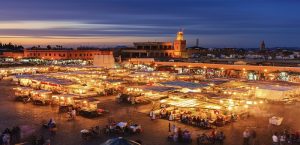
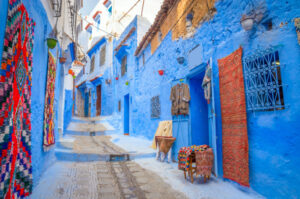












I never expected to find such peaceful vibes in Meknes, especially compared to Fez, and that market smell just sticks with you.
Spent a few hours wandering the medina and was surprised by how peaceful it felt compared to the busier cities nearby, especially enjoying the quiet grand gates that stand out without the usual tourist chaos.