


 Albania : Safety by City
Albania - safety as a country
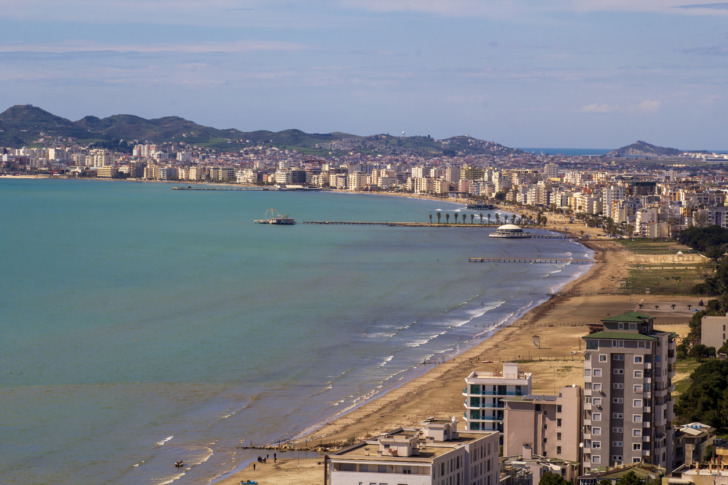
Durrës is Albania’s classic seaside gateway: a port city on the Adriatic Sea, about 35 kilometers west of Tirana, with beaches, Roman ruins, seafood restaurants, ferry traffic, and a long summer promenade that fills with families, couples, and vacationers.
It is one of the oldest cities in Albania, once known as Dyrrhachium, and you can still see pieces of that history in its Roman amphitheater, Byzantine walls, archaeological museum, and old streets near the center.
Durrës is not a polished little resort town.
It is busy, slightly messy, energetic, and very local in places.
That mix is part of its appeal.
From a safety point of view, Durrës is generally manageable for tourists, but you should stay alert around transport, beaches, nightlife, and crowded summer areas.
Warnings & Dangers in Durres

OVERALL RISK: LOW
Durrës is generally safe for travelers, especially in central areas, along the promenade, and in busy beach zones during the day. Violent crime against tourists is uncommon. The main concerns are petty theft, traffic, overcharging, beach safety, poor sidewalks, and late-night disorder in nightlife areas. Normal city awareness is enough for most visitors.

TRANSPORT & TAXIS RISK: MEDIUM
Transport is one of the bigger concerns in Durrës. Driving habits can feel aggressive, roads may be chaotic, and pedestrians need to pay close attention. Taxis are usually safe, but overcharging can happen, especially near the port, bus station, and beach areas. Confirm prices first or use a trusted app or hotel-arranged driver.

PICKPOCKETS RISK: MEDIUM
Pickpocketing is not extreme, but it is possible in crowded summer areas, on buses, near the port, around the train and bus station, and along busy beach promenades. Tourists carrying phones, wallets, and beach bags can be easy targets. Keep valuables zipped, avoid back-pocket wallets, and do not leave bags unattended on the sand.

NATURAL DISASTERS RISK: MEDIUM
Durrës has a medium natural-disaster risk because of earthquakes, summer heat, storms, flooding, and occasional rough sea conditions. The city was seriously affected by a major earthquake in 2019, so earthquake awareness is reasonable. In summer, heat and dehydration are more common problems for tourists than dramatic disasters.

MUGGING RISK: LOW
Muggings are not a major issue for most visitors in Durrës. The risk is low in busy tourist areas, especially during the day and early evening. It rises slightly late at night around isolated streets, poorly lit beach areas, and quieter neighborhoods. Avoid walking alone after midnight if you do not know the area well.

TERRORISM RISK: LOW
The terrorism risk in Durrës is low in day-to-day travel terms. Albania is not a frequent target for terrorist attacks, and Durrës is mainly a beach and port city. Still, travelers should stay aware in crowded public places, transport hubs, religious sites, and large events. This is background awareness, not a reason to avoid the city.

SCAMS RISK: MEDIUM
Scams in Durrës are usually low-level but annoying. The most common issues involve taxi overcharging, vague prices, beach chair fees, restaurant extras, currency confusion, and unofficial “help” around transport areas. Ask for prices before accepting services, check menus carefully, and avoid anyone who creates pressure or urgency around money.

WOMEN TRAVELERS RISK: LOW
Durrës is generally safe for women travelers, including solo visitors, especially in central and beach areas during the day. Unwanted attention can happen, particularly in nightlife zones or quieter streets after dark. Dress is relaxed on the beach, but more modest in town. Use trusted taxis at night and avoid isolated beach walks alone.

TAP WATER RISK: MEDIUM
Tap water in Durrës is not the safest bet for short-term visitors. Some locals may drink it, but water quality and old pipes can vary, and travelers with sensitive stomachs may have issues. Bottled water is cheap and widely available. Use it for drinking, and consider it for brushing teeth if your stomach is delicate.
Safest Places to Visit in Durres
The Main Promenade
The main seafront promenade is one of the safest and most enjoyable areas in Durrës, especially during the day and early evening.
It is busy with families, couples, walkers, cafes, restaurants, and beachgoers.
The atmosphere is relaxed and social, particularly in summer.
As always, keep an eye on your bag in crowds, but this is a comfortable area for tourists.
Durrës Amphitheater and Old City Area
The Roman amphitheater is one of the city’s most important historic sites and is located close to central streets, cafes, and other attractions.
During the day, this area is safe and easy to explore.
It is a good place to understand the city’s ancient past without leaving the urban center.
Wear comfortable shoes because sidewalks and old stones can be uneven.
Archaeological Museum Area
The area around the Archaeological Museum and nearby seafront is another safe and interesting part of Durrës.
It is close to the water, central hotels, and restaurants, making it practical for visitors.
This is a good daytime stop if you want a break from the beach and a better sense of Durrës beyond sunbeds and seafood.
Golem Beach by Day
Golem, just south of Durrës, is one of the area’s most popular beach zones.
It is generally safe during the day, with many hotels, restaurants, and families around in summer.
The main risks are petty theft from unattended beach bags, traffic along busy roads, and inflated tourist pricing in peak season.
Places to Avoid in Durres
Port Area Late at Night
Durrës is an important ferry and cargo port, and port areas are rarely the prettiest or most comfortable parts of a city after dark.
During the day, the area is useful for ferry travelers, but late at night it can feel rougher, more industrial, and less tourist-friendly.
Do not linger unnecessarily with luggage or valuables.
Bus Station and Transport Areas After Dark
The bus station and surrounding transport streets are practical but not especially charming.
Crowds, confusion, informal transport offers, and overcharging can be more common here.
During the day, you should be fine if you stay alert.
After dark, arrange transport in advance and avoid standing around looking lost with your phone and bags out.
Empty Beach Stretches at Night
Durrës beaches are lively in summer, but quiet stretches after dark are not ideal for walking alone.
The risk is not extreme, but isolated beach areas create opportunities for theft, harassment, or uncomfortable encounters.
Stay near lit restaurants, active promenades, and busier hotel zones if you are out late.
Poorly Lit Residential Streets Away From the Center
Most residential areas in Durrës are not dangerous in a dramatic sense, but tourists do not gain much by wandering unfamiliar side streets late at night.
Some areas have poor lighting, uneven sidewalks, stray dogs, or little foot traffic.
If you are staying outside the center, use taxis at night and learn your route in daylight first.
Safety Tips for Traveling to Durres
- Stay near the seafront or central areas for your first visit. The easiest areas for tourists are near the main promenade, the old center, the archaeological museum, and established beach hotels. These areas give you restaurants, shops, transport, and people around without needing to navigate too many unfamiliar neighborhoods. Durrës is spread out along the coast, so location matters more than it looks on a map.
- Agree on taxi prices before the ride. Taxi overcharging is one of the most realistic annoyances in Durrës. This is especially true near the port, bus station, beach areas, and during high season. Ask your hotel what a fair fare should be, confirm the price before getting in, or use a trusted app where available. Do not be shy about walking away.
- Be extra careful crossing roads. Traffic in Durrës can be hectic, and drivers may not always behave the way visitors expect. Use crossings, look both ways, and do not assume cars will stop just because they should. Scooters, buses, and impatient drivers are part of the local street rhythm. Walk like you are awake, not like you are on vacation autopilot.
- Watch your belongings at the beach. Beach theft is one of the easiest crimes to prevent. Do not leave your phone, wallet, passport, or bag unattended while swimming. Travel with only what you need, use a waterproof pouch if you are alone, and avoid leaving valuables under a towel as if thieves have never seen that trick before.
- Use bottled water for drinking. Bottled water is cheap, easy to find, and the safer option for most visitors. Even if tap water is technically treated in some areas, old pipes and stomach sensitivity can still cause problems. Use bottled water for drinking, especially in summer when dehydration is already working against you.
- Check beach conditions before swimming. The Adriatic can look calm, but wind, currents, jellyfish, and water quality can vary. Swim where locals and families are swimming, avoid stormy water, and be cautious after heavy rain. If you are traveling with children, stay close to shore and choose organized beach areas with other people around.
- Keep small cash, but do not flash money. Albania is much more card-friendly than it used to be, but cash is still useful for taxis, beach chairs, markets, small cafes, and tips. Carry small notes so you are not pulling out a large stack for tiny purchases. Use ATMs in banks or secure indoor areas when possible.
- Do not leave documents in your beach bag. Your passport should not spend the afternoon under a towel while you are in the sea. Keep it in your hotel safe or locked luggage unless you specifically need it. Carry a copy or photo of your ID for casual backup. Replacing a passport during a beach trip is a deeply unglamorous travel subplot.
- Be selective with nightlife. Durrës has bars, beach clubs, lounges, and summer nightlife, especially in peak season. Most places are safe, but alcohol can create problems anywhere. Avoid arguments, watch your drink, check prices before ordering bottles or cocktails, and take a taxi back if your accommodation is far from the main area.
- Treat Durrës as a real city, not just a resort. This is the big one. Durrës has beaches, but it is also a working port city with traffic, local neighborhoods, construction, busy streets, and normal urban problems. If you use the same awareness you would use in any unfamiliar city, you will probably be fine. If you act like nothing can go wrong because there is a sea view, you increase your risk.
So... How Safe Is Durres Really?
Durrës is safe enough for most tourists, but it is not the kind of place where you should completely switch your brain off.
It is one of Albania’s busiest coastal cities, with a mix of beach tourism, port activity, local life, apartment blocks, restaurants, traffic, and summer crowds.
That combination creates a destination that is fun and accessible, but not perfectly polished.
The most likely problems are petty theft, taxi overcharging, traffic, beach bag theft, and late-night discomfort in quiet or poorly lit areas.
Violent crime against tourists is not common, and most visitors who stay in normal tourist zones have a relaxed trip.
Families, couples, backpackers, and solo travelers can all visit safely with basic precautions.
Albania as a country is generally welcoming to visitors, but travelers should still be aware that police and emergency response may not always feel as smooth as in Western Europe.
Organized crime exists in Albania, but it rarely intersects with ordinary tourist life unless you go looking for trouble, which is not exactly a recommended travel strategy.
My honest view: Durrës is a low-risk destination with medium-level practical annoyances.
Choose a good area to stay, be careful with taxis and traffic, secure your valuables at the beach, and avoid isolated areas late at night.
Do that, and Durrës is more likely to feel easy than risky.
How Does Durres Compare?
| City | Safety Index |
|---|---|
| Durres |
74 |
| Korce |
82 |
| Kruje |
79 |
| Shkoder |
77 |
| Gjirokaster |
82 |
| Tirana |
65 |
| Berat |
83 |
 Pune Pune | 74 |
 Brookhaven Brookhaven | 71 |
 Assomada Assomada | 68 |
| Nacogdoches | 78 |
 Casablanca Casablanca | 50 |
| Phoenix | 46 |
Useful Information

Visas
Albania is not part of the Schengen Area, so its visa rules are separate from most of Europe. Many travelers, including citizens of the United States, the United Kingdom, the European Union, Canada, and Australia, can enter visa-free for short stays. U.S. citizens are often allowed longer visa-free stays. Others may need an Albanian e-visa before arrival.

Currency
Albania uses the Albanian lek. Euros may be accepted in some hotels, tours, or tourist services, but lek is the better currency for daily spending. Cards are common in nicer restaurants and hotels, but cash is still important for taxis, beaches, small shops, and markets. Use bank ATMs and avoid poor exchange rates.

Weather
Durrës has hot, dry summers and mild, wetter winters. Summer is best for beach weather, but July and August can be very hot and crowded. Pack light clothing, swimwear, sunscreen, sunglasses, sandals, and a hat. Spring and autumn are more comfortable for walking. In winter, bring a jacket and expect some rain.

Airports
The main airport for Durrës is Tirana International Airport, located roughly 30 to 40 minutes away by car in good traffic. Taxis, private transfers, and buses connect the airport with Durrës. Many travelers also arrive by ferry from Italy through the Port of Durrës, which makes the city an important entry point into Albania.

Travel Insurance
Travel insurance is a smart idea for Durrës, even though the city is generally safe. It can help with medical care, theft, lost luggage, ferry delays, canceled flights, and beach or road accidents. If you plan to rent a car, ride scooters, or continue through Albania by road, make sure your policy covers those situations.
Durres Weather Averages (Temperatures)
Average High/Low Temperature
| Temperature / Month | Jan | Feb | Mar | Apr | May | Jun | Jul | Aug | Sep | Oct | Nov | Dec |
|---|---|---|---|---|---|---|---|---|---|---|---|---|
| High °C |
13 | 13 | 16 | 19 | 24 | 28 | 31 | 31 | 27 | 22 | 18 | 14 |
| Low °C |
4 | 5 | 7 | 10 | 14 | 17 | 20 | 20 | 16 | 12 | 9 | 6 |
| High °F |
55 | 55 | 61 | 66 | 75 | 82 | 88 | 88 | 81 | 72 | 64 | 57 |
| Low °F |
39 | 41 | 45 | 50 | 57 | 63 | 68 | 68 | 61 | 54 | 48 | 43 |
Albania - Safety by City
| City | Safety Index |
|---|---|
| Berat | 83 |
| Durres | 74 |
| Gjirokaster | 82 |
| Korce | 82 |
| Kruje | 79 |
| Pogradec | 81 |
| Sarande | 78 |
| Shkoder | 77 |
| Tirana | 65 |
| Vlore | 76 |












Hey, did you find the Roman amphitheater worth checking out or was it kinda underwhelming compared to other spots? I felt like walking the promenade at sunset really showed off the city’s vibe.
Did you find any spots along the promenade where it was easy to escape the crowds and just enjoy the sea breeze without feeling rushed or overwhelmed?